


Antique Walnut Dresser Top
An antique walnut dresser top brings warmth and rich timber grain to a room, serving as a functional surface or display tier.
Antique Walnut Dresser Top
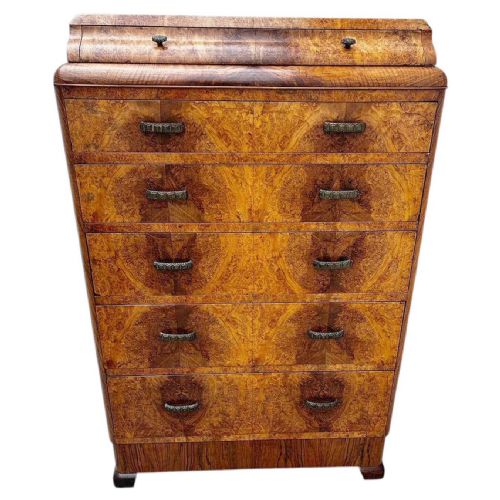
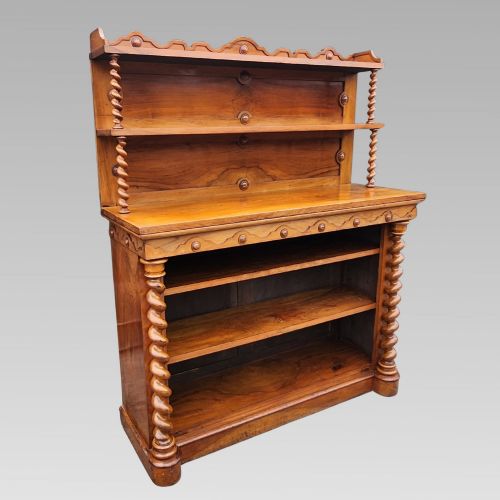
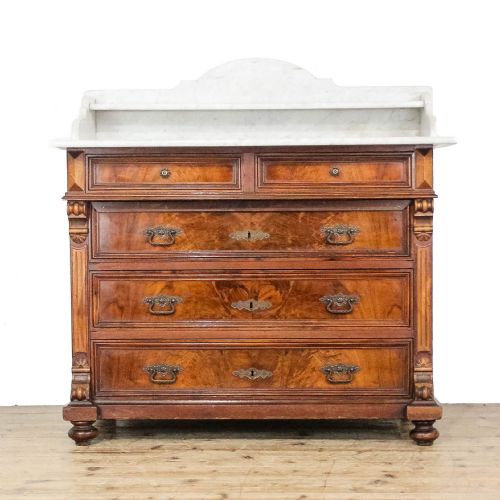
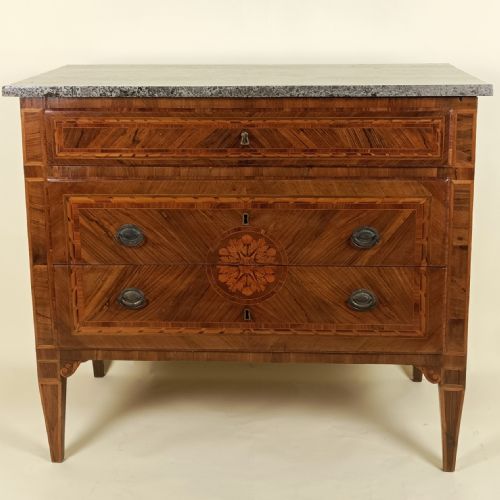
When you search for an antique walnut dresser top, you encounter diverse forms ranging from eighteenth-century chests of drawers and commodes to later buffet sideboards and display cabinets. These pieces span periods from the eighteenth century through the Victorian era and into early twentieth-century designs like Art Deco.
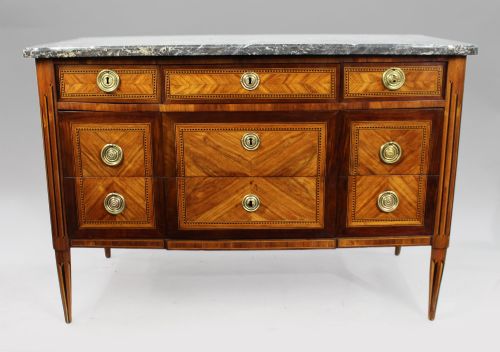
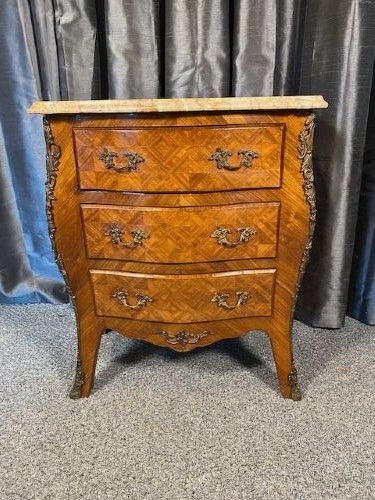
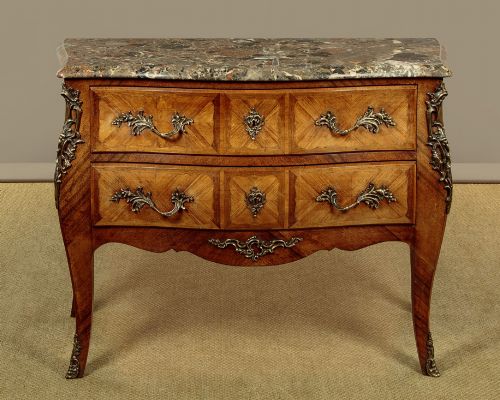
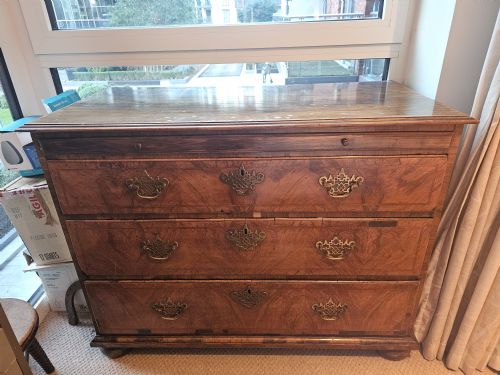
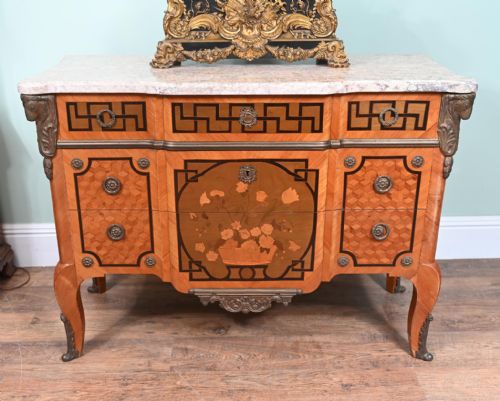
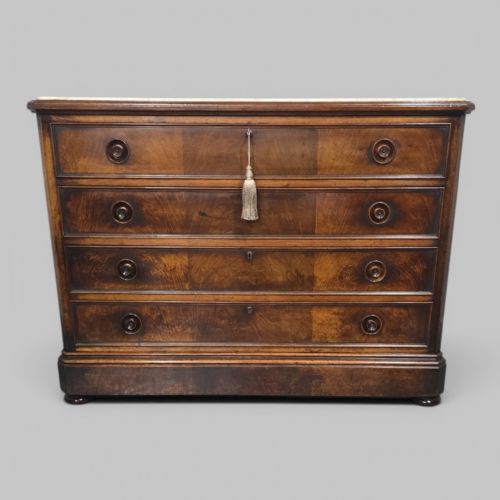
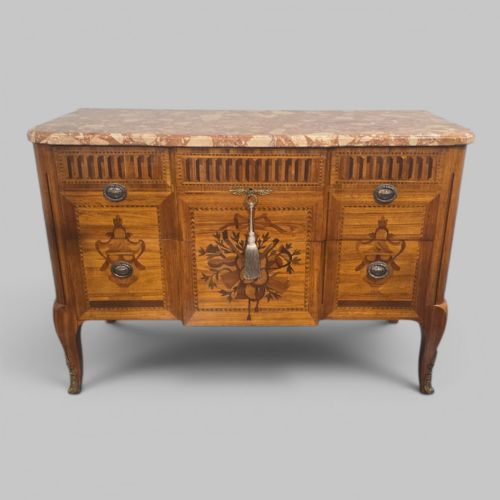
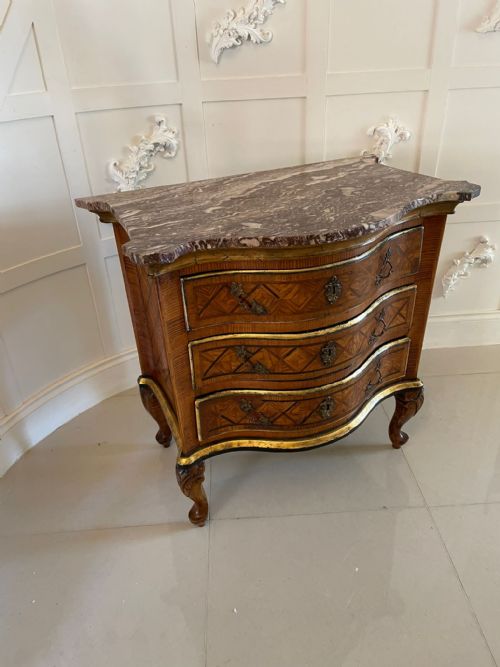
You meet French commodes featuring marble slabs and marquetry alongside English chests of drawers and continental cabinets. The selection on this page centres heavily on walnut timber combined with marble, brass, and ormolu mounts.
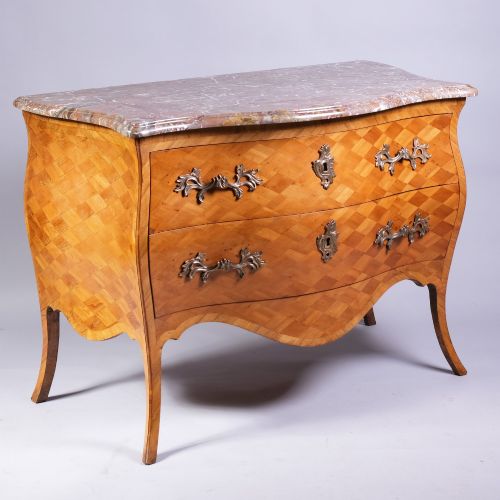
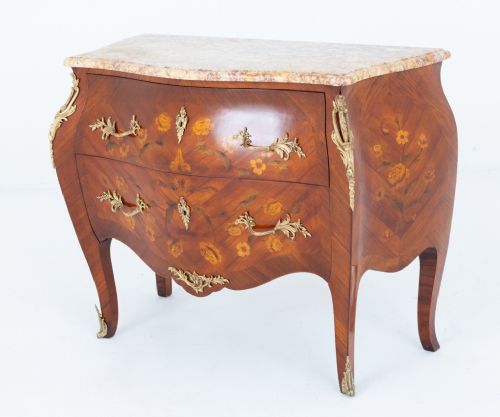
The objects serve multiple functions as commodes, sideboards, and glazed upper sections of cabinets. Each piece displays distinct regional styles, from Louis XV serpentine fronts to clean-lined twentieth-century forms.
How they were made
Cabinet makers utilised solid walnut and figured burr walnut veneers applied over secondary timbers to create rich surface patterns. Marquetry and parquetry techniques involved intricate geometric or floral arrangements using contrasting woods such as kingwood.
Heavy marble slabs, often white or veined, were fitted precisely to the upper surfaces of commodes and cabinets. Cast brass and gilt ormolu mounts were secured to corners, handles, and drawer pulls to accent the woodwork.
Joinery methods included hand-cut dovetails for drawer construction and sliding top panels engineered into eighteenth-century pieces. Glazed doors on upper cabinet sections utilised timber framing to hold individual glass panes.
Several commodes come equipped with hidden sliding top panels designed to conceal secret writing surfaces from prying eyes.
What varies in quality
The standard of craftsmanship shows in the precision of the marquetry inlay and the selection of figured burr walnut veneer. Superior examples display seamless alignment of wood grain across drawer fronts and crisp hand-chased detailing on ormolu mounts.
Structural integrity depends on the original thickness of the marble top and the stability of the timber carcase over centuries. Finer items retain their original brass hardware, sliding mechanisms, and interior linings without later alterations.
The Antique Walnut Dresser Top Glossary
- Commode
- A low chest of drawers or cabinet, frequently fitted with a marble top and associated with French design traditions. These pieces often feature serpentine or bombe shaping.
- Marquetry
- Decorative veneer patterns formed by fitting together small pieces of wood, bone, or ivory to create pictorial or geometric designs on furniture surfaces.
- Ormolu
- Gilded bronze used for decorative mounts, feet, and handles on eighteenth and nineteenth-century furniture. The metal is cast and chased before receiving a gold wash.
- Serpentine
- A furniture front shape curving outward in the centre and inward at the sides in a continuous wave line. This contour requires skilled carpentry to execute accurately.
- Burr walnut
- Timber taken from the wart-like growths on walnut trees, yielding highly swirled and mottled grain patterns prized for decorative veneer work.
Antique Walnut Dresser Top: Frequently Asked Questions
How do I clean a marble top?
Marble surfaces require gentle cleaning with warm water and a soft cloth, avoiding acidic or abrasive household cleaners that etch the stone. Promptly wiping away spills protects the polished finish from staining.
Applying a neutral stone soap or specialised marble wax helps maintain the sheen over time without sealing moisture into the porous material.
Where were these pieces made?
The items originate from workshops across France, England, and Italy, reflecting local cabinet-making traditions of their respective periods. French pieces frequently incorporate provincial styles like Louis XV and Louis XVI.
Continental examples often feature regional marquetry work and heavy marble slabs sourced from local quarries. English workshops produced distinct chest and sideboard configurations using native and imported timber.
How do I style a commode at home?
A commode serves as a focal point in a hallway, bedroom, or living space, providing a surface for lamps, ceramics, or framed art. Placing a mirror or a glazed bookcase cabinet above the top enhances the vertical display.
Allowing sufficient clearance around the piece highlights its serpentine or bombe contours and showcases the grain of the walnut timber.