
Antique Walnut Dining Set
An antique walnut dining set brings warmth, rich grain, and centuries of craftsmanship to the dining room through matched chairs and tables.
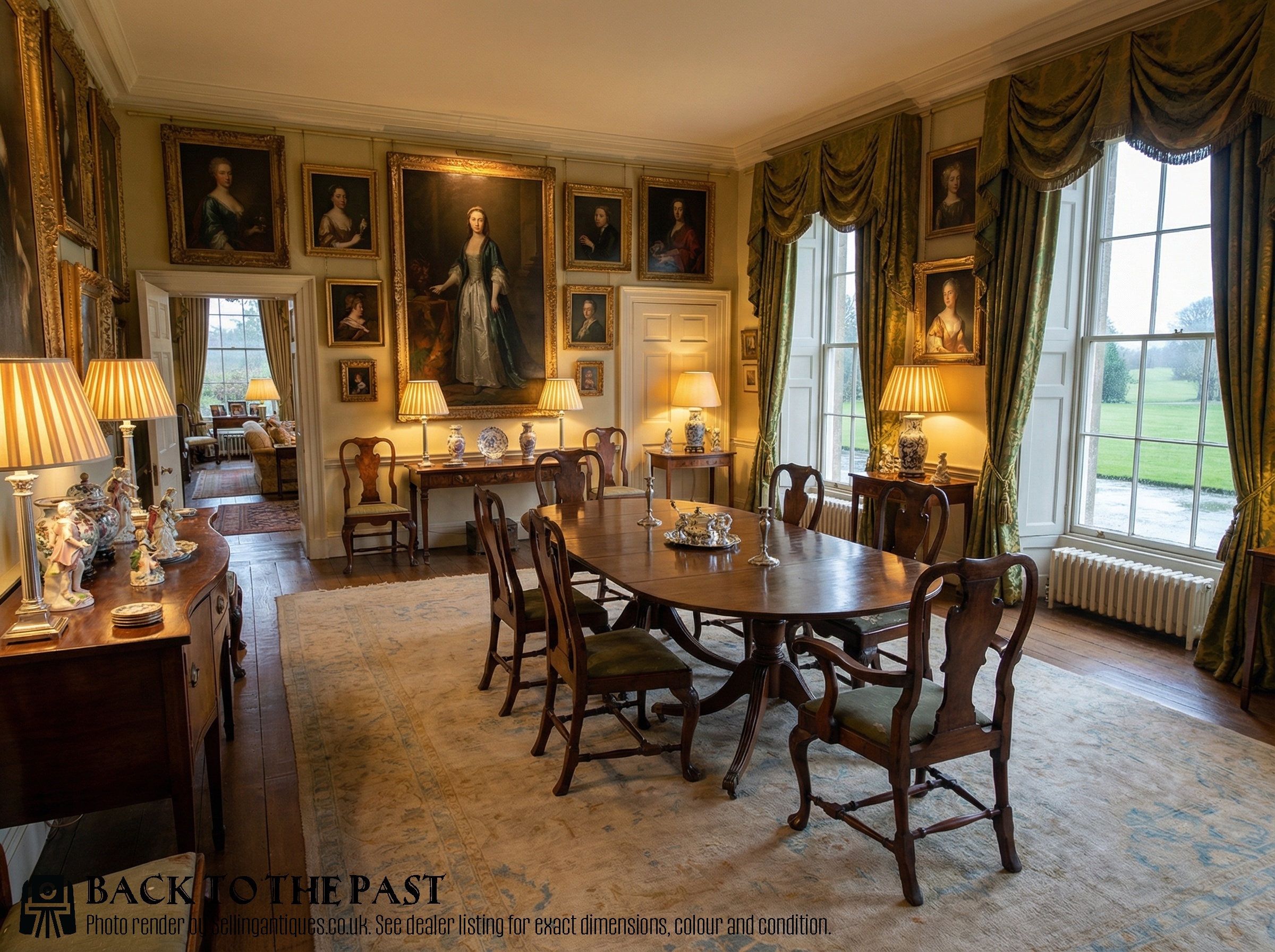
Antique Walnut Dining Set
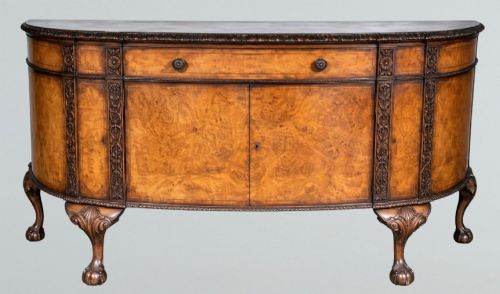
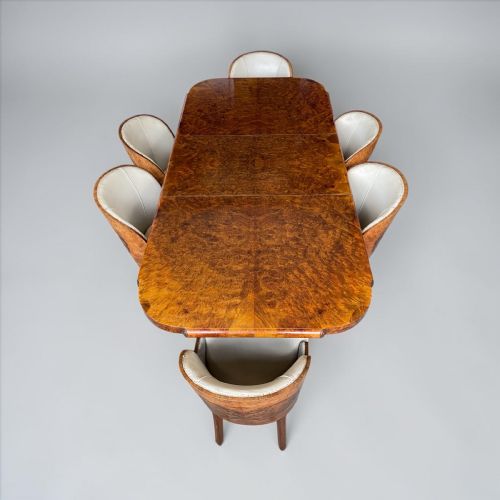
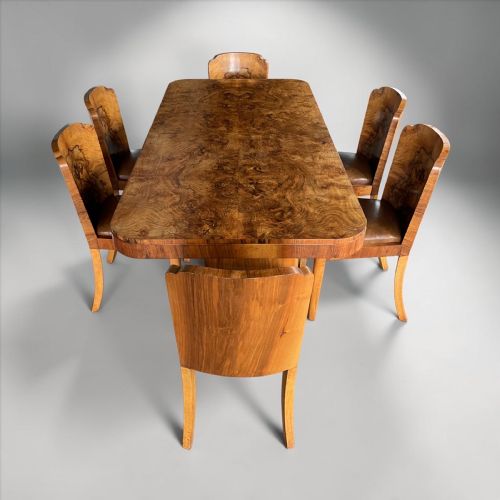
When searching for an antique walnut dining set, buyers encounter matched groups of dining chairs and occasional matching tables or sideboards spanning the Victorian, Edwardian, and Art Deco periods.
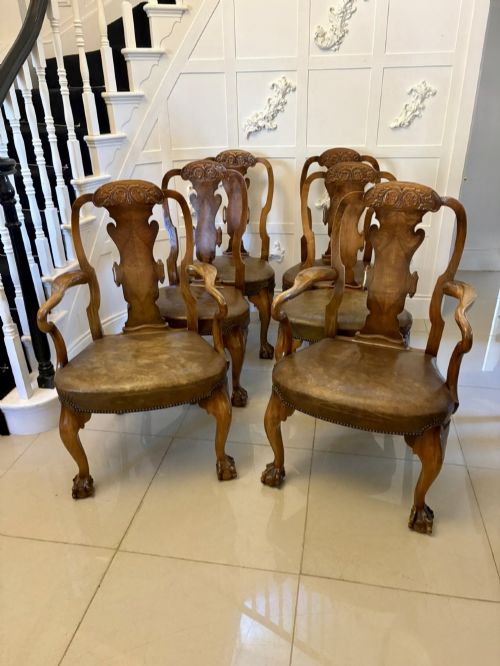
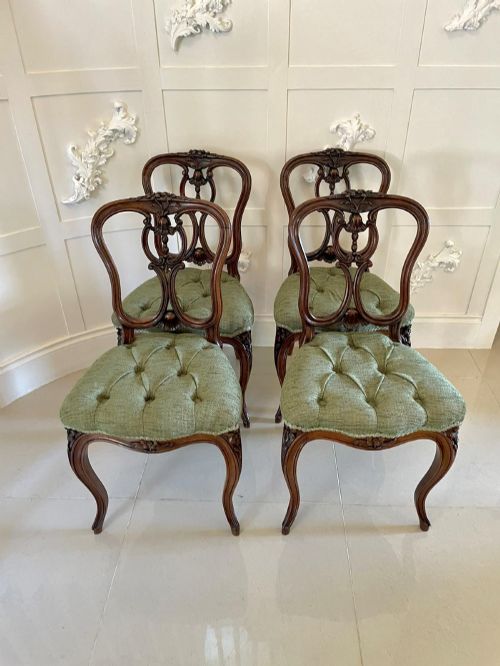
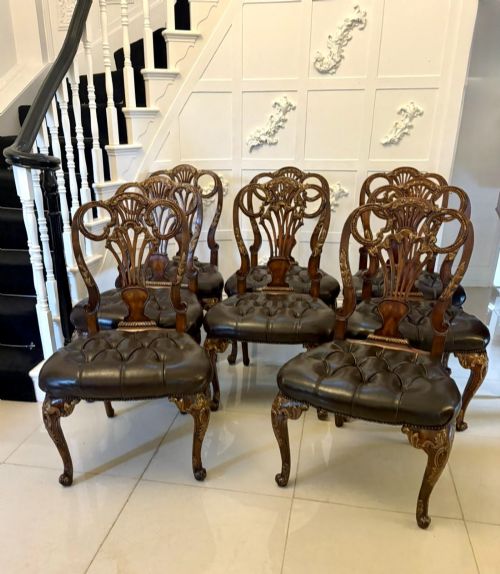
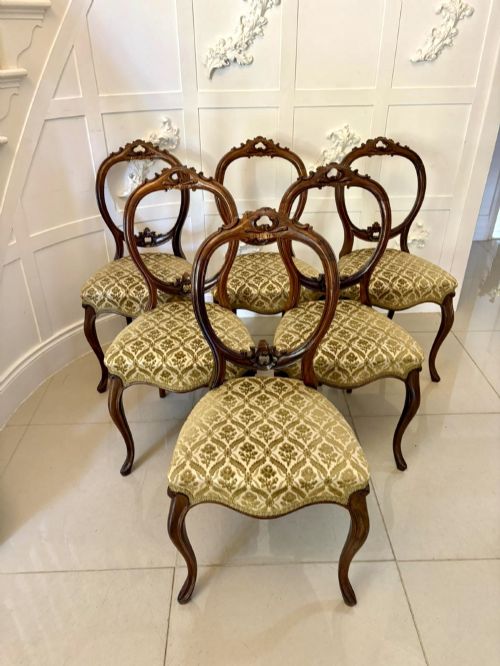
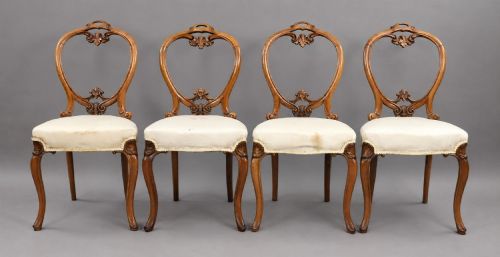
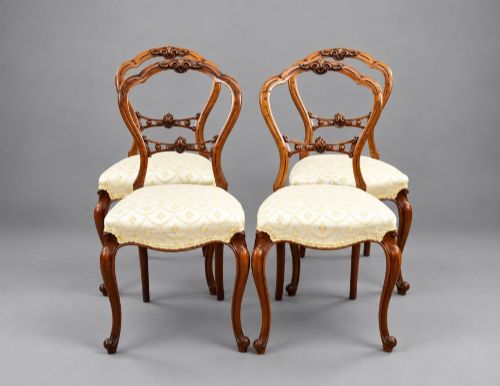
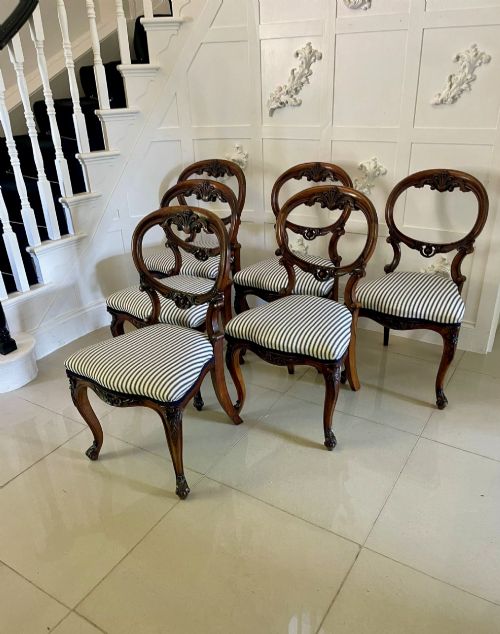
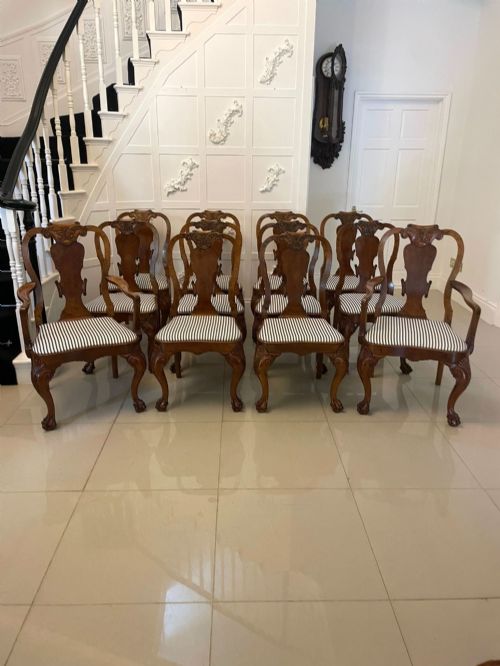
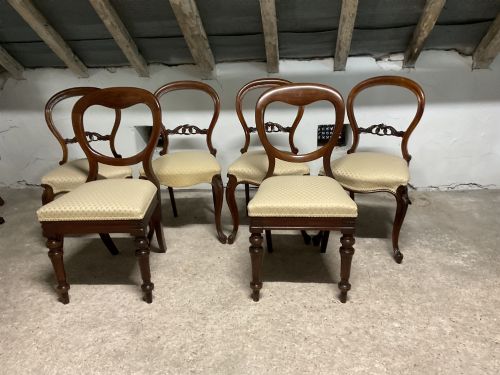
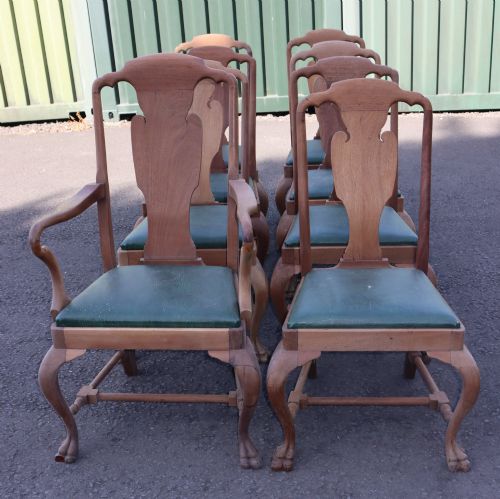
The most common forms on this page are Victorian walnut balloon back dining chairs and larger sets in burr walnut reflecting Queen Anne Revival or Edwardian tastes.
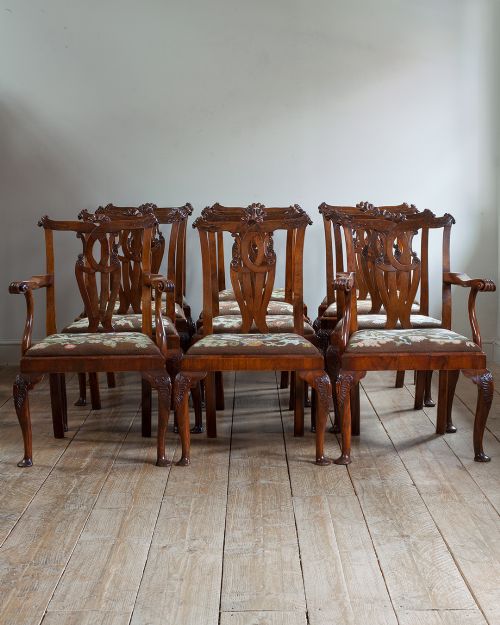
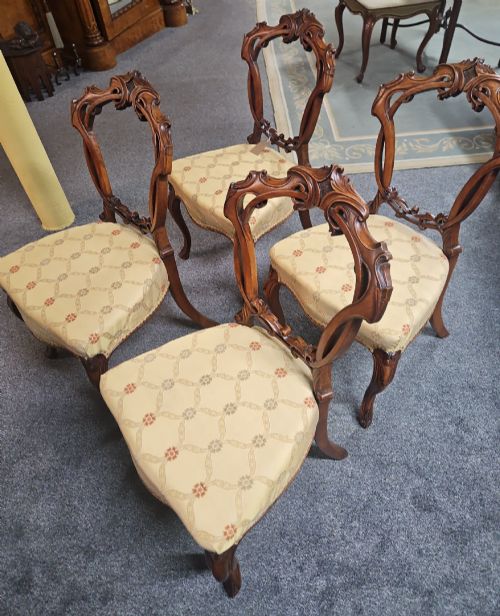
Sets vary from smaller groups of four chairs up to grand assemblies of twelve, often accompanied by sideboards, buffets, or dining tables by notable designers.
Distinctions in quality
The highest tier is defined by the depth and crispness of hand-carving, the complexity of figured burr walnut veneers, and the preservation of original frames without extensive reconstruction.
Larger, uniform sets of eight, ten, or twelve matching chairs command greater distinction than assembled groups, especially when paired with matching tables or sideboards.
Subtle markers such as integrated brass details, embossed leather inserts, and works attributed to known makers elevate a set beyond standard domestic production.
Antique Walnut Dining Set Retail Price Guide 2026
Typical asking prices for walnut dining set among the pieces listed under this phrase on Sellingantiques today, from the lower quarter to the upper quarter. They describe what is for sale here now, not the wider market.
Some nineteenth-century walnut chairs hide secret maker stamps tucked away deep beneath the seat rails.
Maurice Adams·Harry and Lou Epstein·Lamb of Manchester·Daniel Marot
The Antique Walnut Dining Set Glossary
- Burr walnut
- A specialised timber veneer harvested from walnut tree growths, prized for its swirling, highly decorative grain patterns. It frequently graces the splats and backs of formal Victorian and Edwardian dining chairs.
- Balloon back
- A rounded, scroll-shaped chair frame popular during the Victorian era. This curved design offers ergonomic support while showcasing the smooth grain of solid walnut.
- Cabriole leg
- A furniture leg that bends outward in a convex curve and tapers inward to a foot, inspired by animal limbs. It appears frequently on Queen Anne Revival and mid-nineteenth century walnut dining sets.
- Cane panel
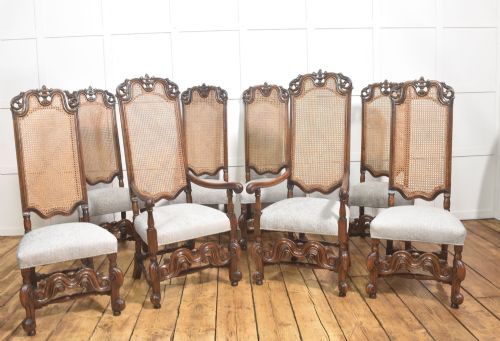
- Woven rattan material used for chair backs and seats. This technique provides lightweight strength and textural contrast against heavy dark wood frames.
- Parcel-gilt
- A decorative treatment where specific carved portions of a wooden object are highlighted with thin layers of gold leaf. It adds subtle brilliance to walnut dining chair frames.
Antique Walnut Dining Set: Frequently Asked Questions
How do I clean antique walnut furniture?
Dust surfaces regularly with a soft, dry cloth to prevent accumulation of grit that can scratch the polished finish. Avoid modern silicone sprays and harsh chemical cleaners, opting instead for occasional applications of specialist beeswax.
Maintain stable humidity levels in the dining room to prevent the solid walnut and delicate burr veneers from drying out or splitting over time.
Can I mix antique chairs with a modern table?
Combining antique walnut chairs with a contemporary dining table creates a striking contrast that highlights the rich grain and warm tones of nineteenth-century timber. Ensure the seat heights align comfortably with the underside clearance of your table.
Matching the wood finish or pairing dark walnut with neutral modern materials helps anchor the overall look of the dining space.
How can I tell Victorian chairs from Edwardian ones?
Victorian walnut dining chairs frequently feature balloon backs, cabriole legs, and ornate carved crest rails reflecting revivalist movements like Rococo. The timber finish tends to be darker and richer through traditional French polishing.
Edwardian sets often exhibit lighter proportions, drawing inspiration from earlier eighteenth-century designs such as Queen Anne Revival styles with subdued carving and clean lines.
Are large dining sets harder to maintain?
Larger sets of eight or twelve chairs require consistent attention simply due to the volume of pieces subject to daily use around the dining table. Checking frame joints and upholstery stability periodically ensures uniform wear across the entire collection.
Rotating chairs around the table distributes sitting patterns evenly, preserving both the structural frames and the fabric or leather upholstery.