


Antique Walnut Corner Furniture
Antique walnut corner furniture gathers practical storage and display pieces designed to fit awkward junctions in a room.
Antique Walnut Corner Furniture
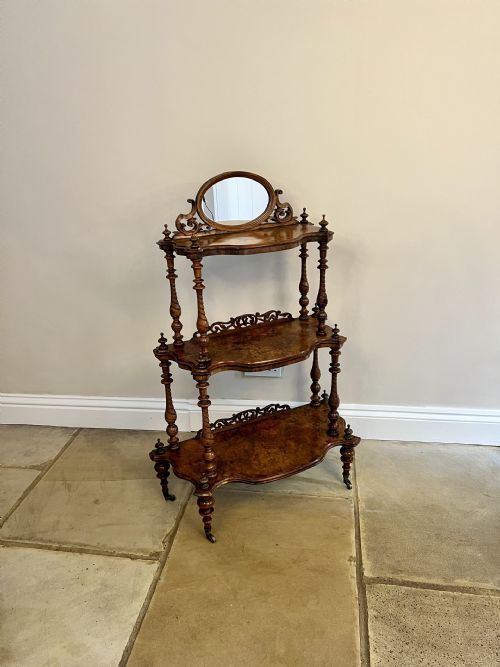
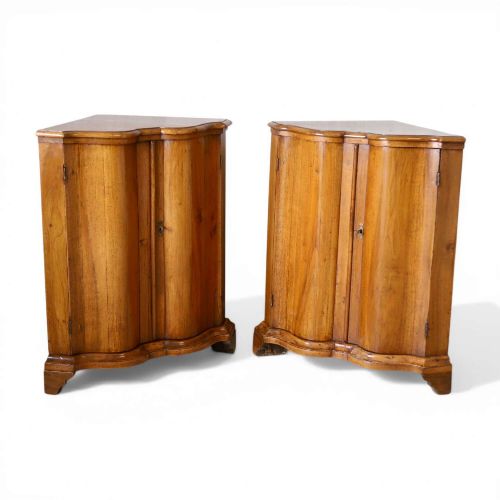
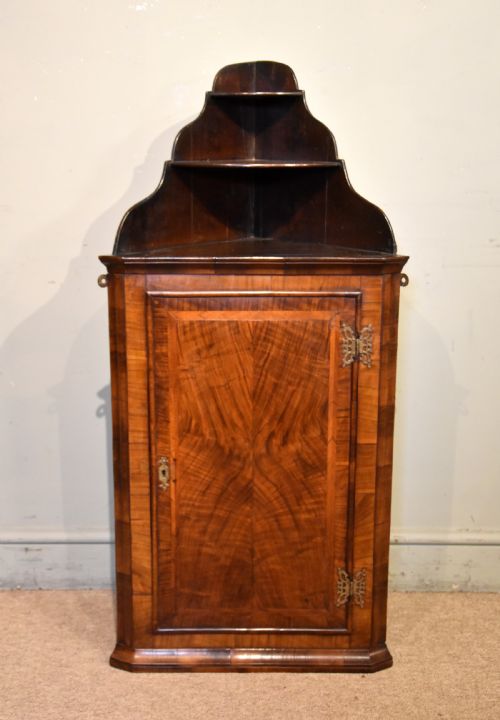
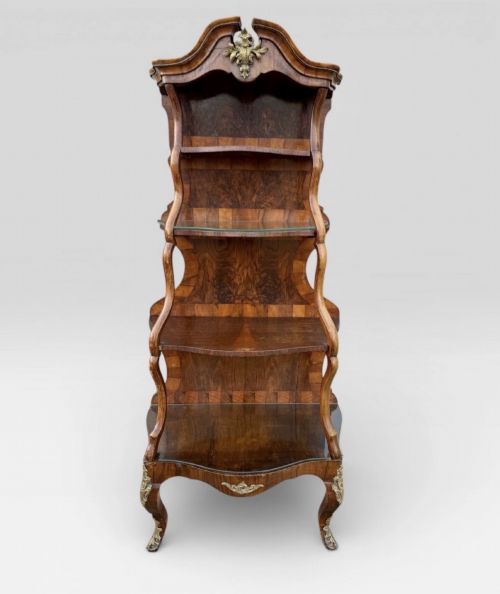
Antique walnut corner furniture covers a range of forms intended to utilise unused room angles efficiently, including standing cabinets, hanging cupboards and multi-tiered whatnots. The listings here span several eras from the Georgian period through the Victorian age, with the majority belonging to the nineteenth century.
Cabinets and cupboards provide enclosed storage with panelled or glazed doors, while whatnots and etageres offer open shelving for display. Buyers also encounter washstands, side tables and occasional items built to follow the same angular geometry.
Origins represented in the stock include English, French and Italian makers, bringing distinct regional interpretations to the timber. Walnut and burr walnut dominate the construction, often enhanced by marquetry inlay or brass mountings.
How they were made
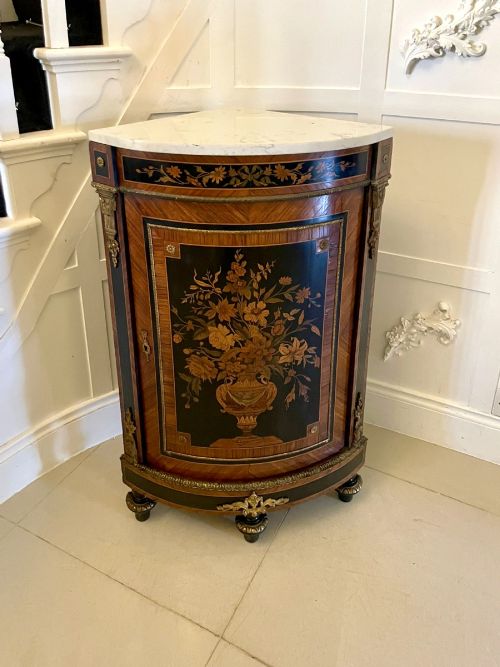
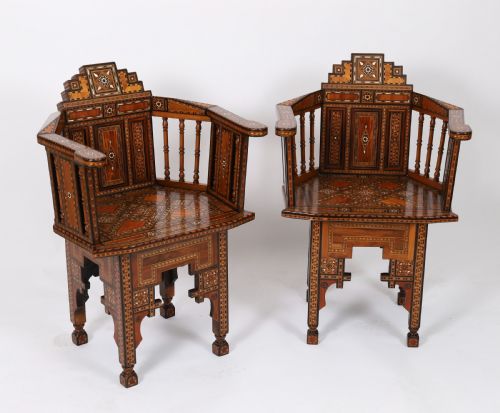
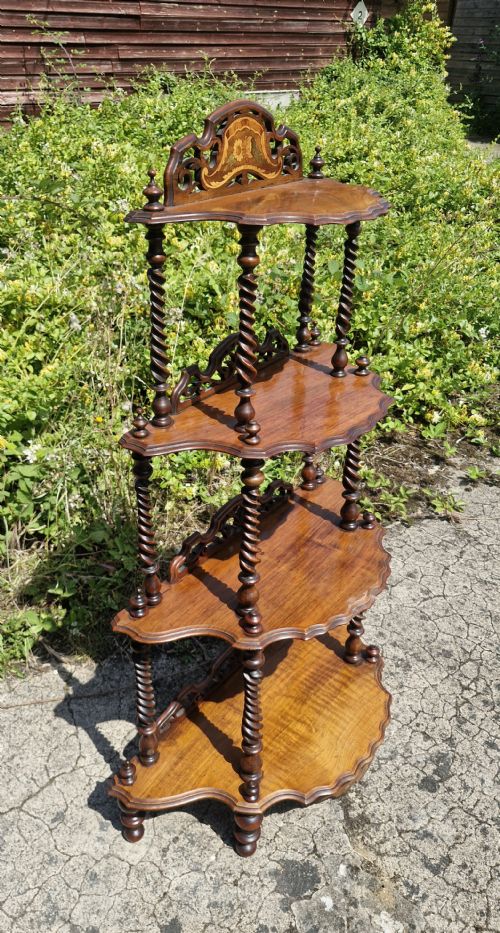
Cabinetmakers constructed these frames using solid walnut and decorative burr walnut veneers applied to secondary timbers. Surfaces frequently incorporate intricate marquetry inlay, parquetry or gilt metal mounts to accentuate the grain.
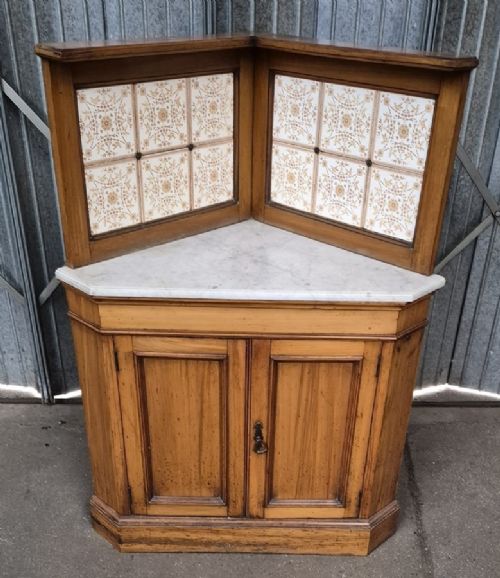
Many items integrate contrasting materials into the design, such as marble tops on washstands and cabinets, glass door panels, and ceramic components. Brass hardware appears on hinges, handles and edge binding, particularly on military-style pieces.
Several items are built to house corner necessities, proving that even a damp basin could look distinguished in burr walnut.
What varies in quality
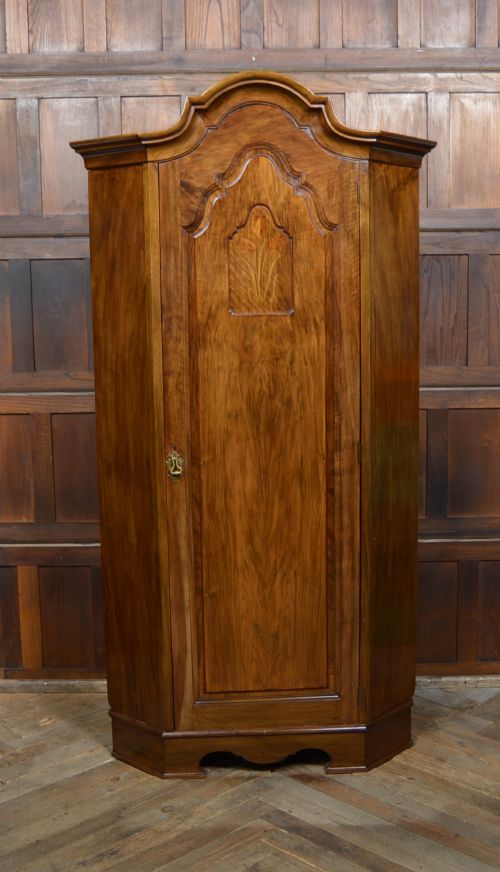
The choice of timber creates a primary distinction, as highly figured burr walnut veneer requires exceptional skill to lay across curved or angled surfaces without splitting. Plain walnut timbers rely purely on the depth of the grain and polish finish for their visual impact.
The complexity of decorative techniques separates standard items from exhibition pieces. Marquetry inlay executed with precision, fine brass mounts, and integrated marble tops indicate higher workshop standards during manufacture.
Walker And Sons·Maurice Adams
The Antique Walnut Corner Furniture Glossary
- Burr walnut
- A figured timber obtained from the warted growths on walnut trees, prized for its swirling grain patterns. It is sliced into thin veneers for cabinet fronts.
- Whatnot
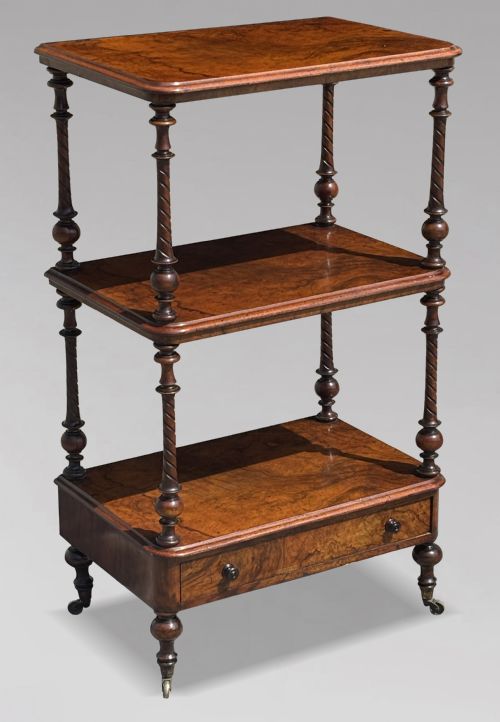
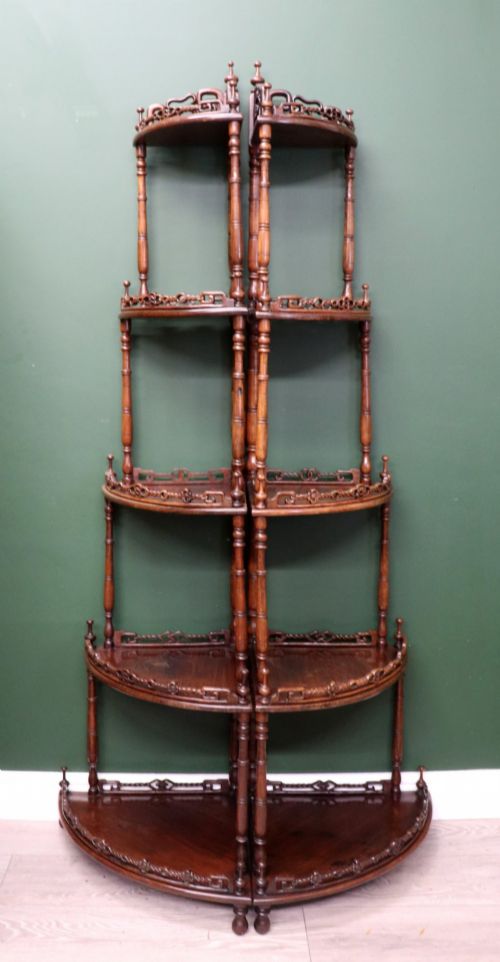
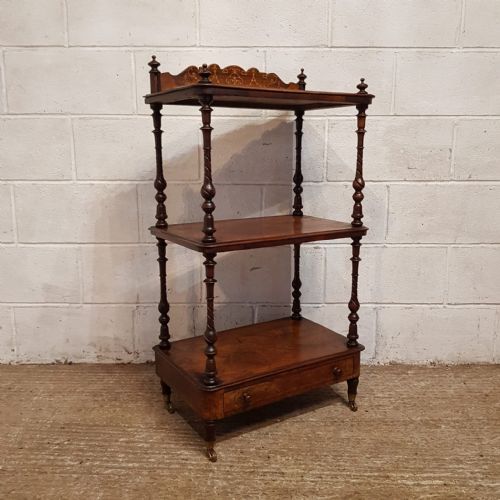
- An open shelving unit designed for displaying ornaments and books, often built with multiple tiers supported on turned columns. These pieces frequently fit into room corners.
- Marquetry
- Decorative woodwork where pieces of various coloured veneers are fitted into a ground to form geometric or floral patterns. This technique appears across many Victorian and continental cabinets.
- Lowboy
- A small side table fitted with one or more rows of drawers, standing on relatively tall legs. Georgian examples form part of the broader walnut tradition.
Antique Walnut Corner Furniture: Frequently Asked Questions
How do I date a walnut corner cabinet?
Dating relies on construction methods, timber choice and stylistic cues such as hardware and feet. Eighteenth-century pieces generally show simpler, structural solid timber carcases with fielded panels.
Victorian examples frequently introduce burr walnut veneers, elaborate marquetry inlay, and glazed doors framed by bolder decorative mouldings.
Where should I place corner furniture?
These items make efficient use of dead space in living rooms, hallways and dining areas where standard rectangular furniture would block circulation. Hanging cupboards mount directly to wall studs, while floor-standing cabinets anchor room junctions.
Matching pairs can frame a fireplace or a window bay to create a balanced layout.
Are marble tops original on these cabinets?
Many Victorian washstands and continental cabinets featured inset marble slabs to provide a durable, water-resistant surface. These slabs are typically fitted directly into a rebated wooden frame at the top.
Examining the underside of the top reveals whether the stone rests in its original housing alongside the cabinet carcase.