
Antique Walnut China Cabinet
An antique walnut china cabinet brings rich grain and glass-fronted display to a room, offering both storage and elegance for treasured collections.

What these pieces are
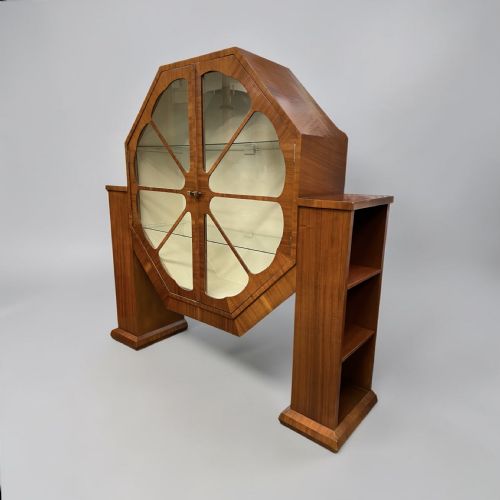
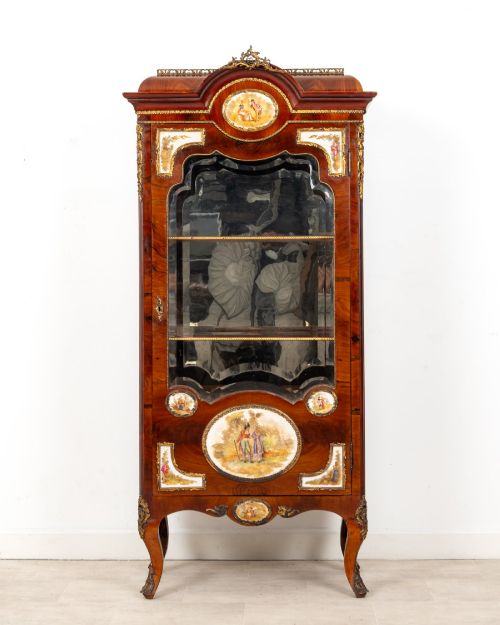
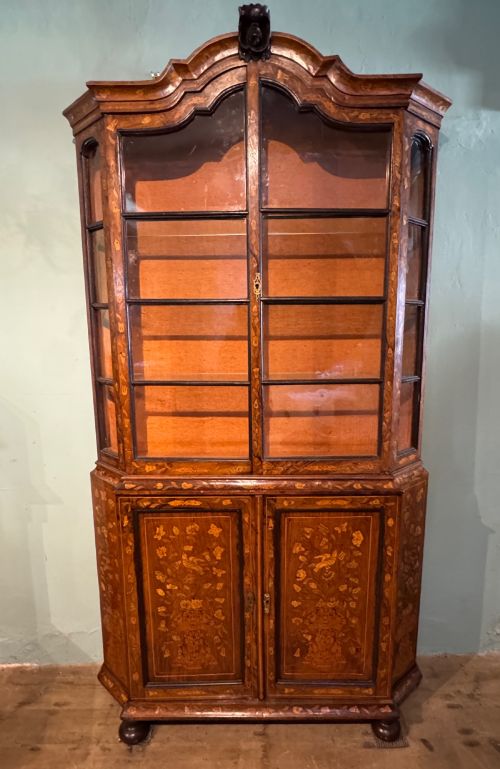
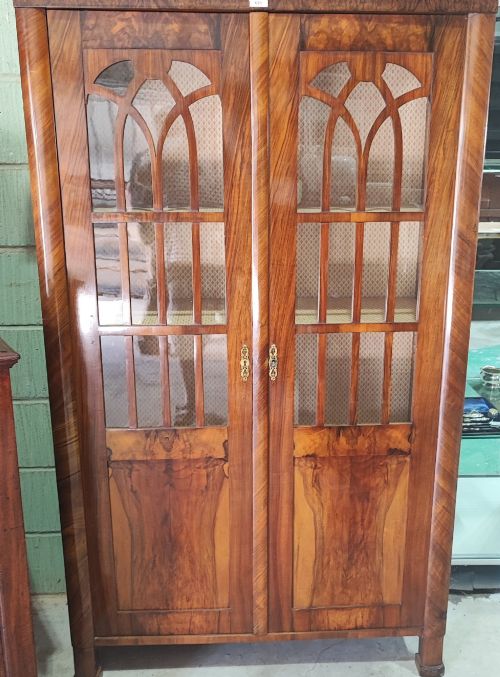
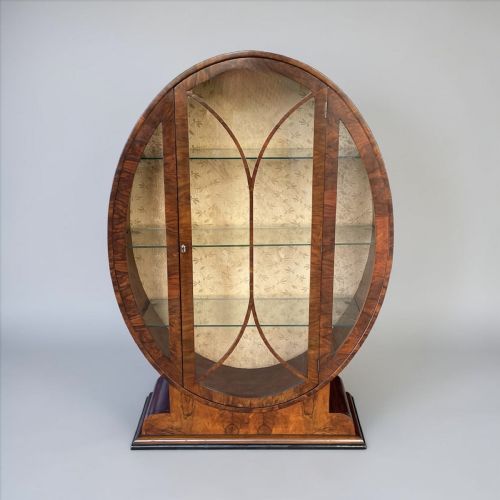
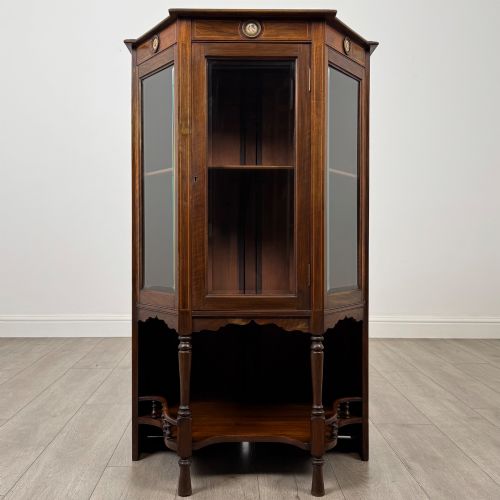
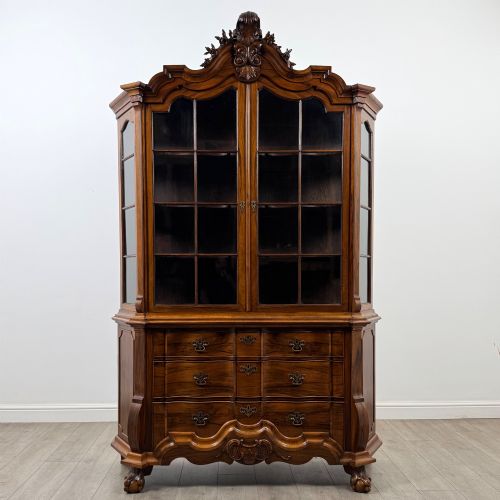
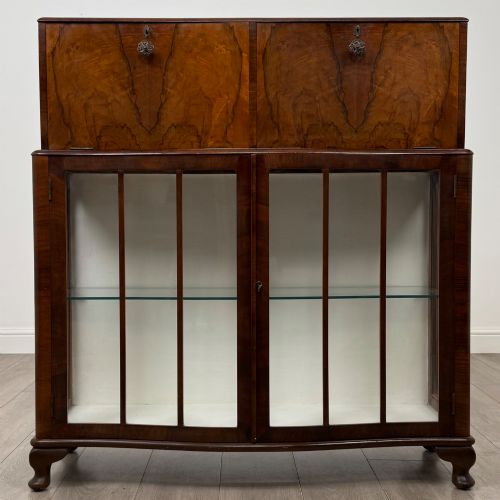
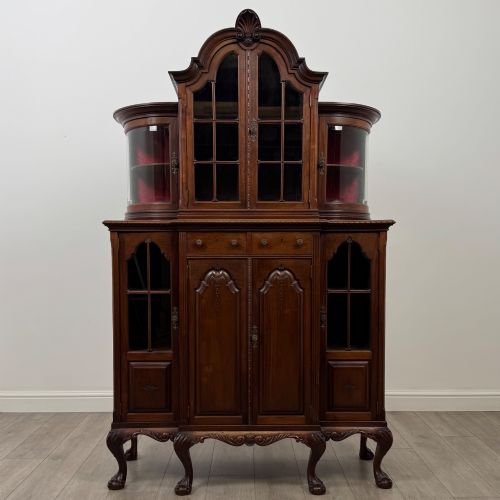
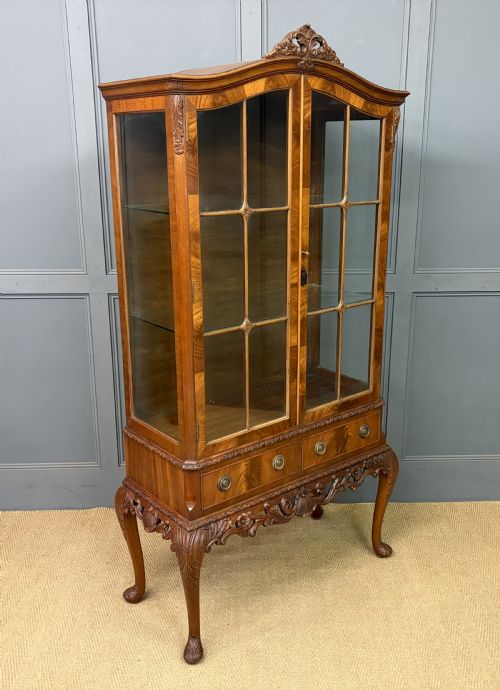
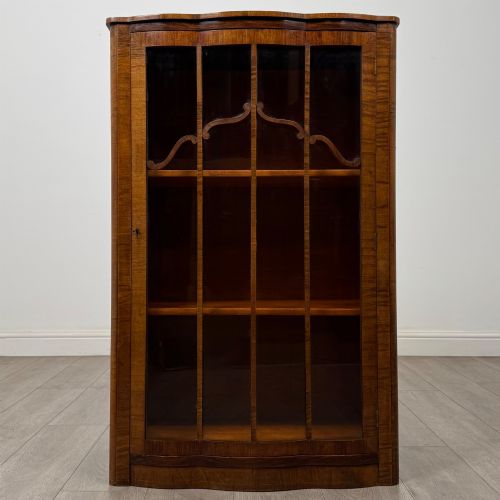
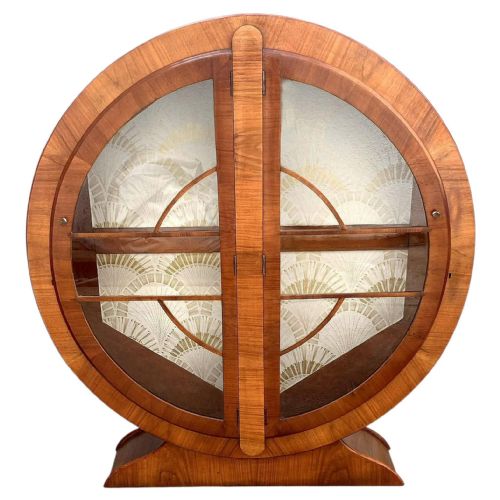
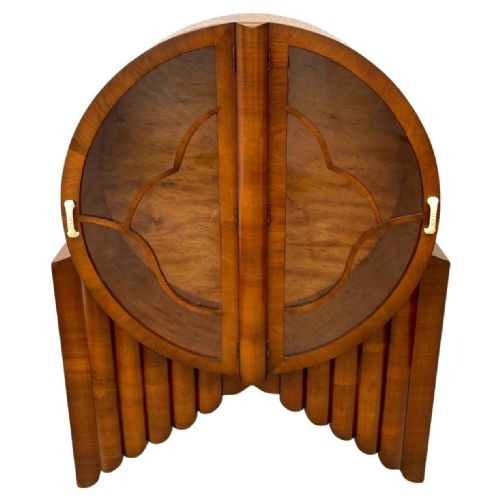
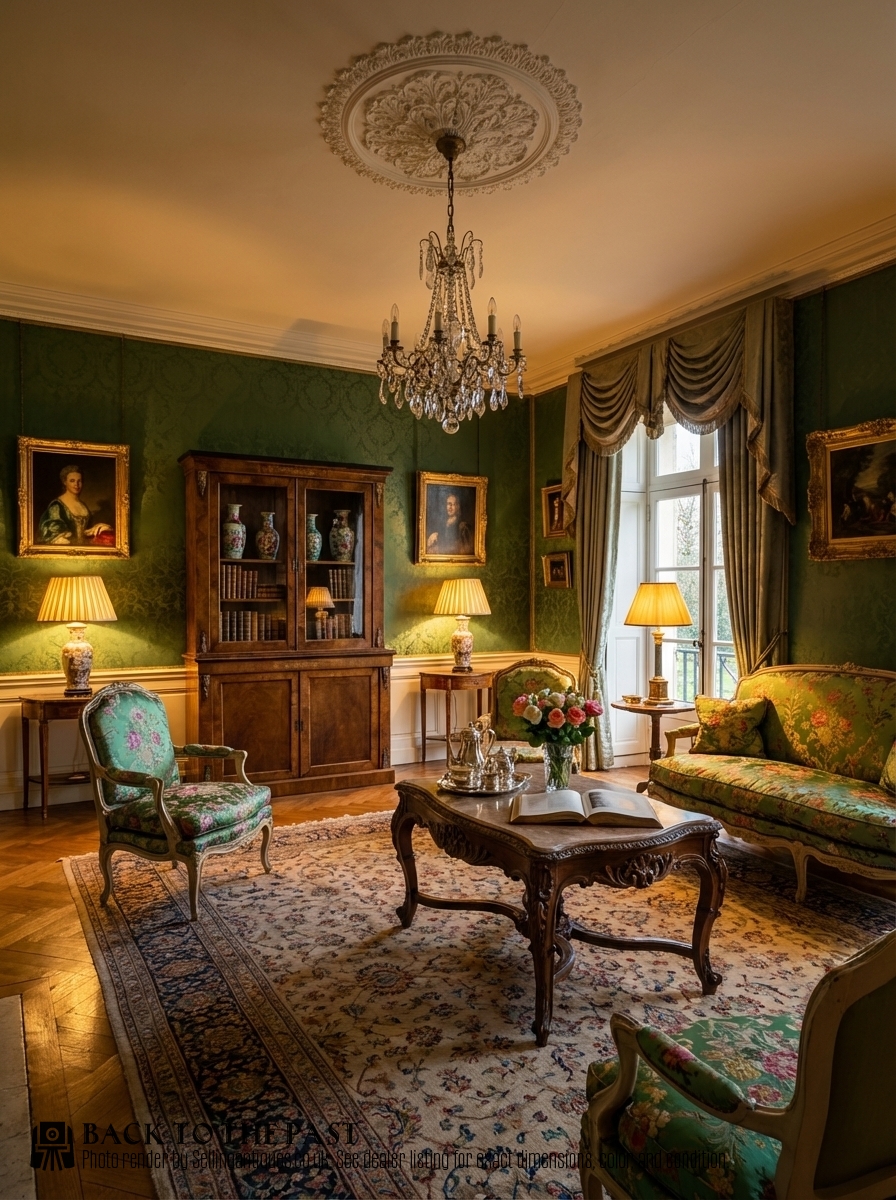
An antique walnut china cabinet encompasses glazed display pieces, pier cabinets, vitrines, and corner cupboards designed to showcase and protect precious items. The selection spans distinct periods, featuring Victorian, William IV, and Art Deco examples alongside 18th century Dutch pieces.
How they were made
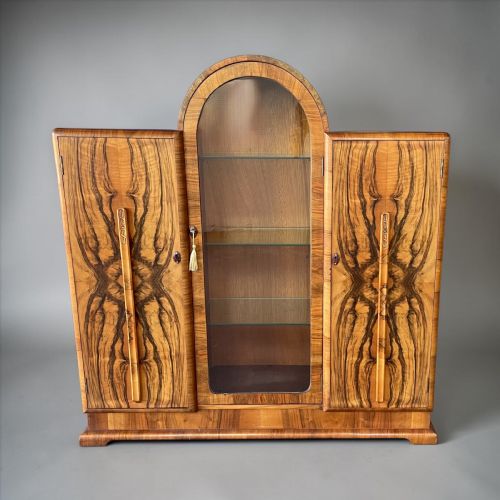
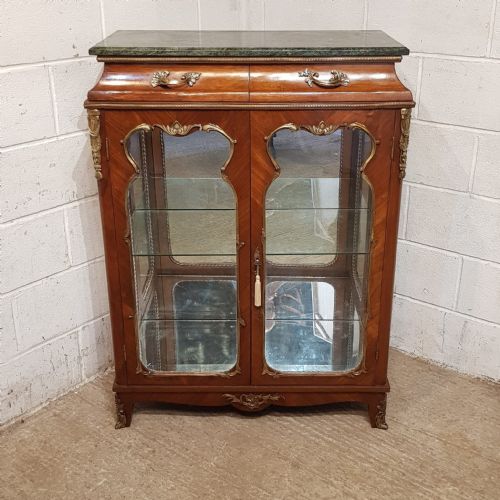
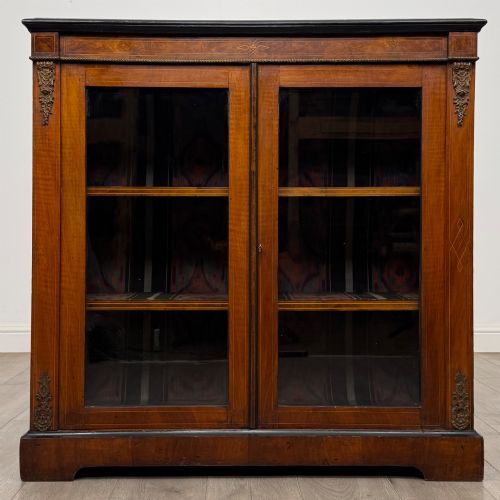
Cabinet makers utilised choice timbers, selecting plain walnut, highly figured burr walnut, and sycamore veneers laid over sturdy carcases. Decorative enrichment often involved boxwood stringing, brass fittings, and cast ormolu mounts.
Glazing techniques framed the display sections with timber or metal glazing bars, occasionally backed by velvet linings inside the cabinet interiors. Marble tops also appear on mid-19th century French examples, adding a contrasting stone surface to the wooden structure.
Retail Price Guide 2026
Typical UK retail prices for walnut china cabinet, calculated from the Sellingantiques database of over a million retail prices indexed since 2003. This retail price guide relies exclusively on Sellingantiques data; no external sources or auction records are used, so the figures do not describe the wider market.
Several cabinets feature velvet linings, offering a soft fabric stage for delicate porcelain collections.
What varies in quality
Quality rests principally in the selection and matching of the walnut veneer, where richly figured burr timber or symmetrical grain patterns denote superior craftsmanship. The subtlety of boxwood inlay and the crispness of ormolu mounts further separate standard production from finer work.
Structural harmony also defines the better pieces, seen in well-proportioned glazing bars, original brass hardware, and carefully fitted doors that close true. The inclusion of specialised elements like shaped glass or marble tops marks the upper tier of cabinet making.

Epstein
The Antique Walnut China Cabinet Glossary
- Burr walnut
- A highly figured timber harvested from walnut tree growths, prized for its swirling grain patterns and luxurious appearance on cabinet doors.
- Ormolu
- Gilded bronze mounts and decorative details applied to furniture, frequently seen on French revival cabinets of the nineteenth century.
- Pier cabinet
- A narrow upright display piece designed to fit into the wall space between windows, often featuring a glazed door and walnut veneers.
- Vitrine
- A glass-sided display cabinet intended for the presentation of porcelain and small ornaments from all visible angles.
- Boxwood
- A dense, pale wood utilised for fine stringing and contrasting inlay lines on cabinet surfaces.
Frequently Asked Questions
How do I clean the glass?
Use a gentle glass cleaner applied to a soft cloth rather than directly onto the glass, preventing moisture from seeping into aged timber frames or antique glazing putty.
Keep polishing agents away from the surrounding walnut veneer and boxwood inlay to protect the polished wood finish from chemical damage.
Where should I place it?
Position the cabinet away from direct sunlight and strong heat sources, as walnut timber and delicate veneers are sensitive to extreme temperature fluctuations and UV fading.
Ensure the floor is level so the doors hang true and the glazed panels do not suffer structural strain over time.
What periods are represented?
The pieces span multiple eras, including eighteenth-century Dutch examples, William IV, Victorian, and later Art Deco designs from the twentieth century.
Each period brings distinct stylistic traits, from the heavy classical proportions of the nineteenth century to the streamlined curved glass of the nineteen-thirties.
How do I identify burr walnut?
Burr walnut is instantly recognised by its complex, swirling grain patterns and clustered knot formations, which create a highly decorative and mottled surface texture.
This distinct timber was typically reserved for the main facade and door panels of finer cabinets to draw the eye.