


Antique Village Rug
An antique village rug brings warmth, texture, and centuries of regional weaving traditions directly to your floor.

Antique Village Rug
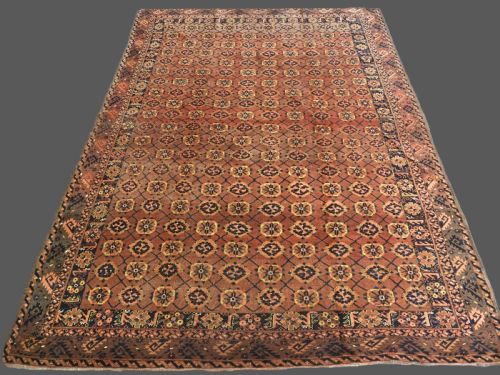
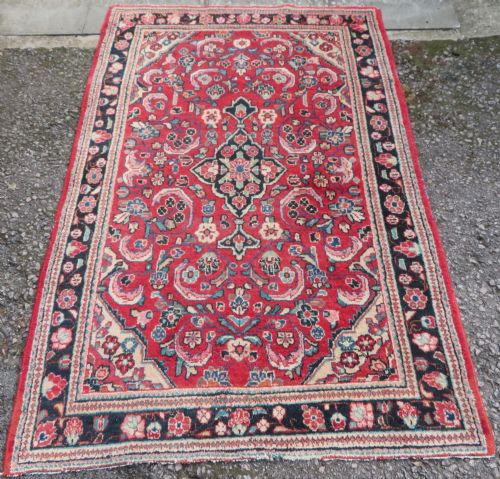
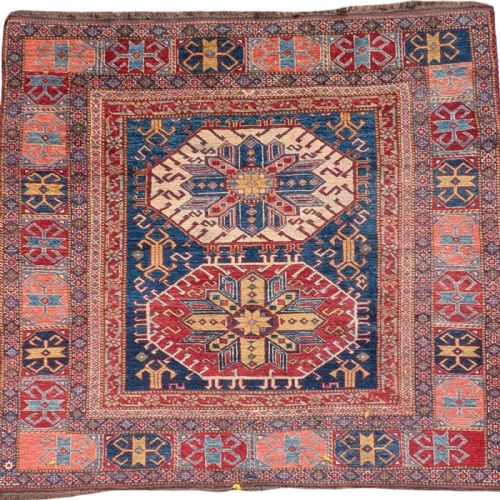
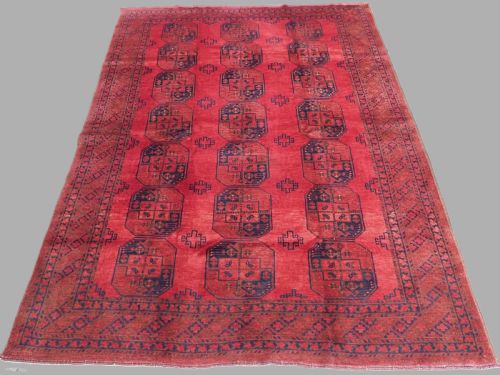
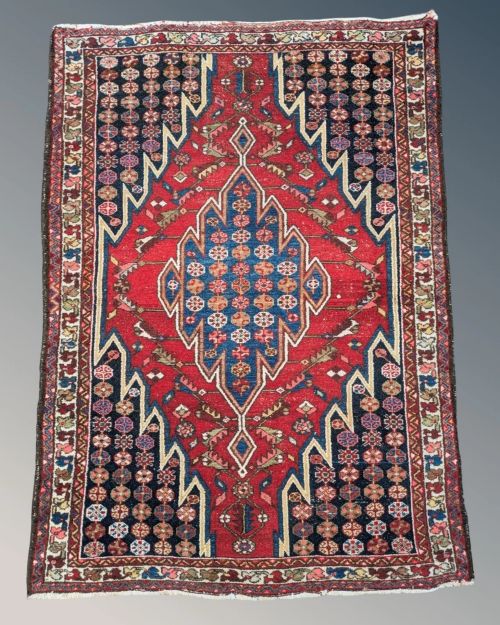
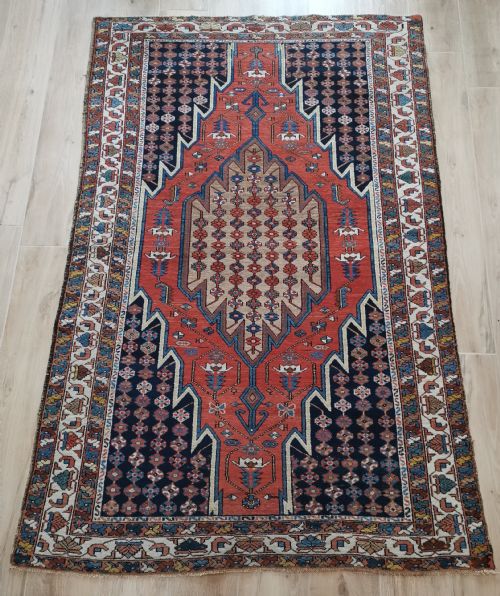
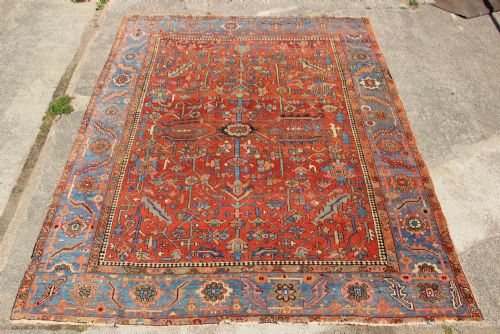
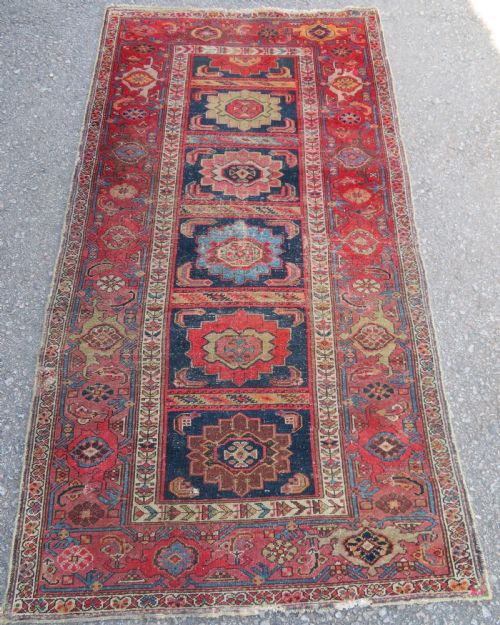
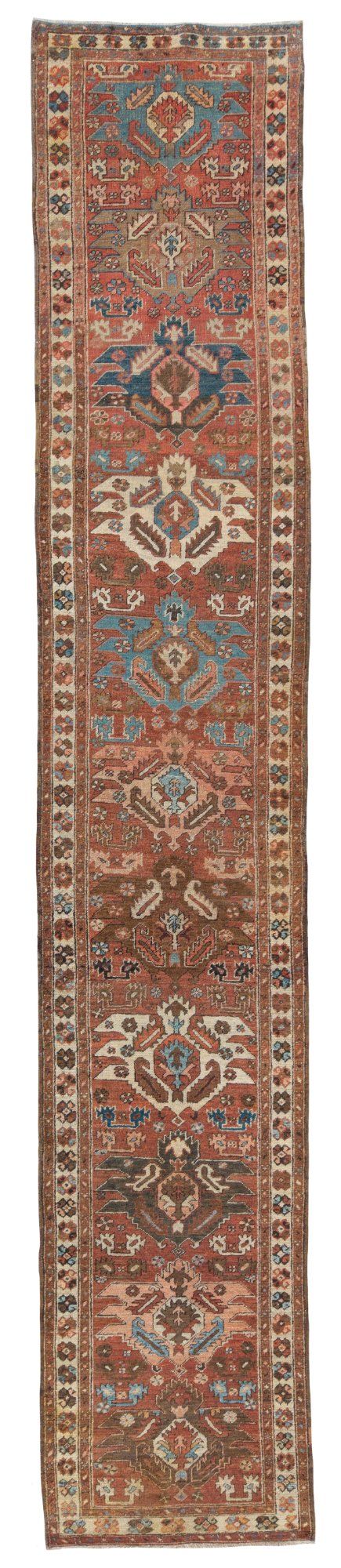
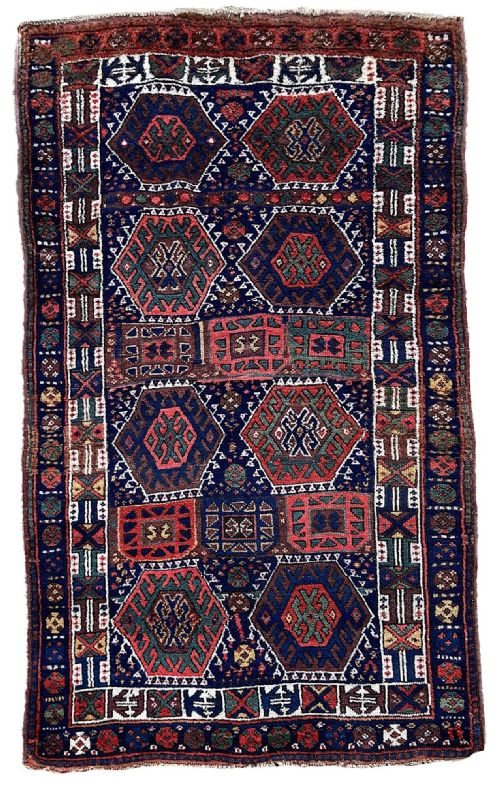
When you search for an antique village rug, you encounter hand-woven textiles originating from domestic production centres across Persia, Turkey, the Caucasus, and Afghanistan. These pieces range from small mats and prayer rugs to room-sized carpets produced by tribal and village weavers.
The selections on this page feature traditional styles such as Heriz, Bakshaish, Hamadan, Kazak, and Afghan tribal designs. They reflect the distinct cultural motifs and regional weaving practices of the nineteenth and early twentieth centuries.
How They Were Made
Weavers utilised hand-spun wool for the pile, providing durability and a rich texture that ages gracefully over time. Cotton warp and weft foundations supplied structural stability, particularly in Persian and Caucasian village weaving traditions.
Makers relied primarily on natural dyes to colour the wool, yielding deep reds, ivory grounds, and varied secondary tones. These organic colourants result in subtle variations across the field known as abrash.
Antique Village Rug Retail Price Guide 2026
Typical asking prices for village rug among the pieces listed under this phrase on Sellingantiques today, from the lower quarter to the upper quarter. They describe what is for sale here now, not the wider market.
The listings span the nineteenth century through the 1930s, featuring wool pile construction on cotton foundations with natural dyes.
What Varies in Quality
The standard of a piece depends heavily on the crispness of the design execution and the depth of colour achieved by the dyer. Finer knotting density and well-balanced proportions separate exceptional weaving from standard domestic output.
Preservation of the original borders, kilim ends, and structural integrity significantly influence the desirability of a textile. Surviving edge finishes and minimal pile loss indicate careful historical use.
The Antique Village Rug Glossary
- Abrash
- A natural variation in rug colour caused by changes in dye batches or hand-spun wool lot batches during weaving.
- Warp
- The vertical threads stretched lengthwise on the loom that form the foundation of the textile.
- Weft
- The horizontal threads passed through the warp threads to hold the knots in place.
- Prayer Rug
- A textile featuring a mihrab or niche design historically utilised for personal devotion.
- Medallion
- A central decorative ornamental motif set in the middle of the rug field.
Antique Village Rug: Frequently Asked Questions
How do I clean an antique village rug?
Regular gentle vacuuming without a beater bar removes surface dust and grit from the wool pile.
Professional textile conservators should handle deep washing to protect the natural dyes and historical foundations.
Can I place these rugs in high-traffic areas?
Traditional village carpets constructed with thick wool pile withstand normal foot traffic quite well.
Using a quality rug underlay prevents slipping and cushions the foundation against premature wear.
How do I identify the regional origin?
Specific motifs, border arrangements, and colour palettes often point to distinct weaving districts like Heriz or Hamadan.
Structural characteristics such as knot type and warp depression offer further clues to a rug's geographical source.
What does a prayer niche signify?
The pointed arch design mimics the mihrab found in mosques, directing the user toward Mecca during prayer.
Weavers across Anatolia and Afghanistan incorporated these architectural forms into domestic prayer mats.