
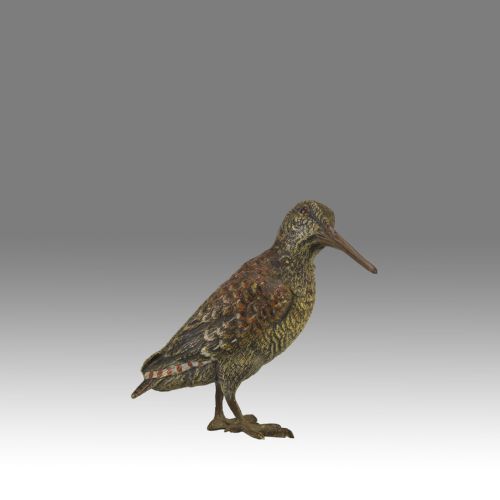
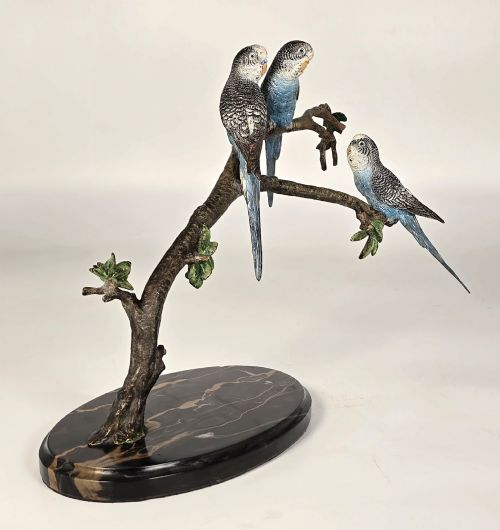
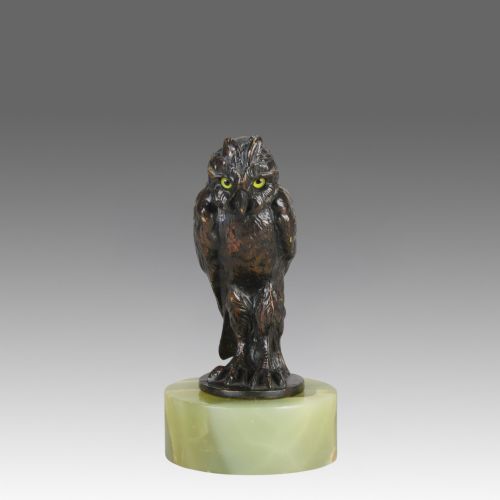
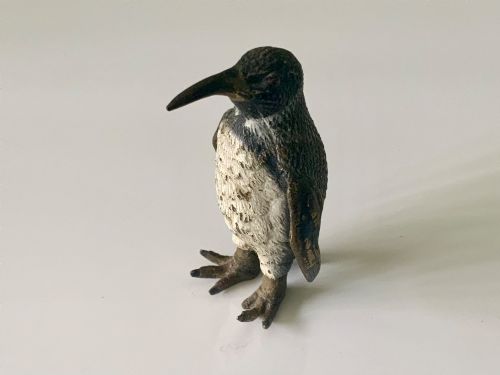


Antique Vienna Bronze Bird
These antique vienna bronze bird figures are charming metal sculptures finished with cold paint, prized by collectors for their lifelike detail and variety.
Antique Vienna Bronze Bird
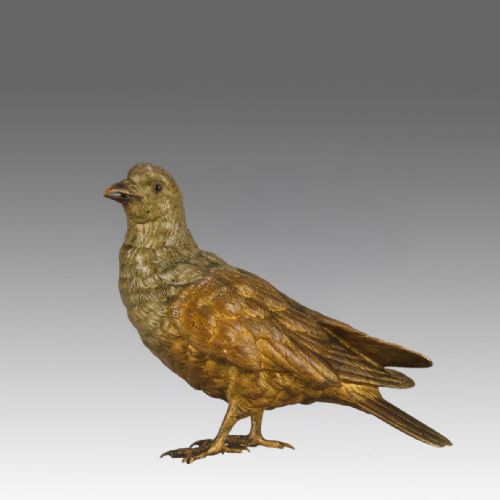
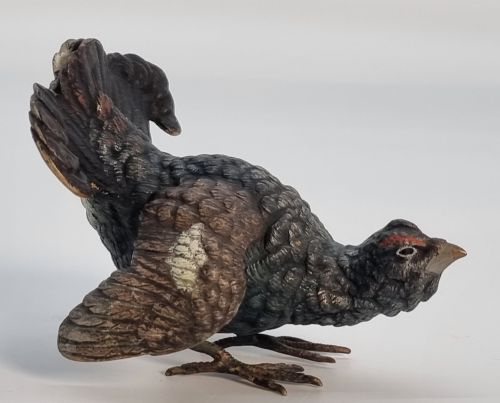
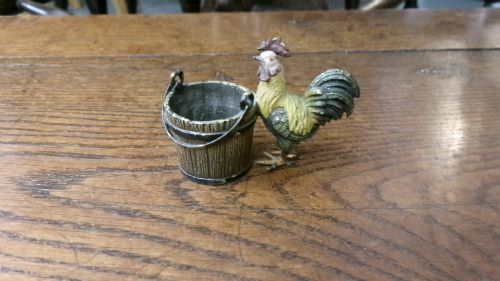
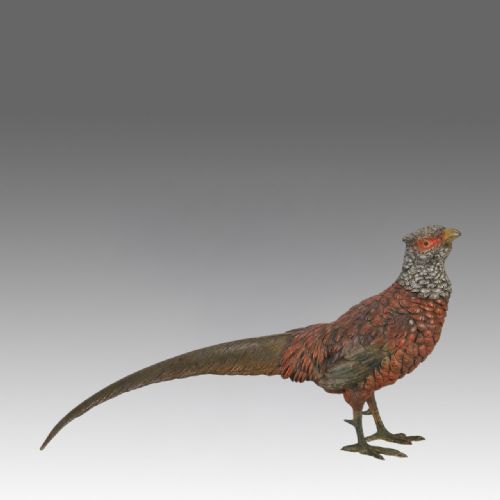
An antique vienna bronze bird is typically a small sculptural study depicting creatures such as woodcocks, budgerigars, owls, penguins, pigeons, capercaillies, cockerels, pheasants, blackbirds, grouse, kingfishers, magpies, hawks, ducks, parrots, and wrens. These forms range from simple desk accessories and pin trays to intricate sculptures mounted upon bases of onyx, quartz rock, or marble.
The objects span several periods including the nineteenth century, eighteen-fifties, eighteen-eighties, eighteen-nineties, nineteen-hundred, nineteen-ten, and nineteen-thirty. Stylistically, they draw on Viennese animalier traditions, Austrian naturalist approaches, and the decorative curves of art nouveau or the geometric lines of art deco.
How they were made
The pieces are cast in bronze and subsequently decorated with cold paint, enamel paint, or polychrome paint applied directly to the unheated metal surface. Certain works incorporate natural mineral mounts such as onyx, marble, or quartz rock to support the bronze figures.
Makers utilised detailed casting techniques to render the feather textures and postures of various birds, followed by meticulous hand-painting to achieve realistic plumage and coloration.
Listings feature materials including bronze, paint, onyx, enamel paint, polychrome paint, marble, cold-painted bronze, and cold paint.
What varies in quality
Quality in these sculptures rests primarily on the preservation of the original cold-painted surface and the finesse of the bronze casting itself. Pieces with intact, vibrant polychrome paint and finely chiselled feather detail stand apart from those with significant surface wear.
The presence of signature marks, foundry stamps, or natural stone bases such as onyx and quartz elevates certain figures, as does the complexity of multi-bird compositions or botanical elements like leafy branches.
Franz Bergman·Franz Xaver Bergmann
The Antique Vienna Bronze Bird Glossary
- Cold-Painted Bronze
- A bronze sculpture decorated with paint applied to cold metal rather than fired in a kiln. This method allows for subtle polychrome finishes.
- Vienna Bronze
- Small bronze sculptures produced in Austrian foundries, particularly noted for realistic animal and human subjects. They became immensely popular during the late nineteenth and early twentieth centuries.
- Animalier
- A nineteenth-century artistic movement focused on the realistic portrayal of animals. Sculptors in this tradition studied animal anatomy closely.
- Pin Tray
- A small shallow dish designed to hold pins and small desk items, often ornamented with a small bronze figure. These served both decorative and functional roles on period writing desks.
- Plomb de Nuremberg
- A type of metal alloy figure produced in Germany, sometimes associated with small cast figures. They share display characteristics with traditional bronze casts.
Antique Vienna Bronze Bird: Frequently Asked Questions
How were these bronze birds used?
Many of these figures served as decorative cabinet pieces or mantel ornaments intended to display naturalistic charm. Some examples were integrated into functional items such as pin trays and desk accessories.
Larger studies were mounted on stone bases like onyx or quartz to stand independently as sculptural works of art.
How do I care for cold painted bronze?
Cold-painted surfaces are delicate because the pigment is not kiln-fired into the metal. Dust them gently with a soft, dry brush and avoid all moisture and chemical cleaners.
Keeping them away from direct sunlight protects the painted surface from fading over time.
How can I tell the period?
Dating relies on stylistic clues, casting characteristics, and the specific materials used for the figures and their optional stone bases. Pieces range from nineteenth-century productions to early twentieth-century art nouveau and art deco designs.
Maker marks and foundry stamps can also help narrow down the production era.