



Antique Vegetable Server
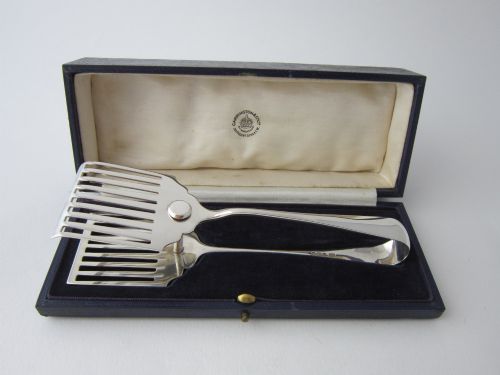
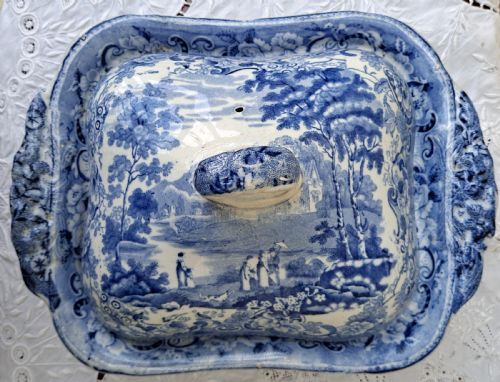
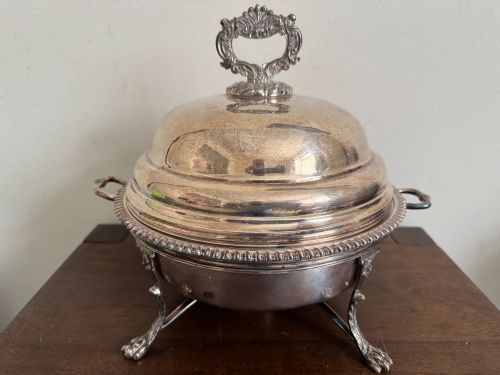
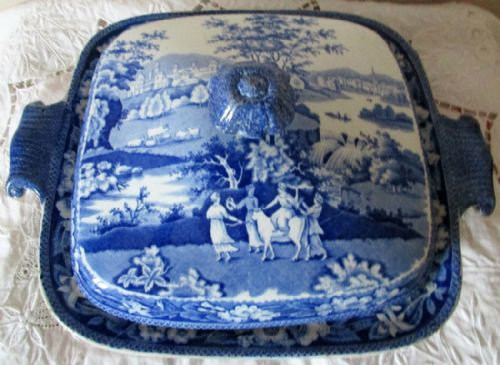
An antique vegetable server brings elegance to the dining table through silver plated tureens, ceramic dishes and specialist tongs.
Antique Vegetable Server
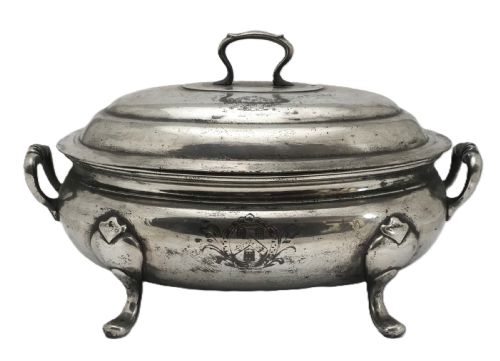
An antique vegetable server encompasses covered tureens, entree dishes and specialist serving utensils designed for the formal dining table. When exploring this selection, buyers encounter everything from earthenware pottery and porcelain vessels to substantial silver plated and sterling silver table pieces.
The objects span multiple centuries of dining customs, stretching from the Georgian and Regency eras through the Victorian and Edwardian periods into Art Deco designs. Earthenware transferware tureens and silver plated entree dishes represent the most common forms available on this page.
How they were made
Metal vessels utilise sterling silver, Old Sheffield Plate and electroplated nickel silver, often shaped into lidded entree dishes and asparagus tongs. Silversmiths applied techniques such as engraving and hand-raising to form these durable dining implements.
Pottery and porcelain pieces employ earthenware and ironstone bodies decorated with blue and white transfer printing, hand-applied glaze and occasional gold leaf highlights. Ceramic makers fired these wares at high temperatures to achieve durable surfaces suitable for daily service.
Materials range from earthenware pottery and porcelain to sterling silver, pewter, and silver plate.
What varies in quality
The calibre of a piece depends upon the crispness of the transfer print, the weight of the metal and the retention of silver plating over the underlying base metal. Superior examples exhibit balanced proportions, well-defined crests or armorial engravings and fully legible maker marks.
Artisanal skill dictates the finesse of applied handles, the alignment of lids and stands, and the depth of relief work on metal or ceramic surfaces. Well-preserved gilding and intact original stands elevate the standing of any serving dish.
James Wallace & Co·John and Richard Riley·Mappin and Webb·Matthew Linwood·William Hutton & Sons·Copeland & Garrett·Walker and Hall·Christofle / Gallia
The Antique Vegetable Server Glossary
- Entree dish
- A lidded serving vessel traditionally used for presenting side dishes or courses at the dinner table. These pieces often feature removable handles for versatile placement.
- Tureen
- A deep, bowl-shaped vessel equipped with a cover, intended for serving vegetables, soups or stews. They frequently sit upon matching ceramic or metal stands.
- Transferware
- Pottery decorated by applying a printed design from an engraved copper plate onto the ceramic body prior to glazing. This technique allowed for intricate pictorial scenes like pastoral landscapes.
- Old Sheffield Plate
- A composite material made by fusing a thin sheet of silver to a thick copper base. This early plating method produces a soft lustre unique to items from the Georgian period.
- EPNS
- Electroplated nickel silver, a common base metal foundation coated with a layer of pure silver using an electrical process. This method superseded older plating techniques during the Victorian era.
Antique Vegetable Server: Frequently Asked Questions
What is an entree dish used for?
An entree dish served to hold portions of vegetables or secondary courses at formal dining tables, keeping food warm beneath a fitted lid.
Many examples include a compartmented base or an accompanying stand to protect dining surfaces during service.
How do I clean silver plated servers?
Silver plated items require gentle washing in warm soapy water using a soft cloth, followed by thorough drying to prevent water marks.
Avoid harsh abrasive cleaners that can wear away the thin silver layer over the base metal.
Are transferware tureens safe for food?
Most antique ceramic tureens can hold food, though historic glazes on nineteenth-century pottery may contain trace materials.
Collectors generally use these pieces for dry presentation or display rather than acidic foods.
How can I tell a Georgian tureen from a Victorian one?
Georgian and Regency pieces often display hand-beaten silver or early transfer printing with neoclassical motifs, while Victorian items show heavier machine stamping and varied eclectic revival styles.
Maker marks and registration diamonds stamped into the metal or ceramic base provide precise chronological markers.