



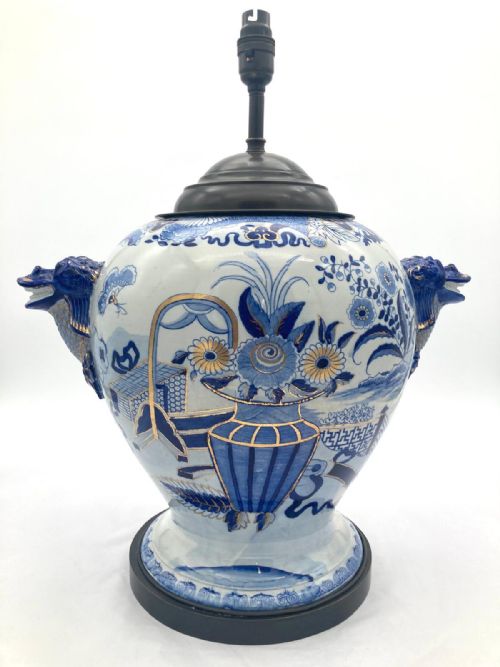
Antique Vase Lighting
Antique vase lighting brings historical ceramic and metal vessels into modern interiors by converting traditional vases, jars, and lustres into functional table lamps.
Antique Vase Lighting
Antique vase lighting transforms heritage vessels into functional table lamps, utilising bodies originally shaped as storage jars, decorative vases, or mantel lustres. Buyers searching for antique vase lighting encounter nineteenth-century pieces most frequently, alongside earlier eighteenth-century examples.
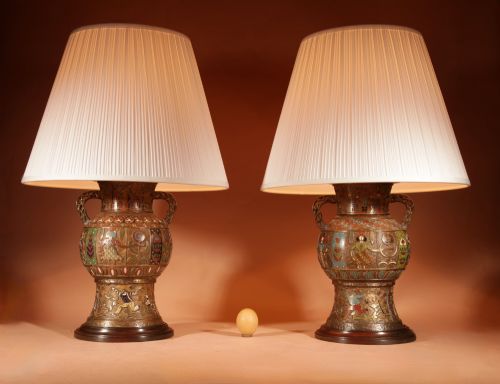
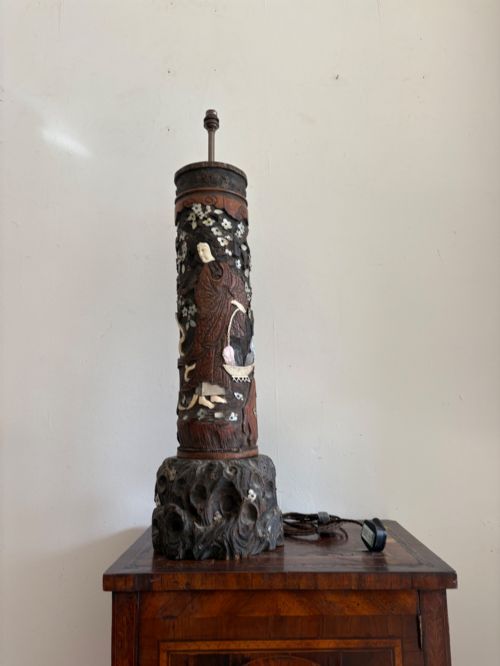
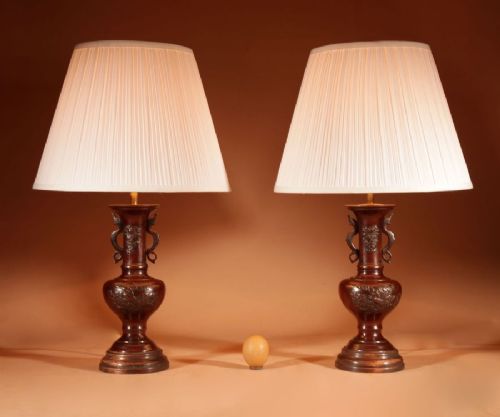
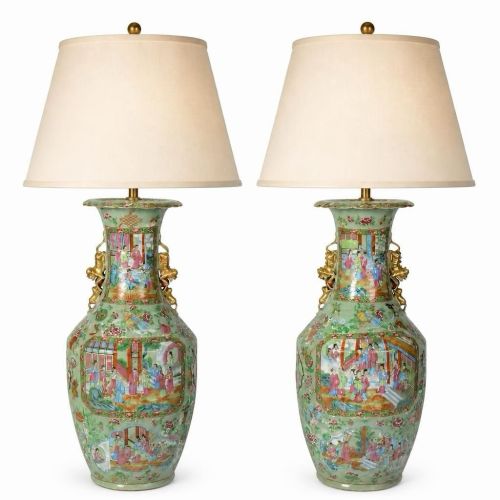
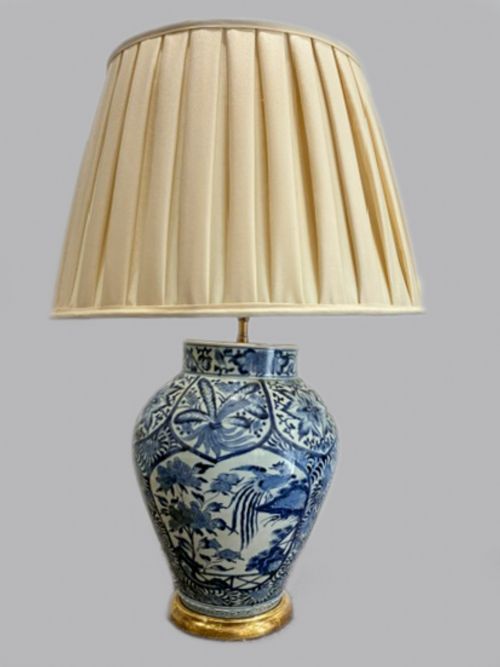
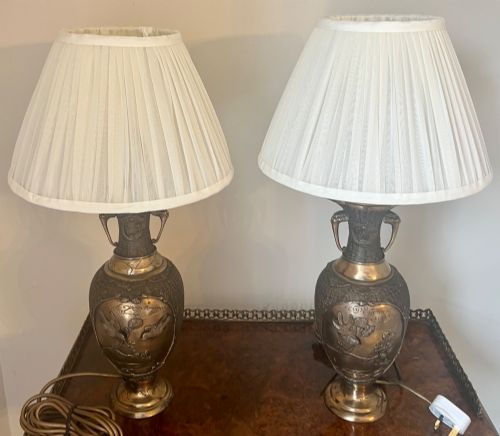
The conversion process adapts diverse forms, ranging from Japanese bronze and Satsuma vessels to English Victorian glass lustres and Chinese porcelain jars. These pieces bridge decorative arts and practical illumination, retaining their original hand-painted motifs or patinated surfaces while hosting modern electrical wiring.
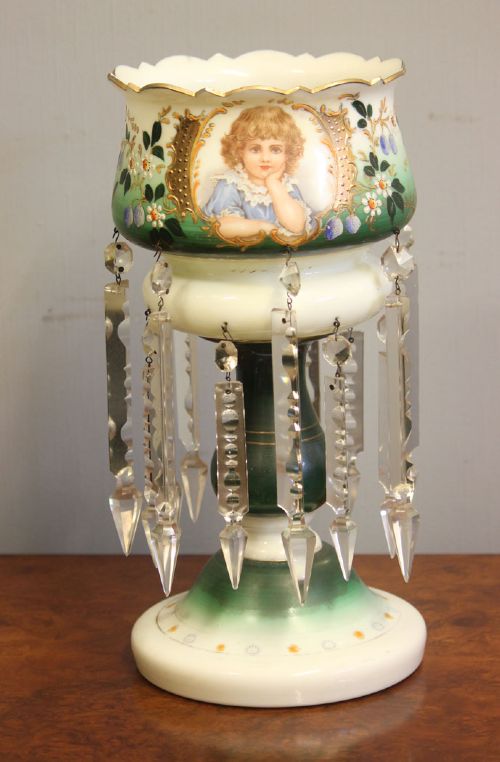
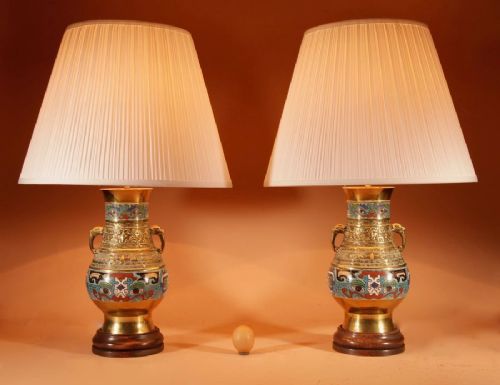
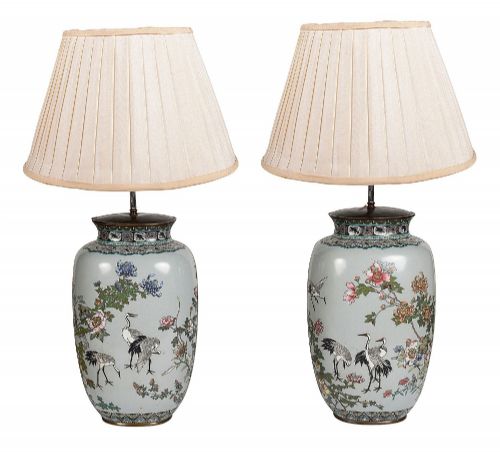
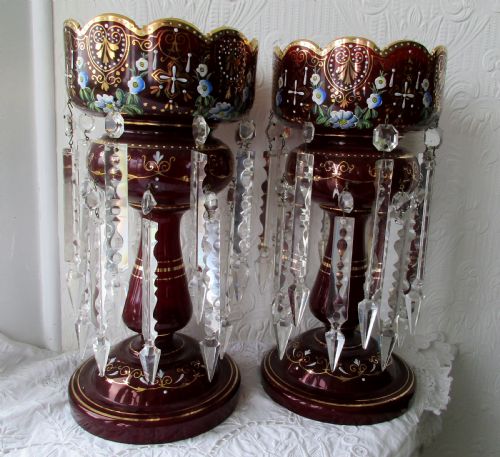
Victorian glass lustres fitted with glass drops appear alongside Chinese export porcelain and Japanese cloisonné and champlevé bronzes. Each variation offers a distinct aesthetic, whether the deep red and pink glass of nineteenth-century English makers or the intricate blue and white decoration of Chinese ceramics.
Materials and construction
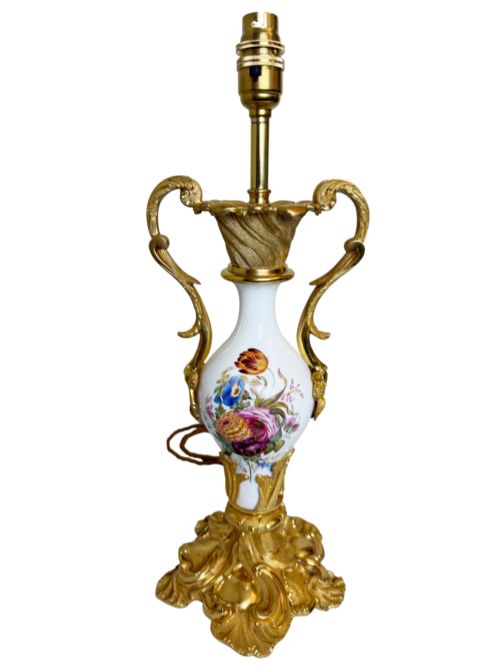
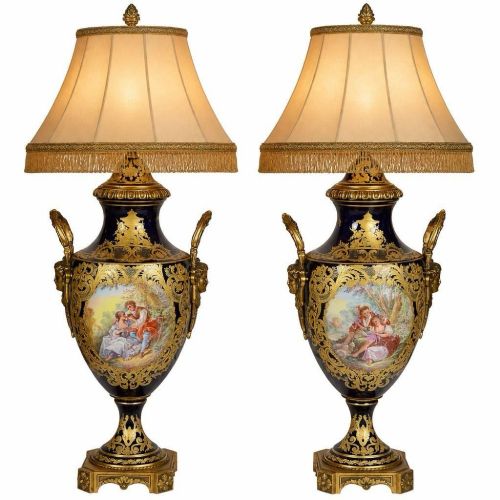
Construction relies upon combining traditional ceramic, glass, or bronze bodies with metal mounts in brass, gilt bronze, or ormolu. Artisans drilled existing vases, jars, and cassolettes to run internal wiring or fitted them securely with custom metal collars and bases.
Surface decoration encompasses hand-painted porcelain enamels, cloisonné wirework, and champlevé patterns on bronze. Glass pieces utilise layered ruby, pink, or yellow glass, sometimes complemented by hanging crystal prisms on mantel lustres.
Listings feature materials including brass, porcelain, fabric, wood, enamel, glass, bronze, and gilt across the nineteenth and eighteenth centuries.
Factors that distinguish quality
Quality rests upon the artistic merit and original condition of the underlying vessel, whether a finely painted Satsuma porcelain body or a heavy cast bronze dragon lamp. Superior examples maintain crisp surface details, vibrant hand-applied enamels, and harmonious proportions.
The integration of the conversion work dictates structural success, separating expertly mounted lamps from clumsy alterations. High-grade pieces retain their original mounts in ormolu or gilt bronze without compromising the integrity of the antique ceramic or glass.
The Antique Vase Lighting Glossary
- Mantel lustre
- A decorative glass or porcelain vase hung with cut glass prisms, often converted into a lamp. These pieces sat upon drawing room mantelpieces to reflect candlelight.
- Cloisonné
- An enamel technique where metal wire outlines compartments on a bronze or copper base, which are then filled with coloured paste and fired. This method creates intricate patterns across the body of the vessel.
- Champlevé
- A technique where troughs are gouged into a bronze or metal surface and filled with enamel before firing. The resulting design stands out against the patinated metal background.
- Satsuma
- Japanese earthenware decorated with intricate polychrome enamels and gilt highlights over a crackle-glaze finish. These ceramics frequently depict figures, flora, and fauna.
- Cassolette
- A decorative ornamental vase featuring a pierced cover that allows scent to diffuse, occasionally adapted into a lamp. French examples often employ marble mounted in ormolu.
- Sang de boeuf
- A rich, deep red ceramic glaze developed in China, prized for its glossy copper-derived coloration. Vases with this finish offer a striking monochromatic appearance.
Antique Vase Lighting: Frequently Asked Questions
What is antique vase lighting?
Antique vase lighting consists of historical vessels such as porcelain jars, bronze urns, and glass lustres that have been adapted into table lamps. These pieces retain their original decorative qualities while serving a practical modern purpose.
Such conversions allow collectors to display fine ceramics and metalwork within contemporary living spaces as functional lighting sources.
How do I identify the period of a vase lamp?
Dating relies upon examining the materials, decorative styles, and manufacturing techniques of the underlying vessel. For instance, nineteenth-century Japanese pieces often display Meiji period motifs, while English Victorian glass lustres exhibit distinct nineteenth-century mouldings and colours.
The metal mounts and any visible hardware added during the conversion process also provide clues regarding the era in which the adaptation took place.
Were these lamps originally made to provide light?
Most of these objects began life as decorative vases, storage jars, oil lanterns, or mantel lustres rather than electric lamps. They were subsequently converted at a later date to accommodate electrical fittings and wiring.
This adaptation breathes new life into antique vessels, turning purely decorative or ritual objects into everyday household lamps.
How should I care for a vase lamp?
Care requires dusting ceramic and bronze surfaces gently with a soft cloth and avoiding abrasive cleaning agents that might damage delicate hand-painted enamels or gilt highlights. Glass components and prisms benefit from careful cleaning with appropriate glass solutions.
Electrical cords and fittings should be inspected periodically by a qualified professional to ensure safety.