




Chinese Blue White Lamp
A chinese blue and white lamp brings centuries of ceramic artistry into a room, offering both soft illumination and striking cobalt patterns.
Chinese Blue White Lamp
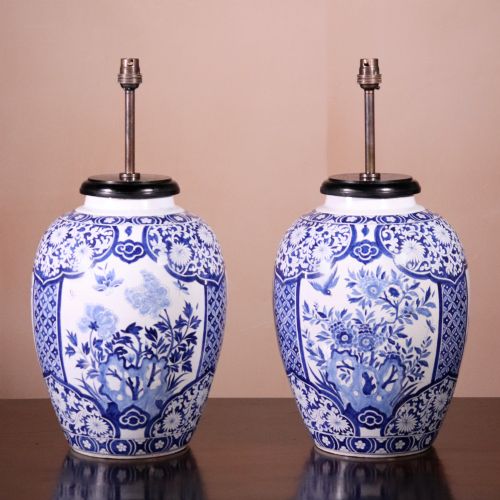
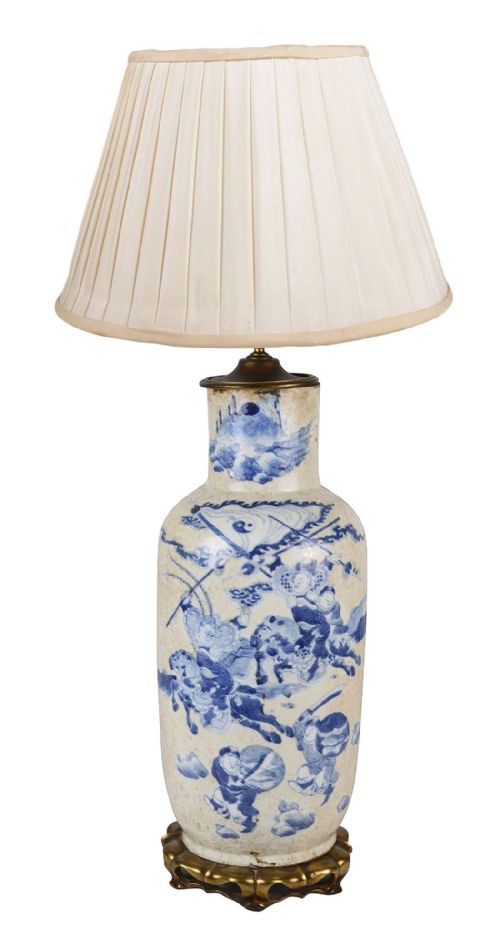
A chinese blue and white lamp transforms historic vessels into functional lighting for modern interiors. These pieces typically originate from the nineteenth century, utilising ginger jars, baluster vases, and crackleware vessels as their primary bodies.
Buyers most frequently encounter table lamps created from converted export porcelain and jar forms. These objects often pair traditional cobalt decoration with brass, gilt metal, and fabric shades to suit domestic settings.
Materials and construction methods
Potters shaped these bodies from ceramic and porcelain, applying cobalt pigments beneath a clear glaze before high-temperature firing. Artisans frequently mounted these ceramic bases onto brass or gilt bronze footings to secure the electrical components.
Makers adapted existing vessels by drilling the porcelain bases for wiring, occasionally combining silk or standard fabric shades with carved wood stands. This integration of historic ceramics with metal fittings defines the physical structure of each lamp.
Several ginger jars made unexpected second careers as illumination devices after decades holding exotic spices.
Assessing quality and craftsmanship
The distinction between tiers rests upon the crispness of the cobalt painting and the integrity of the porcelain body. Finer examples display deep, controlled cobalt tones and well-preserved glaze surfaces without heavy disturbance from the conversion process.
Mounting hardware and overall scale also influence the piece, with heavier bronze or brass mounts and balanced proportions marking superior examples. The harmony between the historic jar and the added electrical fittings determines the success of the conversion.
The Chinese Blue White Lamp Glossary
- Baluster
- A jar or vase form characterised by a bulbous lower portion and a narrower neck. This shape provides a stable and decorative base for table lighting.
- Ginger jar
- A covered storage vessel with a broad shoulders and straight sides, frequently adapted into lamp bodies. These jars display classic cobalt botanical or geometric motifs.
- Crackleware
- A type of pottery glaze featuring a network of fine decorative cracks across the surface. This textural finish appears on several nineteenth-century lamp bodies.
- Celadon
- A pale green jade-like glaze occasionally found combined with blue decoration on nineteenth-century vessels. It creates a subtle contrast to standard cobalt painting.
- Chinoiserie
- European artistic interpretations of Chinese decorative styles. This aesthetic influenced the mounting and display context of various export ceramics.
Chinese Blue White Lamp: Frequently Asked Questions
How do I clean a ceramic lamp base?
Wipe the porcelain gently with a soft, damp cloth to remove dust accumulation.
Avoid harsh chemical cleaners that might affect the historic glaze or the metal fittings.
Are these lamps wired for modern use?
Most examples arrive converted and wired for standard domestic electrical circuits.
Buyers should have older wiring inspected by a qualified electrician before regular use.
How do I identify a nineteenth-century piece?
Examine the ceramic body for the characteristic weight, cobalt tone, and glaze texture typical of the period.
Evidence often appears in the form of craquelure and traditional hand-painted prunus or floral motifs.
Can I change the lampshade safely?
Replacement shades can be fitted using standard harp and spider fittings matching the existing hardware.
Ensure the scale of the new shade complements the height and width of the ceramic base.