




Antique Ceramic Desk Light
An antique ceramic desk light brings heritage glaze and soft illumination to a study through converted vases, urns, and oil reservoirs.
Antique Ceramic Desk Light
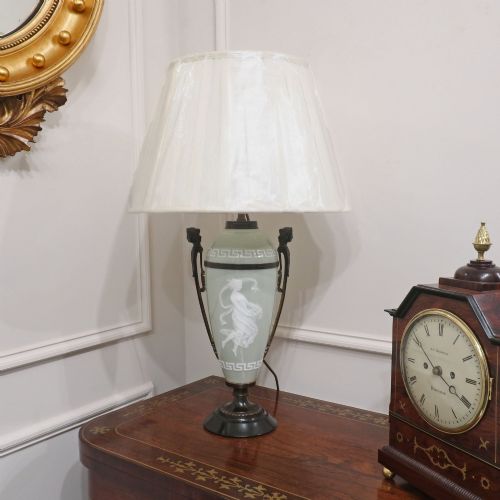
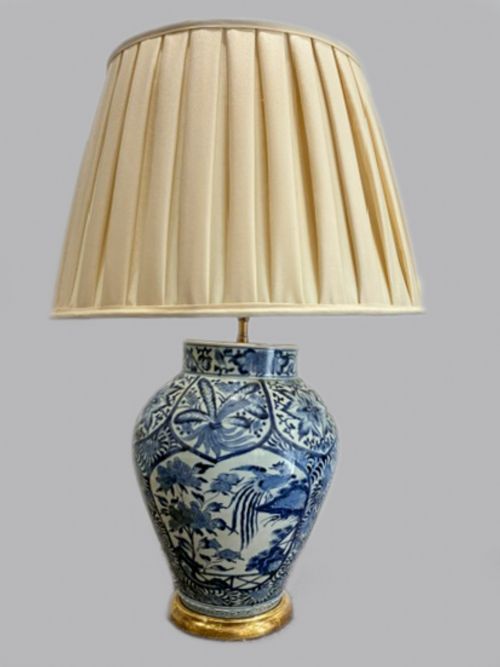
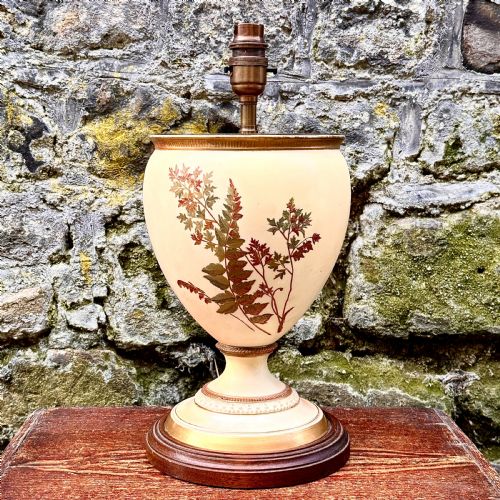
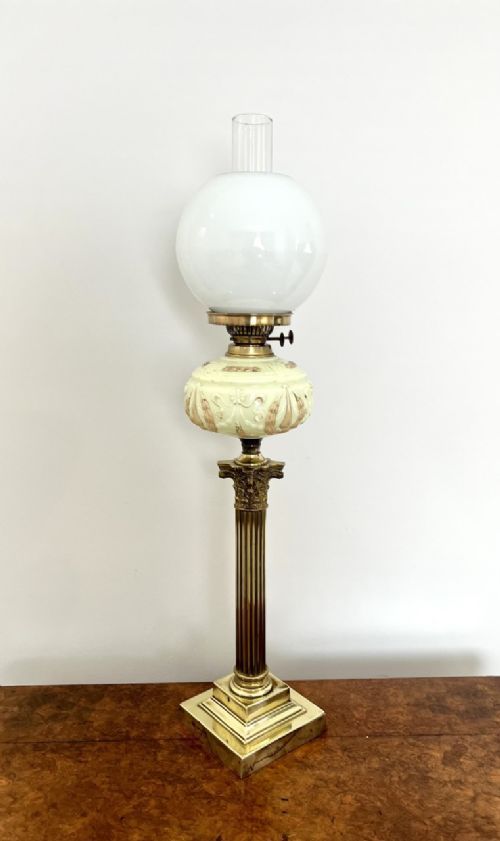
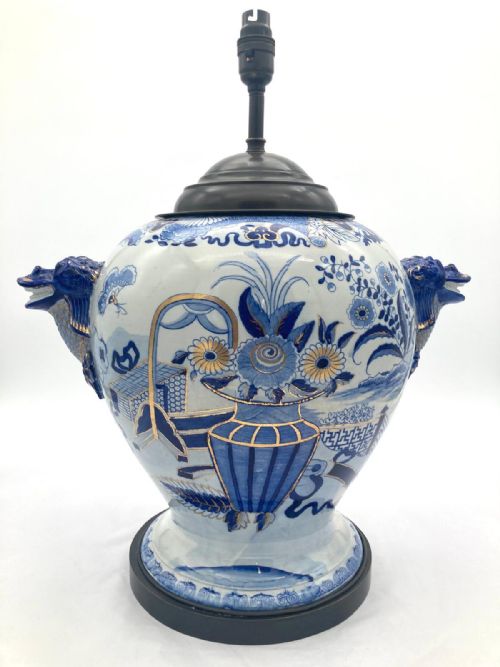
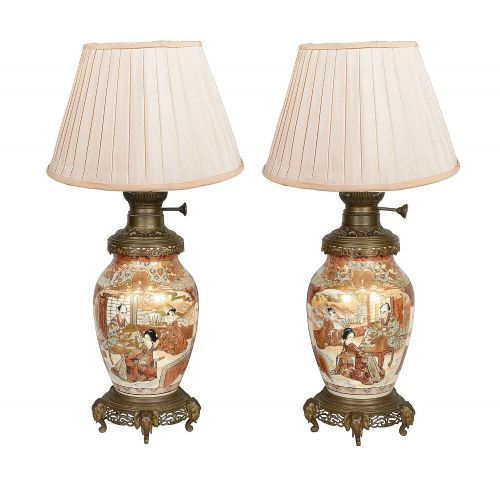
The antique ceramic desk light category largely comprises historic vessels adapted for illumination, ranging from converted Japanese Satsuma vases and Chinese ginger jars to Victorian oil lamps and porcelain figures. These items transition from decorative mantel pieces or functional domestic lighting into practical desk accessories through modern electrical conversion.
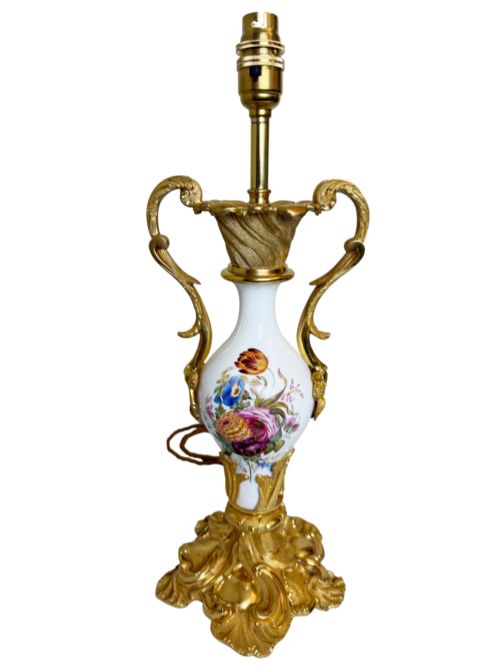
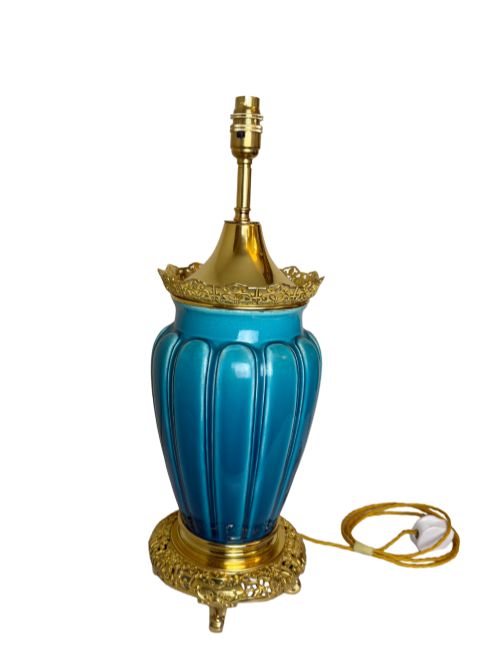
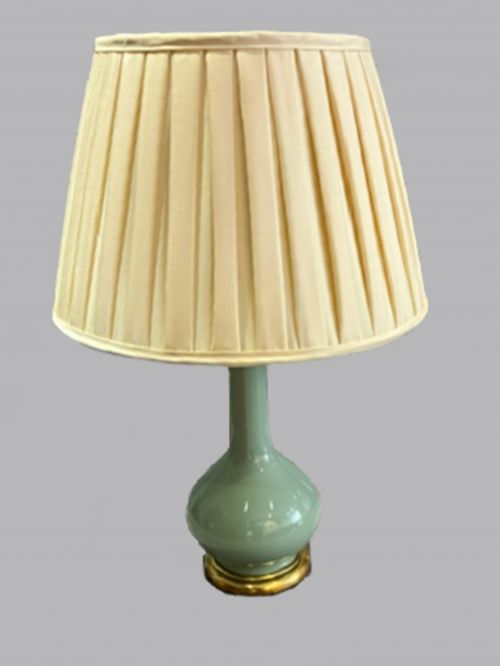
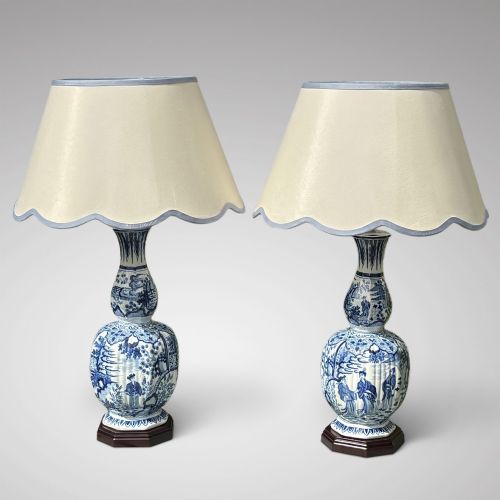
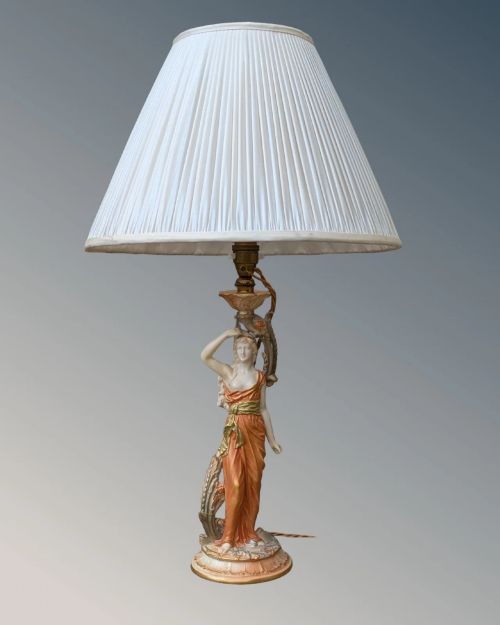
The pieces appearing on this page span several centuries and geographic origins, including 18th-century Delft earthenware, 19th-century French celadon, and 1920s Art Deco porcelain. Buyers frequently encounter table lamps and oil lamps that combine ceramic bodies with brass, gilt bronze, or ormolu mounts.
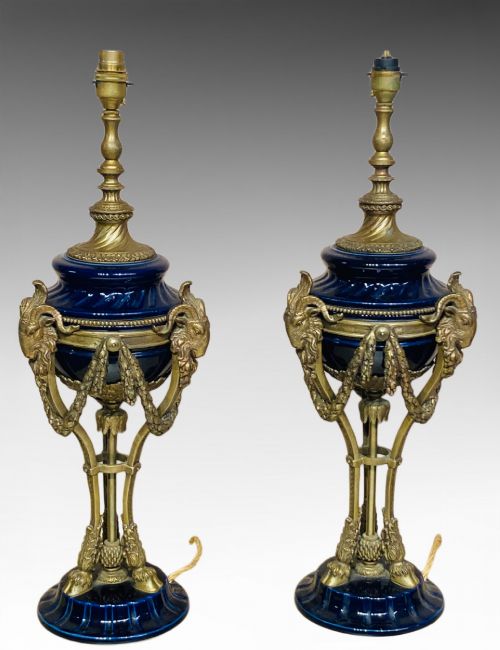
Common forms include baluster vases, figural representations such as German porcelain dogs and owls, and traditional blue and white vessels mounted on solid bases. Many examples survive as matched pairs, offering symmetry for larger writing desks or library tables.
How they were made
The bodies of these desk lights utilise traditional ceramic techniques including hand-thrown earthenware, moulded porcelain, and heavy ironstone, often finished with intricate hand-painted underglaze blue, famille verte, or polychrome enamels. Potters shaped these vessels centuries before conversion, relying on high-firing kilns to produce durable bodies intended originally for display or storage.
Metal mounts in brass, gilt bronze, and ormolu were cast and chased to secure the ceramic base and support the electrical fittings or oil burners. These metal components provide structural stability to the heavier stone and earthenware bodies, grounding the lamp for daily desk use.
Conversion work involves drilling through the base or utilising existing apertures to pass wiring safely through the historic ceramic body without compromising its structural integrity. Fabric and silk shades are frequently added to complement the period aesthetic of the glazed earthenware.
German porcelain Spitz dogs and fierce Foo lions stand ready to illuminate your paperwork with historic charm.
What varies in quality
The standard of the ceramic body and the precision of the hand-painting dictate the upper tier of these desk lights. Finer examples display crisp underglaze details, carefully controlled enamel colours, and undamaged glazes free from extensive firing flaws.
The integration of the metal mounts distinguishes superior work from ordinary adaptations. High-grade pieces employ crisply chased ormolu or solid brass fittings that complement the proportions of the ceramic vessel rather than overpowering it.
The faithfulness of the conversion process preserves the historic character of the original vase or oil lamp. Careful preservation of maker marks, unblemished ceramic surfaces, and stable mounting define the distinction between master adaptations and simple utilitarian changes.
Ernst Bohne Sohn·Royal Worcester·Hicks and Meigh
The Antique Ceramic Desk Light Glossary
- Celadon
- A pale green jade-like ceramic glaze originating in East Asia. This glaze often coats heavy stoneware or porcelain bodies dating from the 18th and 19th centuries.
- Ormolu
- Gilded brass or bronze used for decorative mounts and decorative bases. Makers apply this metalwork to support porcelain and earthenware lamp bodies.
- Famille Verte
- A Chinese porcelain palette dominated by green enamel colours. Artisans used this style during the Qing dynasty and later reproduction periods.
- Majolica
- A type of earthenware coated with an opaque tin glaze and brightly coloured enamel decoration. This technique appears frequently on 19th-century Victorian and Edwardian pieces.
- Pate Sur Pate
- A ceramic decoration technique where liquid clay is applied in successive layers to create a low relief cameo effect. This method appears on fine 19th-century European porcelain lamps.
Antique Ceramic Desk Light: Frequently Asked Questions
Are these lamps safe for daily desk use?
Most antique ceramic desk lights have been converted or rewired to accommodate modern electrical standards, allowing safe daily operation in a study or office environment.
Buyers should nevertheless inspect the internal wiring and consult a qualified electrician to ensure the lamp meets current safety regulations before regular use.
How do I distinguish between original oil lamps and converted vases?
Original oil lamps generally retain built-in metal reservoirs, wick mechanisms, and heavy brass or glass bases designed specifically for combustion fuel. Converted vases show evidence of later drilling through the ceramic base to accommodate electrical cords and lamp holders.
Both forms offer equal utility on a desk, but their manufacturing origins differ significantly.
Can I replace the fabric shade safely?
Fabric and silk shades on antique desk lights are frequently later replacements designed to match the period style of the ceramic base. You can easily swap these shades to suit your interior lighting preferences.
Ensure that any replacement shade matches the gallery or harp fitting securely and uses appropriate bulb wattage.
How do I identify the period of a ceramic base?
Dating relies on stylistic clues such as the glaze colours, hand-painted motifs, and any visible maker marks or factory stamps on the ceramic underside. Comparing the form to known Qing dynasty, Japanese Meiji, or Victorian design patterns helps narrow the manufacturing era.
Metal mounts also provide clues, as ormolu and brass casting styles shifted distinctly between the 18th and early 20th centuries.