
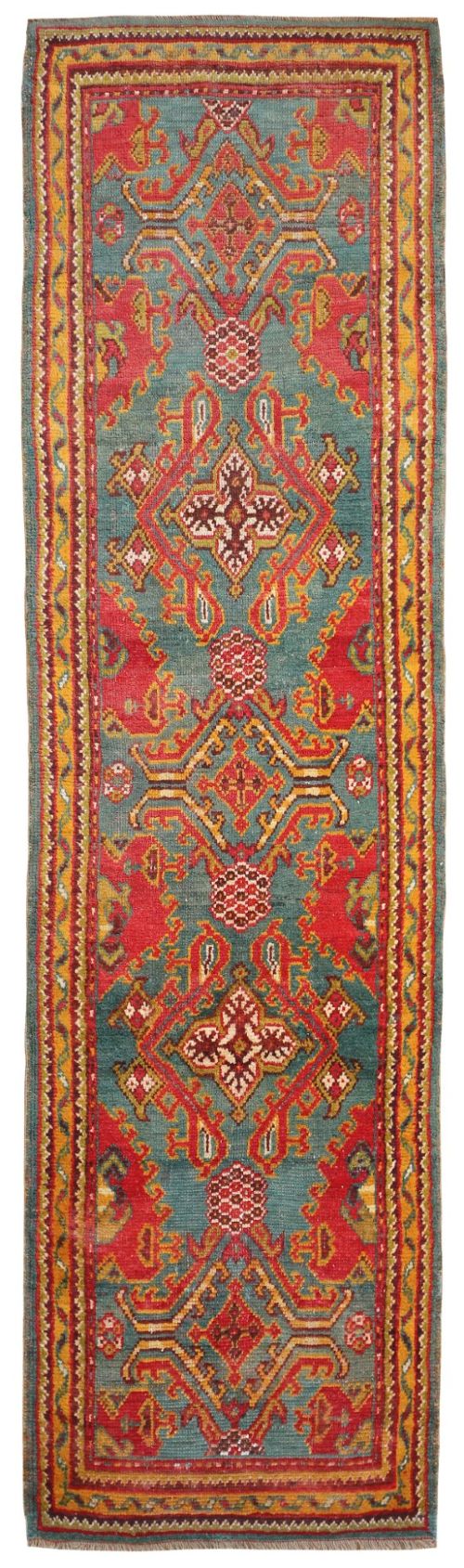



Antique Ushak Carpet
An antique ushak carpet brings grand scale and muted, glowing colour to a room, woven in western Turkey to anchor historic interiors.
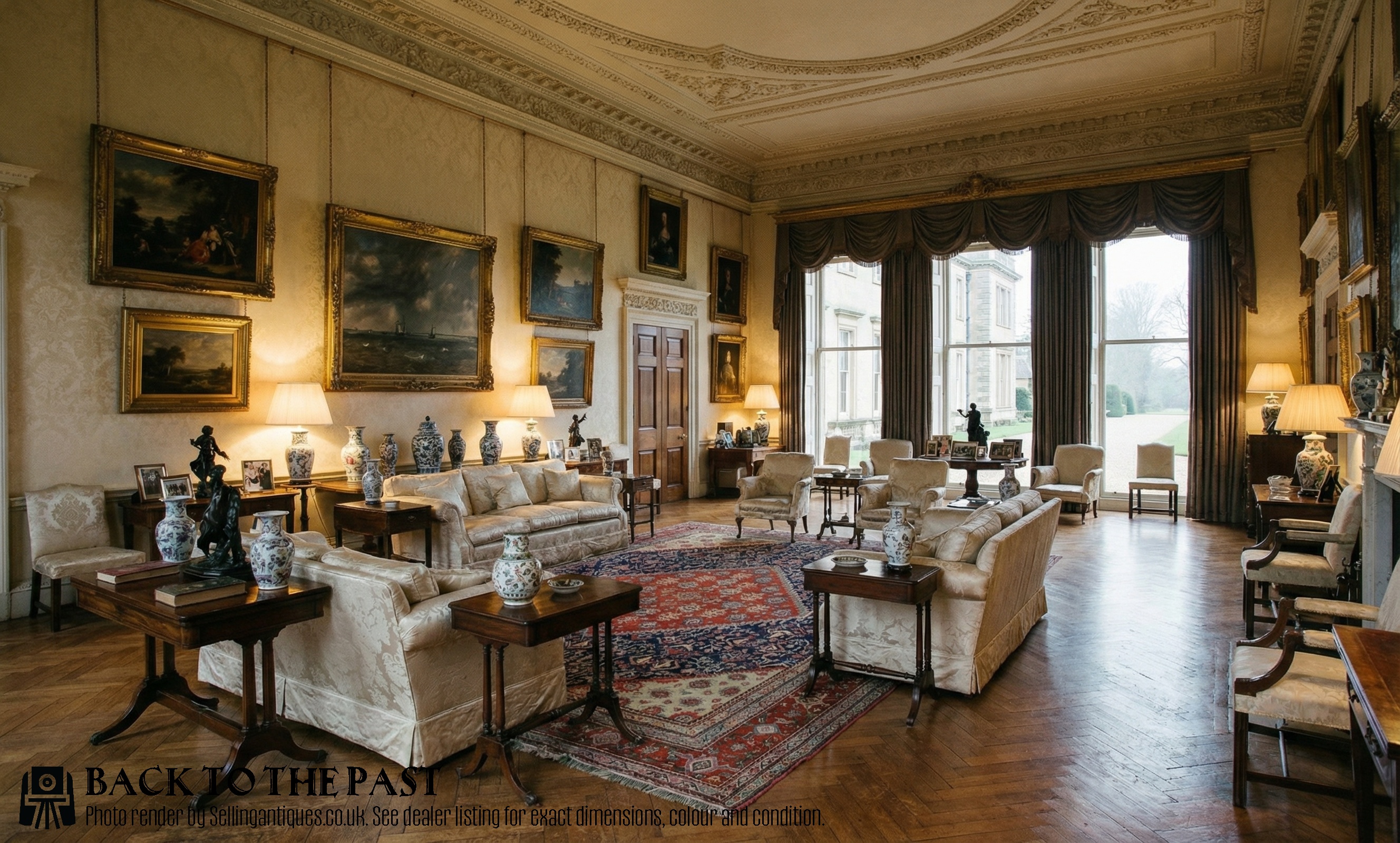
Antique Ushak Carpet
The antique ushak carpet is a woven floor covering originating from western Turkey, known for generous room-sized proportions and large-scale geometric or floral motifs. Pieces appearing here span the late nineteenth century and the early decades of the twentieth century, reflecting the classic Ottoman weaving tradition.
Buyers will encounter large decorative formats, square dimensions, and elongated runners, alongside fragmentary pieces and specific star ushak designs. These floor coverings bridge grand country house interiors and refined urban spaces through balanced composition.
Originating predominantly from Anatolia, these textiles display distinct regional characteristics that evolved through the Ottoman period. The grouping includes works described under various spellings of the weaving centre, linking Turkish Oushak with broader Anatolian traditions.
Materials and construction
These floor coverings utilise natural wool and cotton fibres, with specialised examples incorporating softer angora wool for a tactile pile. Foundations rely on sturdy cotton warps and wefts to support the dense hand-knotted structure.
Weavers in Anatolia worked within established Ottoman workshops and village settings, employing hand-knotting techniques passed down through generations. The combination of resilient wool and stable cotton foundations ensured durability across large room formats.
Antique Ushak Carpet Retail Price Guide 2026
Typical asking prices for ushak carpet among the pieces listed under this phrase on Sellingantiques today, from the lower quarter to the upper quarter. They describe what is for sale here now, not the wider market.
Listings for the antique ushak carpet span production years from 1880 to 1920, incorporating wool, cotton, and angora wool materials.
Distinctions in quality
The distinction between standard examples and exceptional pieces rests upon the handling of dye saturation and the complexity of the design layout. Finer textiles exhibit harmonious colour palettes and balanced proportions that draw the eye across the entire field.
Material selection also dictates the grade of the piece, where fine angora wool creates a softer hand and a subtle lustre compared to standard wool. The integrity of the border fragments and the precision of star ushak medallions further elevate individual examples.
The Antique Ushak Carpet Glossary
- Ushak
- A town in western Turkey renowned for producing large-scale decorative carpets with distinctive prayer and medallion designs. These textiles became famous for their soft, luminous colour palette.
- Anatolia
- The geographic region forming the Asian part of Turkey, historically central to carpet weaving traditions. It encompasses numerous weaving villages and urban centres.
- Angora wool
- A fine, soft fibre obtained from angora goats, utilised in select rugs for a characteristic silky pile. It imparts a gentle sheen to the surface of the weave.
- Warp
- The vertical threads stretched on the loom that form the structural foundation of the carpet. The knotted pile is tied around these parallel strands.
- Weft
- The horizontal threads passed between the warp threads to secure the knots in place. This technique binds the rows together to form a stable textile.
Antique Ushak Carpet: Frequently Asked Questions
How do I place a large ushak carpet in a modern room?
These large-scale floor coverings work well when given ample breathing room on hardwood or stone floors. Allow sufficient exposed flooring around the edges to frame the piece properly.
Keep surrounding furniture neutral to let the muted tones and generous patterns of the weave take centre stage without visual competition.
What is the difference between an oushak and a ushak carpet?
Oushak and ushak refer to the exact same weaving tradition from western Turkey, with the spelling simply varying according to historical transliteration preferences.
Both terms describe carpets produced in or around the same Anatolian centre, sharing identical stylistic characteristics and structural materials.
How should I care for an antique wool carpet?
Vacuum the piece gently on a low setting without a rotating brush roll to protect the historic pile from unnecessary friction and pull damage.
Rotate the textile periodically to ensure even wear patterns from foot traffic and sunlight exposure across the room.
How can I tell a Turkish carpet from other origins?
Turkish carpets display specific Anatolian design motifs, distinct colour palettes dominated by terracotta and soft greens, and traditional wool-on-cotton foundations.
Examining the knot structure and structural materials provides clear evidence of regional western Turkish production methods.