





Antique Urn Stand Plinth
An antique urn stand plinth elevates sculpture, marble, and garden vessels with classical presence.
Antique Urn Stand Plinth
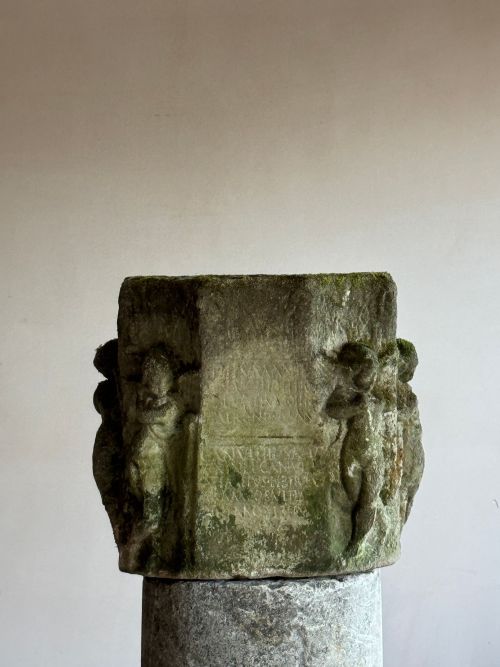
An antique urn stand plinth serves to elevate garden urns, classical sculpture, and decorative vessels within domestic and outdoor settings. These pieces range from substantial stone garden pillars to finely timbered indoor display stands.
The selections encountered here span the eighteenth, nineteenth, and early twentieth centuries, encompassing styles from Neoclassical and Gothic Revival to Italian Baroque. Indoor variations frequently utilise polished timbers like mahogany, walnut, and rosewood, whilst outdoor iterations employ cast iron, terracotta, stoneware, and composite stone.
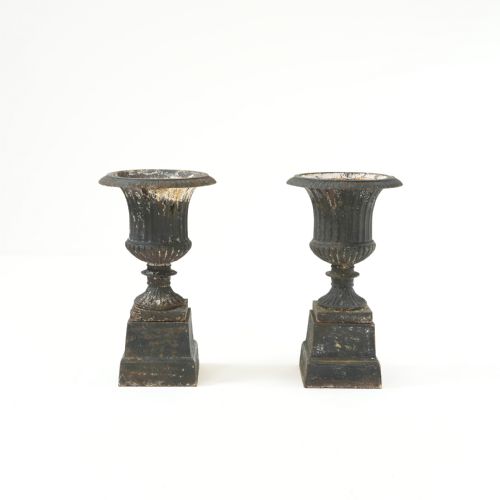
Buyers frequently encounter pedestals, columns, and torcheres designed specifically to support busts, tazzas, and campana urns. Such pieces provide architectural grounding for decorative objects, whether placed in a hallway or positioned on a terrace.
How they were made
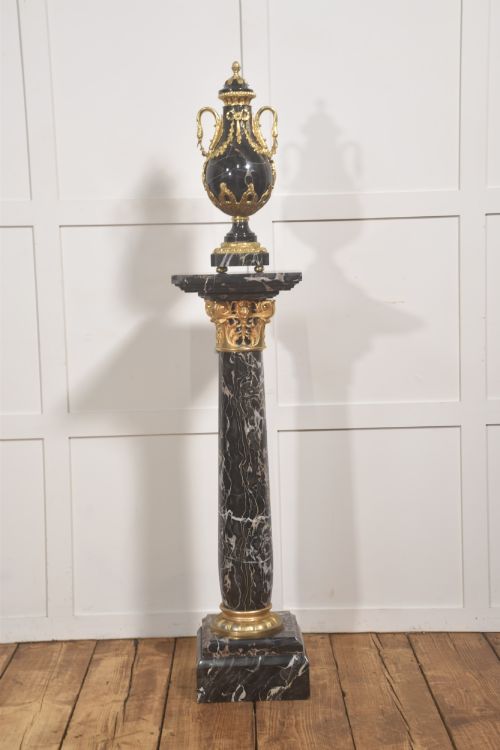
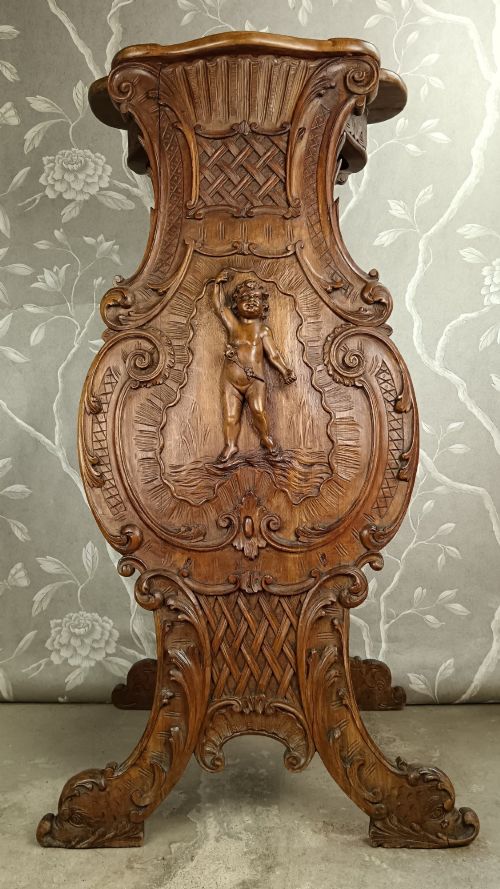
Cabinetmakers utilised dense hardwoods including mahogany, walnut, and rosewood for indoor stands, often employing intricate carving and inlaid details. Marble and ormolu mounts were frequently integrated into nineteenth-century works to achieve a refined neoclassical appearance.
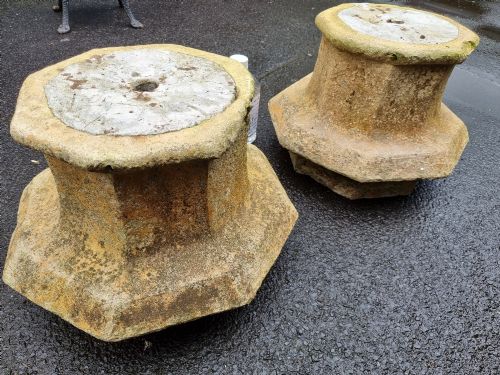
Outdoor plinths and urn stands relied on durable casting and carving techniques utilising cast iron, stoneware, composite stone, terracotta, and cast stone. These heavier materials were built to withstand weathering while maintaining classical proportions and decorative acanthus or architectural detailing.
Antique Urn Stand Plinth Retail Price Guide 2026
Typical asking prices for urn stand plinth among the pieces listed under this phrase on Sellingantiques today, from the lower quarter to the upper quarter. They describe what is for sale here now, not the wider market.
Styles represented across the selection include Neoclassical, Gothic Revival, Italian Renaissance Revival, and Victorian garden aesthetics.
What varies in quality
The distinction between ordinary and superior examples lies in the depth and crispness of the carving, whether executed in timber or stone. Finer nineteenth-century stands exhibit carefully balanced proportions and harmonious material pairing, such as marble columns accented with ormolu mounts.
Structural integrity and material selection dictate overall merit, particularly in pieces designed to support heavy marble busts or cast iron campana urns. Superior craftsmanship is evident in concealed engineering, such as secret compartments within carved wood pedestals, and the precise turning of columnar shafts.
Dunfermline Clay Company
The Antique Urn Stand Plinth Glossary
- Campana urn
- A bell-shaped garden vessel typically mounted upon a matching plinth or base. These classical forms originated in ancient Rome.
- Torchere
- A tall stand designed to support a light source, candle, or small decorative sculpture. In nineteenth-century interiors, these were often carved from marble or exotic timbers.
- Triform
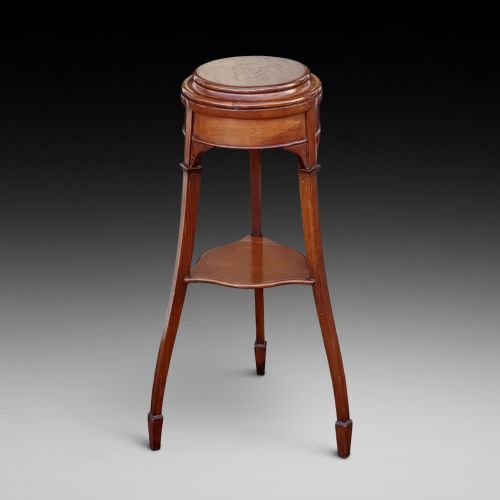
- A pedestal base featuring three sides or supporting feet. This configuration provides stable geometric balance for classical display stands.
- Ormolu
- Gilded bronze mounts applied to furniture and decorative objects during the eighteenth and nineteenth centuries. The technique adds metallic brilliance to marble and mahogany surfaces.
- Tazza
- A shallow saucer-like vessel or cup mounted on a stem and foot. They frequently appear paired with dedicated display stands.
Antique Urn Stand Plinth: Frequently Asked Questions
What fits on an antique urn stand plinth?
These sturdy bases accommodate heavy garden urns, carved stone busts, cast iron campana vessels, and decorative tazzas. Indoor stands are well-suited for displaying art pottery, bronze figures, or bronze sculptures.
Selecting a stand requires matching the weight capacity and top dimensions of the plinth to the base of the object you intend to display.
Where should I place a stone plinth?
Weather-resistant stone, terracotta, and cast iron plinths perform reliably in gardens, courtyards, and conservatories. Their robust material composition withstands outdoor elements while anchoring architectural garden schemes.
Indoor spaces benefit from polished marble, mahogany, and rosewood pedestals positioned in hallways, living rooms, or entrance foyers to create focal height.
How do I date a nineteenth-century pedestal?
Dating relies on observing material conventions, revival styles, and construction techniques associated with periods like the Victorian era or Edwardian years. Neoclassical motifs and ormolu mounts often point toward the earlier part of the nineteenth century.
Secondary timber usage, hand-carving depth, and casting marks provide further clues to whether a piece originates from the Georgian transition or later nineteenth-century revivals.
Can wooden stands hold heavy stone items?
Hardwood pedestals fashioned from mahogany, walnut, or oak possess substantial load-bearing strength designed for heavy display items. However, delicate or inlaid rosewood stands are better reserved for lighter sculptures and bronzes.
Inspecting the internal construction and triform base stability ensures the stand can safely support dense marble or ceramic pieces without tipping.