
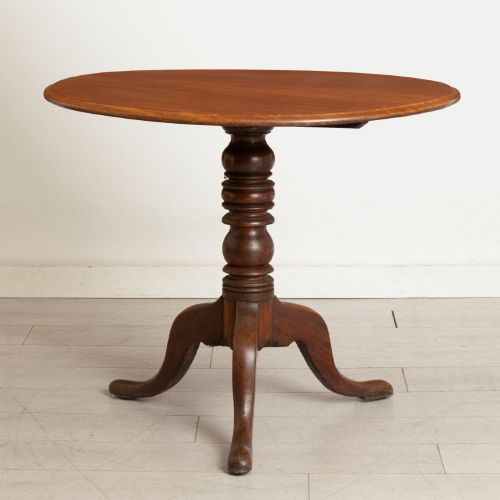
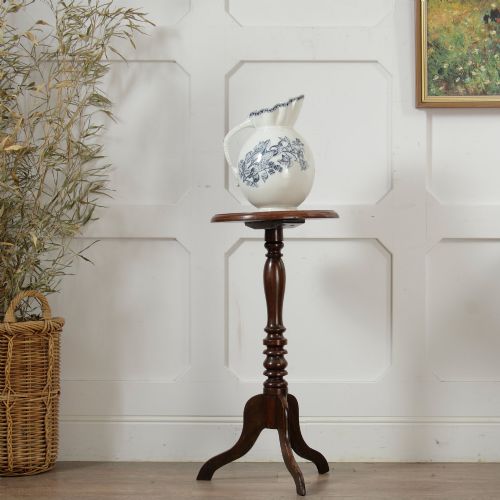
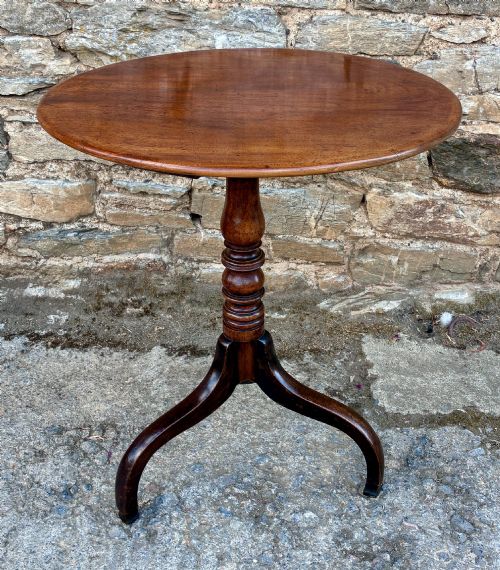
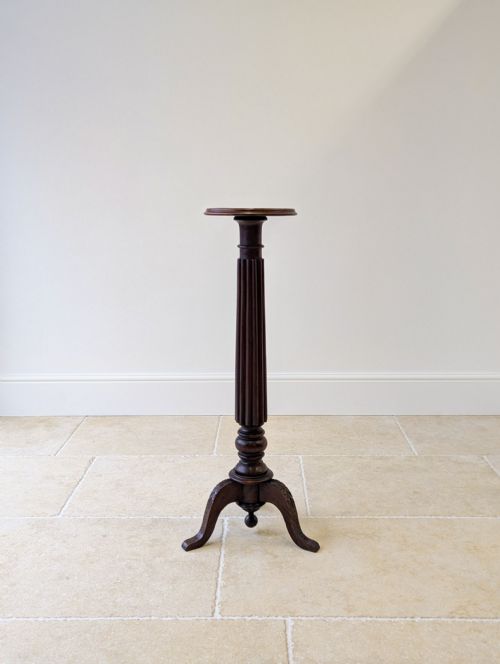
19th Century Column Stand
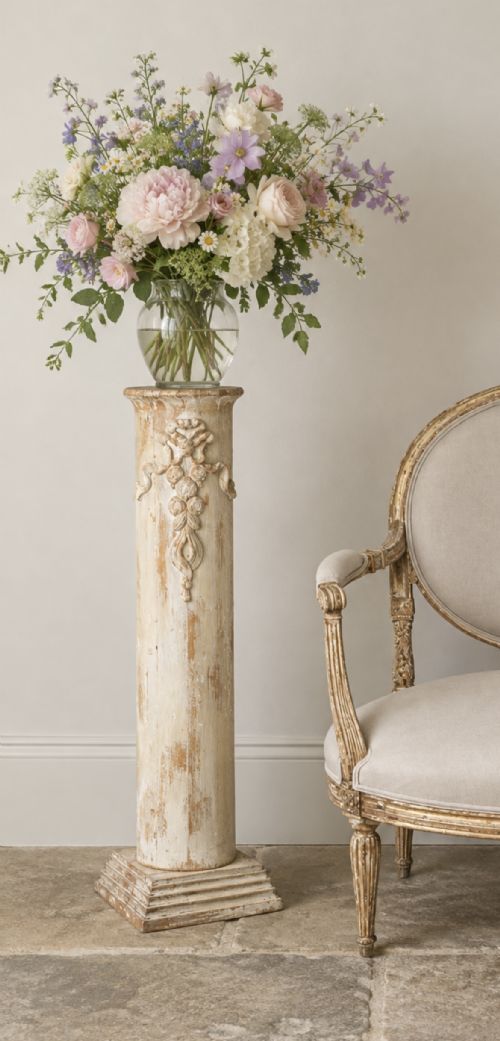
A 19th century column stand brings classical architecture indoors, offering height and dignity to display lamps, sculpture and plants.
19th Century Column Stand
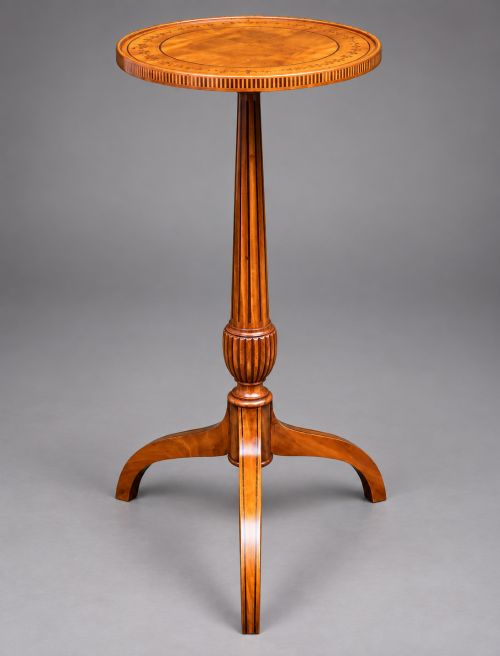
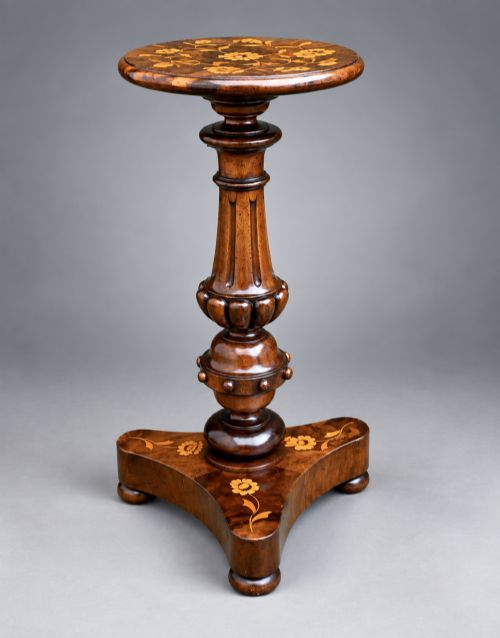
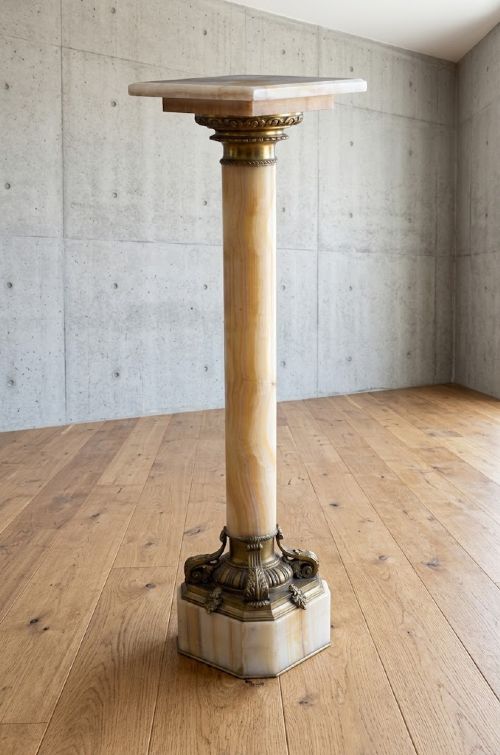
A 19th century column stand functions as an elevated platform for decorative objects, taking forms such as torcheres, pedestals, and plant stands. These items draw on historical vocabularies, appearing in Neoclassical, Regency, and Victorian iterations.
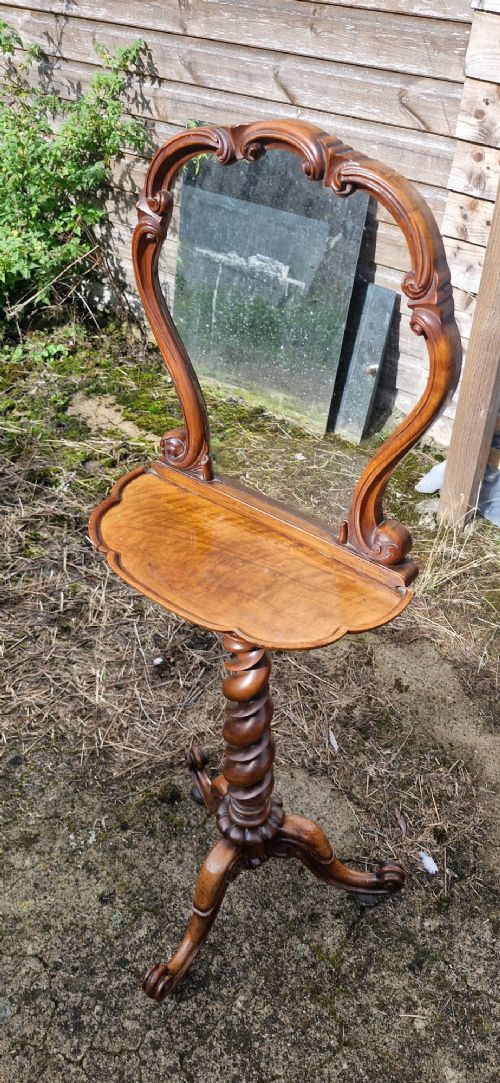
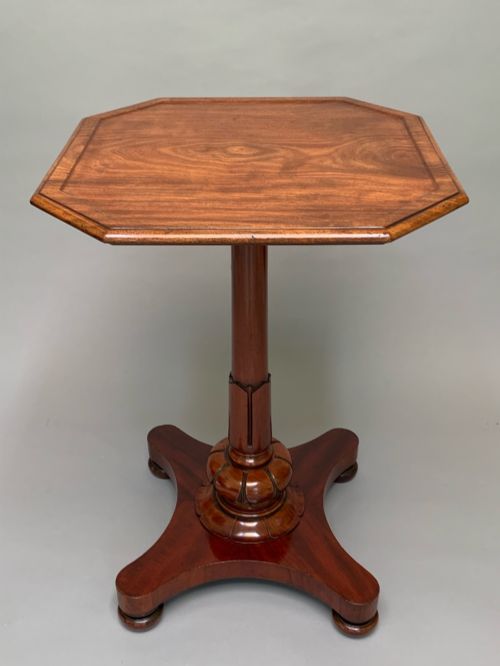
The pieces on this page span the 19th century, incorporating related side tables, occasional tables, and whatnots that share a vertical emphasis. Originating from English, French, Italian, and Swedish makers, they serve practical display functions in domestic interiors.
Materials and construction methods
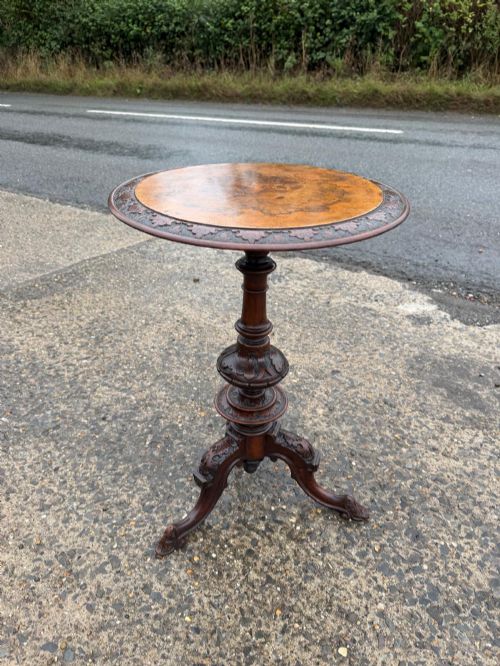
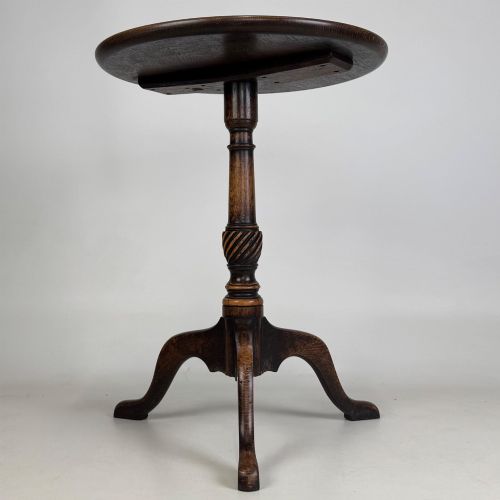
Cabinet makers utilised dense hardwoods like mahogany, walnut, oak, and satin birch, often applying burr wood veneers or boxwood stringing for surface pattern. Structural stability relied on tripod bases, turned columns, and pedestal supports.
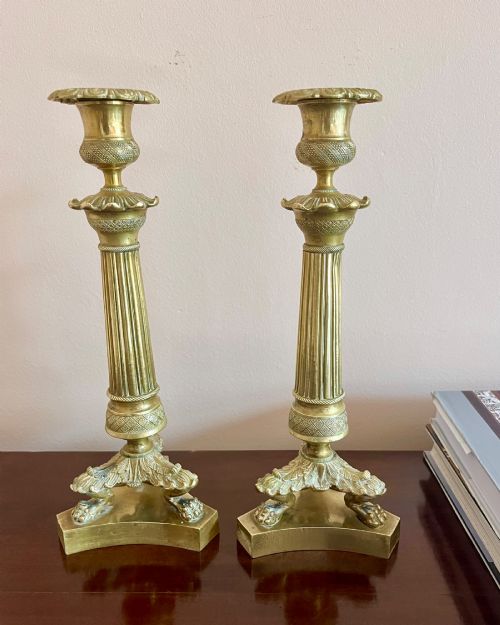
Makers also turned to alternative mediums, incorporating brass, bronze, cast iron, and ormolu mounts alongside carved stone, marble, alabaster, scagliola, and terracotta. Ebonised wood and paint finishes provided painted or faux marble effects.
The records show 19th century column stands constructed from walnut, mahogany, oak, brass, marble, terracotta, and cast iron.
Distinctions in quality
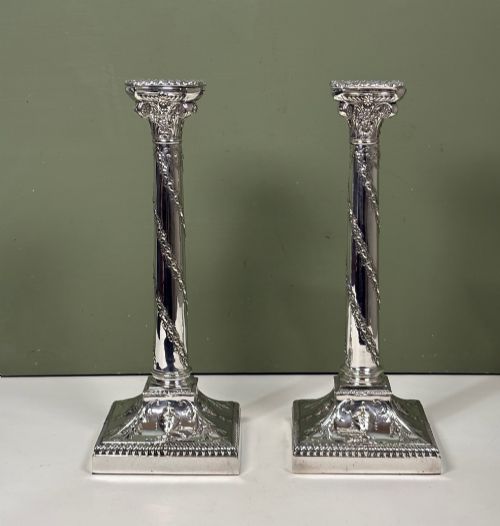
The standard of a 19th century column stand depends on the precision of the carving, the selection of figured timbers like burr wood, and the weight of materials such as marble and bronze. Finer examples display crisply defined architectural capitals and balanced proportions.
Execution of secondary details, including ormolu collars, boxwood stringing, and applied figures, separates standard utilitarian pieces from exceptional grand tour or country house commissions.
The 19th Century Column Stand Glossary
- Whatnot
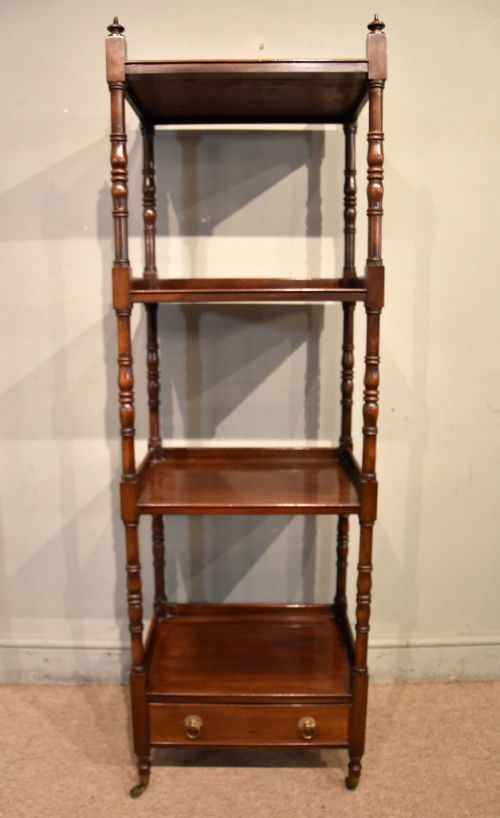
- A piece of furniture comprising multiple open shelves for displaying ornaments or books. Examples on record range from small occasional items to multi-tiered variants.
- Scagliola
- A composite material made from selenite, glue, and pigments, applied to mimic marble and other fine stones. It appears frequently on grand tour columns.
- Ormolu
- Gilded bronze used for decorative mounts and collars on furniture and stands. The technique adds metallic contrast to wooden and marble columns.
- Boxwood-strung
- Inlaid with narrow lines of contrasting pale boxwood to outline panels and tabletops. This technique defines finer Regency cabinet work.
19th Century Column Stand: Frequently Asked Questions
What is a torchere stand?
A torchere is a tall, slender stand historically used to hold a candle or oil lamp. They evolved into decorative supports for plants, busts, and lighting.
These pieces use height to draw the eye upward and occupy minimal floor space in a room.
How do I use a column stand at home?
Column stands provide sturdy platforms for displaying table lamps, urns, bronzes, and potted plants. Placing them in corners or empty hallways introduces architectural height to an interior.
Heavier marble or stone versions suit heavier sculptures, while wooden torcheres complement lighter decorative objects.
What materials were used for these stands?
Makers constructed these pieces from a wide range of materials, including mahogany, walnut, oak, and ebonised wood. Metal components like brass, bronze, and cast iron appear alongside stone, terracotta, and scagliola.
Some surfaces feature painted faux marble finishes or delicate boxwood stringing.
How do I identify a Regency column stand?
Regency stands often display Neoclassical influences, incorporating classical columns, tripod bases, and precise mahogany veneers. They date from the early part of the nineteenth century.
Design elements include boxwood stringing, architectural capitals, and clean geometric lines.