
Antique Upholstered Seating
These antique upholstered seating pieces span centuries of domestic comfort, offering enduring craftsmanship and rich materials for everyday use.
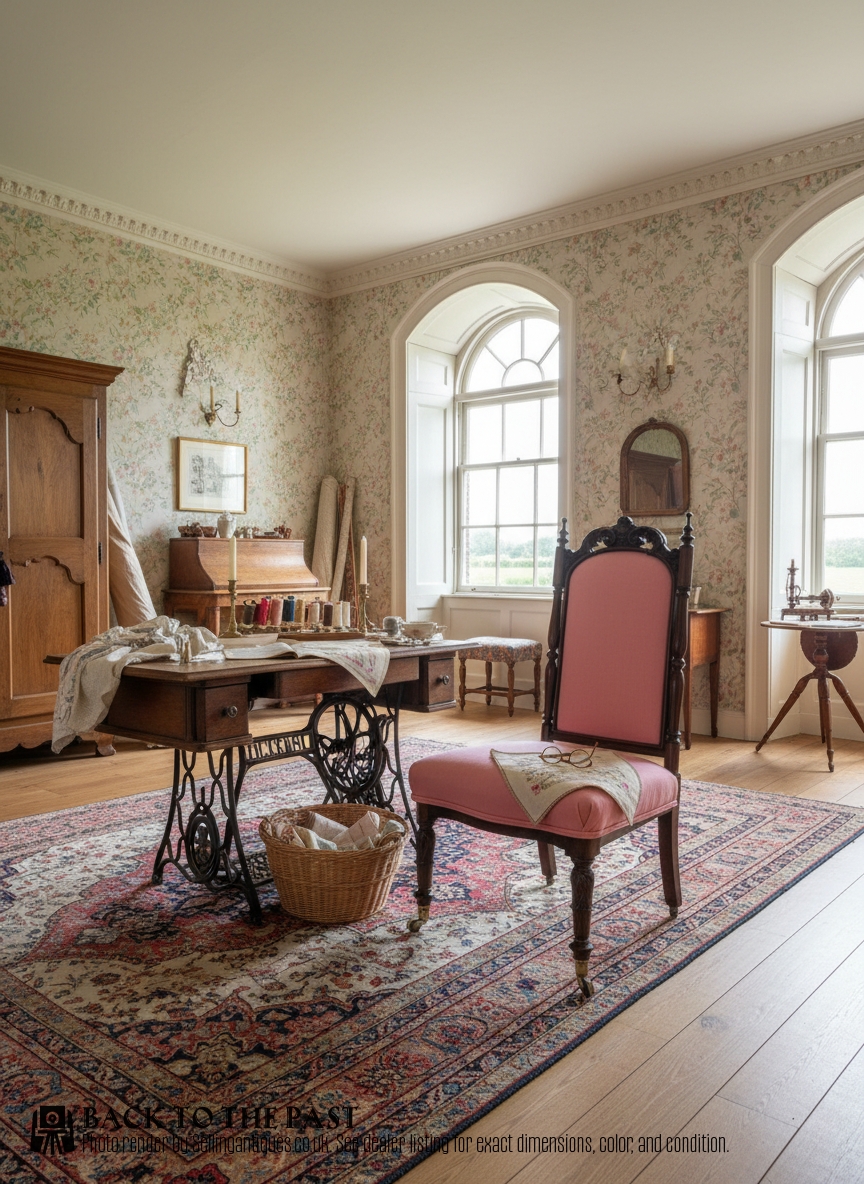
Antique Upholstered Seating
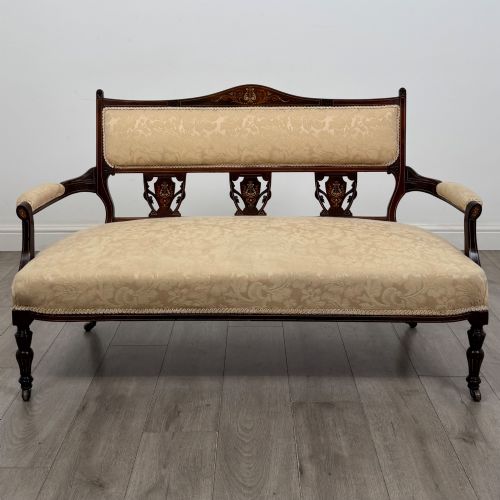
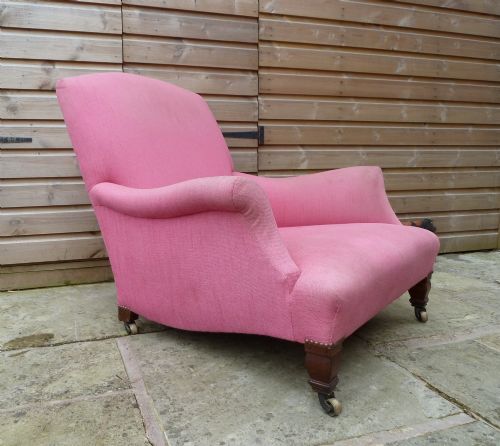
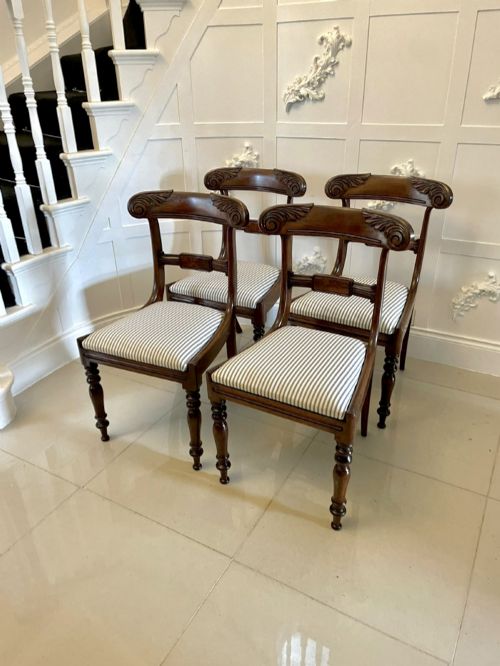
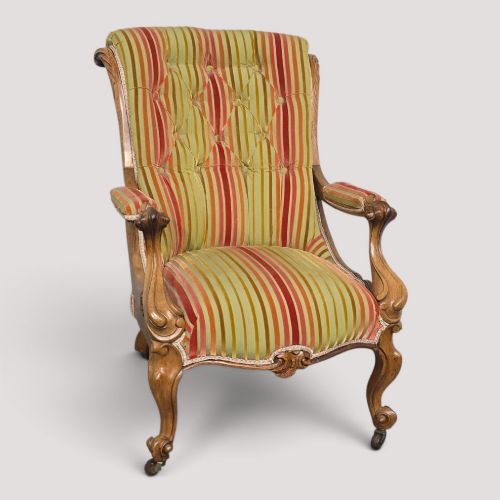
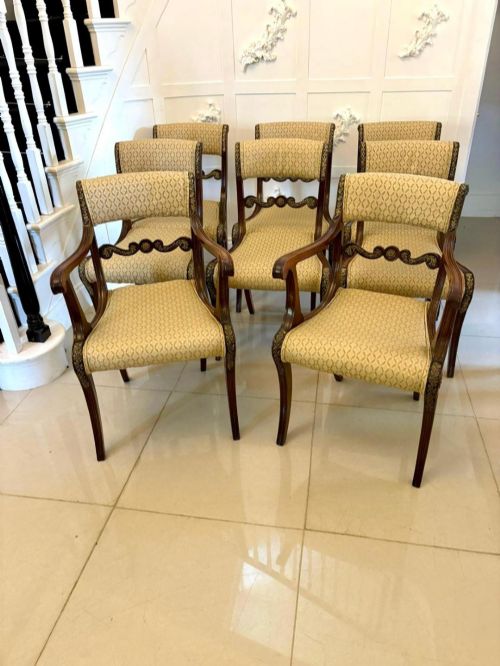
Antique upholstered seating encompasses a wide variety of domestic forms designed for comfort and display, ranging from single armchairs to expansive sets of dining chairs. When exploring antique upholstered seating, buyers frequently encounter dining chairs, armchairs, and settees originating from the eighteenth, nineteenth, and early twentieth centuries. These forms reflect the changing social habits of their eras, moving from formal dining arrangements to relaxed fireside seating.
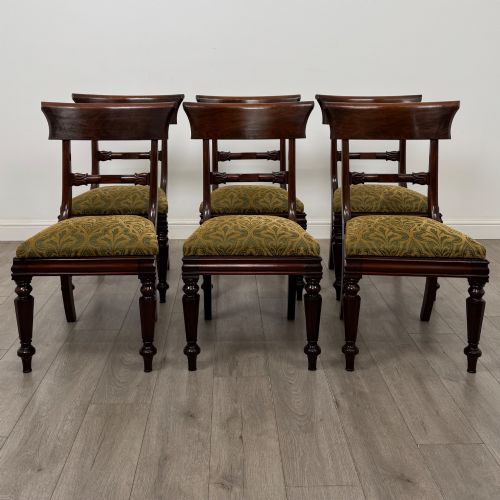
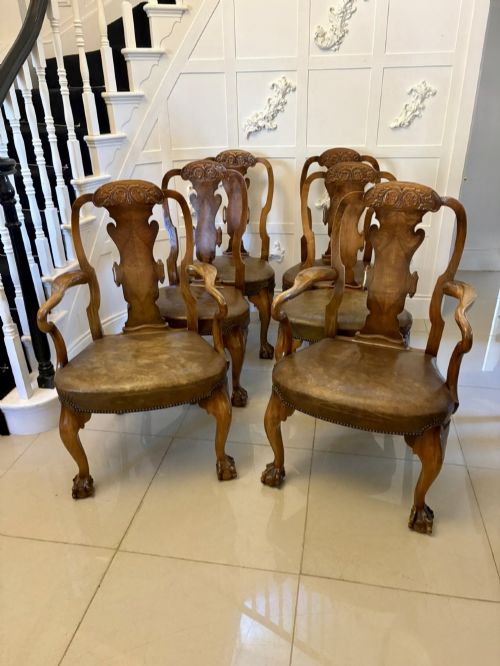
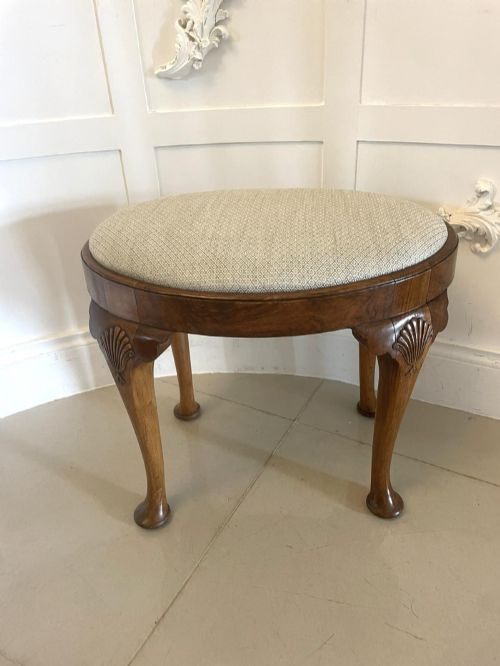
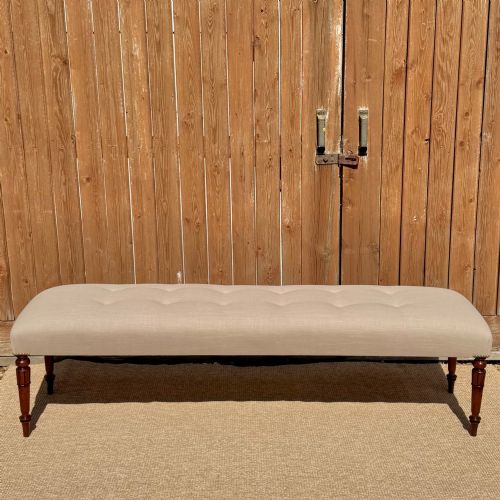
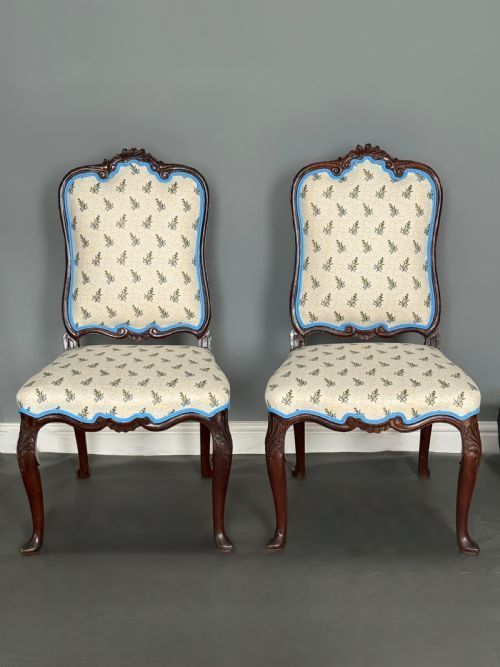
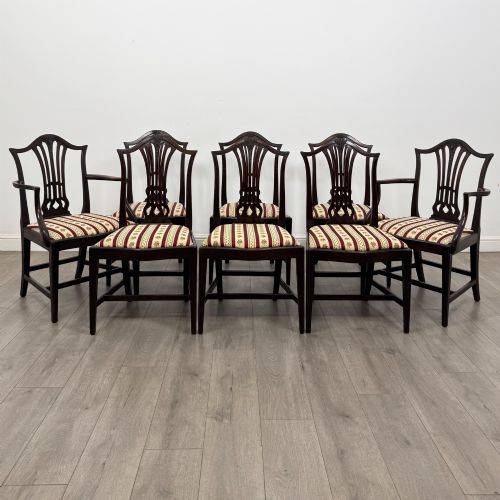
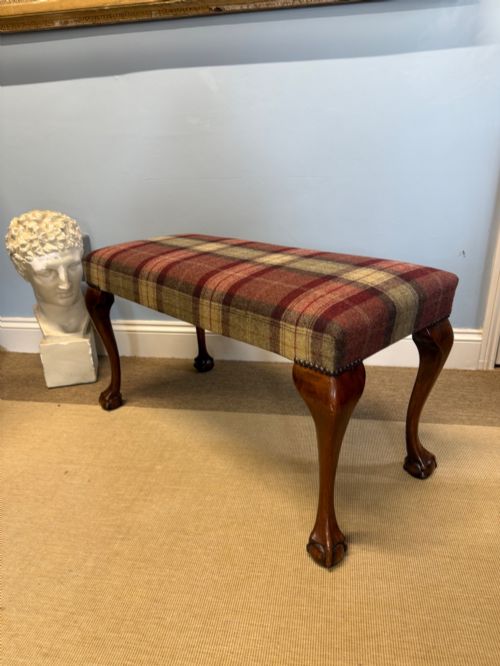
The selection on this page demonstrates significant diversity in regional design and period style, including Victorian, Regency, and Edwardian examples. Dining chairs often appear in sets, while individual armchairs, stools, and settees offer distinct focal points for a room. Walnut and mahogany frame many of these items, paired with various textiles and velvets to provide the upholstered surface.

How they were made
Cabinetmakers and upholsterers relied on solid hardwoods such as mahogany, walnut, oak, and rosewood to construct robust frames. These timbers were frequently carved, inlaid with brass or lighter woods, or polished to highlight the natural grain.
Textiles played an essential role in completion, with velvet, silk, and general fabric coverings secured over padding. Brass details occasionally reinforced structural or decorative elements on frames from the Regency and Victorian periods.
Antique Upholstered Seating Retail Price Guide 2026
Typical asking prices for upholstered seating among the pieces listed under this phrase on Sellingantiques today, from the lower quarter to the upper quarter. They describe what is for sale here now, not the wider market.
Mahogany and walnut dominate the timber choices across these antique upholstered seating listings.
What varies in quality
The distinction between standard examples and superior pieces rests largely on the depth of carving, the selection of timber, and the precision of assembly. Finer sets exhibit uniform turning, well-figured mahogany or walnut, and carefully proportioned frames that reflect skilled workshop production.
Upholstery execution and the preservation of original materials also influence the standing of a piece. Items retaining subtle decorative details like brass inlay or specialised silk textiles demonstrate the higher ambitions of their makers.
Howard And Sons·Charles Tozer·Colefax And Fowler
The Antique Upholstered Seating Glossary
- Settee
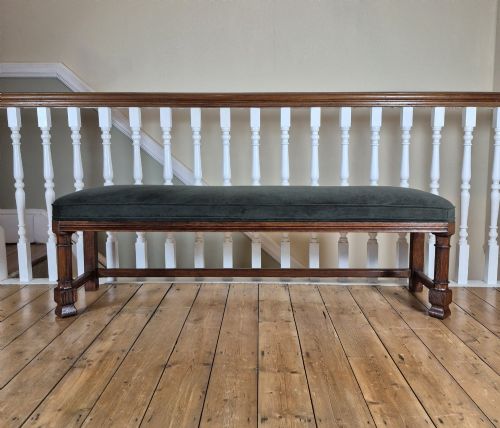
- A long upholstered seat with a back and arms, designed to accommodate multiple people. These pieces often feature exposed wooden frames in mahogany or walnut.
- Prie Dieu
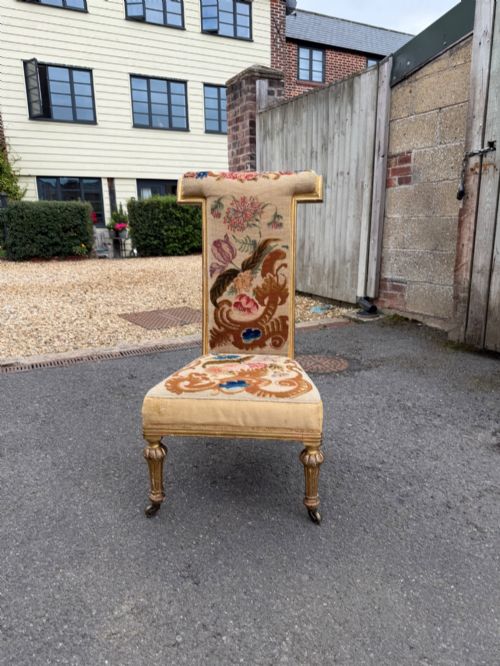
- A small devotional chair designed for kneeling and prayer, typically featuring an upholstered top rest. Victorian examples frequently utilise walnut or rosewood.
- Shield Back
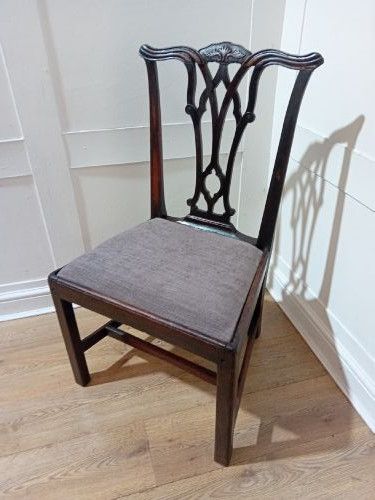
- A chair back design shaped like a shield, popular in eighteenth-century dining chairs. This form is frequently executed in mahogany.
- Corbeille
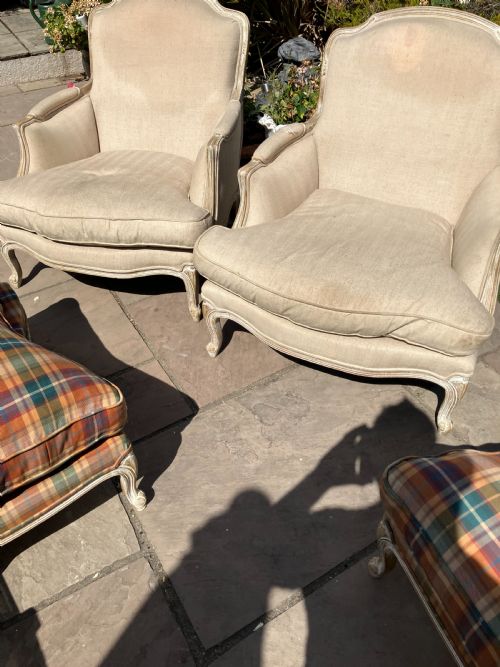
- A French style of armchair with a rounded, basket-like back that wraps around the sitter. These seats often appear in nineteenth-century interpretations.
- Bar Back
- A chair design featuring a horizontal curved top rail resembling the shape of a barrel or bar. These appear commonly on nineteenth-century dining chairs.
Antique Upholstered Seating: Frequently Asked Questions
How do I date an upholstered chair?
Dating relies on identifying the underlying timber, the silhouette of the frame, and any visible stylistic motifs corresponding to periods like the Victorian era or the eighteenth century.
Secondary indicators include construction techniques within the frame and the choice of secondary woods used in concealed areas.
Were dining chairs always sold in sets?
Large households commissioned extensive sets of dining chairs to accommodate guests during formal meals. Surviving sets often range from four pieces up to twenty.
Smaller groups or pairs of side chairs typically served secondary rooms rather than the main dining table.
What is the difference between an armchair and a settee?
Armchairs provide solitary seating with integrated armrests designed for libraries, parlours, or firesides. Settees offer extended seating capacity for two or more individuals on a single cushioned base.
Both forms utilise similar stylistic vocabulary from their respective periods.
How do I care for antique upholstery?
Preservation involves keeping fabric pieces away from direct sunlight to prevent textile degradation and fading. Regular light vacuuming helps remove dust without stressing the fibres or underlying frame.
Maintaining stable room humidity protects both the wooden elements and the structural integrity of the joints.