


Antique Upholstered Seating Pair
An antique upholstered seating pair offers matched comfort and presence, bringing balanced symmetry to a room through period craftsmanship.
Antique Upholstered Seating Pair
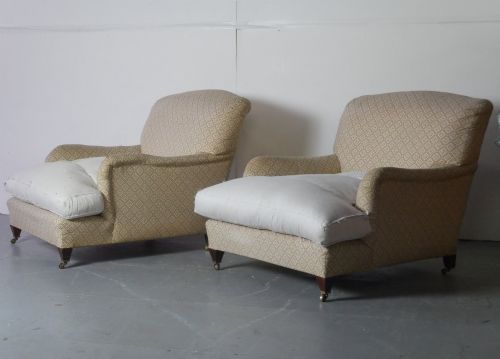
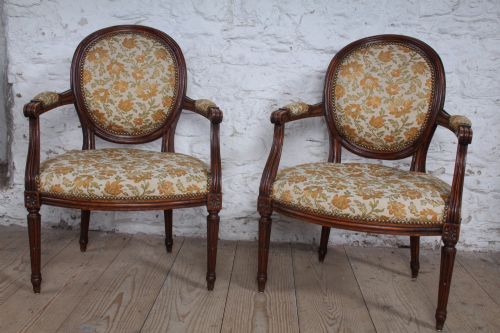
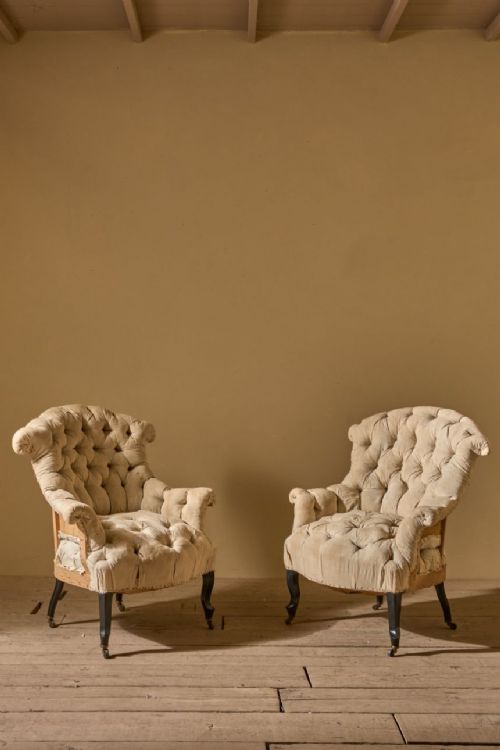
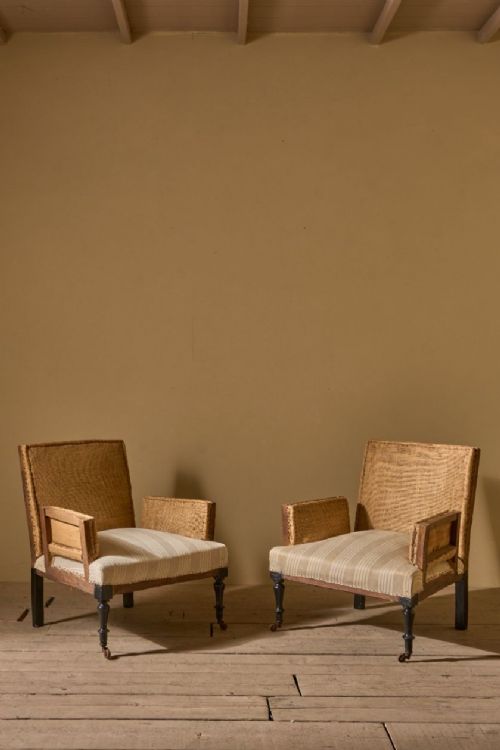
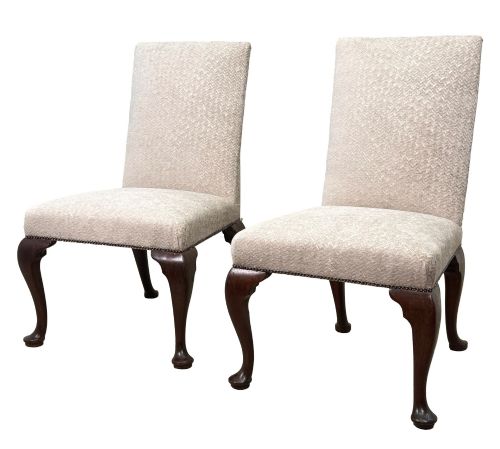
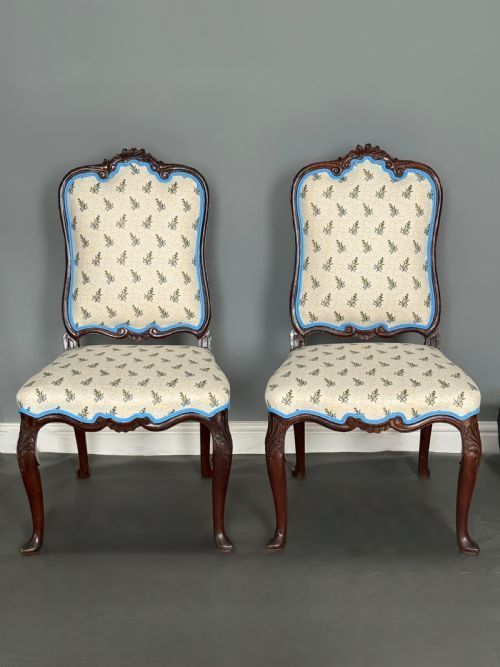
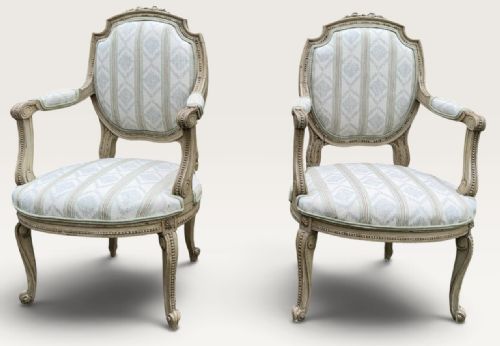
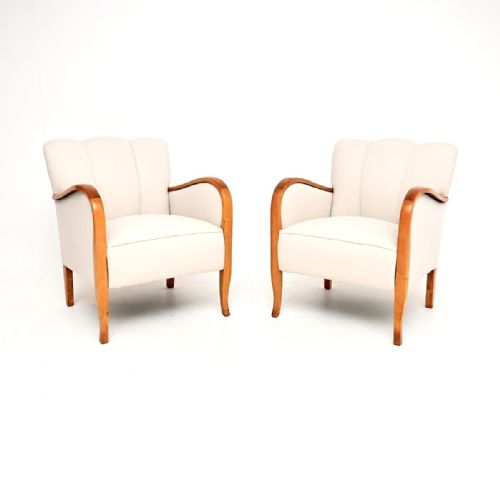
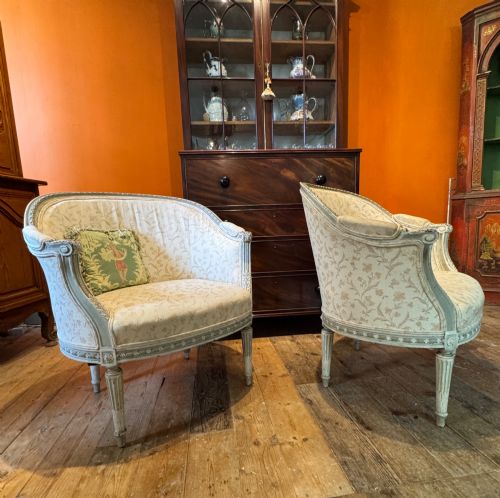
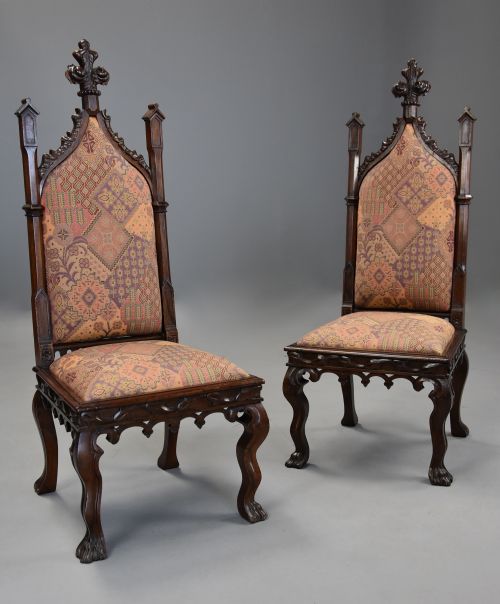
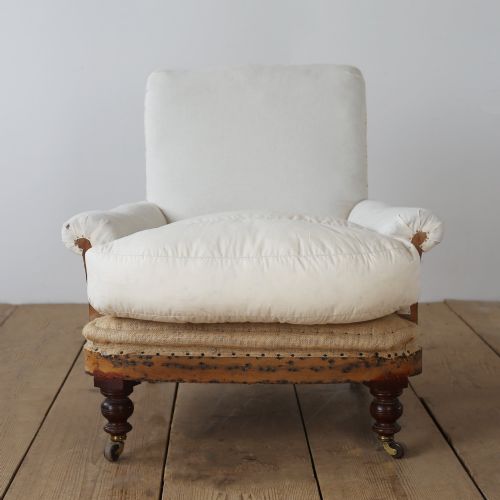
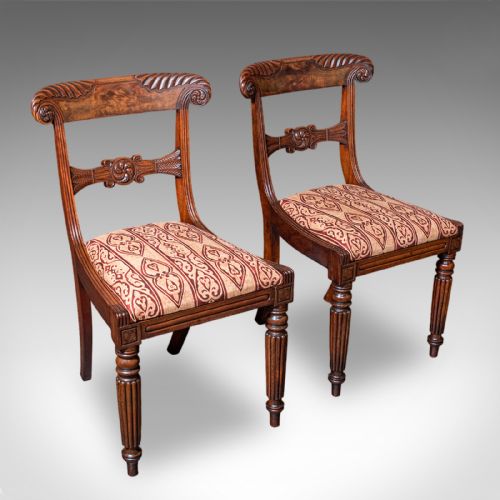
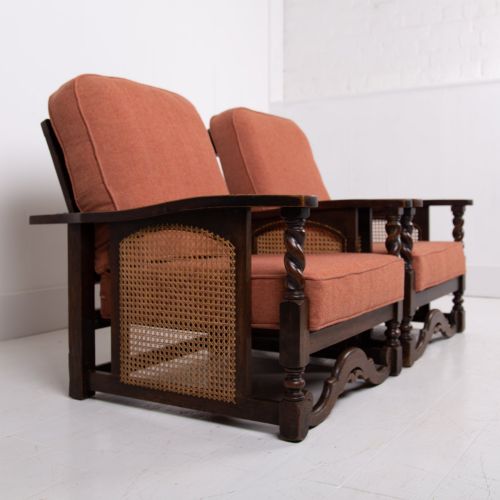
An antique upholstered seating pair brings together matching chairs, armchairs, or stools designed to sit harmoniously within a room. When you search for an antique upholstered seating pair, you encounter forms ranging from Victorian nursing chairs to Art Deco club chairs and French bergères.
The pieces on this page span several centuries, with the nineteenth century and the 1930s providing the majority of the examples. Side chairs, armchairs, and stools dominate the selection, often originating from English, French, or Swedish workshops.
Matching pairs share timber frames, upholstery textiles, and stylistic details such as carved walnut, mahogany, or painted finishes. They serve practical seating roles while anchoring the symmetry of a traditional or eclectic interior scheme.
Materials and Construction
The framework of these seats relies on sturdy hardwoods including walnut, mahogany, oak, and beech, shaped through turning, carving, or steam bending. Timber choice dictates the weight and visual gravity of the frame, from dark carved mahogany to pale satin birch.
Upholstery techniques involve textiles such as linen, calico, tapestry, and fabric covering internal stuffing supported by webbing or cane work. Brass accents, parcel gilt highlights, and original paint surfaces frequently finish the decorative scheme of the wooden frames.
Listings feature eighteenth century pieces alongside 1930s designs, incorporating materials like brass, calico, and mahogany across eight distinct periods.
Evaluating the Seating
Quality rests upon the crispness of the timber carving and the structural integrity of the frame joints. Superior examples exhibit harmonious proportions, retained maker details, and original surface treatments such as historic paint or polished grain.
The standard of upholstery and the preservation of textile covers also separate ordinary examples from exceptional ones. Matching pairs that retain their original textiles, such as Aubusson tapestry or designated maker labels, demonstrate higher distinction.
Charles Tozer·W A Willcocks·Whytock and Reid·Howard and Sons
The Antique Upholstered Seating Pair Glossary
- Bergère
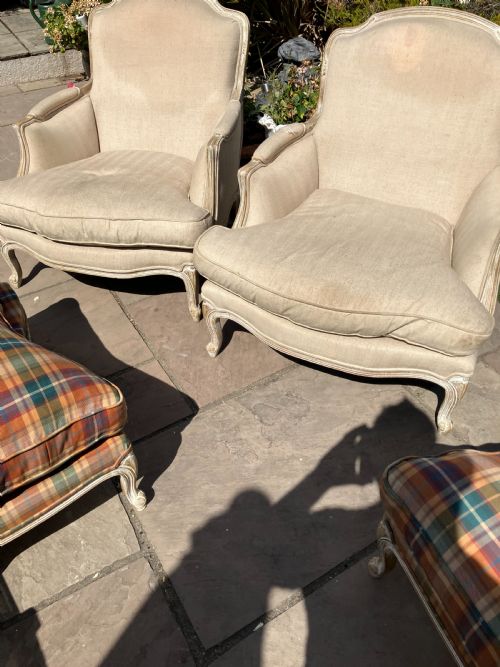
- An enclosed upholstered armchair with wooden framing and a cane or upholstered back and sides. These pieces often feature loose squab cushions.
- Balloon Back
- A chair back shaped like a continuous oval or balloon curve, popular during the Victorian era. This design provides ergonomic support while maintaining an elegant silhouette.
- Split Cane
- Woven rattan material used for chair backs and seats to provide flexible support. It is often paired with solid wood frames like walnut or mahogany.
- Parcel Gilt
- A decorative technique where specific carved details on a wooden frame are partially gilded with gold leaf. This highlights particular motifs against a painted or polished ground.
- Sheraton Revival
- A late nineteenth and early twentieth century design movement that reinterprets eighteenth century neoclassical furniture forms. It typically employs lightweight mahogany frames with delicate inlay.
Antique Upholstered Seating Pair: Frequently Asked Questions
How do I place a pair in a room?
Matched pairs work best when positioned symmetrically, such as flanking a fireplace or framing a console table. They create visual balance and define conversation areas within larger spaces.
Alternatively, you can place them across from a sofa to anchor the seating arrangement without overcrowding the floor plan.
Can I use these chairs every day?
Most antique seating pairs are sturdy enough for daily use, provided the frame joints remain tight and stable. Solid hardwood frames and traditional joinery are built to withstand regular sitting.
If the upholstery is delicate or historic, you might reserve them for lighter daily use or rooms with lower traffic.
How do I identify the period of a chair?
Period identification relies on observing the combination of timber, carving style, and upholstery construction. For instance, Victorian pieces often feature heavy walnut or balloon backs, while Art Deco examples display clean geometric lines and satin birch.
Maker labels, stamps, and specific revival styles also offer clear clues to the decade of manufacture.
What is the difference between a salon chair and an armchair?
Salon chairs are typically lighter, more decorative seating pieces designed for entertaining rooms rather than heavy lounging. They feature open frames and slender legs suited to formal spaces.
Armchairs provide more substantial support with enclosed arms and deeper seats built for extended relaxation.