





Rococo Style Gilt Chairs
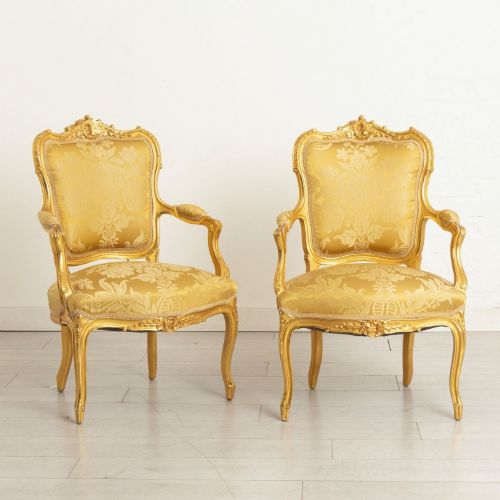
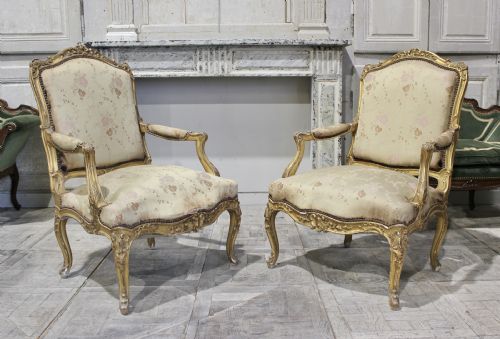
Rococo style gilt chairs bring carved, sweeping extravagance into a room, offering seats designed for both ornamentation and comfort.
Rococo Style Gilt Chairs
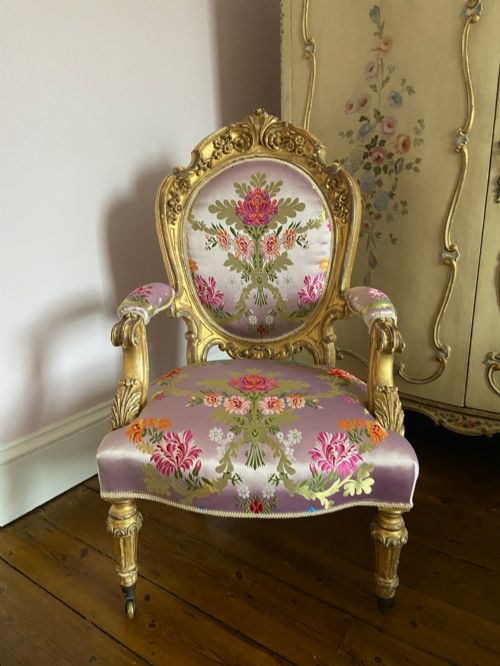
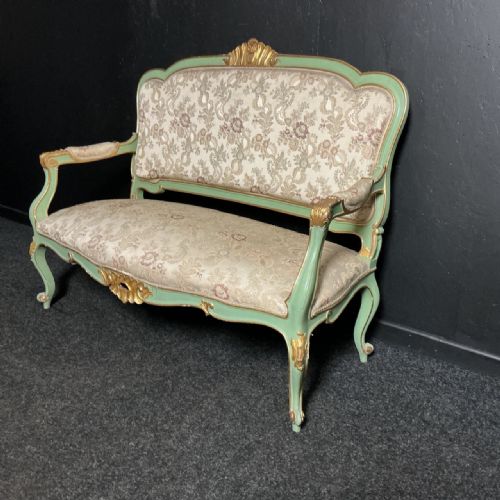
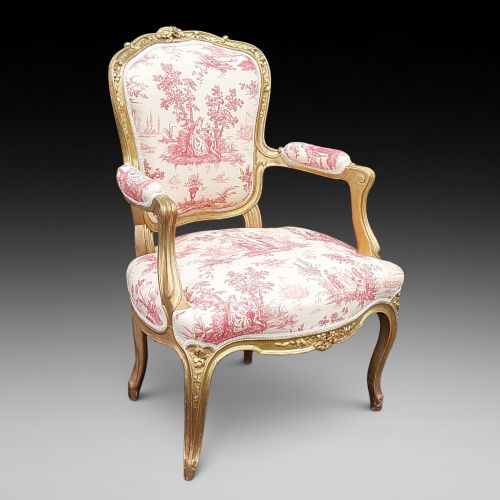
Rococo style gilt chairs encompass armchairs, side chairs, and salon suites originating from periods including the eighteenth and nineteenth centuries. These seating options emerge primarily in French and Italian revivals, bringing ornate silhouettes to modern interiors.
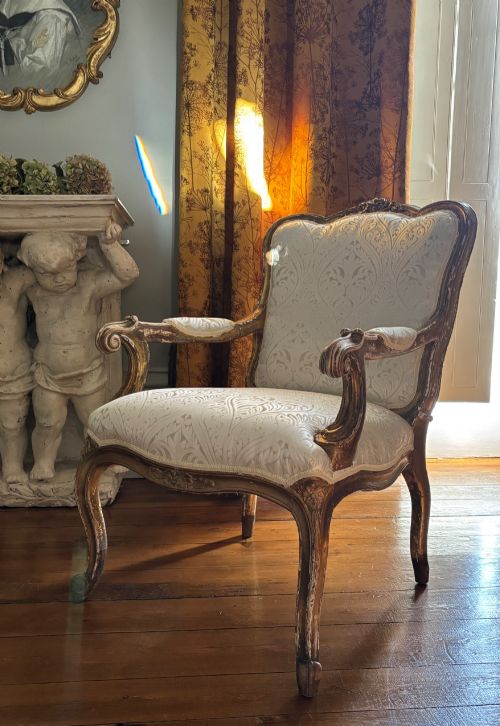
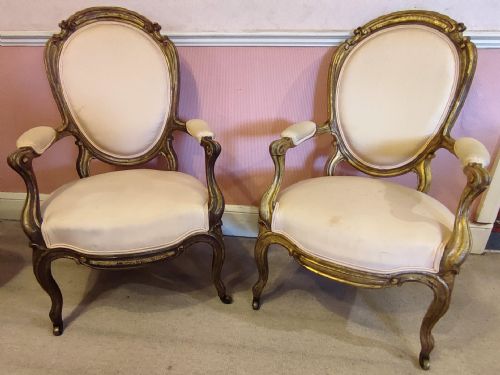
A buyer frequently meets pieces constructed from carved wood covered in gold leaf or paint, often upholstered in silk, silk damask, or contemporary fabric. These chairs span forms from bergere tub chairs to open armchairs and dining chairs.
The inventory ranges from eighteenth-century origins to mid-twentieth-century interpretations, showing diverse expressions of the style across different European workshops. English walnut examples also appear alongside the dominant French aesthetic.
How they were made
Makers shaped structural frames predominantly from beech and walnut, employing manual carving techniques to achieve the characteristic asymmetric curves and scroll arms. Wood surfaces received applications of gold leaf or paint to establish the metallic finish.
Upholstery methods involved securing silk, silk damask, or alternative fabrics over padded frames designed for salon or dining use. Artisans constructed open armchairs and bergere tub chairs to balance decorative carved detail with physical support.
Listings feature pieces spanning the eighteenth, nineteenth, and twentieth centuries, predominantly utilising giltwood, beech, walnut, and silk damask.
What varies in quality
Depth and crispness of the wood carving distinguish the standard of execution, separating fluid, hand-shaped foliage from rigid moulding. The application of gold leaf shows variations in texture and durability across different periods.
Integrity of the underlying wooden frame and the precision of joinery determine the structural longevity of each piece. Condition of the upholstery, whether original silk or later replacement fabric, also shapes the overall execution.
Blaise Maucuy
The Rococo Style Gilt Chairs Glossary
- Giltwood
- Wood that has been coated with gold leaf or a gold-coloured finish. This material forms the primary reflective surface on revival seating.
- Bergere
- An enclosed upholstered armchair with wooden framing exposed around the sides and back. It provides a deeper seat than standard open armchairs.
- Louis XV Revival
- A nineteenth-century design movement copying the flowing, asymmetrical curves of the mid-eighteenth-century French court. It remains the dominant aesthetic for these ornate seats.
- Silk Damask
- A reversible figured fabric traditionally utilised for high-end upholstery. It frequently covers the seat pads and backs of salon chairs.
- Open Armchair
- A chair featuring un-upholstered wooden armrests that expose the carved framework. These pieces often serve as decorative seating in formal reception rooms.
Rococo Style Gilt Chairs: Frequently Asked Questions
How do I identify a rococo style chair?
Look for curved wooden frames decorated with carved foliage, scroll arms, and asymmetrical motifs finished in gold leaf. These elements reflect the eighteenth-century French aesthetic revived during later periods.
Examine the overall silhouette to spot typical forms such as open armchairs, bergere tub chairs, or salon suites. The presence of carved wood and gilt surfaces confirms the stylistic lineage.
Where should I place these chairs at home?
Rococo style gilt chairs suit reception rooms, drawing rooms, or bedrooms as statement accent pieces. Their decorative frames work well against plain walls where the carved details stand out.
Pair an occasional chair with a small table or utilise dining chairs around a feature table. Avoid placing delicate silk upholstery in areas with direct sunlight to preserve the fabric.
How do I care for giltwood frames?
Dust the carved wooden surfaces gently with a soft, dry cloth to prevent accumulation without disturbing the gold leaf. Avoid liquid cleaners or chemical polishes that can strip the metallic finish.
Maintain stable indoor humidity levels to protect the underlying wood and prevent the joinery from loosening over time. Handle the chairs by their structural wooden framework rather than the decorative arms.
Are these chairs comfortable for daily use?
Many of these pieces, particularly bergere tub chairs and upholstered armchairs, were designed for relaxed sitting in salons and drawing rooms. The generous proportions and padded seats offer substantial physical support.
Dining chairs and side chairs offer a firmer sit suited for formal gatherings rather than lounging. Upholstery padding varies depending on whether the piece retains historic stuffing or modern renewal.