


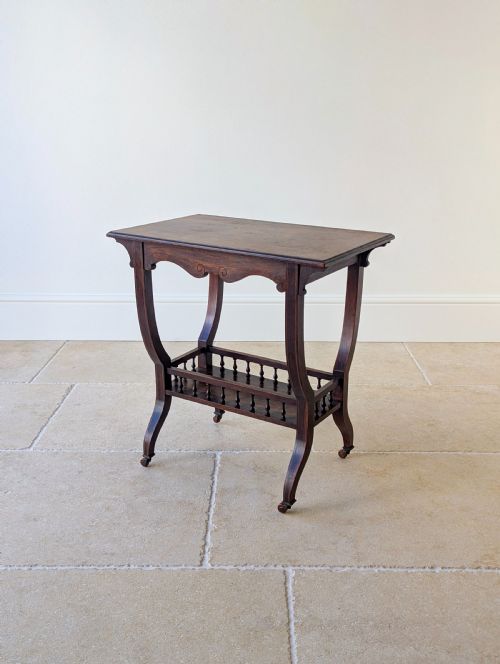
Antique Undertier Table
An antique undertier table brings tiered surface space and Edwardian elegance to a room without crowding the floor.
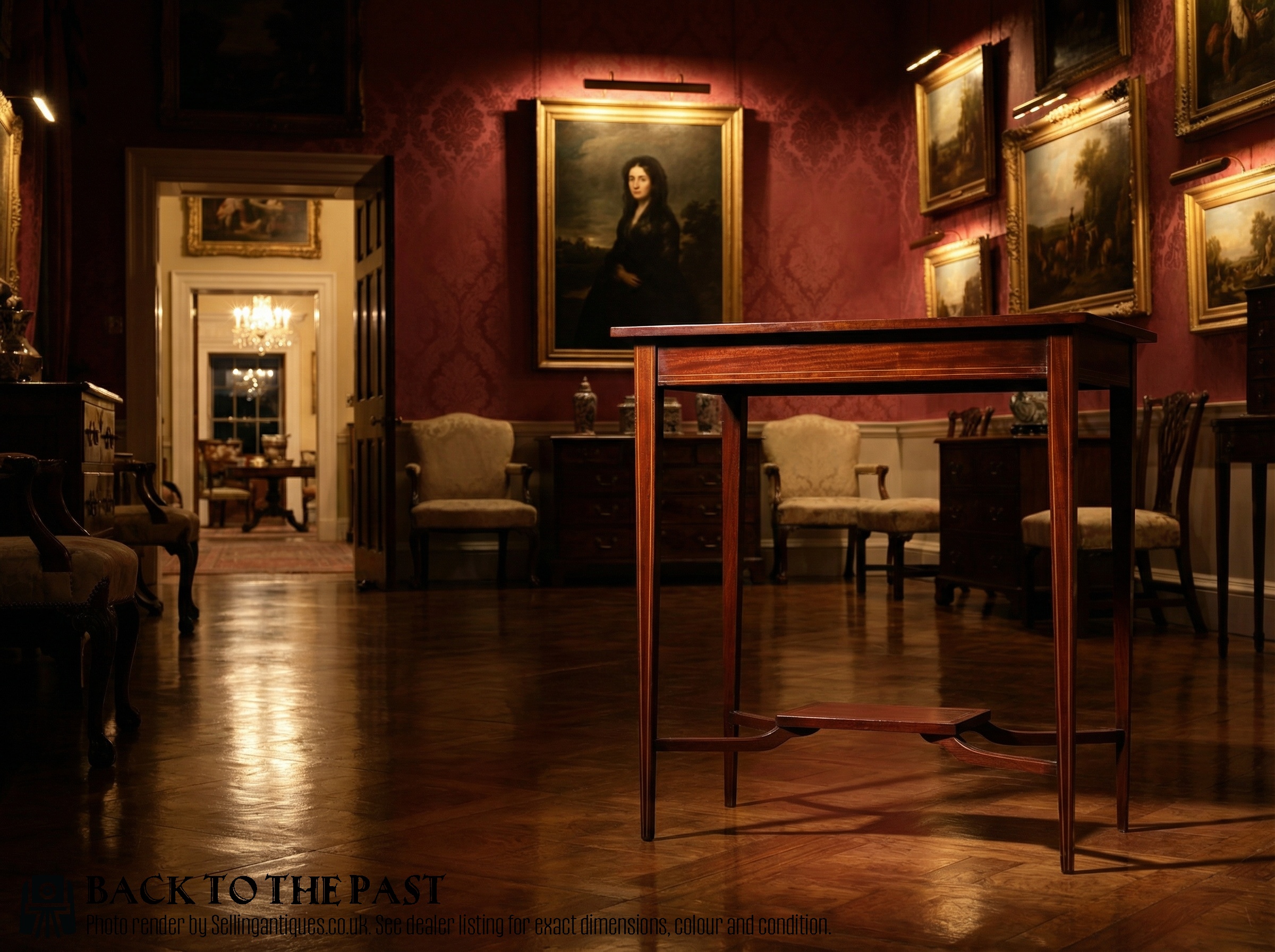
What these pieces are
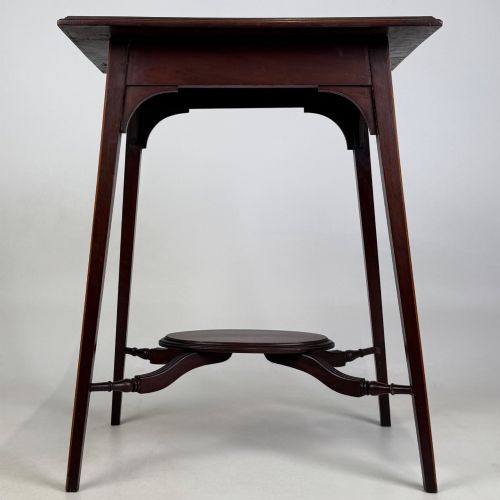
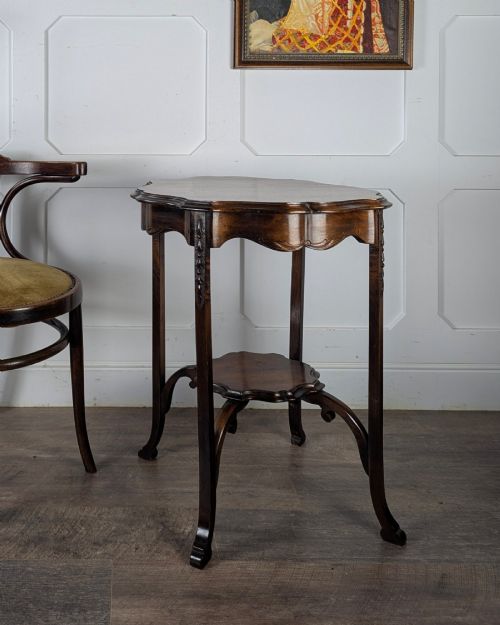
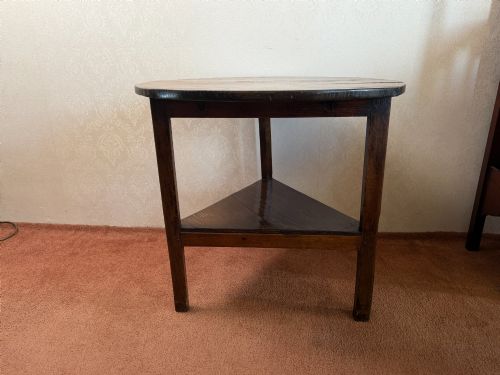
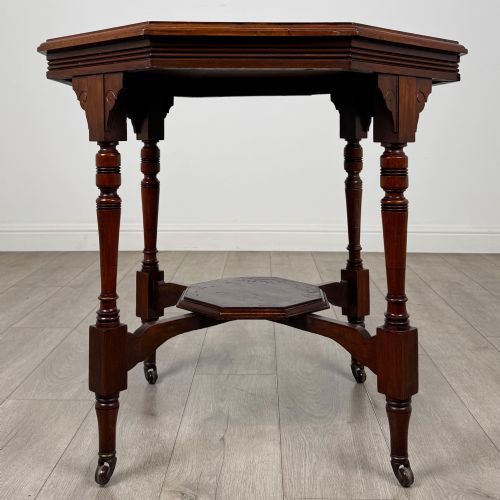
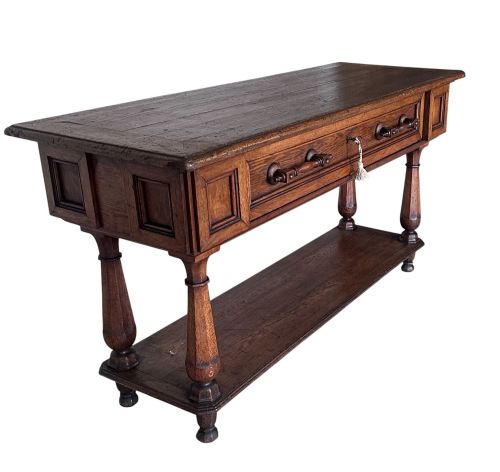
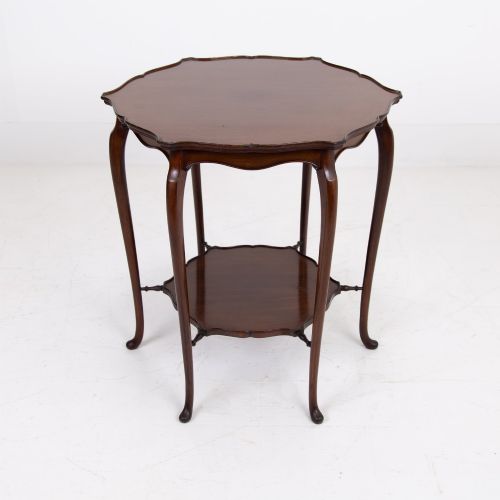
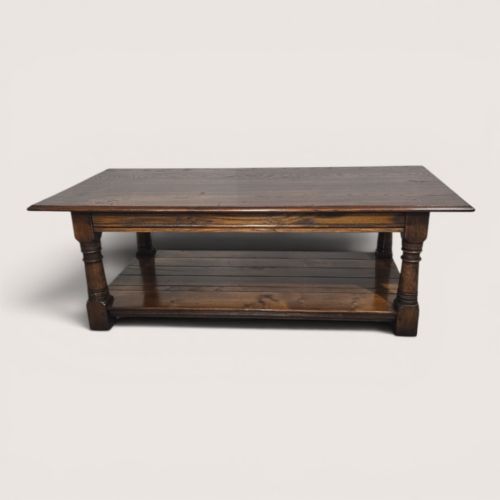
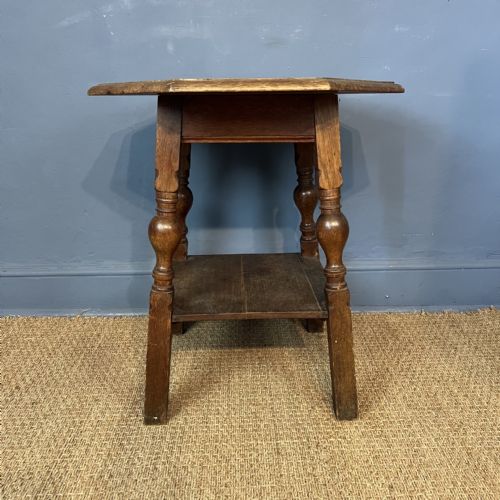
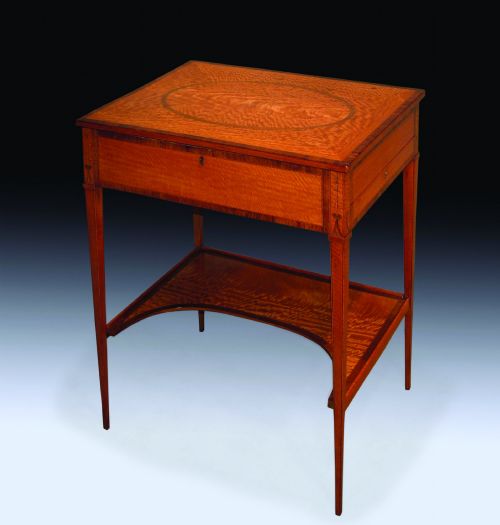
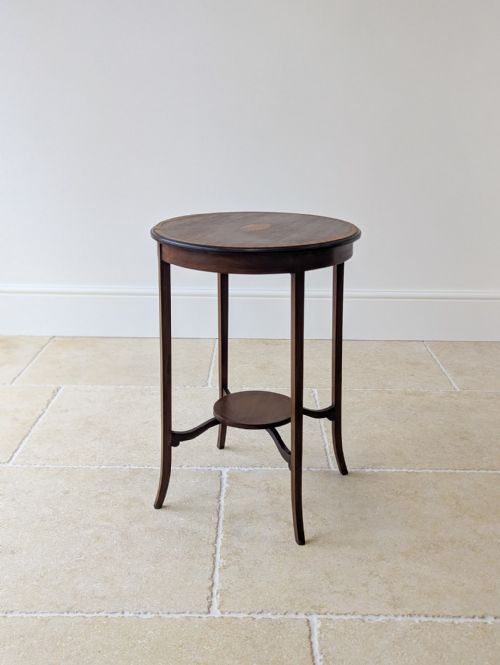
An antique undertier table offers a secondary lower shelf beneath the main surface, providing practical display space. These pieces arrive from the Edwardian period, spanning the early nineteen hundreds up to ten ten.
The selections on this page appear as occasional tables, side tables, and a centre table. Forms include kidney shaped designs and octagonal tops.
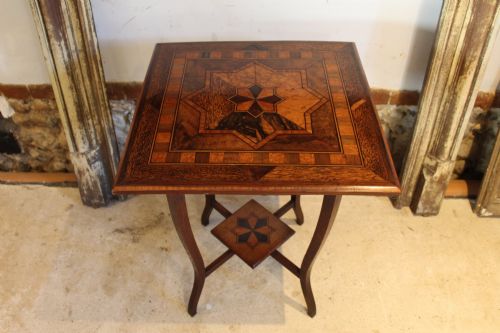
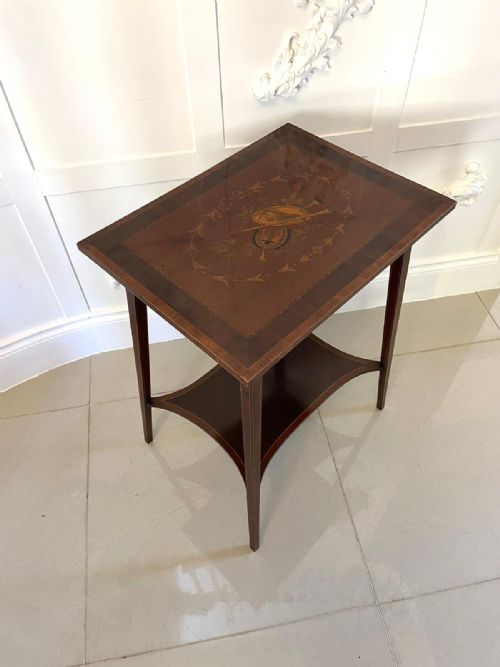
Makers shaped these tables in mahogany, walnut, and rosewood, frequently incorporating wood inlay and boxwood details. The Edwardian style dominates every listed piece.
How they were made
Cabinet makers utilised solid woods and veneers of mahogany, walnut, and rosewood to construct the primary surfaces and lower undertiers. These timbers provided sturdy foundations for daily use in Edwardian drawing rooms.
Craftsmen applied wood inlay and boxwood details to embellish the tops and borders of the tables. Selected examples also display carved walnut elements to add texture and depth to the timber.
Retail Price Guide 2026
Typical UK retail prices for undertier table, calculated from the Sellingantiques database of over a million retail prices indexed since 2003. This retail price guide relies exclusively on Sellingantiques data; no external sources or auction records are used, so the figures do not describe the wider market.
Every listed piece belongs to the Edwardian period, specifically between nineteen hundred and nineteen ten.
What varies in quality
The refinement of the timber and the precision of the wood inlay distinguish superior examples from simpler ones. Richly grained mahogany or figured walnut elevates the presence of the table.
Complexity of form also plays a role, with kidney shapes and octagonal formats requiring greater joinery skill than standard square or round occasional tables.
The Antique Undertier Table Glossary
- Undertier
- A secondary lower shelf fitted beneath the main tabletop. This extra level provides space for books or decorative objects.
- Occasional table
- A small, moveable table designed for light use around a sitting room. These versatile pieces suit placement beside chairs or sofas.
- Wood inlay
- Pieces of contrasting timber fitted flush into the surface to create decorative patterns. Boxwood often provides a pale contrast against darker woods.
- Edwardian
- The period spanning the reign of King Edward the Seventh from nineteen hundred to nineteen ten. Furniture from this era often lighter proportions than Victorian designs.
Frequently Asked Questions
What is an undertier table?
An undertier table is a small table featuring a second shelf positioned beneath the primary surface. This extra platform provides additional display space.
Edwardian cabinet makers utilised this design on occasional and side tables to maximise utility in domestic interiors.
How are these tables used?
These pieces function as occasional or side tables in sitting rooms and hallways. The upper surface holds lamps or cups, while the lower shelf holds books.
They serve as flexible furniture that moves easily to different corners of a room.
What materials are used?
Makers constructed these tables from hardwoods including mahogany, walnut, and rosewood. These timbers formed the main top and the lower undertier.
Workshops frequently added boxwood details and wood inlay to decorate the surfaces.
When were they made?
The pieces available date from the Edwardian era, spanning the early nineteen hundreds up to nineteen ten. This period follows the Victorian age.
Designs from this time favour lighter frames and refined decorative inlays.