

Antique Two Seat Sofa
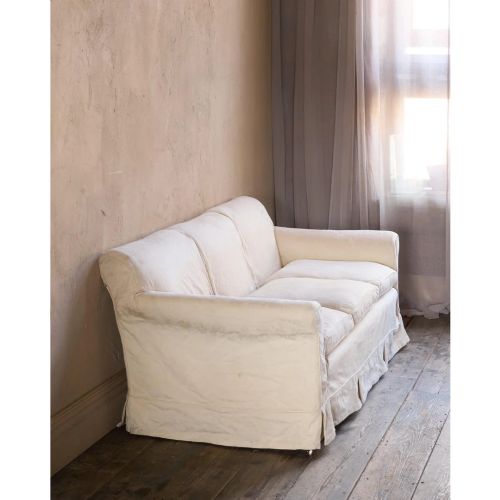
An antique two seat sofa brings intimacy and period character to a room, offering compact seating shaped by centuries of craftsmanship.
Antique Two Seat Sofa
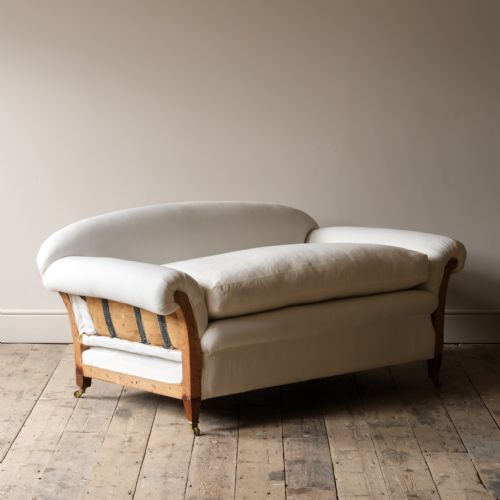
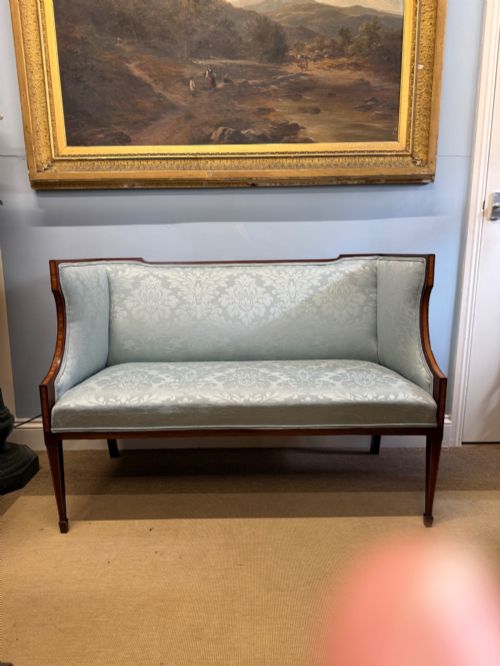
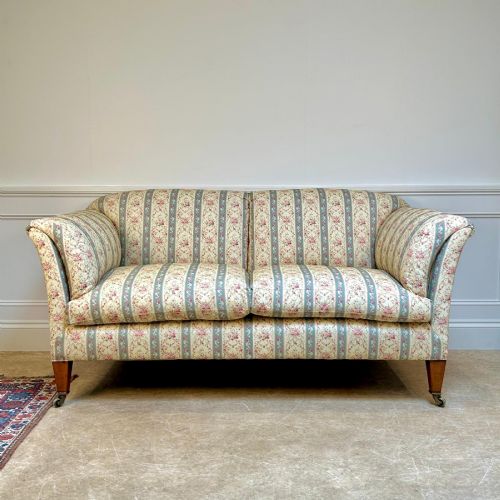
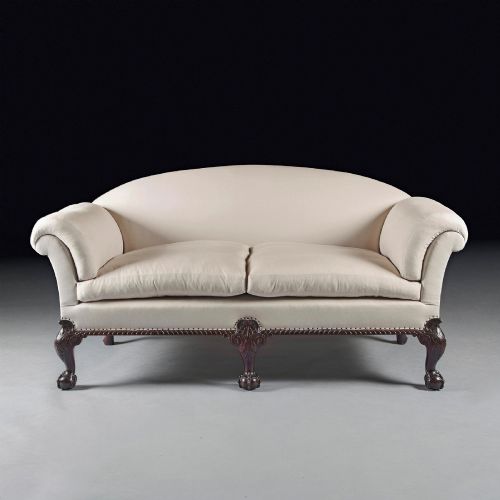
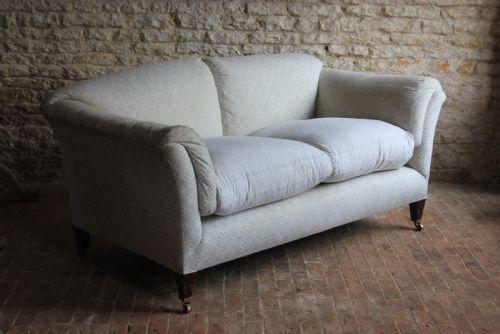
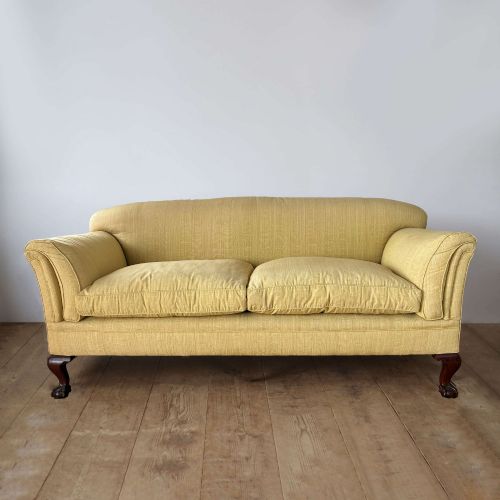
When you search for an antique two seat sofa, you encounter a range of intimate seating forms designed for parlours, salons and drawing rooms. These pieces appear in the evidence as settees, loveseats, and compact couches spanning the Victorian, Edwardian and nineteenth-century periods.
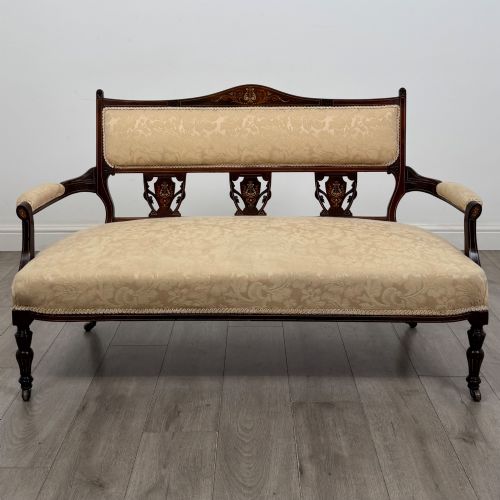
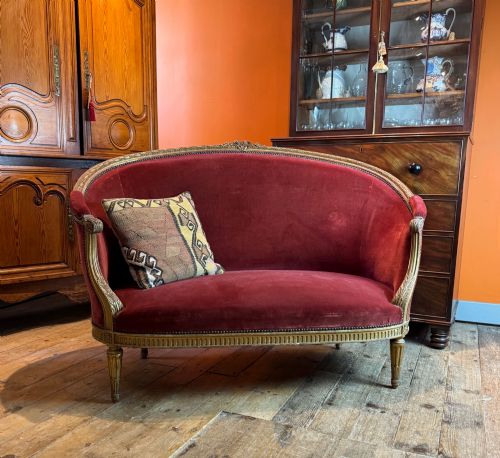
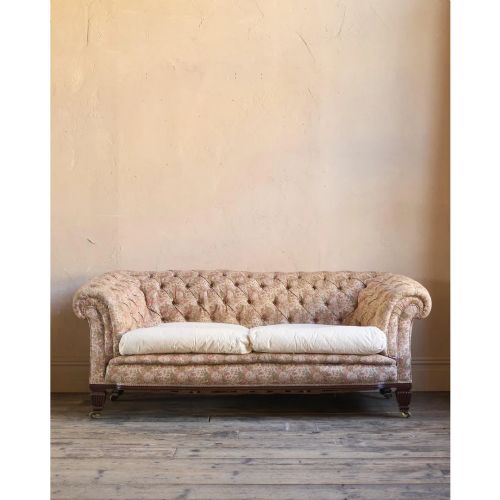
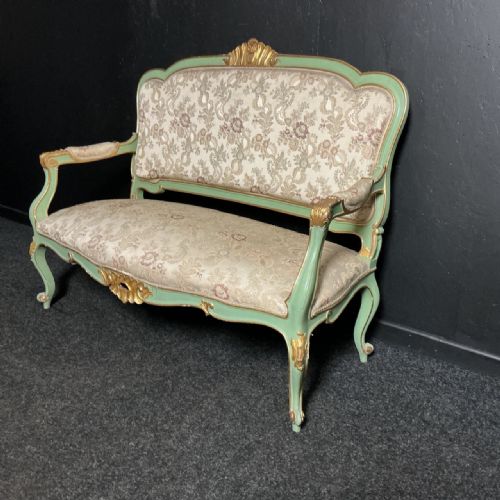
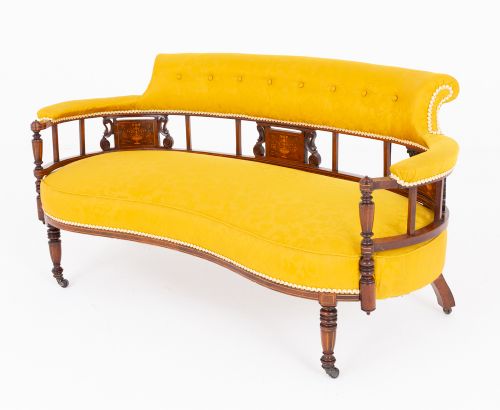
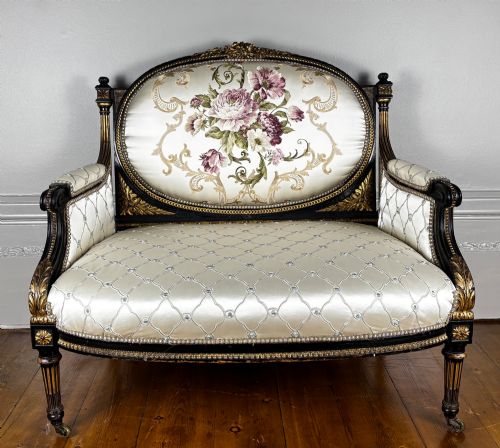
The versions you meet most frequently on this page are Edwardian mahogany models, often featuring satinwood inlay, alongside French pieces styled after Louis XV and Louis XVI. English country house pieces and robust Chesterfield frames also recur across the listings.
Makers such as Howard and Sons emerge in the records alongside diverse styles from French chateau aesthetics to walnut framework. Each piece balances domestic utility with the distinct decorative vocabulary of its decade of origin.
How they were made
Frames rely predominantly on dense timbers like mahogany, walnut, rosewood and fruitwood, sometimes enriched with satinwood marquetry or parcel gilt detailing. Structural integrity is achieved through traditional joinery and carved wooden skeletons that support upholstered or caned seating areas.
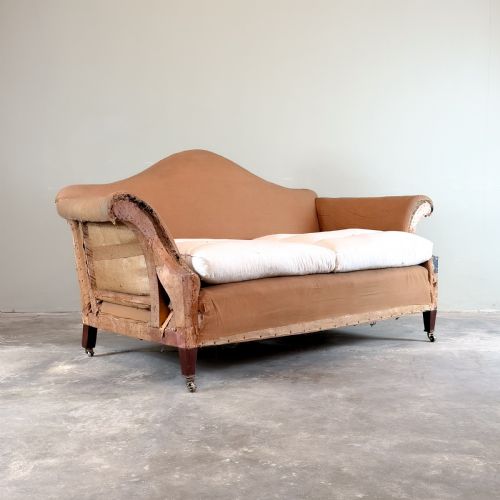
Surface ornamentation ranges from subtle brass mounts and ormolu to elaborate giltwood carvings and painted finishes. Upholstery techniques incorporate traditional stuffing, button backing and needlepoint textiles, while French models frequently employ canework for lighter panels.
Antique Two Seat Sofa Retail Price Guide 2026
Typical asking prices for two seat sofa among the pieces listed under this phrase on Sellingantiques today, from the lower quarter to the upper quarter. They describe what is for sale here now, not the wider market.
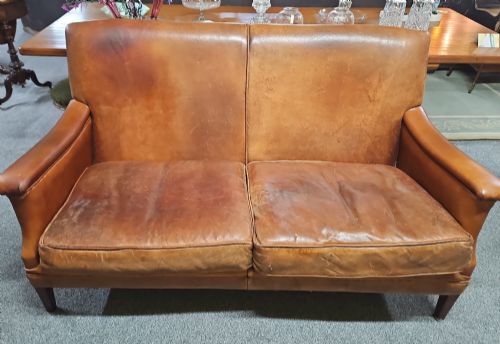
Listings feature mahogany, walnut and rosewood frames alongside silk, velvet, needlepoint and leather upholstery.
What varies in quality
The distinction between ordinary and exceptional pieces lies in the crispness of the carving and the fidelity of the period style. Master workshops execute joinery and inlay with precision, ensuring that ornamental elements like fluted legs or ormolu mounts integrate seamlessly into the structural design.
Material selection dictates the upper tier of the range, where finely figured mahogany, rich walnut and documented maker attributions elevate the piece. The integrity of surviving upholstery techniques and original cane work further separate standard domestic seating from fine salon furnishings.
Howard and Sons·Butlers of Dublin
The Antique Two Seat Sofa Glossary
- Settee
- A long upholstered seat for more than one person, sharing lineage with the sofa and bench. These forms dominate nineteenth and early twentieth-century domestic interiors.
- Marquetry
- Decorative woodwork where thin pieces of veneer are fitted into a ground material to form geometric or floral designs. Edwardian mahogany frames frequently employ this technique.
- Ormolu
- Gilded bronze mounts applied as ornamentation to furniture frames, common on French revival pieces. They add sculptural contrast to polished mahogany and walnut surfaces.
- Caning
- Woven rattan or cane panels used for seats and backs to create a light, porous surface. This technique appears often on French and Edwardian conservatory seating.
- Chesterfield
- A deep-buttoned upholstered sofa featuring arms and back of the same height. Victorian iterations often incorporate drop arms or velvet upholstery.
Antique Two Seat Sofa: Frequently Asked Questions
Where did people put these small sofas?
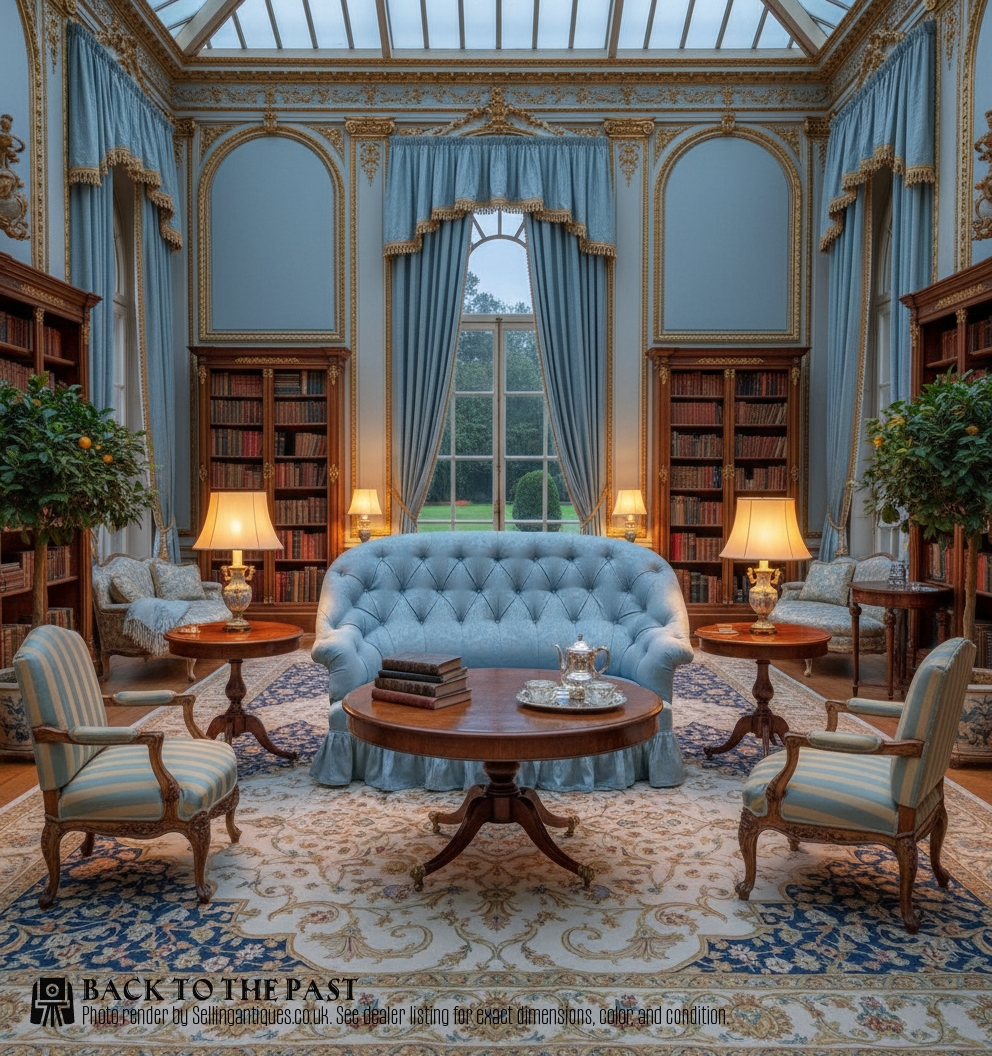
These compact seats were traditionally positioned in intimate spaces such as boudoirs, bedrooms, and smaller drawing rooms where full-scale seating would overwhelm the floor plan. They served as conversation pieces in private quarters rather than primary seating in grand halls.
Today, they suit modern sitting rooms, hallways or bay windows, offering practical dimensions without sacrificing period elegance or decorative presence.
How do I identify an Edwardian piece?
Edwardian frames often utilise light mahogany, frequently embellished with satinwood banding or delicate marquetry inlay. The overall aesthetic leans towards lighter proportions and refined revival styles dating around nineteen hundred.
Comparing the legs and secondary timbers helps confirm the era, as Edwardian cabinetmakers favoured slender profiles and polished finishes distinct from heavier Victorian construction.
Are French revival sofas comfortable?
French revival pieces, particularly those styled after Louis XV and Louis XVI, prioritise formal elegance and carved woodwork over deep lounging. Their upright backs and firmer squab cushions reflect the polite social customs of the salons they inhabited.
While supportive and refined, they function best as accent seating rather than deep-seated television sofas.