





Antique Turkoman Rug
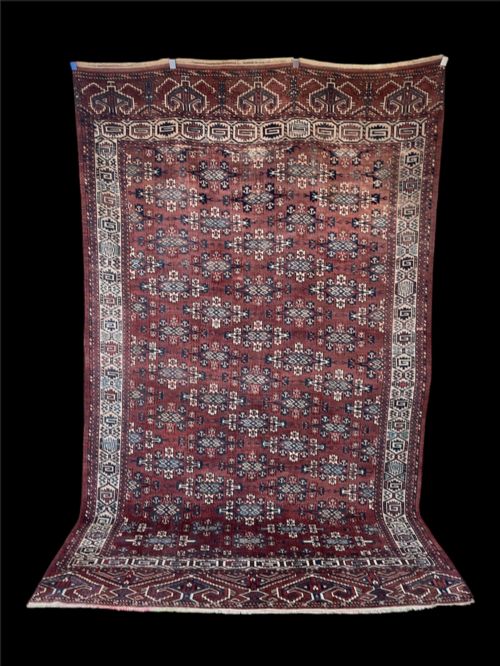
An antique turkoman rug brings the rich tribal heritage of Central Asia into a room through deep reds and geometric motifs.
Antique Turkoman Rug
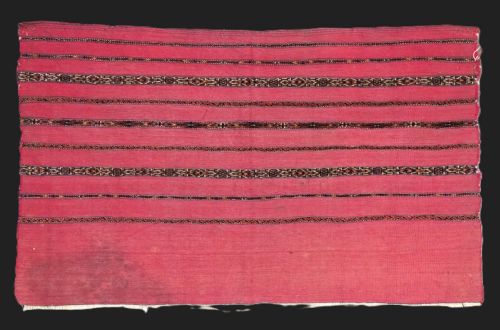
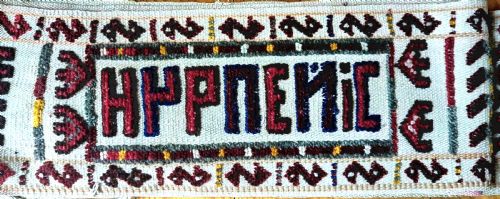
You are most likely to meet chuval faces, tent bands, dowry rugs, and smaller prayer rugs on this page. These examples span the nineteenth century and the early twentieth century, showing the characteristic guls and motifs of their respective tribal groups.
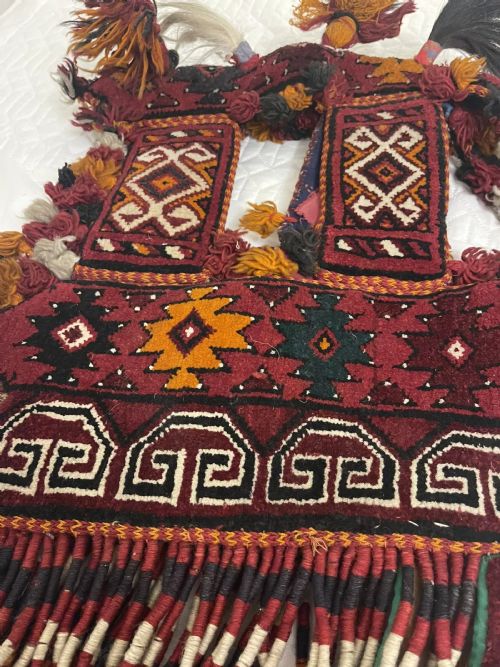
The material record includes fragments and complete trappings such as wedding camel headdresses and okbash tent pole bags. Each object reflects the nomadic traditions and domestic requirements of Turkmen and related tribal makers across the region.
Wool, Cotton, and Natural Dyes
The foundational structure of these textiles relies principally on wool and cotton, utilised for warps, wefts, and pile. Soft wool provides the tactile warmth and dense surface characteristic of tribal weaving.
Weavers employed natural dyes to achieve the deep madder reds, browns, and contrasting accents that define the palette. Occasional silk highlights appear in specific dowry pieces to add textural contrast and visual depth.
Construction techniques involve careful knotting and flatweaving, producing durable structures designed to withstand the practical demands of yurt life or ceremonial deployment.
Antique Turkoman Rug Retail Price Guide 2026
Typical asking prices for turkoman rug among the pieces listed under this phrase on Sellingantiques today, from the lower quarter to the upper quarter. They describe what is for sale here now, not the wider market.
Listings feature wool, cotton, silk, and natural dyes across nineteenth-century and early twentieth-century tribal formats.
Knot Density and Colour Depth
The upper tier of these weavings is distinguished by a finer weave and higher knot density, which allows intricate geometric guls to render with crisp precision. Fineness in execution correlates directly with the time and skill invested by the weaver.
Colour variation plays a major role in establishing visual success, as pieces possessing saturated natural dyes and good contrast stand apart from duller examples. The presence of secondary details like silk highlights or unusual border configurations also elevates an individual piece.
Structural integrity and pile preservation dictate the condition of surviving items, though complete Chuval faces and intact tent bands retain high interest regardless of their original utilitarian function.
The Antique Turkoman Rug Glossary
- Gul
- A repeating primary medallion or octagonal motif used extensively in Central Asian rug design. Each tribal group typically utilised its own distinct variation.
- Chuval
- A large storage bag face produced by nomadic tribes for domestic organisation inside the tent. These square or rectangular panels often display multiple primary guls.
- Mafrash
- A rectangular storage bag face used for bedding and household goods during migration. They share construction methods with chuval faces.
- Dip Khali
- A specific format or field design category within Turkmen weaving traditions. These rugs display characteristic field layouts and border arrangements.
Antique Turkoman Rug: Frequently Asked Questions
How do I identify a Tekke rug?
Tekke weavings generally feature orderly rows of octagonal guls accompanied by minor guls, often set against a deep madder red background.
Look for fine knotting and symmetrical border patterns that distinguish this major tribal group from neighbouring Yomut or Ersari producers.
What is a tent band?
Tent bands are long, narrow woven textiles used structurally and decoratively to secure the lattice framework of a nomadic yurt.
These pieces showcase intricate flatwoven or pile-brocaded geometric patterns running the entire length of the band.
Are prayer rugs different?
Prayer rugs feature a distinct mihrab or arched design at one end to direct the placement of the head during daily worship.
In the Central Asian context, these pieces often incorporate double lanterns or specific niche motifs alongside tribal guls.
How do I care for an old rug?
Protect wool textiles from direct sunlight to prevent natural dye fading and vacuum gently without using a rotating brush bar.
Rotate the piece periodically to ensure even wear patterns across high-traffic areas in your home.