

Antique Turkmen Textile
An antique turkmen textile brings the rich geometric artistry of Central Asian nomadic tribes directly into modern interiors.
Antique Turkmen Textile
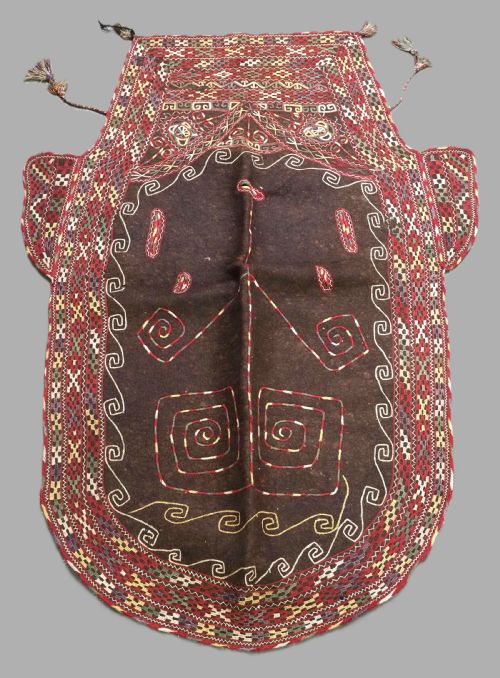
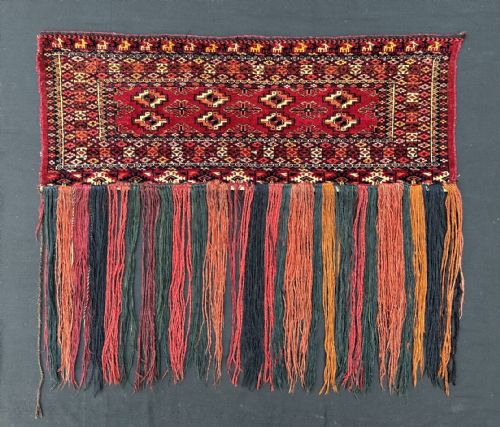
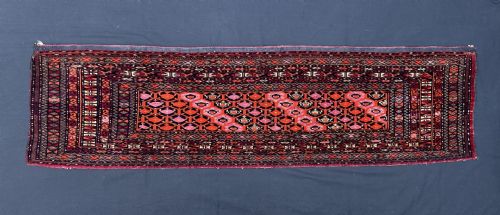
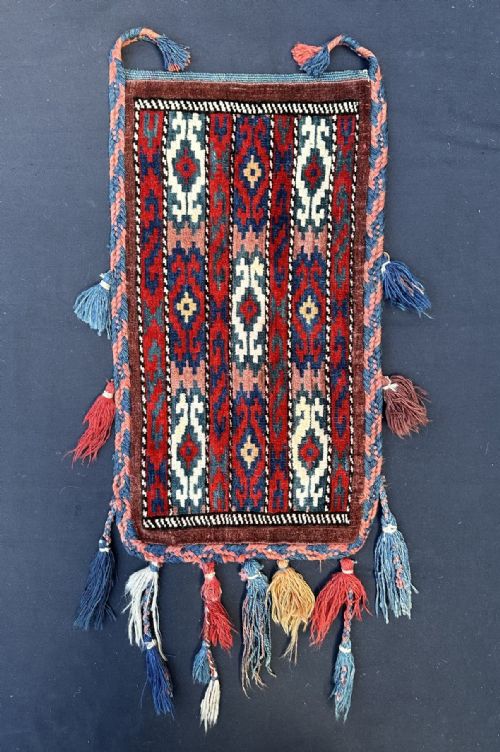
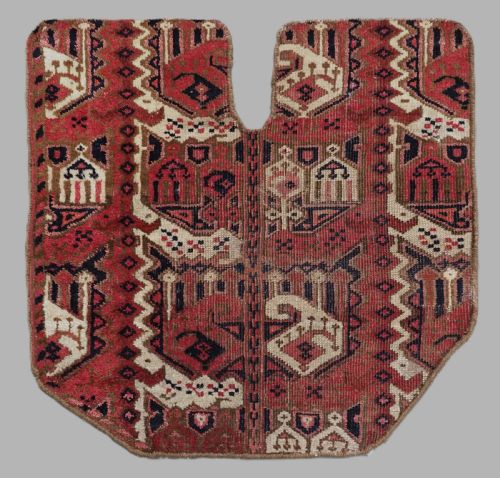
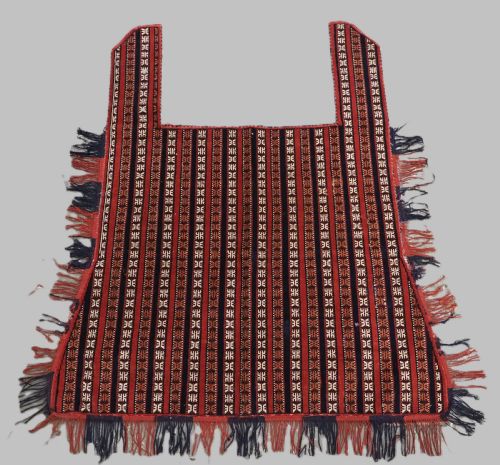
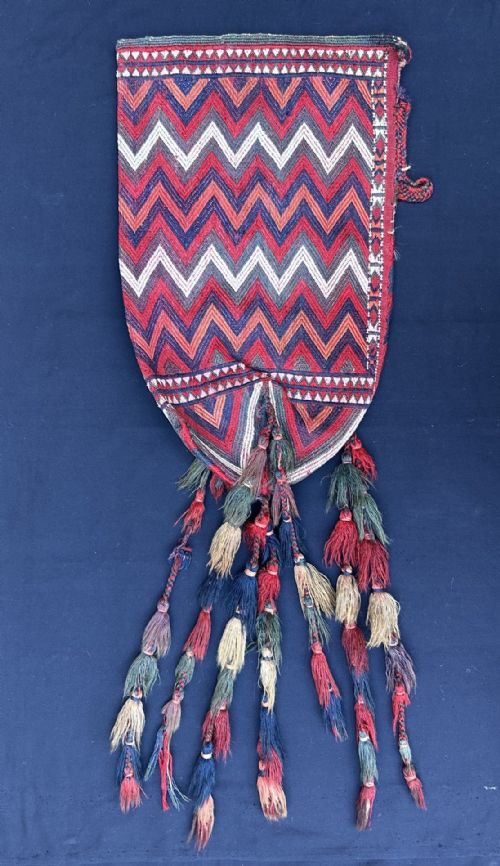
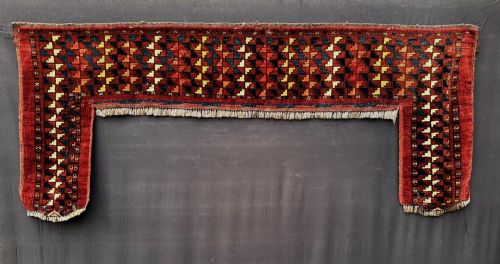
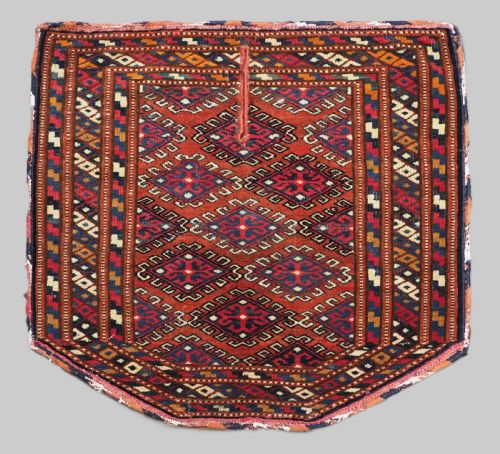
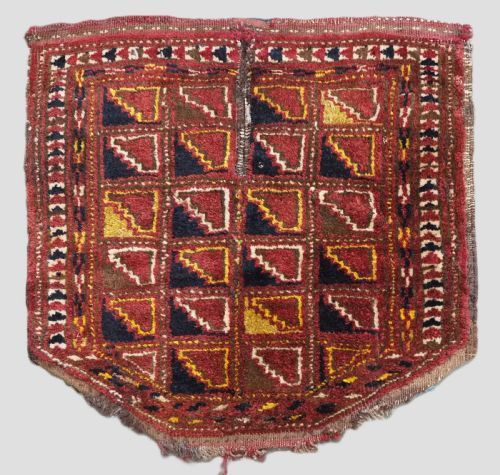
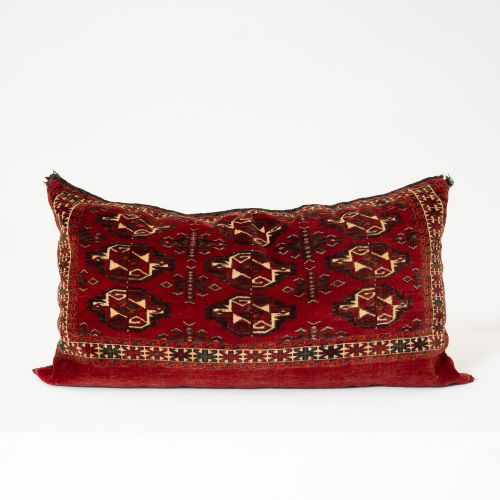
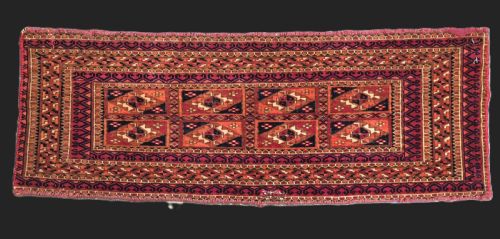
The selection frequently includes small utilitarian items such as torbas, chuvals, and saddle covers rather than large floor carpets. Domestic storage bags and tent trappings dominate the available forms.
Tribal attributions define the character of each piece, ranging from Yomut and Tekke to Ersari and Saryk groups. Each attribution brings distinct structural motifs and palette choices rooted in Central Asian heritage.
Assessing Merit
The refinement of the weave separates standard utilitarian pieces from exceptional examples of textile art. Denser knotting and precise execution of secondary guls indicate superior technical discipline on the loom.
Completeness significantly influences desirability, with surviving original backs, tassels, and matching pairs retaining greater historical integrity. Retention of vibrant natural dyes without excessive fading preserves the visual impact of the primary design.
Antique Turkmen Textile Retail Price Guide 2026
Typical asking prices for turkmen textile among the pieces listed under this phrase on Sellingantiques today, from the lower quarter to the upper quarter. They describe what is for sale here now, not the wider market.
Listings span from eighteen-fifty to nineteen-twenty, showcasing wool, natural dyes, and cotton across tribal forms.
The Antique Turkmen Textile Glossary
- Chuval
- A large storage bag used inside the yurt for household goods and bedding. These functional items typically display rows of primary guls.
- Torba
- A smaller storage bag utilised for domestic organisation and tent decoration. They frequently feature intricate repeat patterns across the face.
- Gul
- The primary medallion motif repeated across tribal rugs and trappings. Each tribal group favoured distinct geometric iterations of this design.
- Asmalyk
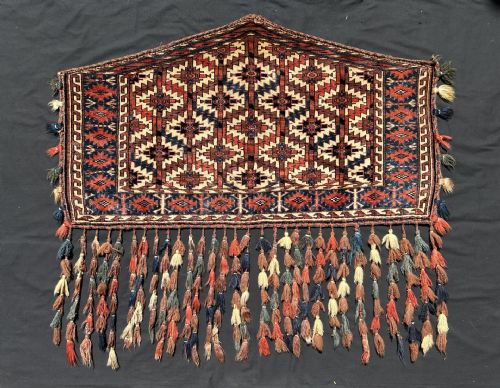
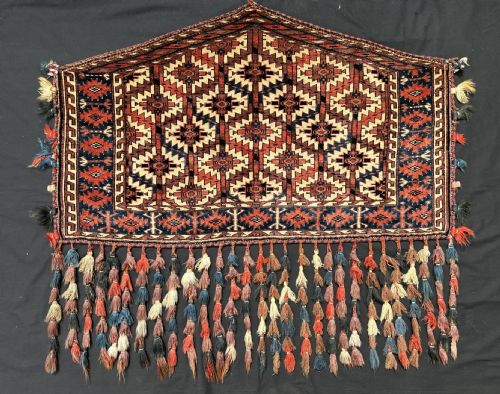
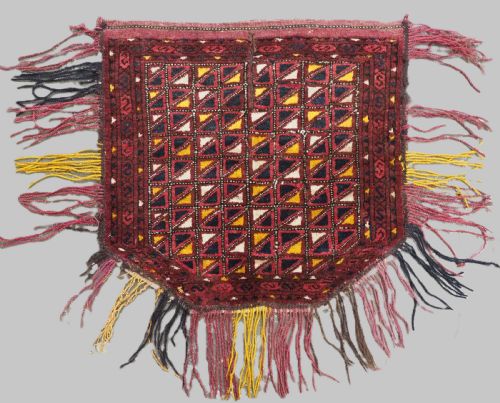
- A ceremonial camel trapping shaped as a pentagon, created for wedding processions. These decorative textiles display elaborate secondary ornamentation.
- Kap
- A general term for a bag or container used in nomadic daily life. Collectors encounter various forms designed for specific storage purposes.
Antique Turkmen Textile: Frequently Asked Questions
What is a torba used for?
Nomadic families utilised torbas as wall-hanging storage bags inside traditional dwellings. They stored smaller household possessions and personal items within the tent.
These textiles hung against the lattice walls of the yurt, combining practical organisation with vibrant tribal decoration.
How do I identify a Yomut weaving?
Yomut pieces often display distinct hooked guls and abrash colouring executed in rich madder reds. Their structural format frequently includes characteristic elem panels at the lower ends.
Examining the specific geometry of the secondary motifs helps separate Yomut work from neighbouring Tekke or Ersari tribes.
How should I display a textile?
Mounting a textile flat on a breathable backing distributes the weight evenly across the wool structure. Keeping pieces away from direct sunlight protects natural dyes from fading over time.
Gentle vacuuming through a mesh screen removes surface dust without disturbing fragile hand-spun fibres.