



Antique Trumpet Table
An antique trumpet table brings distinctive flared silhouettes and clever multi-functional interiors into Victorian and Edwardian sitting rooms.
Antique Trumpet Table
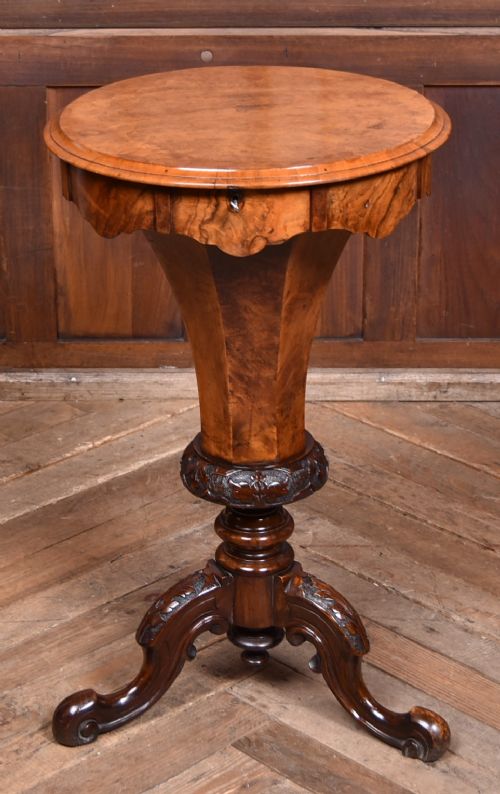
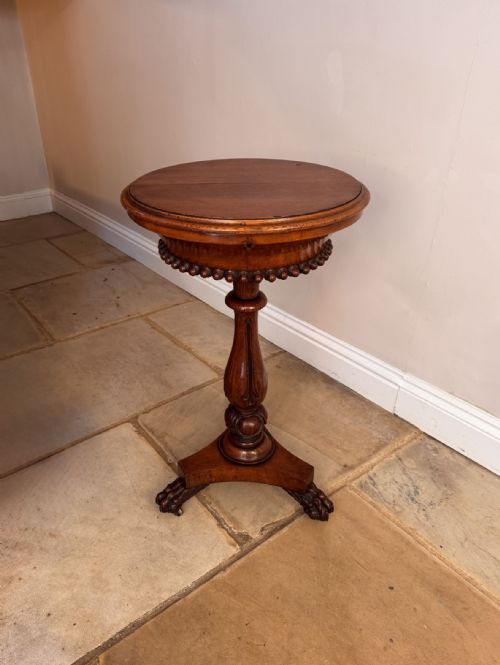
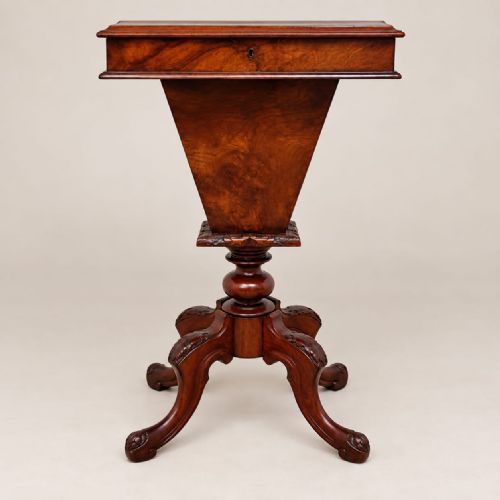
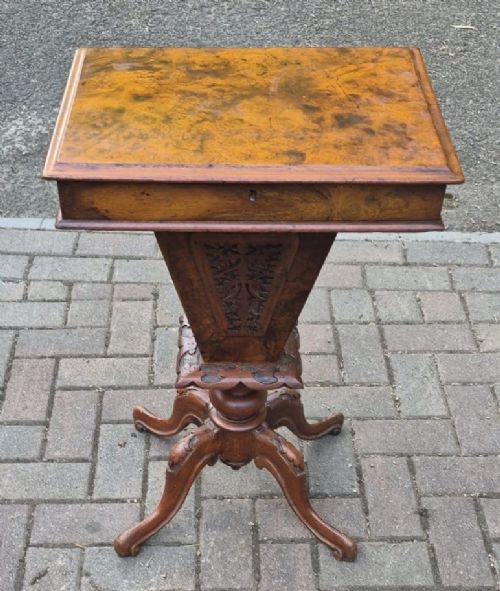
An antique trumpet table is a Victorian or later piece of furniture, most commonly designed as a ladies' work, sewing, or games table. These items feature a characteristic column that flares outward toward the base, resembling the bell of a musical instrument.
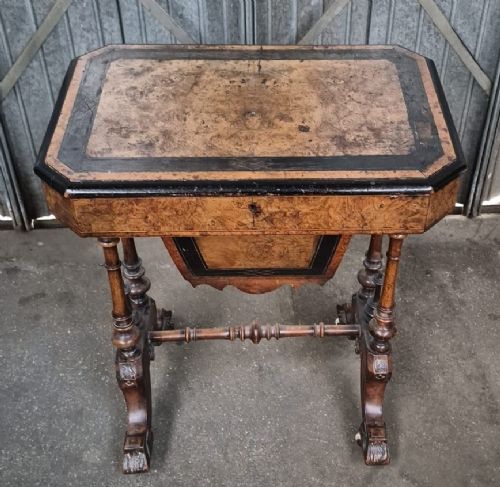
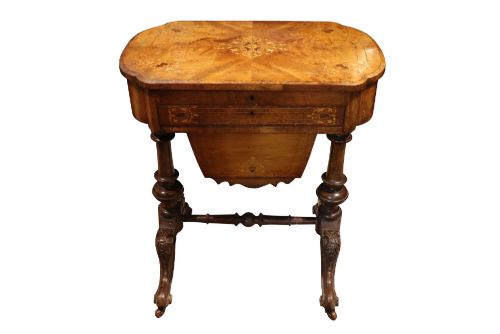
The form frequently incorporates an octagonal or circular fitted interior beneath a lid, often housing compartments for sewing equipment, alongside occasional drop-leaf or gaming surfaces. Burr walnut and rosewood dominate the surviving examples from the nineteenth century.
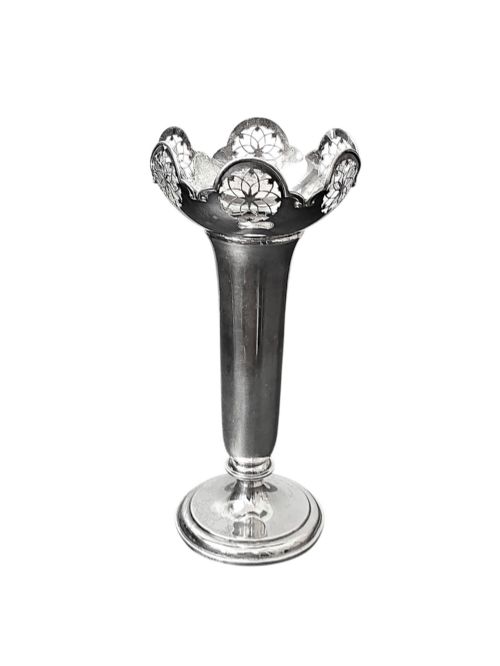
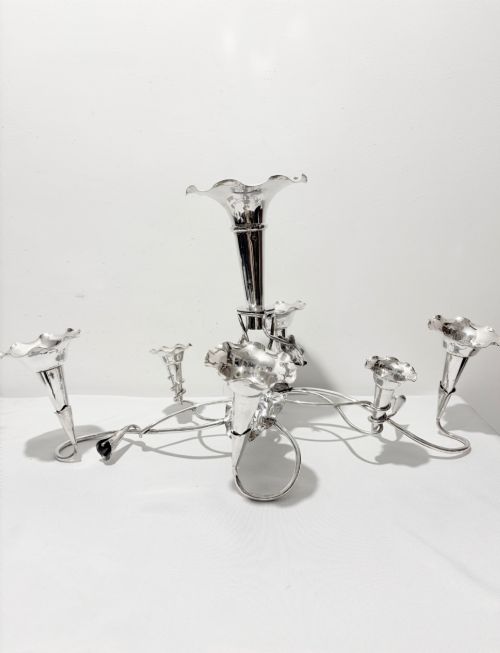
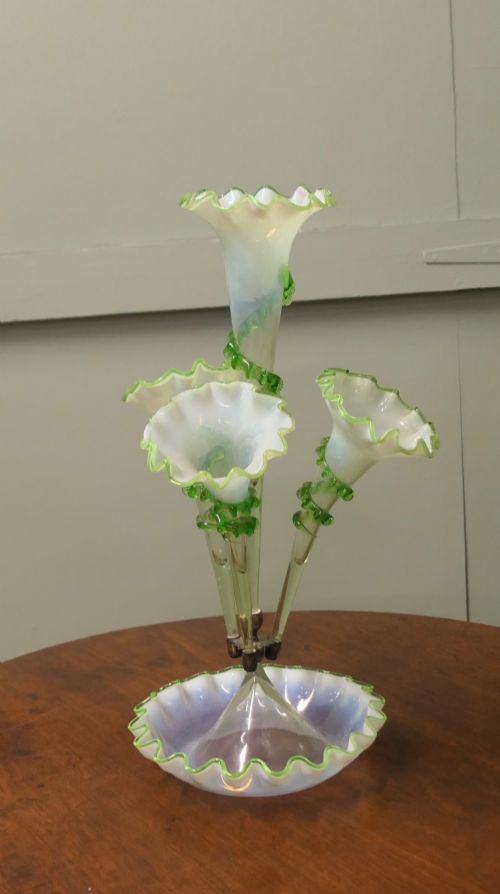
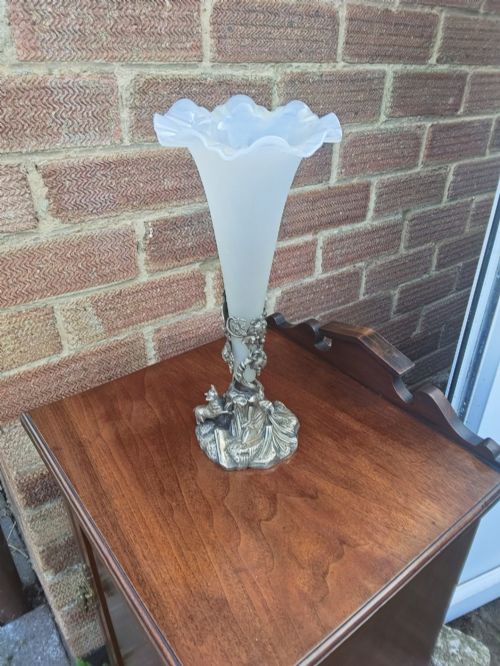
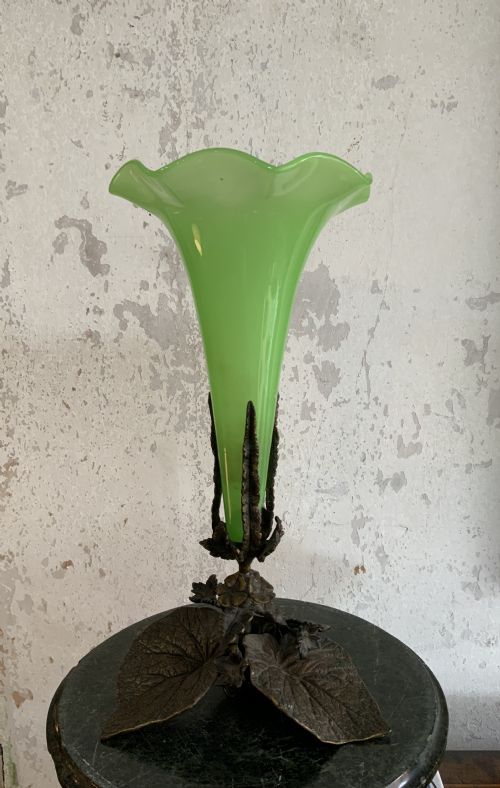
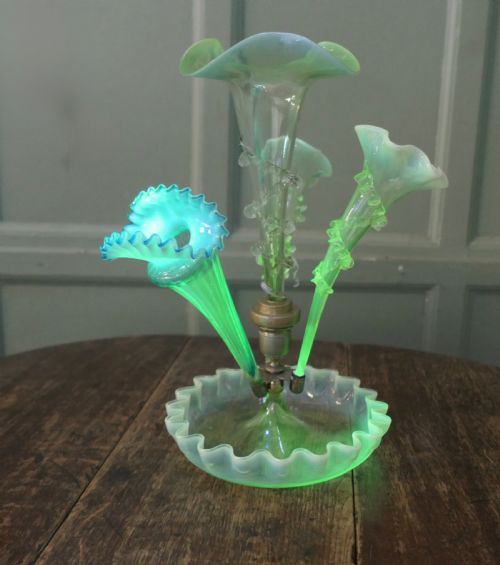
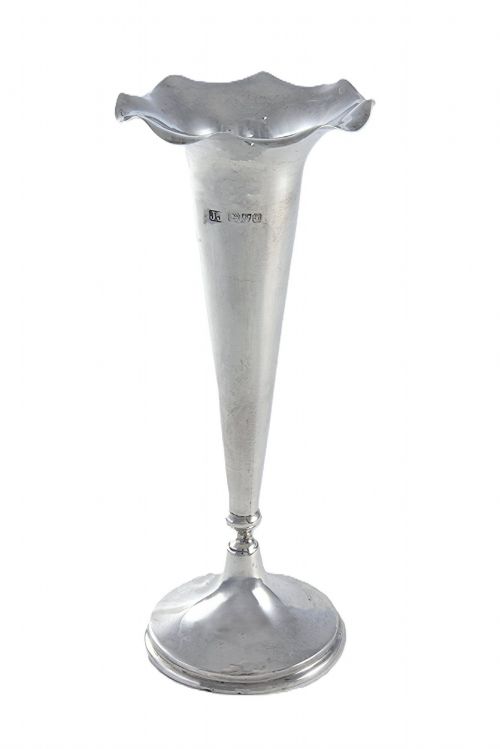
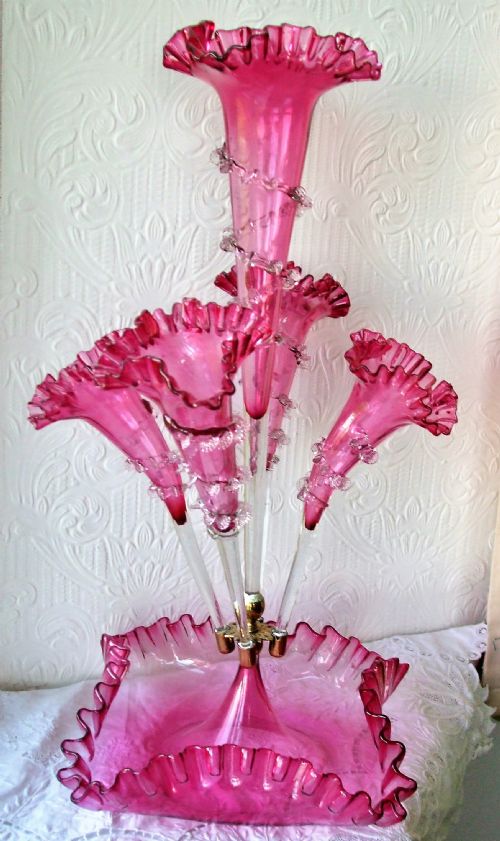
Buyers also encounter related trumpet-form items such as glass epergnes and silver vases sharing the same flared profile. Walnut, mahogany, and marquetry inlay define the primary construction materials seen across these tables.
How they were made
Cabinetmakers utilised rich timbers such as burr walnut and rosewood, frequently applying detailed marquetry inlay and delicate carving to the lid and columnar stem. These veneers were carefully laid over solid foundational woods to create intricate geometric and floral patterns.
The distinctive trumpet pedestal required skilled turning and shaping of timber to achieve the smooth, sweeping flare leading down to the carved feet. Internal workboxes demanded precision joinery to construct fitted compartments for cotton reels and sewing implements.
Antique Trumpet Table Retail Price Guide 2026
Typical asking prices for trumpet table among the pieces listed under this phrase on Sellingantiques today, from the lower quarter to the upper quarter. They describe what is for sale here now, not the wider market.
What varies in quality
Quality rests heavily on the choice of burr walnut veneer and the crispness of the marquetry inlay across the top and sides. Superior examples display symmetrical figuring in the wood grain and retain their original fitted interior compartments intact.
The stability and elegance of the flared pedestal column distinguish finer pieces from simpler utilitarian versions. Attention to detail in the carving and the retention of working locks and keys further elevate the standing of an individual table.
Josiah Williams & Co
The Antique Trumpet Table Glossary
- Trumpet table
- A nineteenth-century occasional table featuring a flared octagonal or circular body supported by a slender pedestal. This distinct shape provided a generous internal storage well for sewing or games.
- Burr walnut
- A highly prized timber harvested from walnut tree growths, displaying complex, swirling grain patterns. Cabinetmakers used its sliced veneer extensively on high-status Victorian occasional furniture.
- Marquetry
- The art of applying decorative veneer pieces of different woods and materials to form pictorial or geometric designs. It appears frequently on the lids of nineteenth-century work tables.
- Work table
- A multi-purpose piece of furniture designed for needlework, featuring internal compartments and a storage bag or well. They were essential furnishings in Victorian sitting rooms.
Antique Trumpet Table: Frequently Asked Questions
What is an antique trumpet table used for?
These tables served primarily as ladies' work or sewing stations, offering a deep internal well beneath the lid to hold yarn, needles, and fabric. Many versions also incorporated chess or games boards on the surface or sliding compartments.
Today, collectors utilise them as compact occasional tables or bedside stands where hidden storage remains practical. Their decorative marquetry and distinctive silhouette also make them striking standalone display pieces.
How do I date an antique trumpet table?
The majority of these pieces originate from the Victorian era, specifically between the eighteen-sixties and eighteen-eighties, marked by the extensive use of burr walnut and rosewood. Construction methods, such as hand-cut dovetails on internal drawers and the style of inlay, help narrow the period.
Later Edwardian examples tend to show lighter timbers or different decorative motifs, while mid-nineteenth-century versions often rely on heavier carving and rich rosewood veneers. Examining the hinges, locks, and secondary woods provides further clues to the exact decade of manufacture.
Are all trumpet tables made of burr walnut?
While burr walnut is the timber most commonly associated with these pieces, makers also utilised solid mahogany and rosewood. The choice of wood often reflects the prevailing fashion of the specific decade within the nineteenth century.
Inlaid variations frequently combine walnut with lighter fruitwoods for marquetry details, whilst others rely entirely on the rich, dark grain of rosewood. Each material changes the overall visual weight and tone of the flared pedestal.
How do I care for a burr walnut trumpet table?
Polished wood surfaces require protection from direct sunlight and extreme changes in temperature to prevent the delicate burr walnut veneer from cracking or fading. Regular dusting with a soft, dry cloth maintains the finish without building up residue.
Applying a traditional beeswax occasionally helps nourish the antique timber and preserve its natural lustre. Care should also be taken to support the drop-leaves or hinged lids gently when accessing the internal compartments.