
Antique Trinket Dish
An antique trinket dish is a small vessel designed for keeping personal items, combining utility with decorative craftsmanship across various historical periods.
Antique Trinket Dish
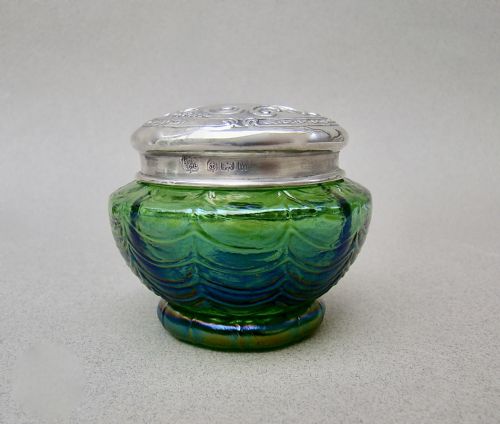
When searching for an antique trinket dish, buyers encounter a diverse selection of small vessels, boxes, trays, and bowls designed for holding jewellery and personal items. The pieces span from the late nineteenth century through to the early twentieth century, encompassing Victorian, Edwardian, and Art Nouveau periods.
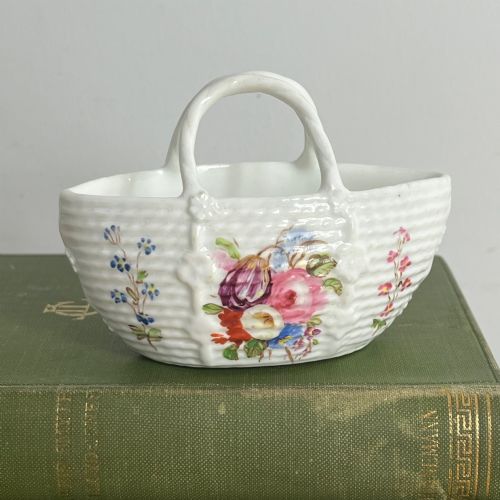
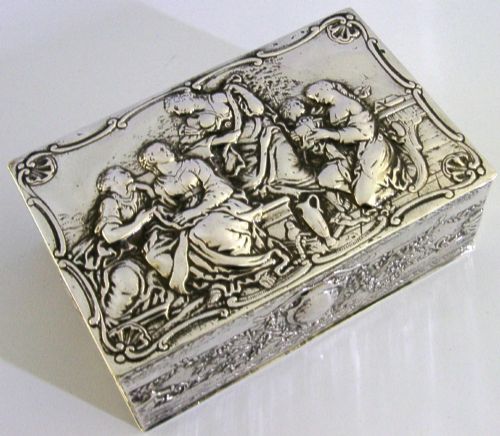
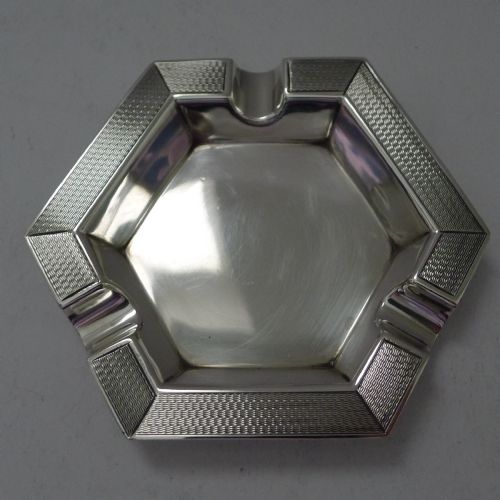
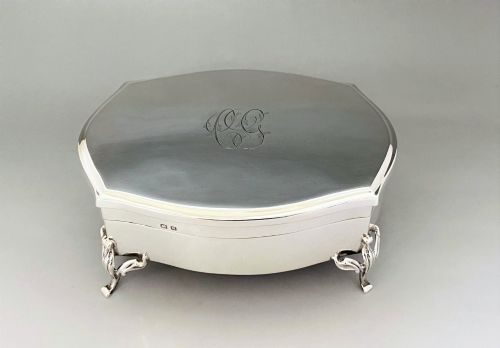
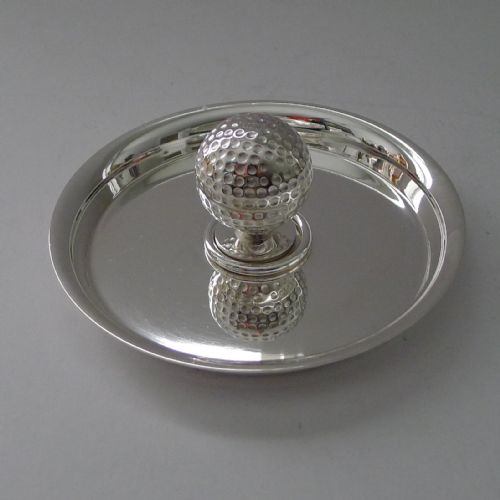
The most common versions met on this page include sterling silver and silver-plated dishes, alongside lidded glass boxes, porcelain bowls, and earthenware trays. Objects range from simple card trays and pin dishes to elaborate cast silver table boxes and handpainted porcelain pieces.
Origins vary widely, featuring English, French, German, and Chinese export craftsmanship, demonstrating the global reach of decorative arts in the nineteenth and twentieth centuries. Buyers find items shaped as shells, lotus flowers, and boats, alongside traditional round and oval receptacles.
How They Were Made
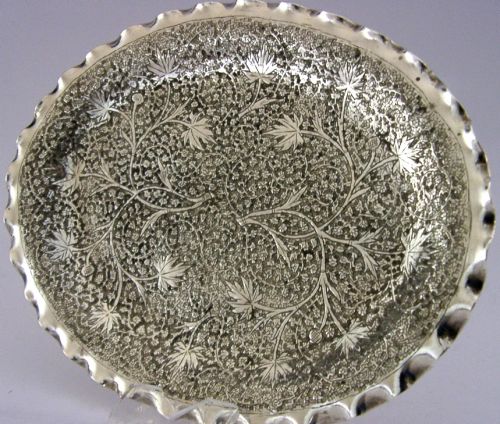
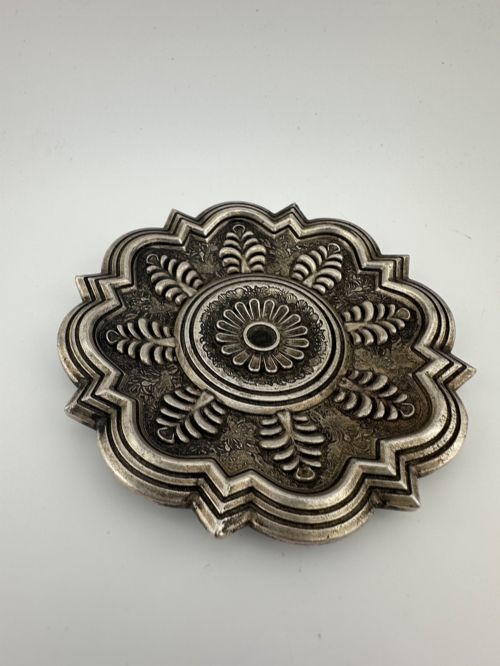
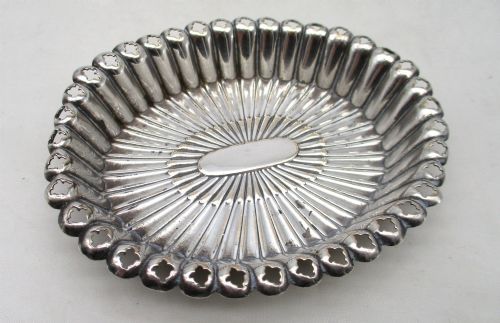
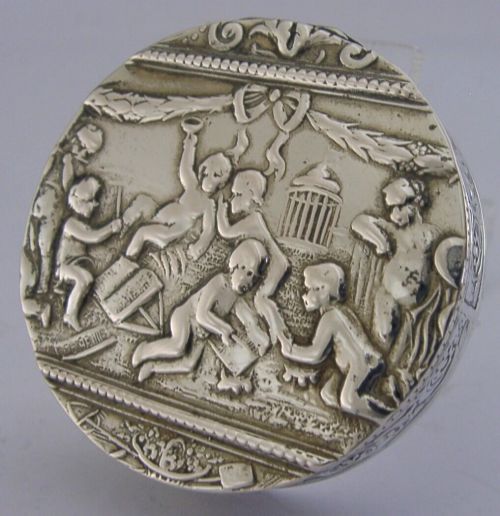
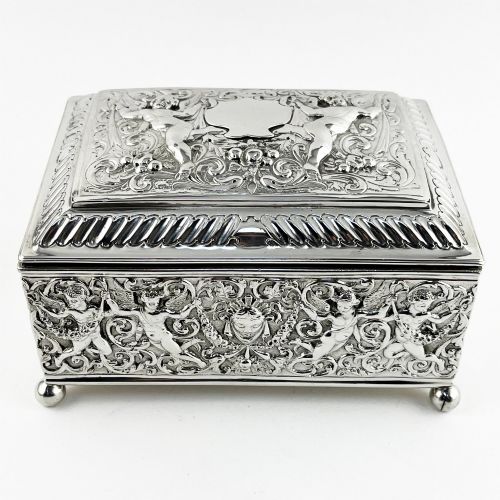
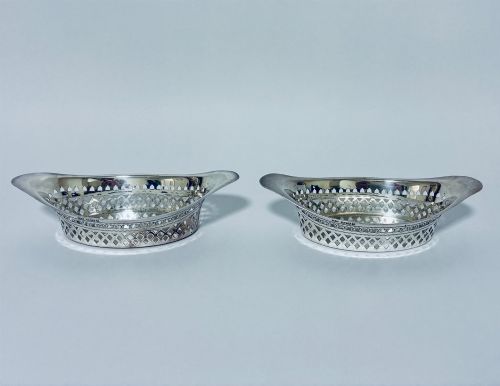
Silversmiths utilised sterling silver and silver plate, employing repoussé techniques to hammer floral and figural reliefs into the metal from the reverse. Piercing, casting, and chasing were also standard methods for creating intricate decorative bowls and lidded boxes.
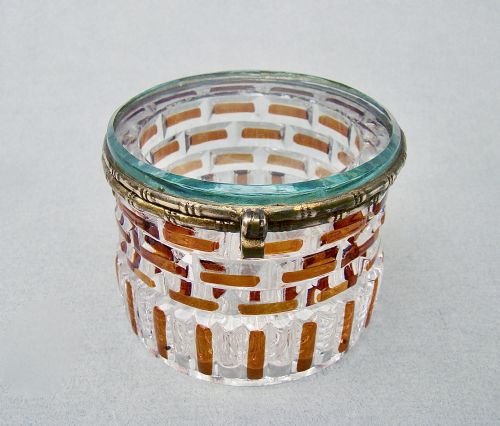
Ceramic pieces relied on porcelain, earthenware, and faience, shaped by hand or mould before receiving handpainted glazes and gilt detailing. Glassmakers used cut glass, enamel, and satin glass, sometimes combining amber or green hues with precious metals.
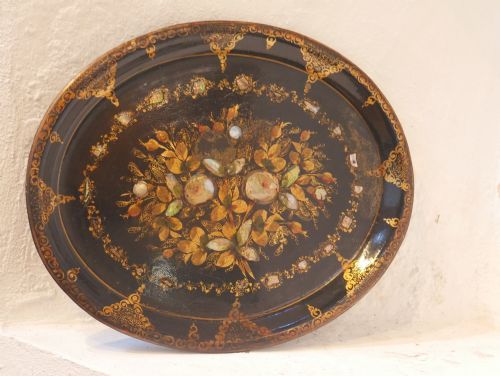
Additional materials such as tortoiseshell, malachite, agate, and mother-of-pearl were integrated into brass, ormolu, and silver mountings to provide contrasting textures and rich visual depth.
Several pieces take unusual animal forms, including a figural monkey holding a mother-of-pearl dish and a silver rowing boat.
What Varies in Quality
The standard of an antique trinket dish rests upon the crispness of its manufacture, whether in the depth of chased repoussé silver work or the precision of handpainted ceramic details. Finer pieces display careful attention to hidden surfaces, clean hallmarks, and secure mountings for organic inlays like tortoiseshell or agate.
Material selection and artistic collaboration heavily influence the standing of an object, particularly items produced by recognised workshops or utilising high-grade malachite, solid silver, and layered art glass. The harmony between decorative style, such as Art Nouveau fluidity or Rococo Revival ornamentation, and structural integrity defines the upper tier of the range.
William Neale·A. J. Pepper & Co·Flight Barr & Barr·A. Bromet & Co·Liberty & Co·William Comyns·Robert Pringle & Sons
The Antique Trinket Dish Glossary
- Repoussé
- A metalworking technique where the artisan hammers a design from the reverse side to create a raised relief on the front. This method was widely used on Edwardian and Victorian silver trays to form floral and angelic motifs.
- Faience
- Tin-glazed earthenware produced in various European traditions, particularly French potteries. It provides an opaque white surface suitable for handpainted decoration.
- Ormolu
- Gilt bronze mounted onto decorative objects and furniture, popular in nineteenth-century luxury pieces. It gives a rich golden finish to structural elements framing stone or glass.
- Porringer
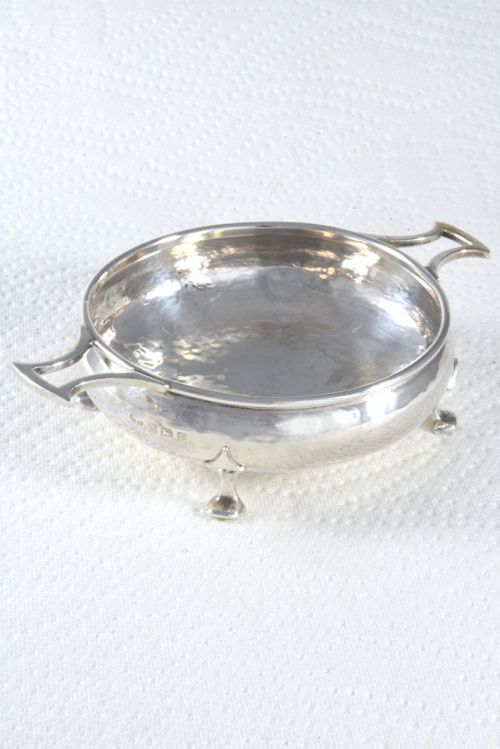
- A small, shallow bowl with one or two horizontal flat handles, used historically for soft foods or liquids. In later periods, it transitioned into a purely decorative or serving bowl format.
- Traders mark
- A stamp or hallmark applied to precious metals to indicate the maker, standard of purity, and year of assay. These symbols provide exact dating and attribution for silver pieces.
Antique Trinket Dish: Frequently Asked Questions
What were antique trinket dishes used for?
These small vessels served as designated receptacles on dressing tables, sideboards, and desks for keeping rings, pins, and small personal valuables. They kept daily accessories organised and protected delicate items from loss or damage.
Over time, many evolved from functional dressing room accessories into purely decorative display pieces, showcasing fine materials like porcelain, silver, and cut glass in formal rooms.
How can I tell Victorian from Edwardian pieces?
Victorian items, produced between eighteen thirty-seven and nineteen hundred, often feature heavier, ornate designs drawing on Rococo Revival styles, deep repoussé work, and dark woods or rich ceramics. The ornamentation tends to be dense and heavily textured.
Edwardian pieces, made from nineteen hundred to nineteen ten, frequently display lighter, airier aesthetics influenced by Art Nouveau curves, delicate floral garlands, and brighter combinations of enamel and sterling silver.
Are porcelain and glass dishes fragile?
While materials like Baccarat glass, Limoges porcelain, and earthenware possess inherent fragility, their survival across multiple centuries demonstrates reasonable durability with careful handling. Sudden temperature changes can stress historical glass and ceramics.
Displaying them away from high-traffic edges and handling lidded boxes by the base rather than the lid ensures safe daily enjoyment of these delicate antiques.