



Antique Tribal Throw
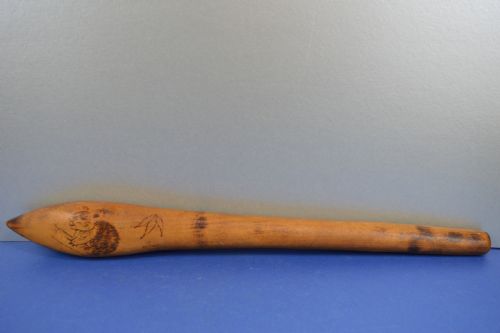
When you search for an antique tribal throw, you are looking at diverse woven textiles, embroidered panels, and wooden throwing clubs made by indigenous communities.
Antique Tribal Throw
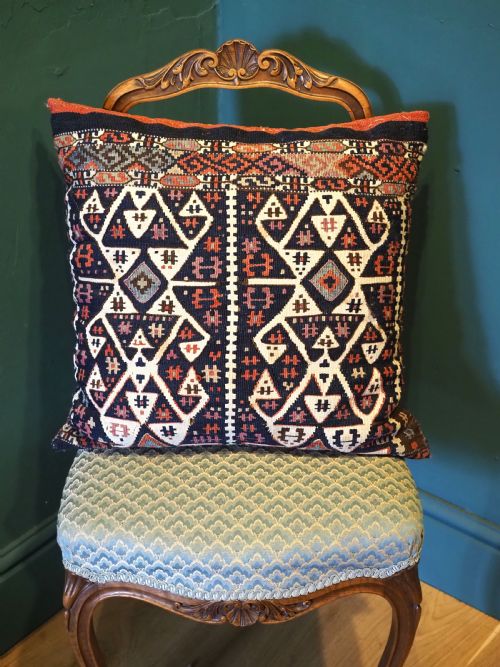
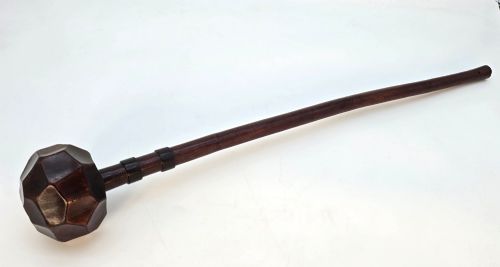
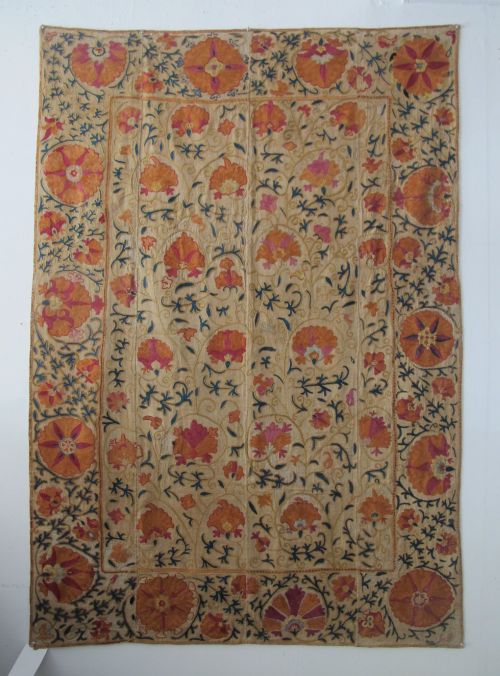
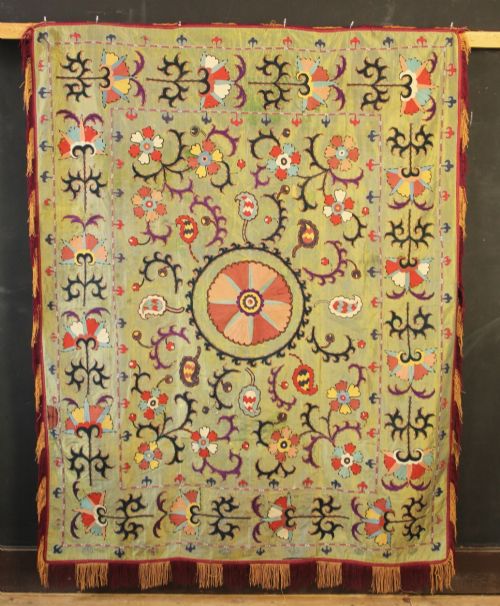
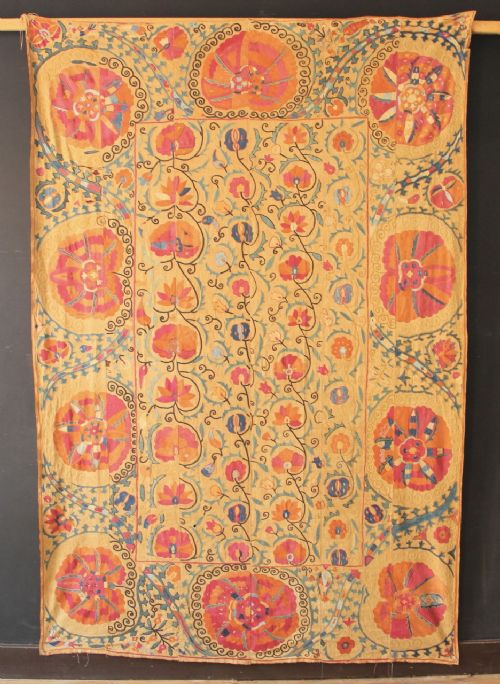
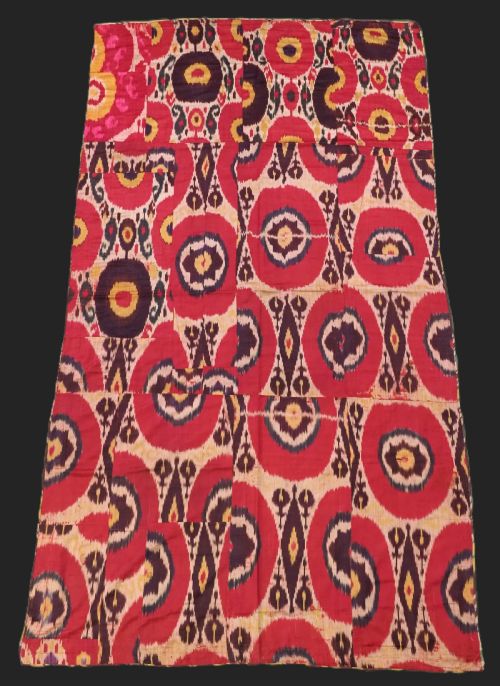
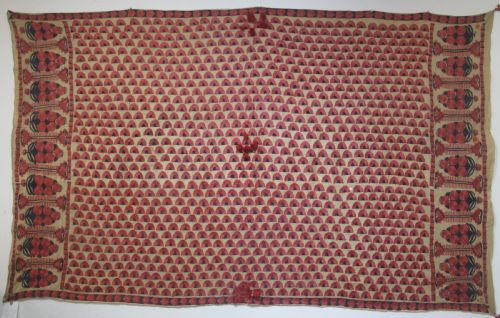
The antique tribal throw category spans functional textiles like silk suzanis and kilim cushions alongside wooden throwing clubs from various regions. Buyers encounter items originating from Central Asian traditions, Anatolian workshops, and indigenous makers across the nineteenth and early twentieth centuries.
The selection ranges from embroidered cotton and wool panels, such as those from Uzbekistan and Pakistan, to utilitarian hardwood objects from Southern Africa and the South Seas. These pieces reflect specific cultural practices, employing traditional motifs and regional weaving or carving methods.
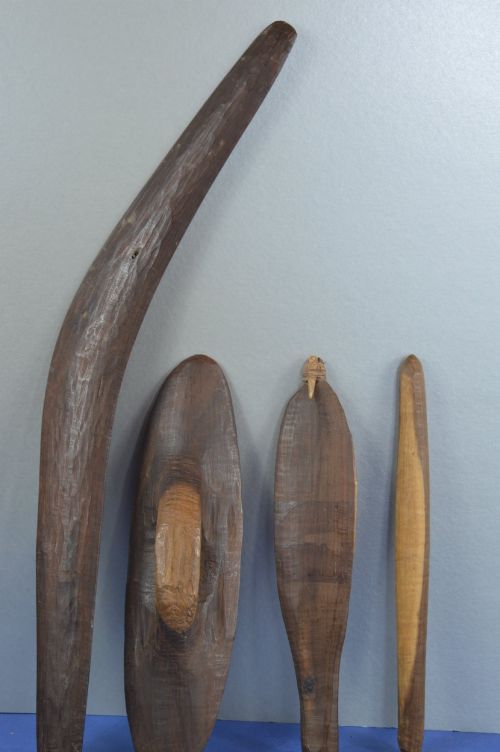
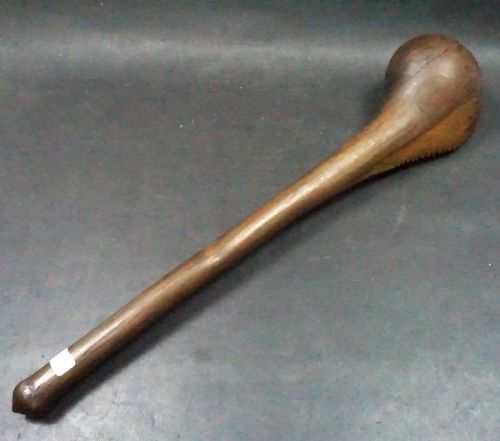
Textile forms include wall hangings, village rugs, and cushion covers adapted from larger saddle bags and carpets. Wooden implements comprise hunting sets and throwing clubs fashioned from indigenous hardwoods.
Materials and construction techniques
Makers utilised natural materials including cotton, wool, and silk, applying silk thread for intricate embroidery upon cotton or wool grounds. Woven items often incorporate plant fibre and natural resin elements within traditional structures.
Wooden artefacts such as throwing clubs and hunting weapons were shaped from hardwood and indigenous hardwood, relying on manual carving techniques. Textiles combined hand-weaving with surface embroidery, frequently executed across distinct regional centres.
Many antique kilim cushions started life as sturdy saddle bags before finding a softer retirement on nineteenth-century sofas.
Factors determining quality
Quality depends upon the density and precision of the hand embroidery, particularly in complex suzani panels where full work displays greater technical skill than sparse stitching. The fineness of the silk thread and the stability of the foundation fabric distinguish superior pieces.
For wooden throwing implements, quality relates to the integrity of the hardwood carving, balance, and the preservation of original surface patination. Consistency in the hand-woven structure of kilims and cushions similarly dictates the standard of textile pieces.
The Antique Tribal Throw Glossary
- Suzani
- An embroidered textile panel originating from Central Asia, traditionally made as part of a bride's dowry. These pieces typically feature vibrant silk thread worked on a cotton or wool foundation.
- Kilim
- A flat-woven carpet or rug produced in regions such as Anatolia and Central Asia. They lack a pile, created instead by tightly interweaving warp and weft strands.
- Knobkerrie
- A traditional Southern African wooden club characterised by a large knob at the end of the shaft. Used historically for hunting, warfare, and throwing.
- Ula
- A traditional throwing club originating from Fiji, featuring a distinct lobed head carved from hardwood. Warriors utilised these weapons in combat and projectile throwing.
- Ground
- The base fabric or background material upon which embroidery is applied. In many Central Asian textiles, this consists of dyed cotton or wool.
Antique Tribal Throw: Frequently Asked Questions
What is a suzani?
A suzani is a decorative embroidered textile panel from Central Asia, often created in regions like Uzbekistan. These items were traditionally produced by brides as part of their dowry.
They feature elaborate silk embroidery on cotton or wool foundations, displaying floral and geometric motifs that reflect specific regional traditions.
How do I date these textiles?
Dating relies on stylistic analysis, material composition, and regional characteristics documented across nineteenth and early twentieth-century examples. Natural dyes and hand-spun silk or cotton indicate earlier periods.
Examining the backing fabric and stitch density helps place pieces within specific decades from the eighteen-hundreds onward.
How should I care for antique textiles?
Antique textiles require gentle handling, protection from direct sunlight to prevent dye fading, and occasional light vacuuming through a mesh screen. Avoid harsh chemical cleaning methods.
Mounting wall hangings correctly relieves tension on fragile cotton and wool grounds, preserving the structural integrity of the fabric.