



Oriental Textile Hanging
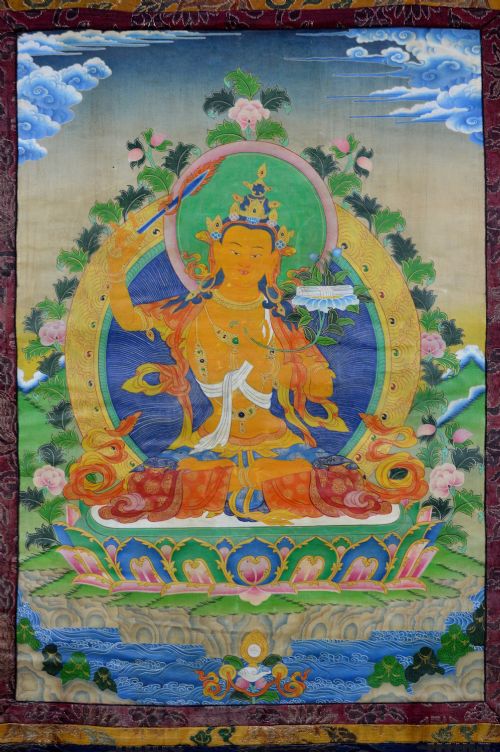
An oriental textile hanging brings patterned wool and embroidered silk from Central Asia, Persia, and China straight onto the wall.
Oriental Textile Hanging
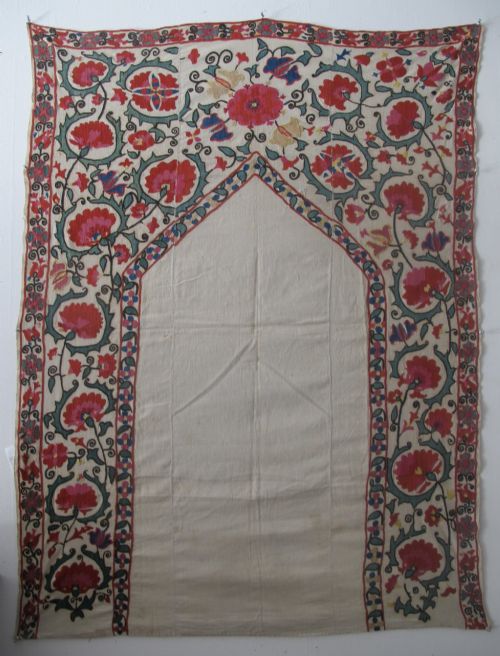
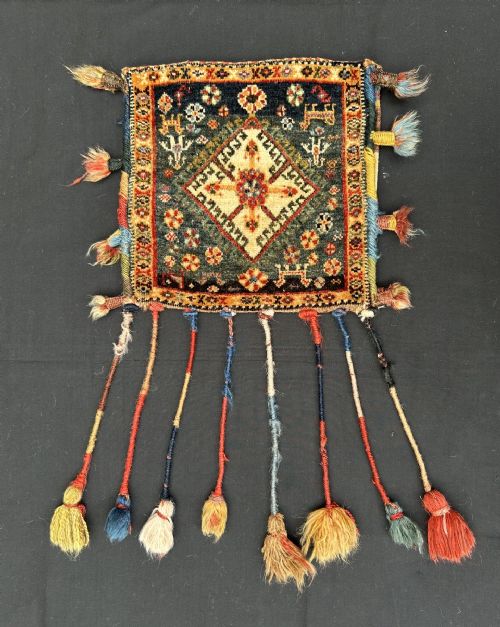
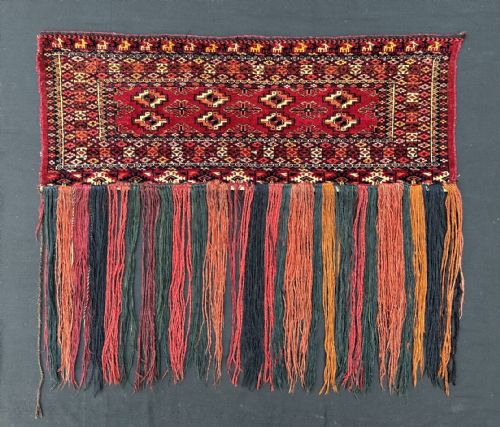
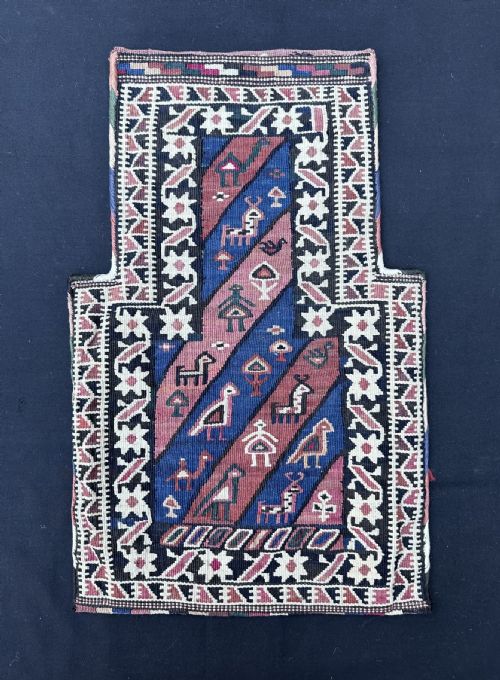
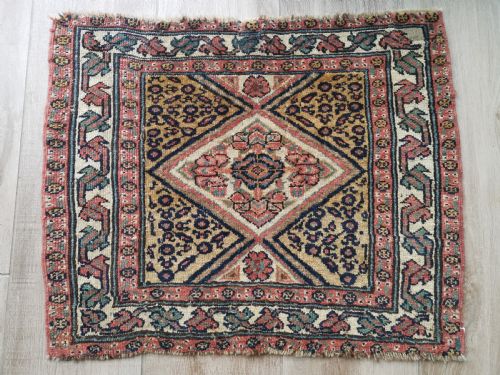
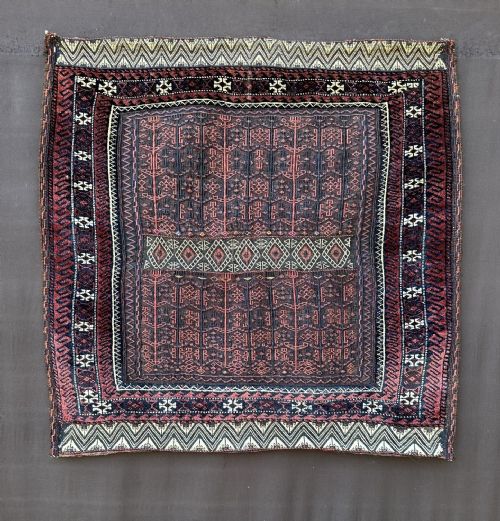
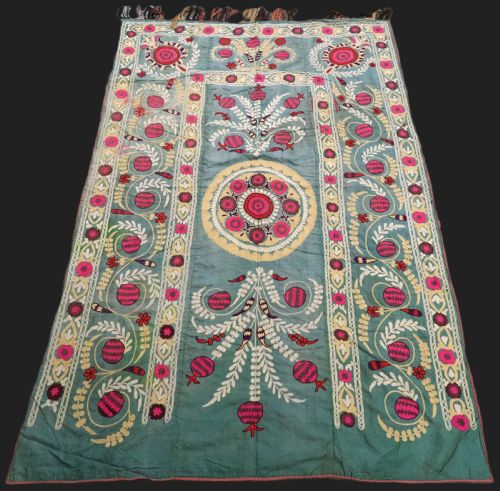
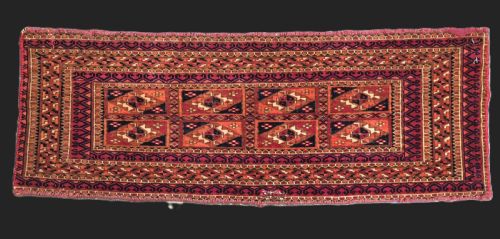
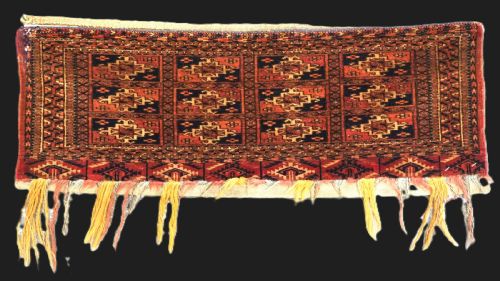
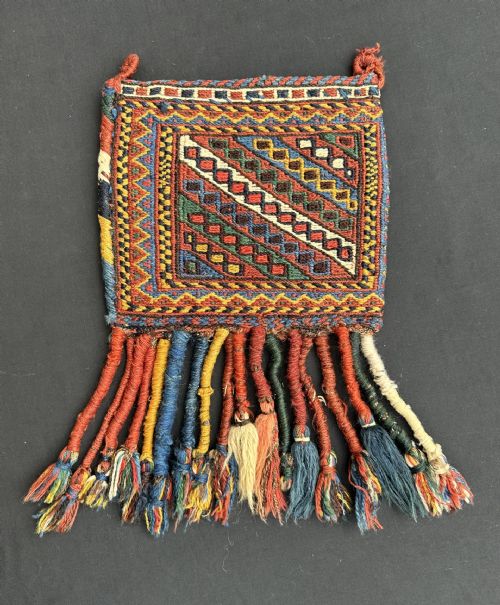
An oriental textile hanging encompasses woven bagfaces, torbas, embroidered suzanis, and wall panels originating from tribal and regional cultures. These items span periods from the mid-nineteenth century through to the early twentieth century, reflecting traditional domestic and nomadic crafts.
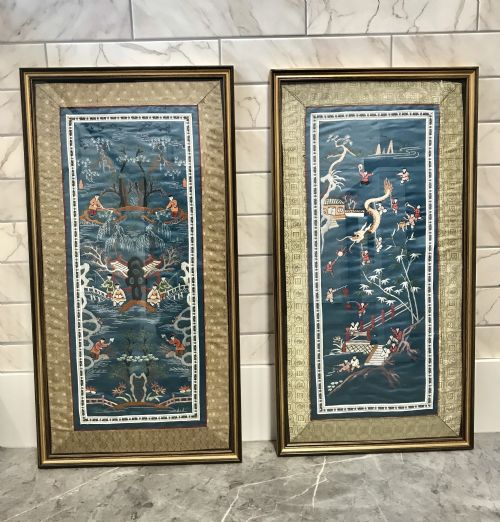
Buyers will most frequently encounter Turkmen storage bags, Persian embroideries, and Uzbek suzanis on this page. These works range from small dowry pieces and fragments to larger architectural hangings and framed panels.
The objects serve as textile art and historical documents of tribal weaving traditions across Central Asia and the Near East. Each piece retains the structural characteristics of its original utilitarian purpose, adapted over time for display.
How they were made
Makers utilised natural dyes and hand-spun materials, predominantly combining wool, cotton, and silk across the various regional traditions. Embroidery works incorporate fine silk threads applied to wool, cotton, or felt backings using needlework techniques.
Weaving methods include pile knotting and flatweave structures such as sumac, producing dense surfaces for storage bags and tent furnishings. Panels often feature detailed hand-sewn embroidery depicting floral motifs, figures, or traditional geometric guls.
What varies in quality
Quality depends upon the fineness of the weave, the clarity of the design elements, and the preservation of the original materials. Pieces with tight knotting or precise needlework demonstrate superior technical execution by the maker.
The vibrancy and retention of natural dyes significantly influence the visual impact of a textile. Intact borders, complete backs, and original hanging loops also elevate the integrity of surviving tribal bags and panels.
The Oriental Textile Hanging Glossary
- Torba
- A small Turkmen storage bag traditionally used inside a nomadic tent. These rectangular pieces often feature prominent tribal guls along the face.
- Suzani
- An embroidered textile from Uzbekistan and surrounding regions, typically worked in silk on a cotton or linen ground. They often display large floral or architectural patterns.
- Gul
- A repeating medallion or tribal motif found across Central Asian carpets and storage bags. Each design often identifies the specific tribe or clan that wove the piece.
- Chuval
- A large Turkmen tent bag used for household storage. They frequently display multiple rows of guls and robust plain weave backs.
- Sumac
- A flatweave technique where supplementary weft threads wrap around the warp yarns to create a textured, durable surface. This method appears on various saddlebags and animal trappings.
Oriental Textile Hanging: Frequently Asked Questions
What is an oriental textile hanging?
An oriental textile hanging is a woven or embroidered artefact originating from Central Asian, Persian, or Chinese traditions. These pieces include nomadic storage bags, suzanis, and decorative panels adapted for wall display.
Most examples date from the nineteenth or early twentieth century. They showcase traditional materials such as wool, cotton, and silk combined with natural dyes.
How were these textiles used originally?
Many of these textiles functioned as utilitarian items within nomadic or village households. Storage bags held household goods, bedding, or provisions inside tents.
Other pieces served as dowry items, bed covers, or decorative wall furnishings. Over time, many bagfaces and fragments transitioned entirely into wall hangings for preservation and display.
How do I hang a textile safely?
Hanging a textile safely requires distributing the weight evenly across the entire upper edge. Sewing a cotton sleeve to the back allows a padded rod to support the piece without placing stress on the fibres.
Direct sunlight should be avoided to protect natural dyes from fading. Displaying textiles away from moisture ensures the wool, cotton, and silk remain stable.
How can I tell different tribal designs apart?
Tribal designs are distinguished by their specific repeating motifs, colour palettes, and structural proportions. Turkmen tribes such as the Tekke, Yomut, and Ersari utilised characteristic guls and border patterns.
Persian and Caucasian groups employed distinct geometric or curvilinear compositions. Examining the weave density and material preparation also provides clues to regional origins.