
Antique Tribal Rug Hanging
An antique tribal rug hanging brings centuries of nomadic artistry into a modern room through woven bags, horse covers and dowry textiles.
Antique Tribal Rug Hanging
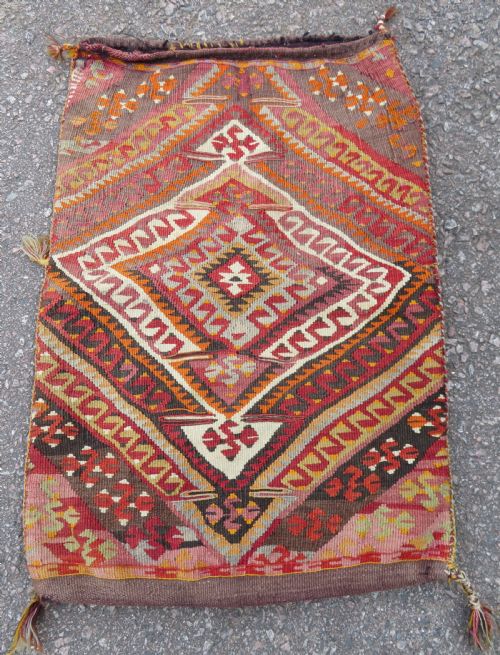
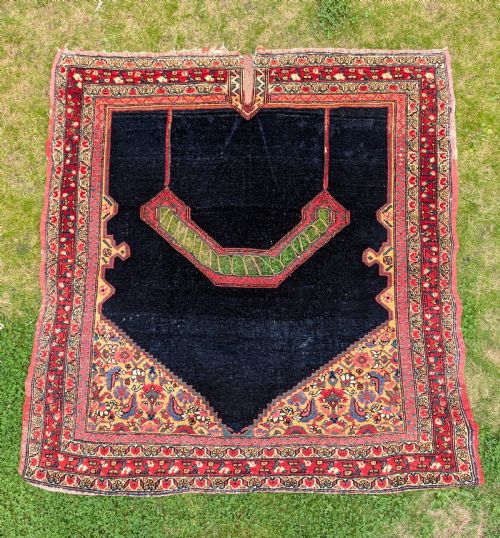
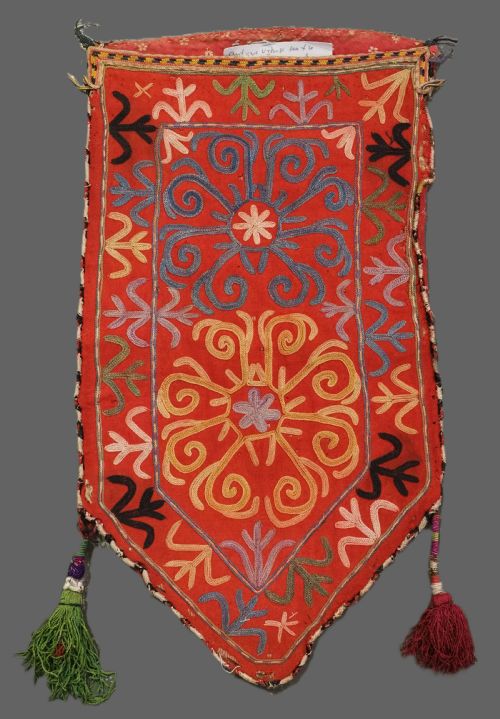
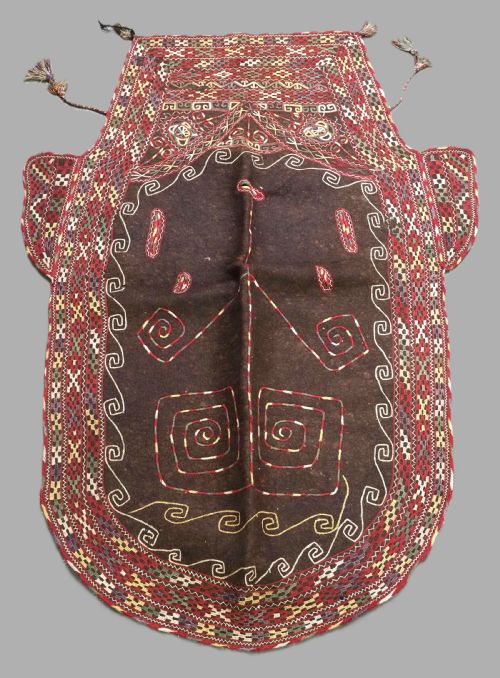
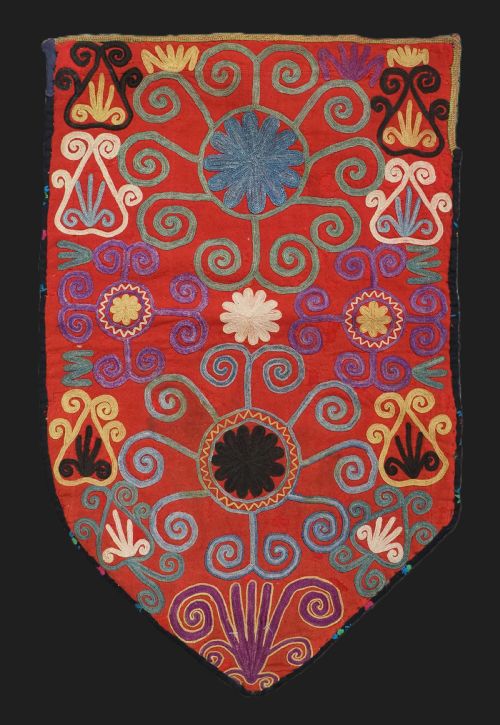
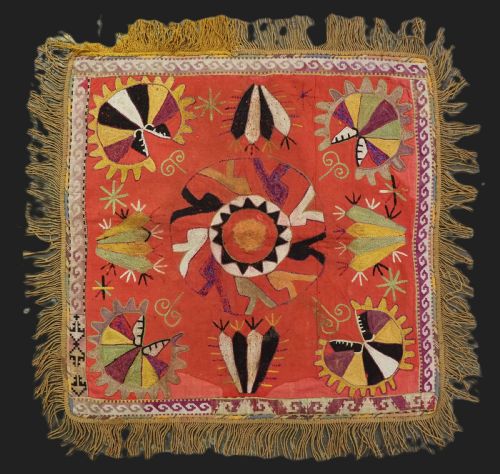
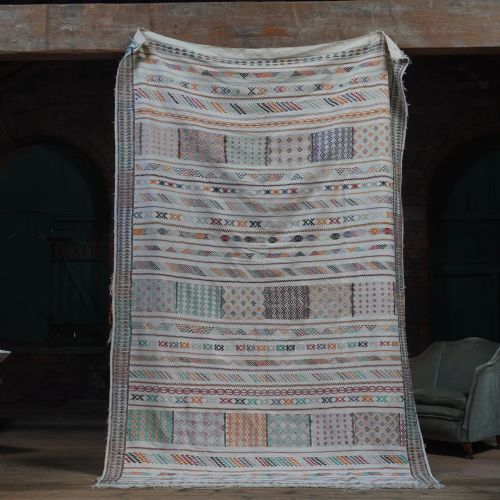
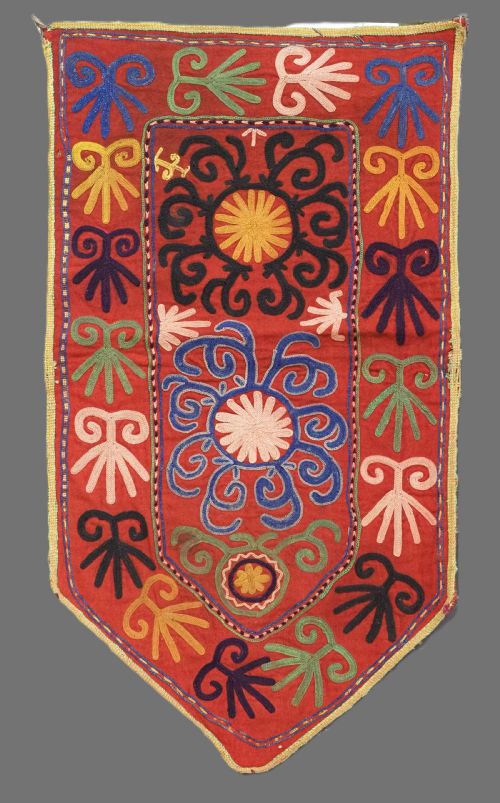
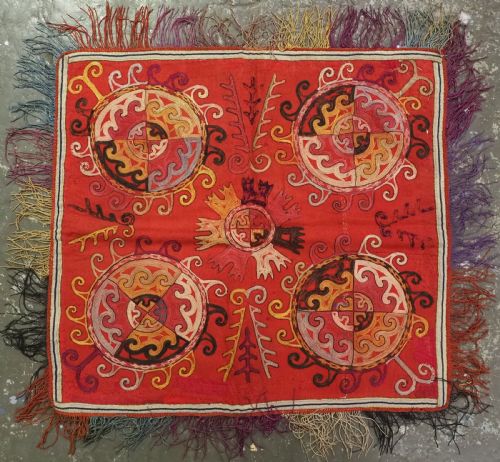
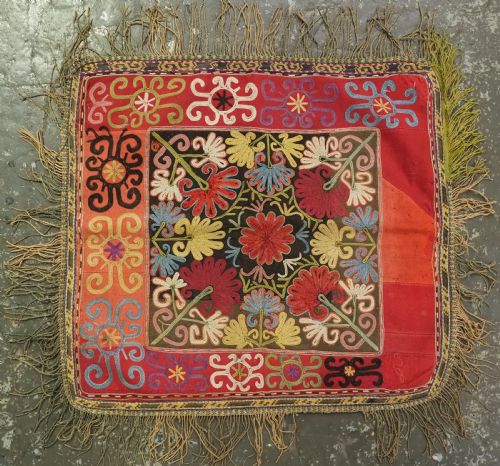
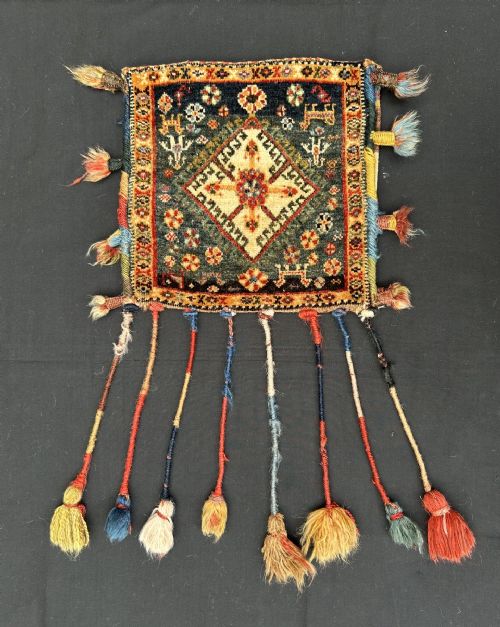
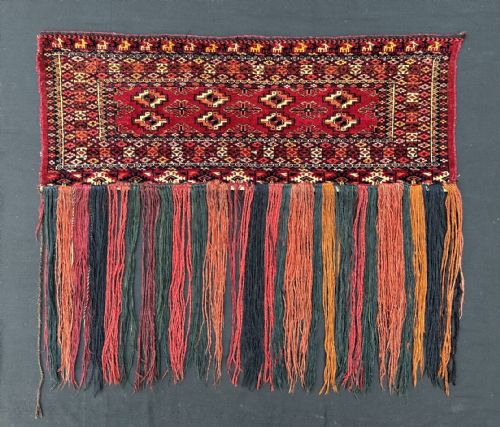
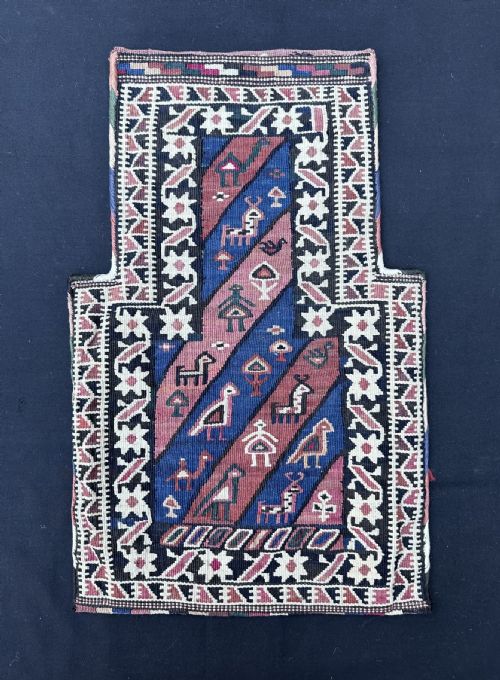
An antique tribal rug hanging encompasses textiles originally created for nomadic and village life across Central Asia and Persia. These items include utilitarian storage bags, pipe and vanity pouches, horse covers, saddle rugs, and dowry embroideries utilised within tribal households. On this page, buyers encounter diverse regional forms such as Uzbek Lakai wedding embroideries, Turkmen tent bags, and Persian nomadic bagfaces.
The material heritage spans from the nineteenth century into the early twentieth century, reflecting the distinct handiwork of groups including the Yomut, Ersari, Afshar, and Qashqai. Surviving examples demonstrate the domestic economy of pastoral communities through durable wool structures and meticulous needlework. Displaying them on a wall preserves both the utility and the artistic output of these nomadic makers.
How they were made
Makers relied primarily on hand-spun wool and cotton foundations, building strength into everyday items like storage bags and saddle covers. Natural dyes provided the palette for these textiles, yielding deep reds, indigos, and earth tones that aged organically over generations. Artisans frequently combined pile weaving with flat-weaving techniques to achieve varied textures across a single surface.
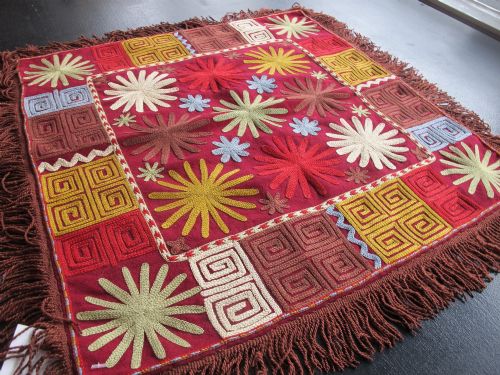
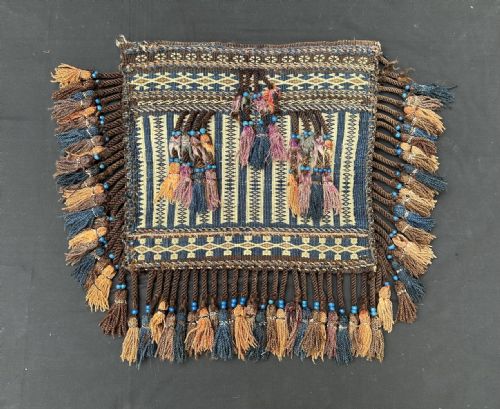
Embroidery formed a vital method of ornamentation, particularly in Central Asian pieces where silk thread and felted wool embellished dowry hangings and horse blankets. Glass beads occasionally joined the embroidery to highlight specific motifs on specialised pouches and mirror covers. This combination of dense needlework and sturdy wool construction ensured the textiles endured the harsh rigours of nomadic existence.
Nomadic weavers packed tiny glass beads into dowry embroideries to deflect the evil eye from newlywed tents.
What varies in quality
The refinement of the wool and the precision of the spinning directly influence the integrity of each textile. Superior pieces display tightly packed foundations and resilient pile that maintain structural firmness. Inferior examples may show brittle wool or loose structural tension from lower-grade materials.
Artistic execution and dye saturation separate standard utility items from exceptional works. Master weavers achieved vibrant depth through skilled application of natural dyes, while meticulous needlework in embroidered pieces demonstrates superior technical control. Balance of design and clarity of tribal motifs reveal the maker's proficiency.
The Antique Tribal Rug Hanging Glossary
- Asmalyk
- A pentagonal or polygon-shaped trapping created by Turkmen tribes, traditionally hung on the flanks of a bride's wedding camel. These decorative covers display complex geometric patterns unique to specific sub-tribes.
- Ilgich
- An embroidered hanging produced by Uzbek Lakai tribes, frequently created as dowry art to adorn the interior walls of a yurt. They feature dynamic, applique-rich needlework using silk thread on wool or cotton.
- Jollar
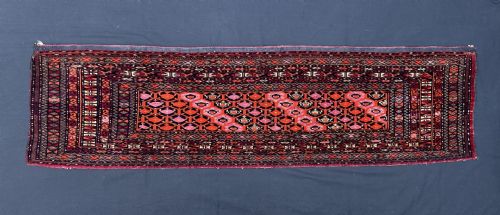
- A Turkmen tent bag utilised for domestic storage inside the nomadic dwelling. These rectangular pieces typically feature primary gul motifs arranged in horizontal rows.
- Bagface
- The decorative front panel of a nomadic storage sack, preserved after the plain back dissolved from wear. Collectors mount these panels as compact textile art.
Antique Tribal Rug Hanging: Frequently Asked Questions
Where do these tribal textiles originate?
The pieces originate from regions across Central Asia, Turkmenistan, Afghanistan, and Persia, fashioned by distinct tribal confederations. Groups like the Yomut, Ersari, Afshar, and Uzbek Lakai developed regional aesthetics and weaving techniques.
Local environments and available flora directly influenced the natural dyes and materials employed by each specific tribe.
How should I hang a textile safely?
Mounting requires a method that distributes the weight evenly across the entire upper edge to prevent distortion of the wool or cotton foundation. Using a fabric sleeve hand-stitched to the back or specialised non-damaging textile clamps protects the piece.
Keep the hanging away from direct sunlight and moisture to preserve the natural dyes and fragile silk embroidery threads.
How can I tell different tribal styles apart?
Distinguishing styles involves examining the characteristic colour palette, structural weave, and primary geometric motifs associated with specific regions. Turkmen pieces frequently employ gul medallions and deep reds, whereas Persian nomadic works often incorporate intricate animal forms and varied field layouts.
Familiarity with the distinct handiwork of groups like the Baluch or Qashqai helps clarify individual origins.