
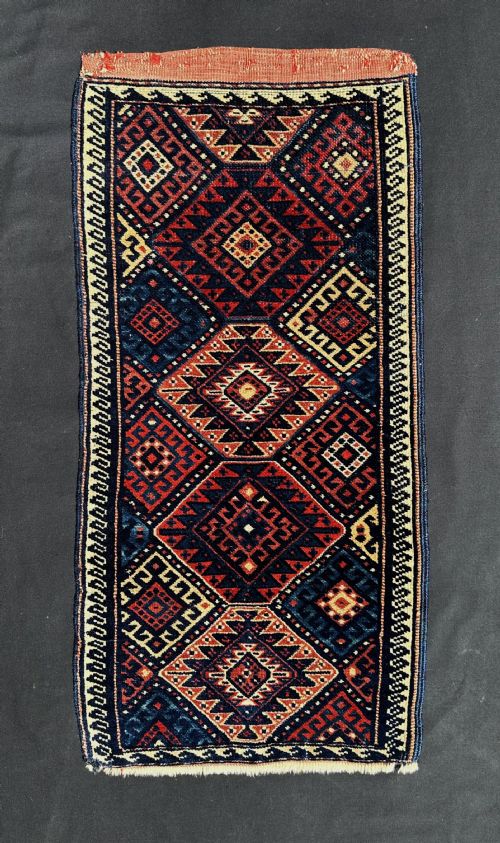


Antique Tribal Pillow Bag
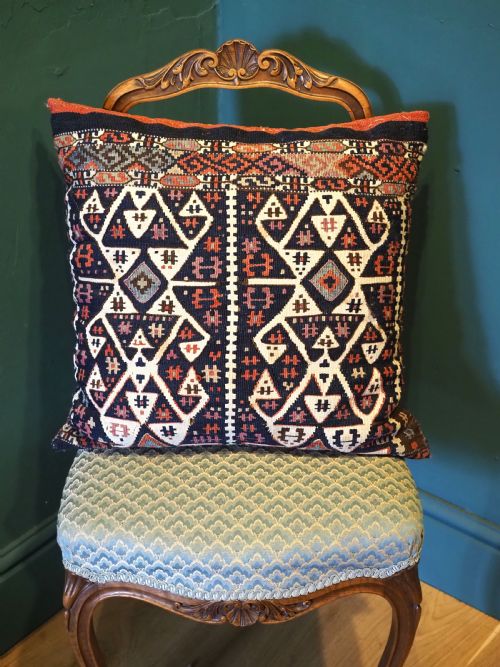
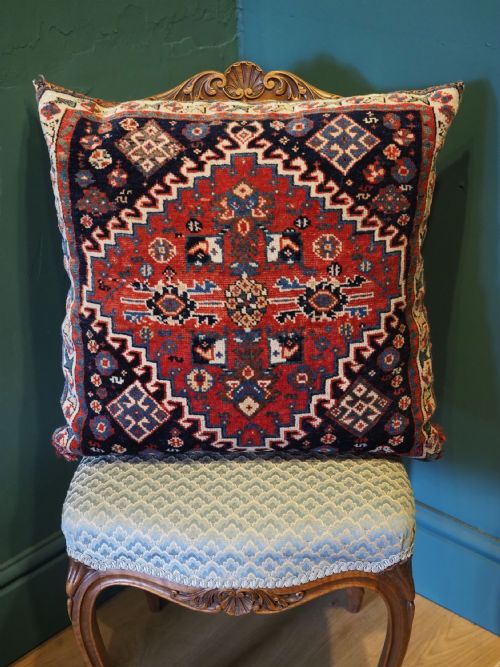
An antique tribal pillow bag brings genuine nomadic heritage into a room, offering rich textures and historic flatweave or pile designs.
Antique Tribal Pillow Bag
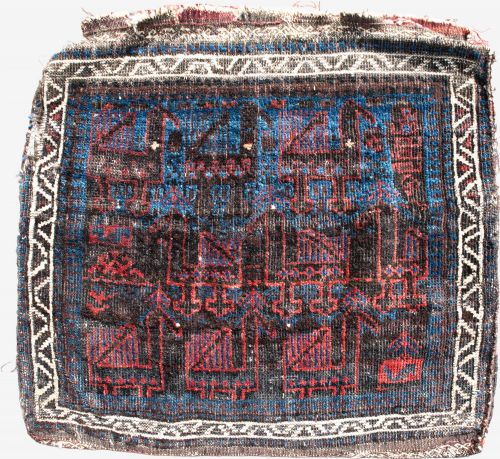
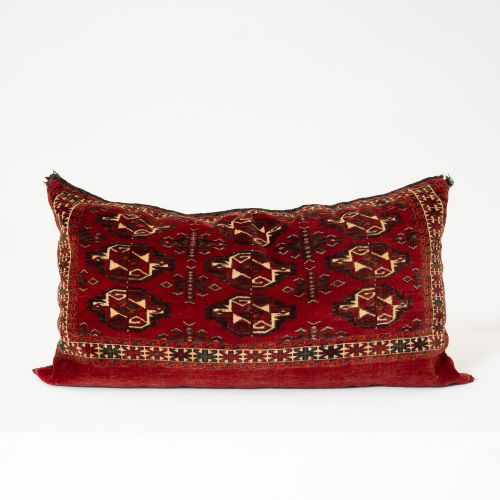
Buyers encountering this selection will find bag faces and complete storage sacks adapted into cushions, originating from tribal groups including the Turkmen, Qashqai, Baluch, and Shahsevan.
The periods span from the mid-nineteenth century through the early twentieth century, encompassing pieces created during the 1860s, 1880s, 1890s, and early 1900s.
Materials and construction
Weavers utilised hand-spun wool and cotton foundations, dyed with natural colourants to build deep, saturated tones across geometric and symbolic motifs.
Techniques combine pile weaving and flatweave construction, resulting in durable structures such as kilim backs, knotted bag faces, and detailed supplementary weft patterns.
Several bags still retain their original plain weave backs and wool tassels, having survived a century of desert travel simply to become someone's favourite sofa cushion.
Assessing the examples
The standard of an antique tribal pillow bag rests on the fineness of the knotting or flatweave precision, alongside the clarity and balance of traditional tribal motifs like guls and herati patterns.
The integrity of the remaining wool, the complexity of the natural dye palette, and whether original backs and tassels survive set finer examples apart from simpler utilitarian remnants.
The Antique Tribal Pillow Bag Glossary
- Chuval
- A large Turkmen storage bag used for bedding and household goods. These pieces typically feature multiple guls arranged across the face.
- Torba
- A smaller storage bag traditionally hung on the tent wall. They display varied banded flatweave or piled designs.
- Gul
- A medallion motif repeated across Turkmen and Central Asian weaving. Each pattern often identifies a specific tribe or clan.
- Kilim
- A flatweave textile produced by tightly interlocking warp and weft threads. This technique creates a smooth surface without pile.
- Balisht
- A traditional Persian term for a pillow or small bag face. These items were originally utilised for sleeping or domestic comfort.
Antique Tribal Pillow Bag: Frequently Asked Questions
How were these bags used originally?
Nomadic tribes utilised these containers for transporting grain, clothing, and bedding on pack animals during seasonal migrations. Once inside the tent, they served as functional wall storage and household organisation.
Over time, many of these utilitarian containers were repurposed into cushions or decorative furnishings for modern interiors.
How do I care for an antique textile cushion?
Gentle vacuuming with low suction helps remove surface dust without catching on aged wool fibres or loose tassels. Keeping the textile away from direct sunlight prevents natural dyes from fading.
Professional specialist cleaning is recommended if deeper maintenance is required for older natural fibres.
What is the difference between a bag face and a complete bag?
A bag face is simply the decorative front panel of an original storage sack, which was often separated when the utility portion wore out. Complete bags retain their original plain weave backs, and occasionally surviving tassels or closures.
Both forms are frequently converted into cushions for contemporary display.