


Antique Tribal Flatweave
When you search for antique tribal flatweave, you enter a world of nomad-made textiles woven across Persia, the Caucasus, Anatolia, and Central Asia.
Antique Tribal Flatweave
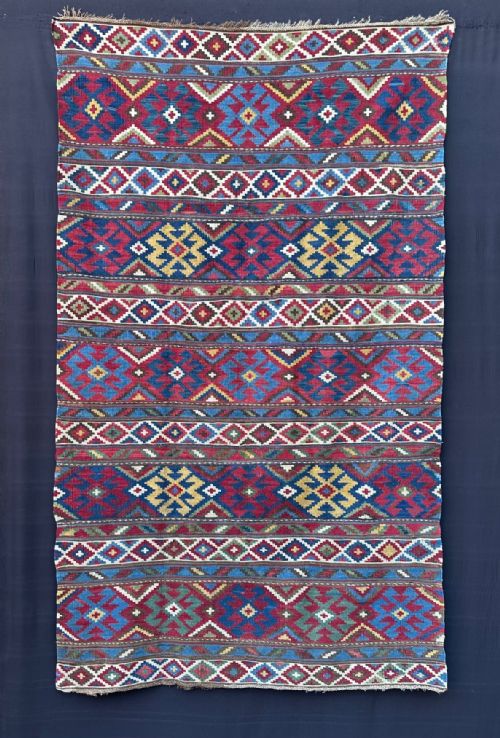
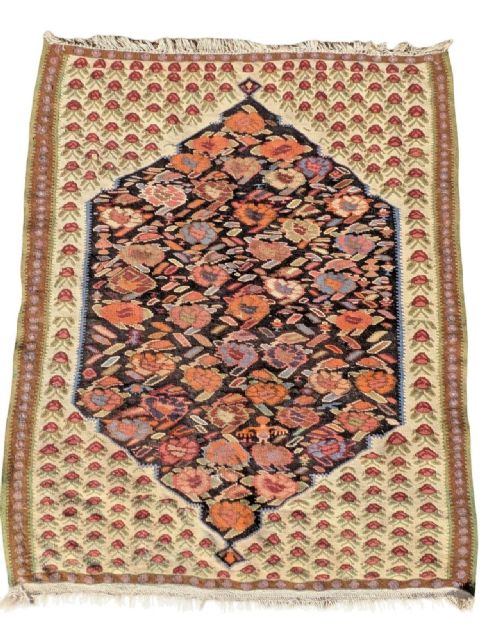
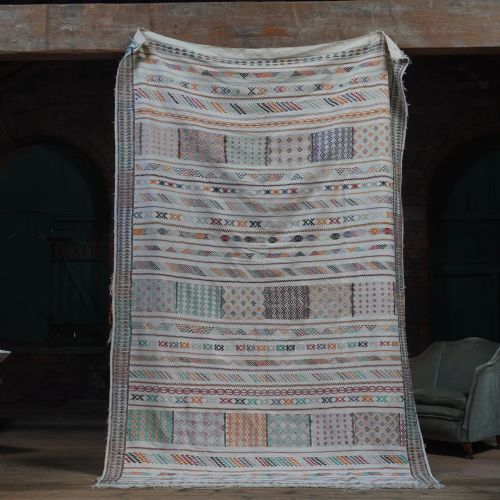
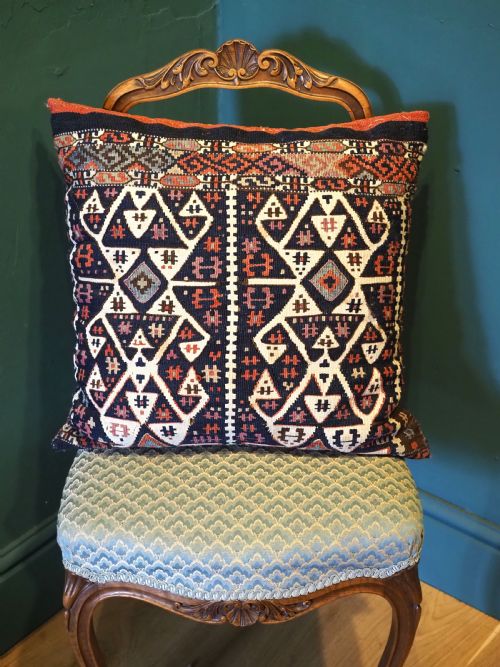
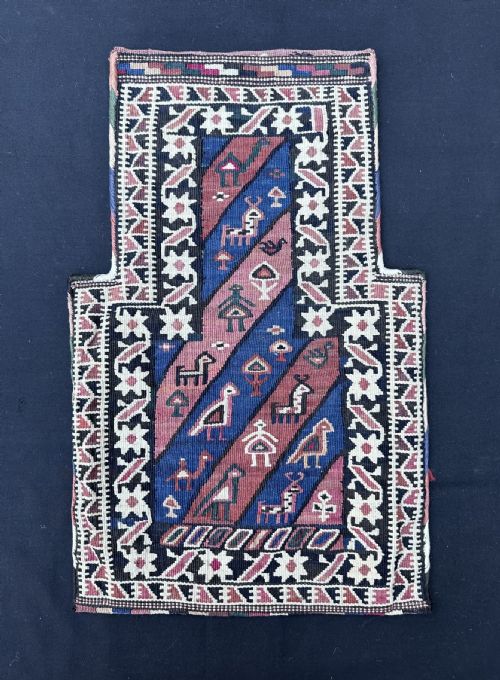
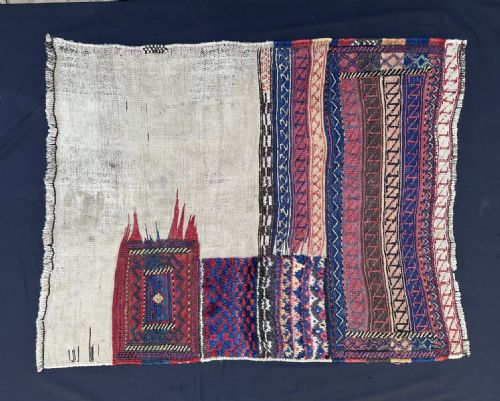
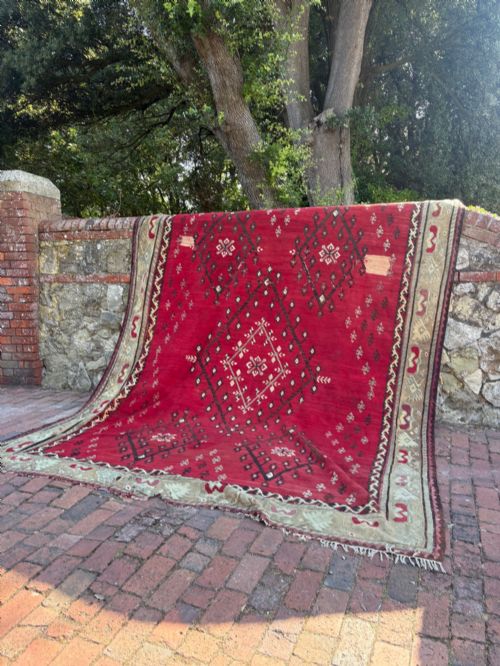
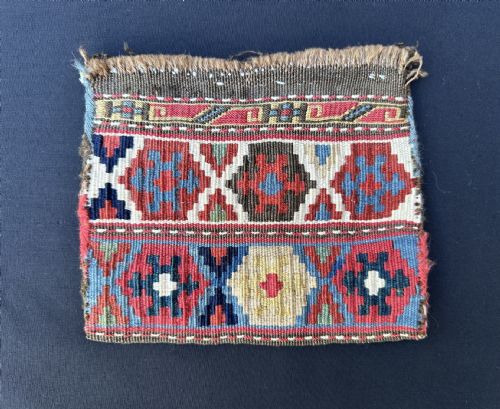
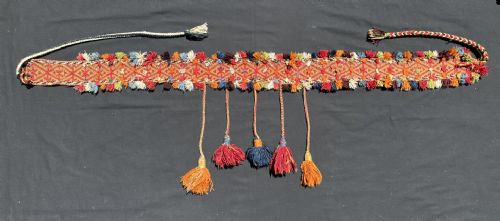
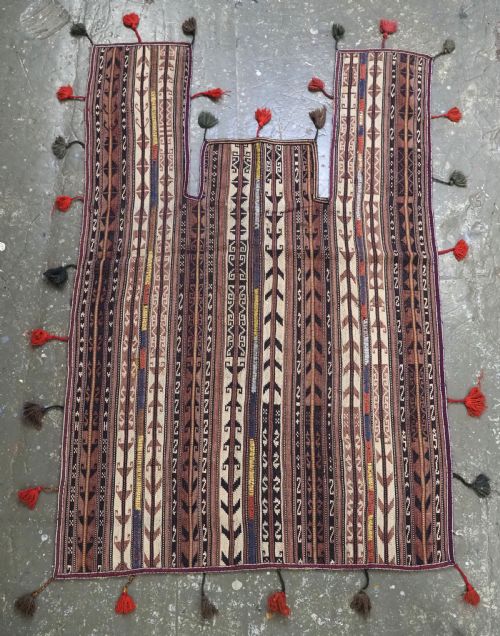
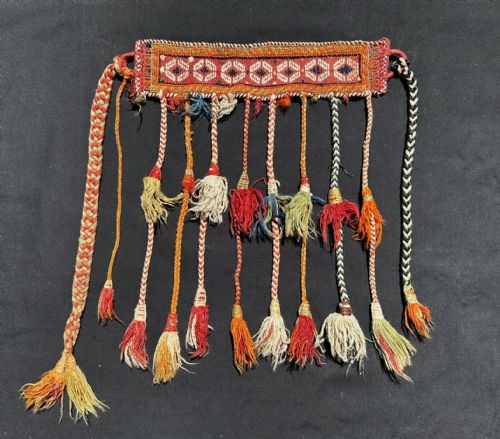
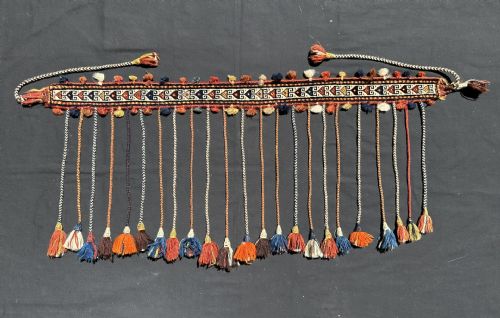
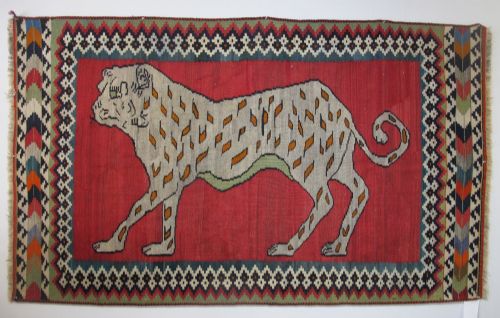
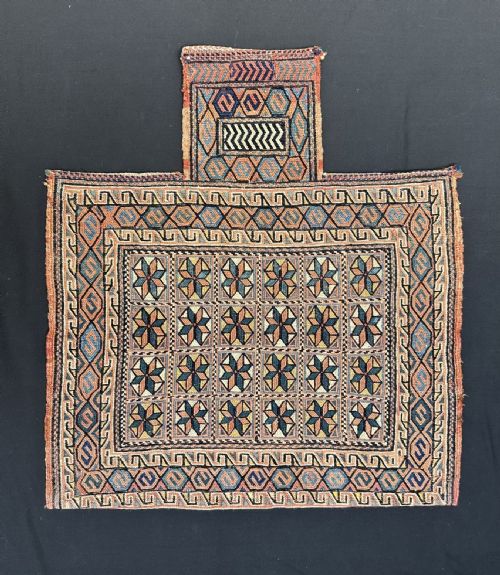
An antique tribal flatweave encompasses utility pieces such as kilim rugs, bread sofrehs, salt-bags, saddle bags, and horse decorations produced by specific regional groups.
The selections on this page span from the mid-nineteenth century through the early twentieth century, reflecting varied regional patterns and tribal traditions.
Materials and Construction
Weavers utilised hand-spun wool, camel wool, goat hair, cotton, and silk, often dyed with natural colourants.
Techniques range from standard slit-tapestry flatweave to mixed techniques incorporating supplementary weft-wrapping and structural pile elements.
Many items integrate decorative adornments such as cowrie shells into the woven structure.
Antique Tribal Flatweave Retail Price Guide 2026
Typical asking prices for tribal flatweave among the pieces listed under this phrase on Sellingantiques today, from the lower quarter to the upper quarter. They describe what is for sale here now, not the wider market.
Listed dates range from the mid-nineteenth century through the 1930s across Persian, Caucasian, Anatolian, and Central Asian origins.
Evaluating the Weave
Quality rests upon the tightness of the weave, the handling of the geometric or pictorial layout, and the complexity of the tribal iconography.
Pieces displaying crisp drawing, balanced proportions, and deep saturation of natural dyes stand apart from simpler or more muted examples.
The Antique Tribal Flatweave Glossary
- Sofreh
- A spread or cloth used primarily for dining, kneading bread, or serving food within nomadic households. These rectangular flatweaves often display stark minimalist fields.
- Chuval
- A large storage bag made by Turkmen tribes, designed for use inside a nomadic tent. They frequently feature rows of guls.
- Sumak
- A technique of weft-wrapping that produces a durable structure with a textured face resembling embroidery. It provides firmer weight than standard slit-tapestry kilims.
- Chanteh
- A small vanity bag or personal pouch woven by tribal groups. Collectors prize them for their concentrated tribal designs.
- Kilim
- A tapestry-woven carpet or rug produced without a pile. The slits left by the interlock of weft threads define the geometric motifs.
Antique Tribal Flatweave: Frequently Asked Questions
What is a sofreh used for?
A sofreh serves as a textile spread placed on the ground for eating meals or preparing bread dough within pastoral communities.
These flatweaves frequently showcase sparse central fields surrounded by symbolic borders reflecting tribal customs.
How do I care for a flatweave?
Gentle vacuuming without a beater bar and professional textile cleaning help preserve the structural integrity of old wool and natural dyes.
Keeping the textile out of direct sunlight prevents the fading of natural colours over time.
What is the difference between a kilim and a sumak?
A kilim relies on a flat slit-tapestry weave that creates clean edges between colour changes.
Sumak employs a wrapping technique where supplementary wefts wrap around the warp threads, adding thickness and texture.
Where were these textiles made?
Nomadic confederacies and village communities produced these pieces across Persia, the Caucasus, Anatolia, and Central Asia.
Tribes such as the Qashqai, Shahsevan, Afshar, and various Turkmen groups each developed distinct design vocabularies.