

Antique Travelling Box
An antique travelling box is a portable case designed for personal belongings, writing materials, or valuables on journeys, offering robust construction and fitted interiors.
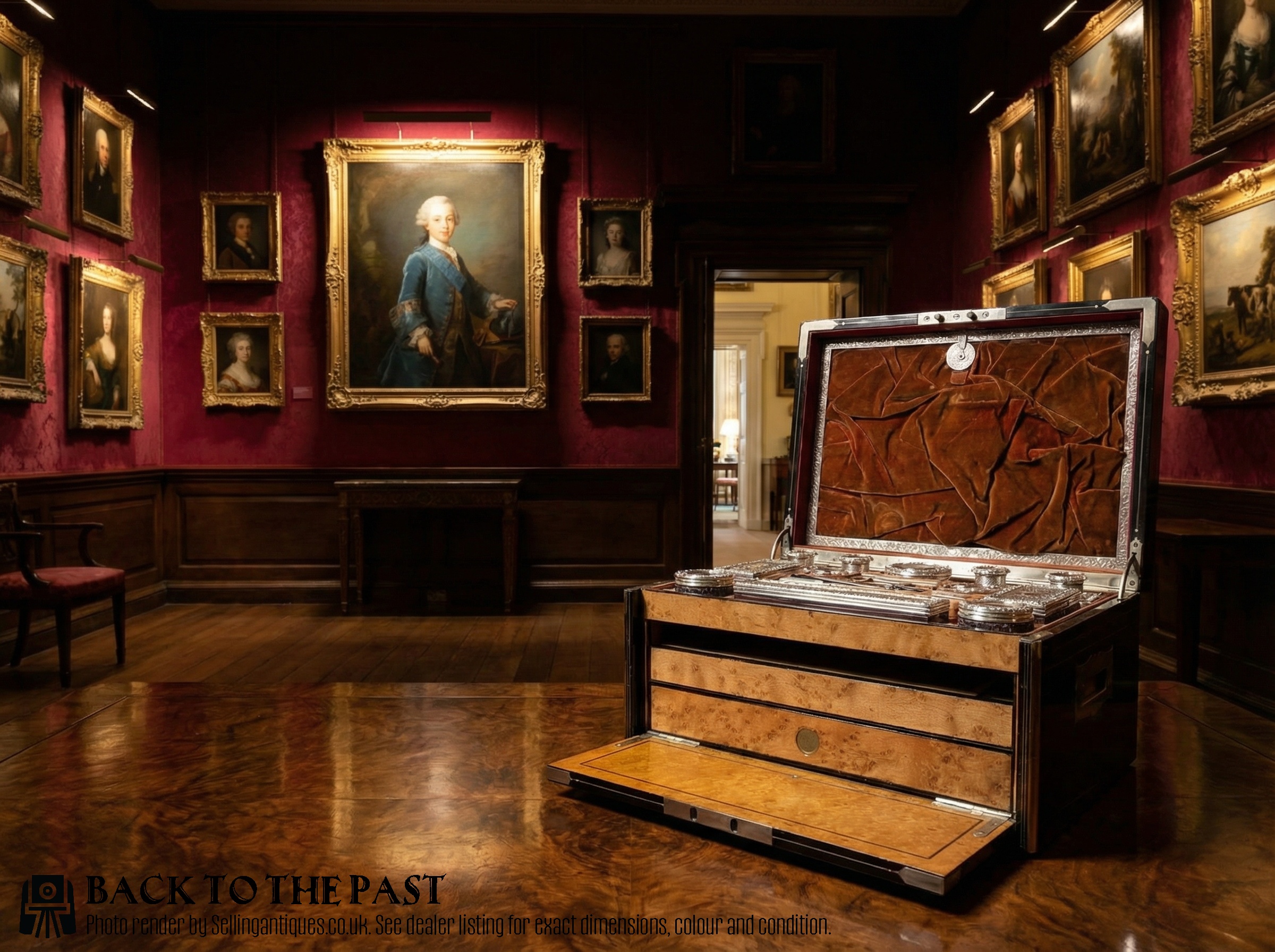
Antique Travelling Box
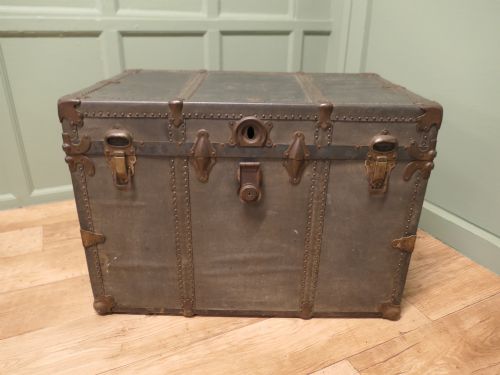
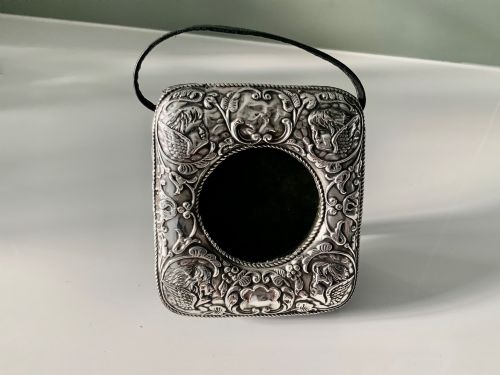
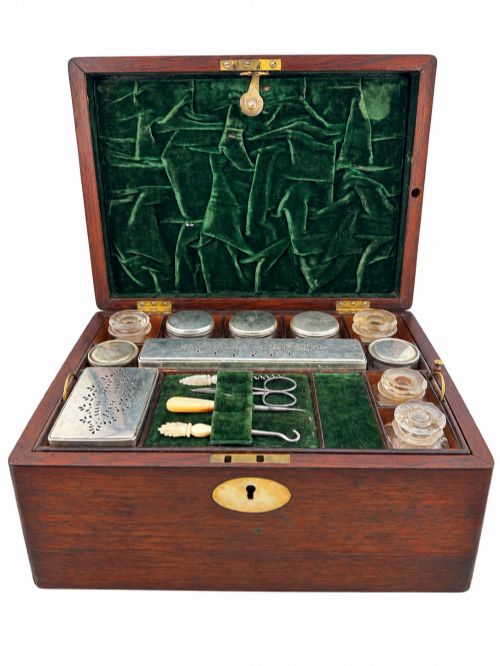
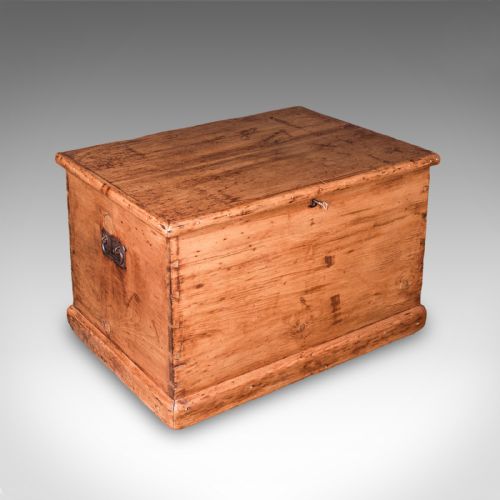
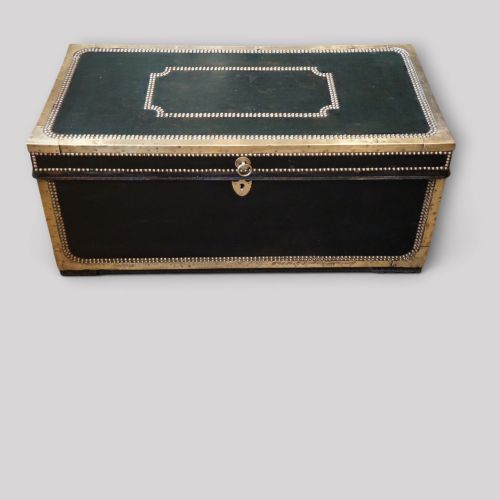
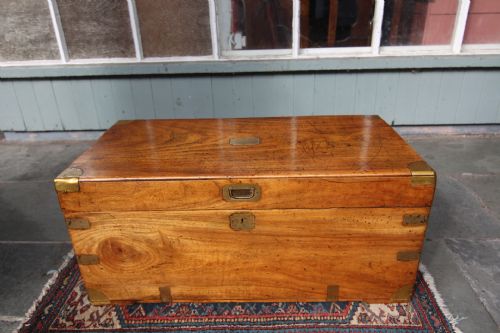
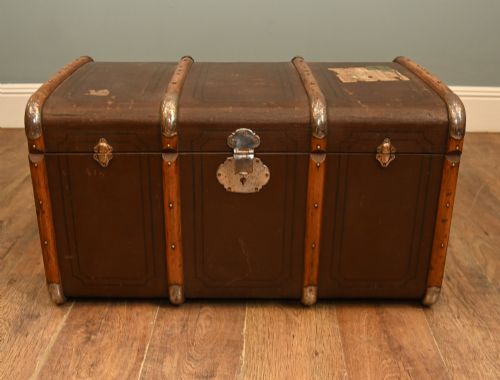
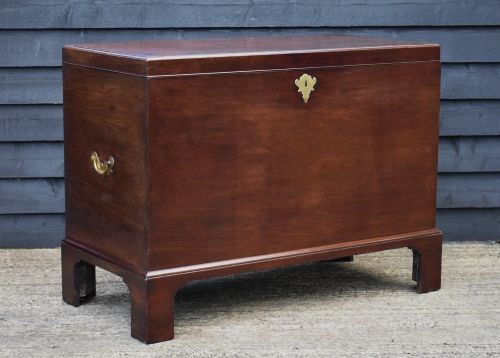
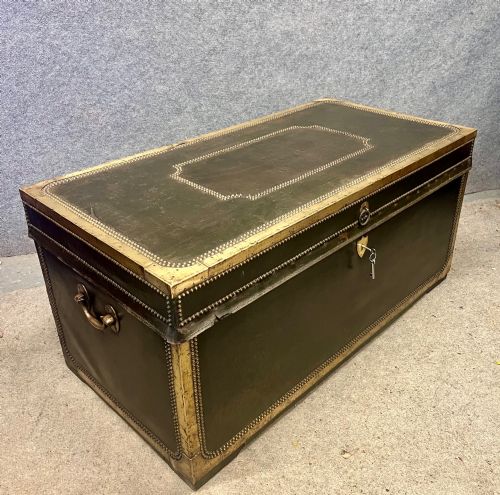
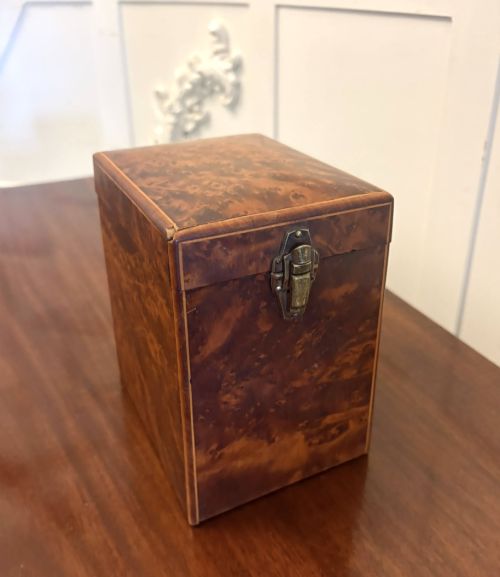
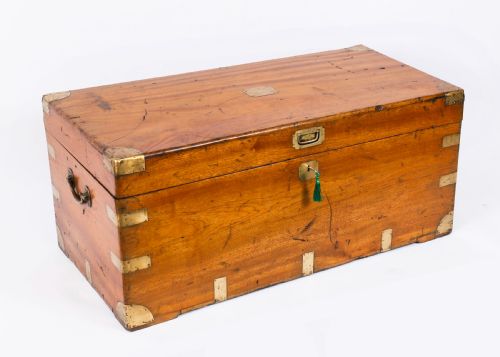
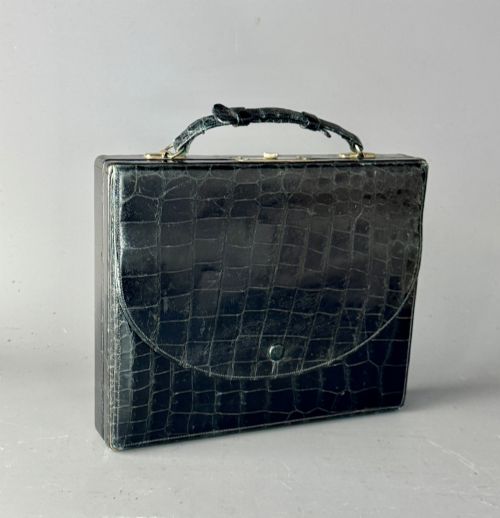
When you search for an antique travelling box, you encounter a wide assortment of portable containers made for officers, explorers, and gentlemen on the move. These items range from large camphorwood campaign chests and leather trunks to compact rosewood writing slopes, vanity cases, and silver shaving brush tubes.
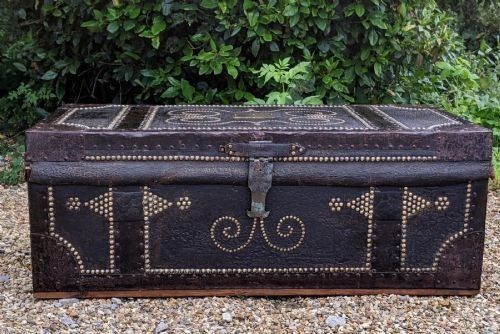
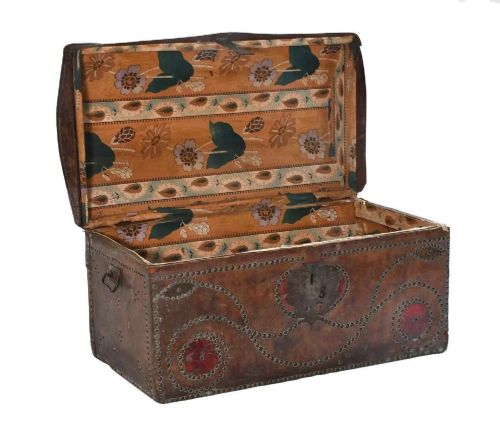
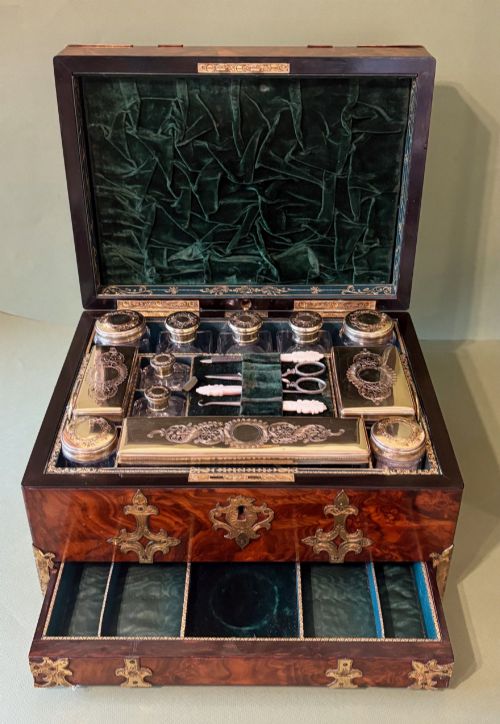
The version you are most likely to meet on this page is a Victorian or nineteenth-century leather-bound box, often fitted with compartments for writing, jewellery, or grooming. Pieces from the Georgian and Regency periods also appear regularly, alongside earlier oak and brass-studded strong boxes from the seventeenth century.
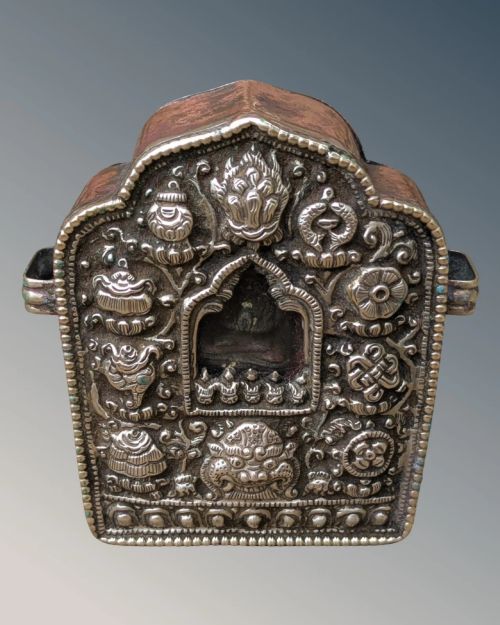
Beyond standard luggage, the selection includes specialised forms such as apothecary cases, hat boxes, chess sets, and compasses. Each object reflects the specific transit needs of its era, combining sturdy outer protection with cleverly organised internal fittings.
Materials and Construction
Makers built these pieces using durable timbers such as mahogany, camphorwood, walnut, and oak to withstand the rigours of transport. Camphorwood was particularly favoured for campaign trunks due to its natural insect-repellent properties, while denser hardwoods provided structural integrity for smaller writing and vanity cases.
Exterior protection relied heavily on brass binding, iron mounts, and studded leather to reinforce corners and edges against rough handling. Interiors frequently featured velvet linings, glass bottles with silver tops, and custom partitions designed to secure fragile items during transit.
Antique Travelling Box Retail Price Guide 2026
Typical asking prices for travelling box among the pieces listed under this phrase on Sellingantiques today, from the lower quarter to the upper quarter. They describe what is for sale here now, not the wider market.
Listings feature items spanning the seventeenth century through to the Art Deco era, encompassing brass, leather, iron, wood, glass, velvet, and pine.
Judging Quality and Execution
The distinction between ordinary utility items and superior examples rests on the precision of the joinery and the quality of the hardware. Finer boxes display flush-fitting brasses, secret compartments, and original fitted interiors complete with marked silver, glass, or ivory accessories.
Maker attribution also elevates a piece, as boxes bearing the stamps of respected retailers or cabinet makers like Samuel Pratt, Howell & James, or F. West demonstrate superior workshop standards. The integrity of the original leather, lining, and locking mechanisms further separates standard field gear from luxury personal luggage.
Samuel Pratt·Wm. Insall of Bristol·Dunhill London·J C Vickery·F. West·Lincoln Bennett·Army and Navy·Tonnel Paris
The Antique Travelling Box Glossary
- Campaign chest
- A modular chest of drawers or trunk made in sections with recessed brass handles and corner brackets, designed for easy dismantling and transport by military officers.
- Writing slope
- A portable slant-topped box that opens to reveal a sloping writing surface, inkwell compartments, and storage for stationery and correspondence.
- Vanity case
- A fitted box containing mirrors, jars, and bottles for personal grooming and cosmetics, often lined in velvet or silk.
- Camphorwood
- An aromatic wood native to Asia, utilised extensively for nineteenth-century campaign trunks to protect stored clothing from moths and dampness.
- Treen
- Small handmade wooden household objects and utility items, encompassing travelling game pieces and small viewing boxes.
Antique Travelling Box: Frequently Asked Questions
How were campaign trunks used?
Campaign trunks were utilised by military officers and explorers on active service or long expeditions abroad. They served as both transport packing cases and temporary furniture, often designed to split into sections or withstand extreme climates.
Many utilised camphorwood to deter insects and protect uniforms from humidity during overseas travel.
How do I date an antique travelling box?
Dating relies on observing construction methods, materials, locks, and associated maker marks or stamps. Regency and Georgian pieces often display specific brass inlay patterns and secret drawers, while Victorian examples frequently incorporate stamped leather and complex internal fittings.
Stylistic cues, such as Art Deco branding or seventeenth-century iron mounts, provide further chronological markers.
How do I care for leather and wood boxes?
Maintenance involves keeping pieces away from direct sunlight and fluctuating humidity to prevent wood warping and leather drying. Gentle dusting and occasional treatment with appropriate conservation waxes help preserve the finish of both the timber and the metal hardware.
Original velvet linings and fitted glass bottles require careful handling to avoid accidental damage.