


Antique Tin Glazed Jar
An antique tin glazed jar brings together centuries of ceramic history, offering utilitarian forms and painted decoration that suit collectors of early European pottery.
Antique Tin Glazed Jar
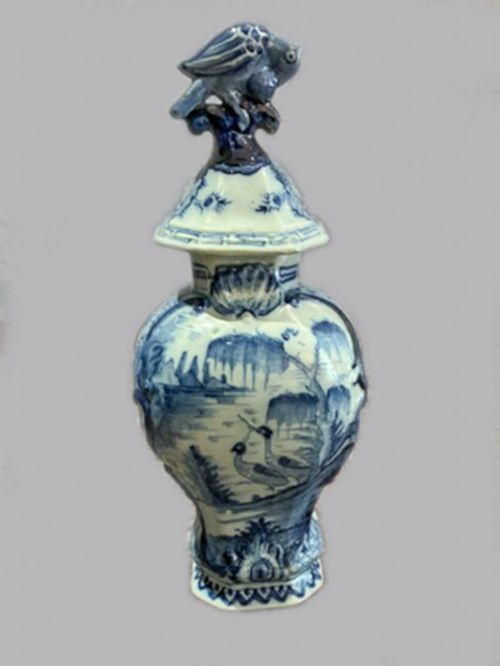
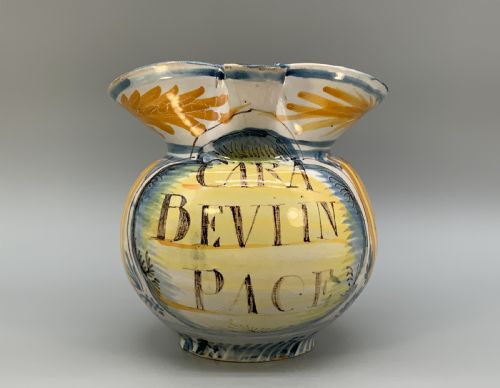
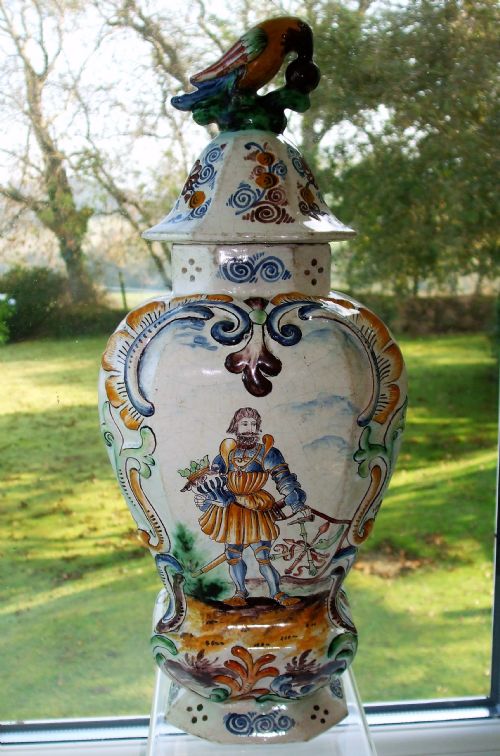
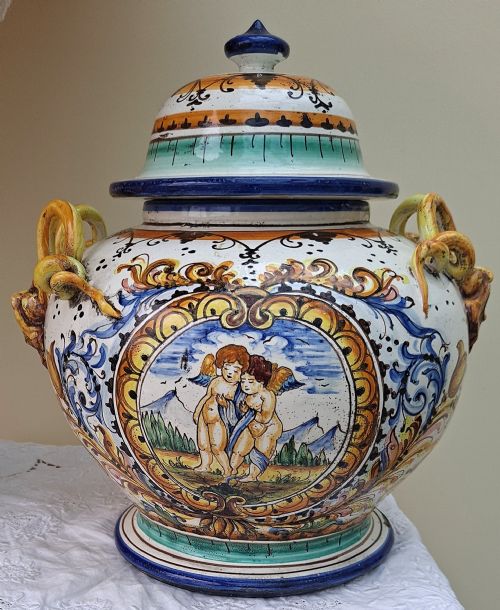
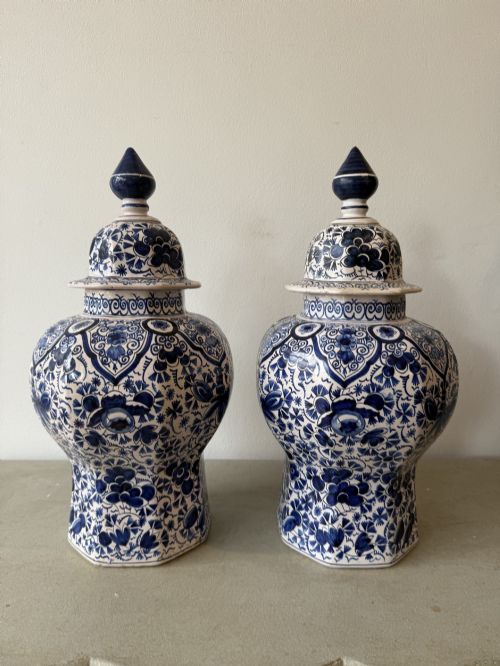
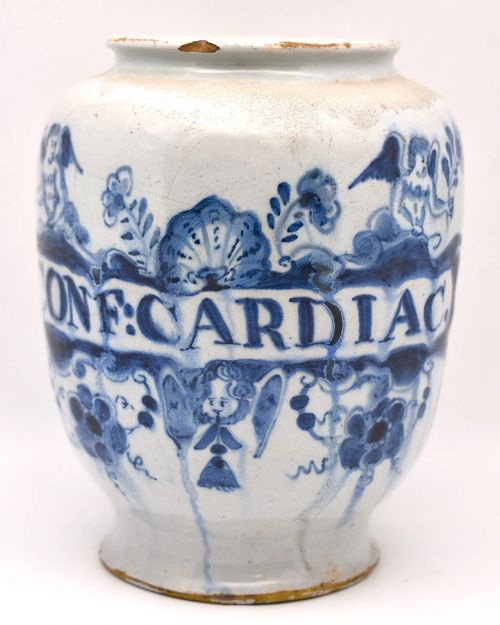
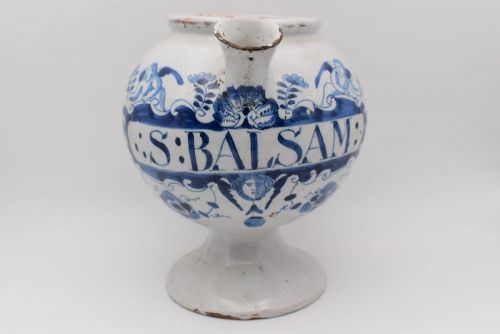
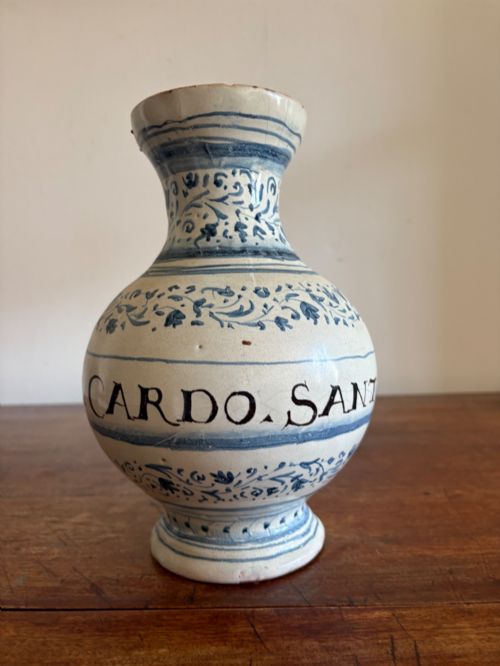
An antique tin glazed jar encompasses traditional vessel types used for storage, pharmacy ingredients, and display, originating from workshops across Europe. The selection here leans heavily toward apothecary drug jars, albarelli, and lidded vases from Dutch, Italian, and French origins.
Buyers encounter examples spanning from the seventeenth century through to the nineteenth century, reflecting regional stylistic shifts. Dutch Delft, Italian majolica, and French faience represent the primary geographical traditions found within these listings.
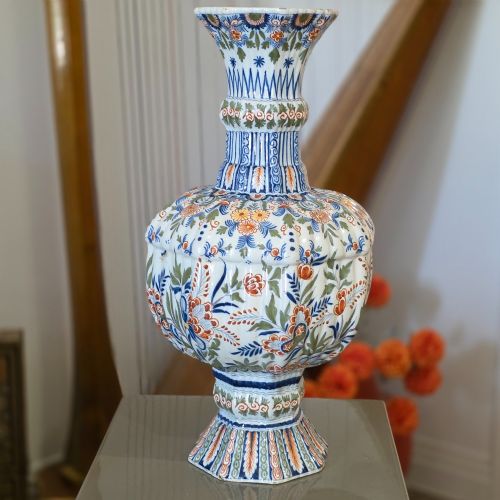
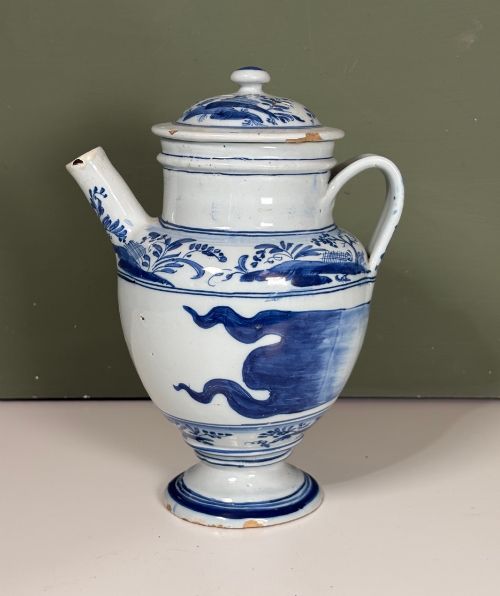
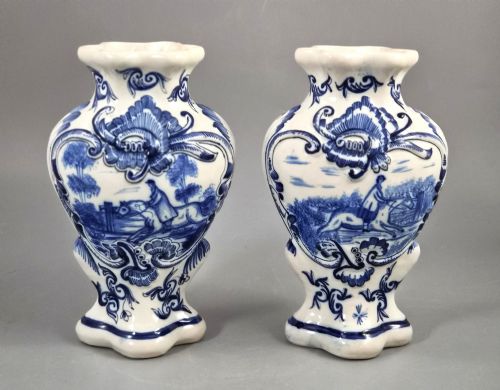
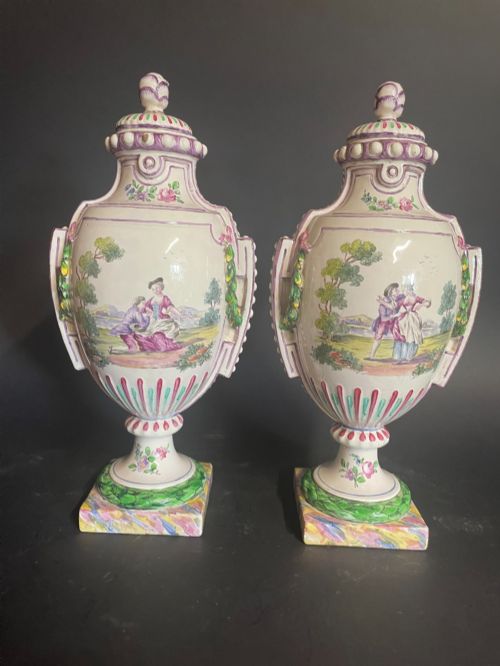
Forms range from straight-sided pharmacy vessels to baluster vases and lidded urns, decorated in cobalt blue and white or polychrome palettes. These containers served functional roles in dispensaries and households before transitioning into decorative objects.
How they were made
Potters shaped earthenware bodies on the wheel or pressed clay into moulds, creating the foundational structure for subsequent decoration. Earthenware and ceramic bases required careful drying prior to initial firing.
Craftsmen applied an opaque white glaze containing tin oxide, providing a smooth canvas for painted pigments. Cobalt pigment and polychrome colours were brushed directly onto the unfired tin glaze before a final protective firing fused the surface.
Historic chemists occasionally stored mysterious substances labelled with abbreviated Latin like Syr Alth.
What varies in quality
The sophistication of the painted ornamentation distinguishes standard utilitarian vessels from finer artistic productions. Detailed brushwork, complex floral or figurative scenes, and controlled application of cobalt pigment elevate the status of a piece.
Completeness significantly influences a vessel, particularly the presence of matching original covers or lids. Preservation of the tin glaze surface and clarity of painted apothecary inscriptions also determine the desirability among collectors.
Fourmaintraux-Courquin
The Antique Tin Glazed Jar Glossary
- Albarello
- A cylindrical earthenware jar designed for holding apothecary drugs and ointments. This form originated in the Near East and became common across Italian and Spanish pharmacies.
- Tin-Glazed Earthenware
- Pottery coated with a lead glaze made opaque by the addition of tin oxide. This technique created a white surface suitable for painted decoration.
- Delftware
- Tin-glazed earthenware manufactured in the Netherlands, particularly associated with blue and white designs inspired by imported Chinese porcelain. Production centres also emerged in England.
- Majolica
- Italian tin-glazed earthenware decorated with colourful pigments. The term covers wares produced from the Renaissance onwards.
- Faience
- French tin-glazed earthenware produced from the sixteenth century onwards. It encompasses various regional styles and decorative techniques.
Antique Tin Glazed Jar: Frequently Asked Questions
What is an apothecary jar?
An apothecary jar is a ceramic container historically used by pharmacists and chemists to store dry drugs, herbs, and medicinal preparations. These vessels often featured painted labels to identify the contents.
Over time, many of these containers survived as decorative objects due to their striking painted designs and distinctive forms.
How do you identify Dutch Delft?
Dutch Delft is typically recognised by its tin glaze and blue and white or polychrome decoration, often showing influences from Chinese export porcelain. Pieces frequently date from the seventeenth and eighteenth centuries.
Examination of the base and glaze pooling can help distinguish genuine early examples from later Victorian reproductions.
Were these jars used for medicine?
These containers held medicinal substances, ointments, syrups, and dry ingredients in historic dispensaries and pharmacies. Their glazed surfaces prevented the porous earthenware body from absorbing liquids.
Wet drug jars usually featured spouts or wider necks, while dry jars accommodated solid compounds.
How should I display them?
These vessels suit placement on open shelves, sideboards, or mantels where their painted details remain visible. Pairing lidded jars with complementary vases creates balanced displays.
Placing ceramics away from direct sunlight and sudden temperature changes protects the historic glaze.