
Antique Timepiece with Chain
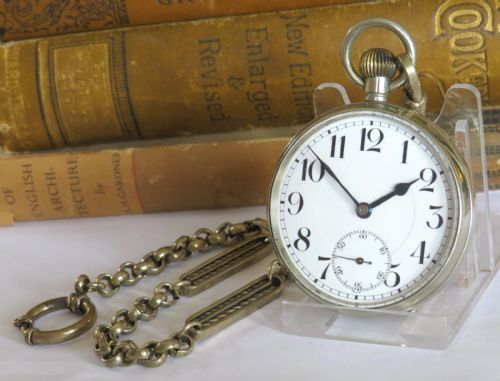
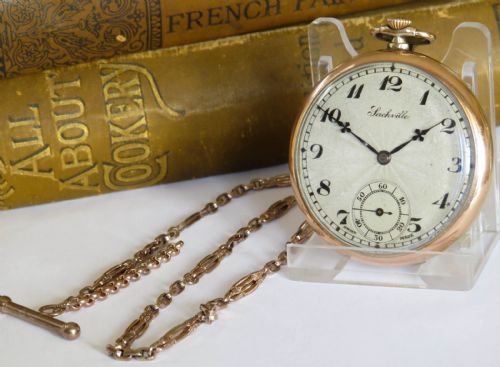
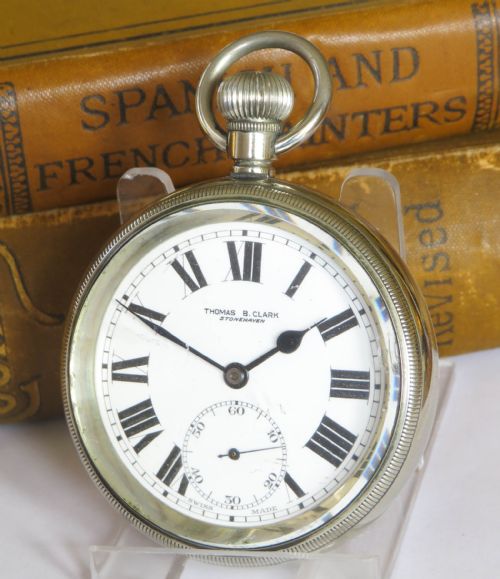
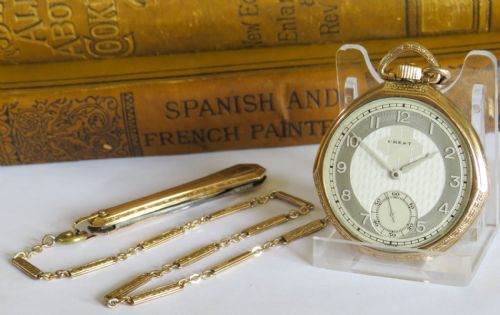
An antique timepiece with chain brings together portable horology and secure tethering, offering pocket watches, desk pieces and wall hangings outfitted for carry or suspension.
Antique Timepiece with Chain
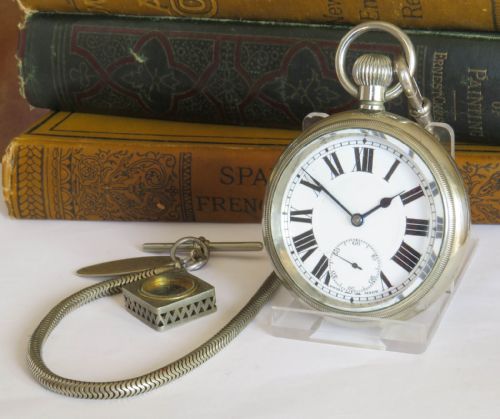
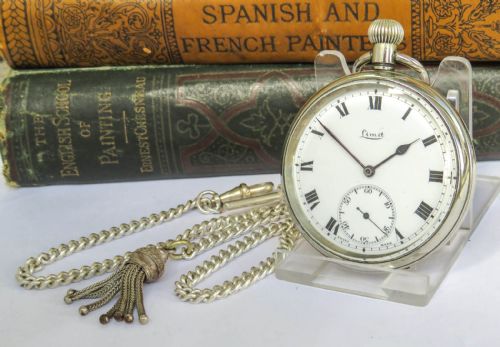
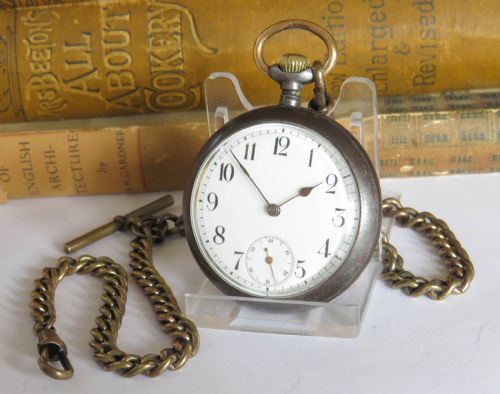
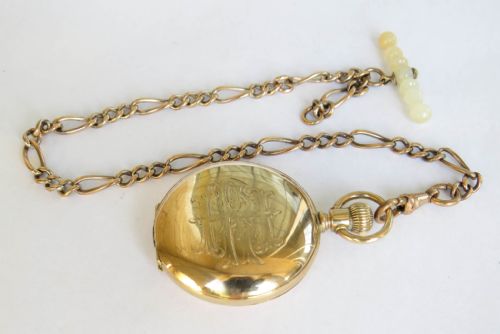
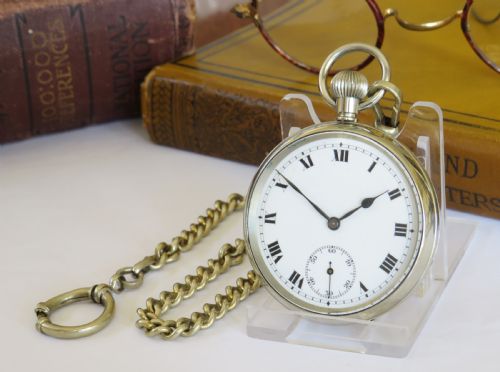
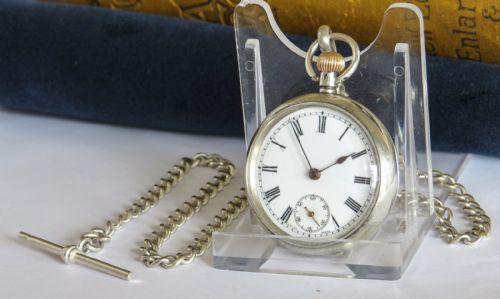
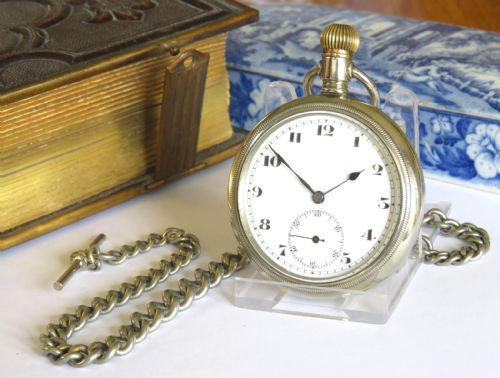
An antique timepiece with chain unites mechanical horology with its original or period-appropriate metal tether, ranging from portable pocket watches paired with albert chains to larger marine and mantel clocks driven by fusee movements. These pieces span the Regency, Edwardian and Art Deco eras, with 1930s examples appearing frequently alongside earlier Victorian and Edwardian items.
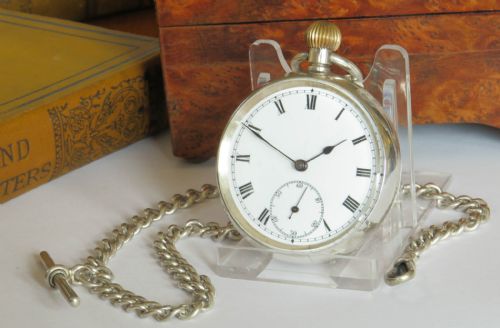
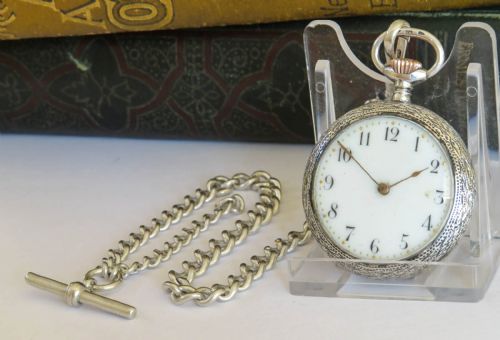
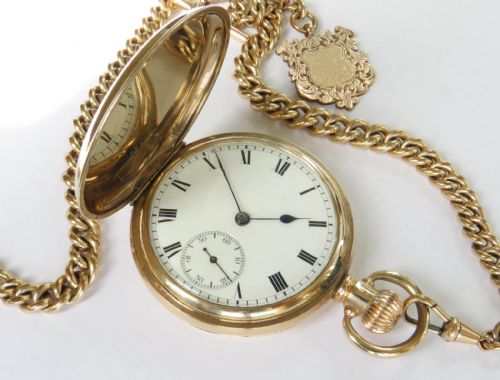
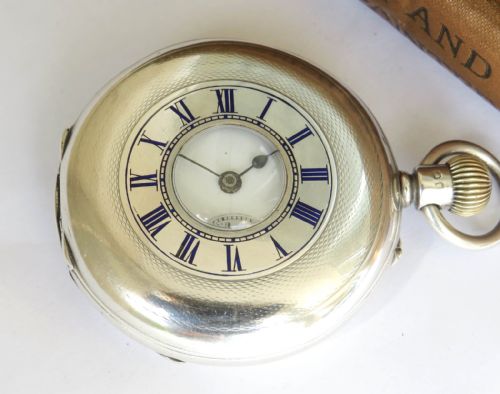
The objects themselves divide between pocket watches such as full hunters and fob watches, alongside larger wall clocks, ships clocks and gilt bronze mantel clocks. Each portable watch typically arrives equipped with its own chain, albert, compass or fob, while larger timepieces utilise chain fusee movements to regulate the pull of the mainspring.
How they were made
The construction of these pieces relies on metals such as silver, brass, steel, nickel, gold plate and gilt bronze, often detailed with glass crystals and enamel dials. Clockmakers employed fusee movements with chains to maintain even tension on the mainspring as it unwound, ensuring more accurate timekeeping across the duration of the wind.
Pocket watches and larger clocks integrate traditional mechanical components housed in metal cases, sometimes paired with albert chains designed to secure the timepiece to a waistcoat or garment. Materials vary from heavy gilt bronze in Regency mantel pieces to polished silver and base metals in 1920s and 1930s pocket watches.
Listings feature pocket watches, mantel clocks and ships clocks spanning the Regency, Edwardian and Art Deco periods, executed in brass, silver and gilt bronze.
What varies in quality
Quality in an antique timepiece with chain rests on the sophistication of the movement and the integrity of the associated hardware. Pieces driven by chain fusee movements or signed by notable makers demonstrate higher standards of mechanical execution than standard spring-driven alternatives.
The finish of the metal case, the clarity of the enamel dial under glass and the matching quality of the attached chain or albert distinguish superior examples. Finer pieces retain their original components and retain crisp detailing in cast bronze or hallmarked silver.
Waltham·Octava·Omega·Horos·Revue·Record Trenton·Electa·Prescot Clock Co·FB Adams London
The Antique Timepiece with Chain Glossary
- Albert chain
- A short chain used to attach a pocket watch to a waistcoat, named after Prince Albert. It often includes drops for fobs, charms or miniature compasses.
- Fusee movement
- A conical pulley mechanism connected to a fine chain that equalises the torque of the mainspring as it winds down. This ensures consistent power delivery to the escapement.
- Full hunter
- A pocket watch featuring a spring-loaded metal cover that protects the glass dial. The cover opens via a push-piece on the crown.
- Goliath watch
- An oversized pocket watch, significantly larger than standard carrying models, often housed in a dedicated travel case or displayed on a desk stand.
- Fob watch
- A small pocket watch designed to be worn pinned to clothing or suspended from a ribbon or short chain rather than carried in a deep pocket.
Antique Timepiece with Chain: Frequently Asked Questions
How do I wind a fusee clock?
Fusee clocks are wound using a key inserted into the dial, turning it carefully clockwise until resistance increases. Care must be taken not to overwind the mechanism, as the chain relies on proper tension to regulate the mainspring.
Older chain fusee movements require a steady hand and an understanding of the specific gear train. Consulting a horologist before regular use helps preserve the internal brass components.
How do I date an antique timepiece?
Dating relies on examining the maker's signature on the dial or movement, style markers such as Art Deco numerals, and any silver hallmarks stamped on the case. Comparing the typography and case construction provides a reliable timeframe.
Movements from the Regency period differ distinctly in architecture from 1930s Swiss or American calibres. Exterior materials like gilt bronze or nickel also point toward specific manufacturing eras.
Can I carry a vintage pocket watch daily?
Pocket watches from the early twentieth century can be carried daily provided they have been serviced by a professional clockmaker. Pairing the watch with a secure albert chain prevents accidental drops.
Mechanical movements require regular cleaning and oiling to function accurately over time. Daily use should be balanced with gentle handling to protect the delicate internal gear train and glass crystal.