


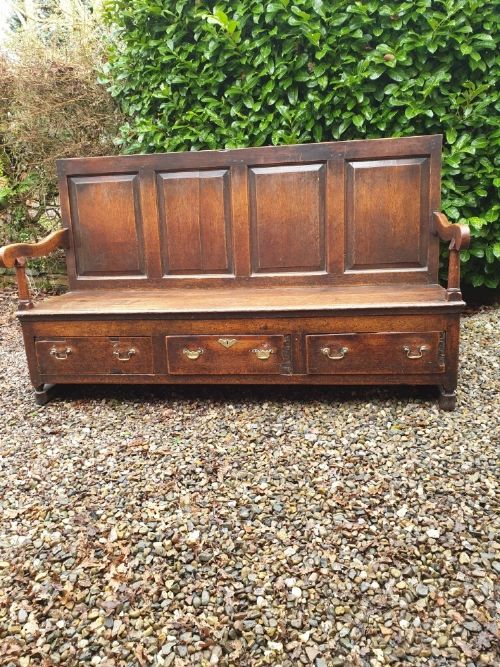
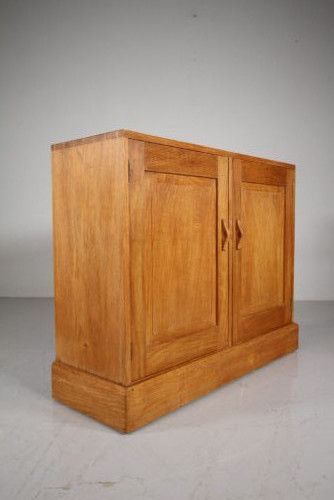
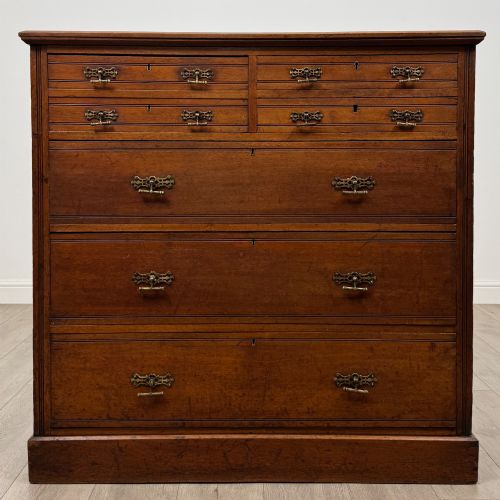
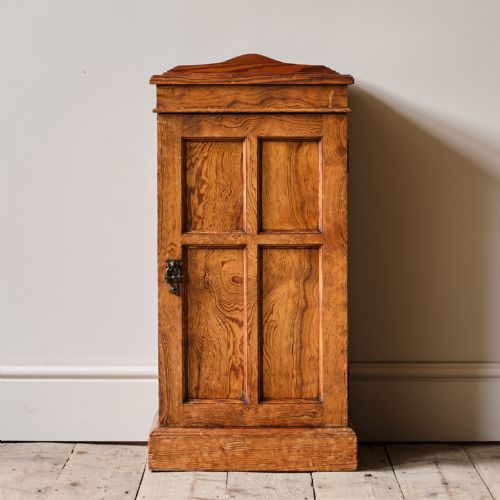
Antique Timber Storage
Antique timber storage pieces range from robust oak coffers to refined mahogany chests of drawers, offering practical utility alongside historic character.
Antique Timber Storage
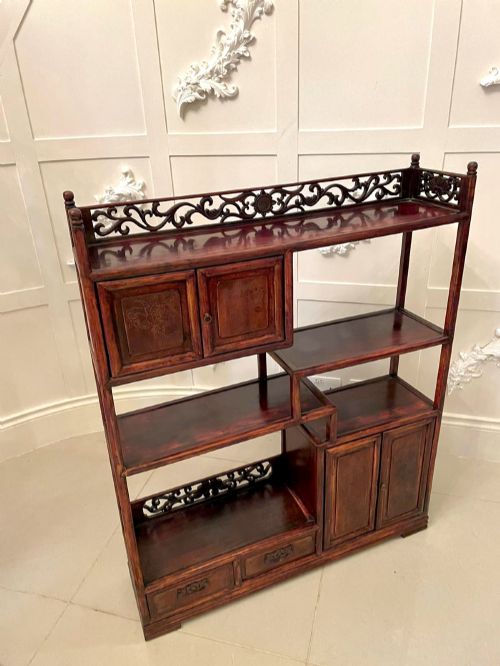
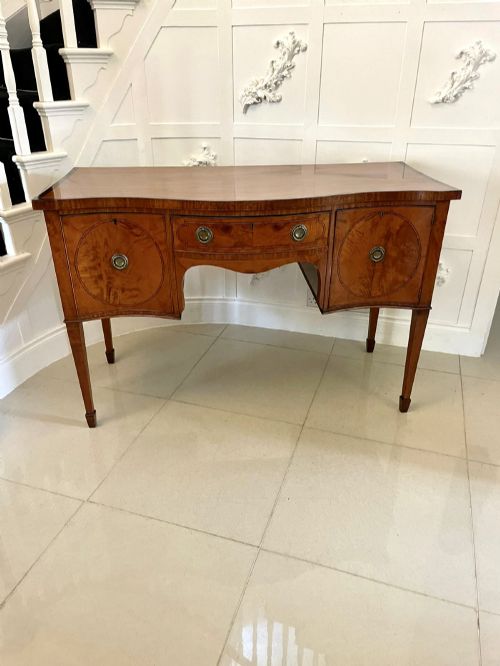
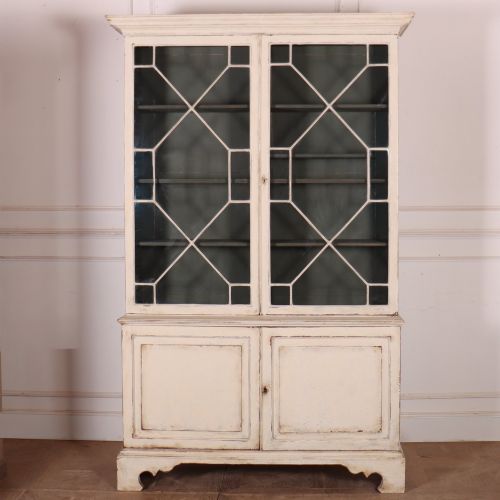
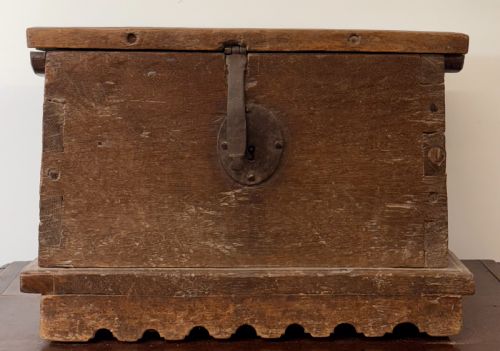
Antique timber storage encompasses a wide variety of functional domestic furnishings designed to hold clothing, documents, and household goods, spanning centuries of craftsmanship. When exploring antique timber storage, buyers encounter everything from utilitarian pine and oak coffers to elegant satinwood and mahogany sideboards, bookcases, and cabinets.
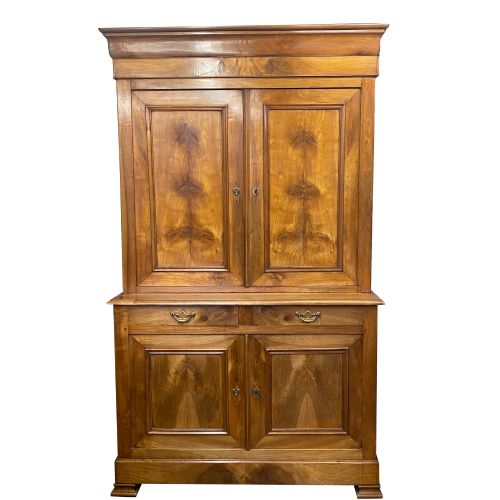
The pieces originating from the Georgian and Victorian eras predominate, alongside earlier examples in oak and elm. Forms range from towering housekeeper's cupboards and wardrobes to compact tabletop cigar humidor cabinets and brass-bound camphor chests.
Regional and provincial pieces, such as French walnut chests and Welsh six-plank coffers, sit alongside formal city-made items. This diversity ensures that buyers find storage solutions suited to both rustic interiors and formal period rooms.
How they were made
Cabinet makers utilised native and exotic woods including oak, mahogany, walnut, elm, and pine, often selecting timber for both its structural strength and decorative grain pattern. Joinery techniques ranged from early six-plank construction and dovetailing to advanced framing methods employed in bookcases and wardrobes.
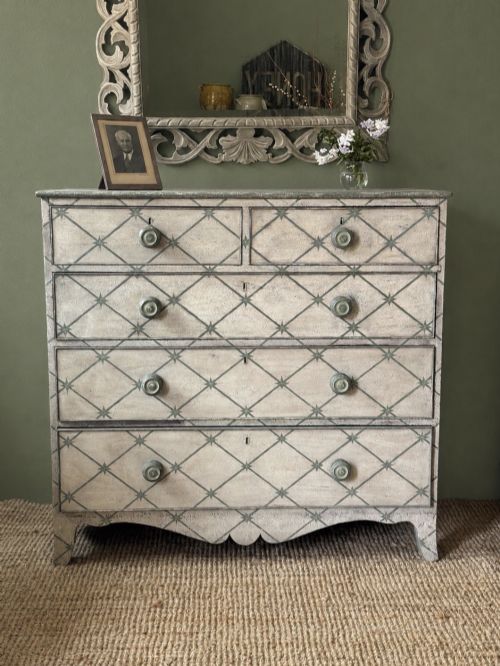
Metal fittings such as brass handles, iron straps, and copper mounts served both a functional purpose for reinforcement and a decorative role on campaign chests and dowry trunks. Surface finishes varied from polished French polish and wax on formal mahogany to scumble paint, plain painted surfaces, and natural oils on country pieces.
Listings feature 19th-century, 18th-century, Victorian, 1930, Georgian, 1900, Edwardian, and 1920 periods alongside materials such as brass, iron, mahogany, oak, pine, elm, wood, and satinwood.
What varies in quality
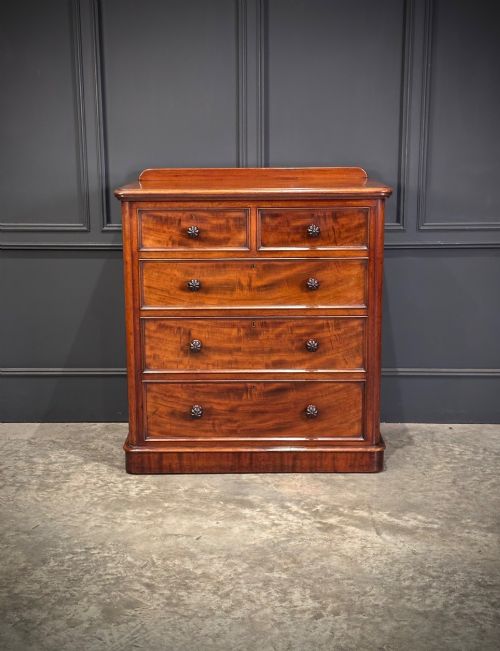
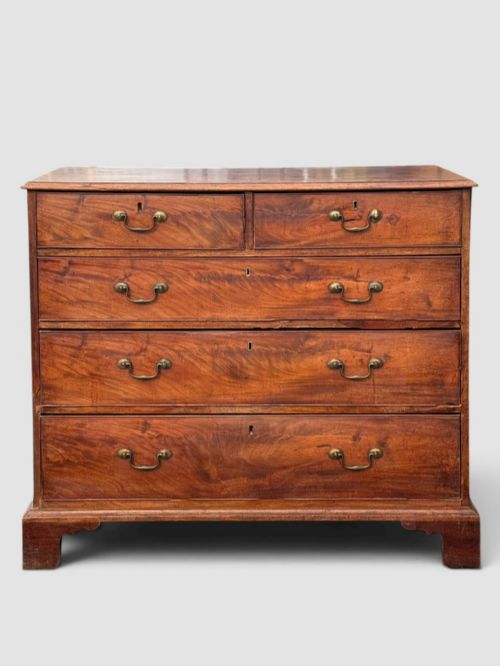
The standard of timber selection and joinery marks the primary division between ordinary and exceptional pieces, with finer examples displaying choice burr veneers, symmetrical grain matching, and tight dovetail joints. The integrity of the original hardware, such as brass drop handles, locks, and hinges, heavily influences the standing of a piece.
Proportion and decorative detailing define the upper tier of craftsmanship, where carvers applied crisp mouldings, fielded panels, and inlay work rather than relying on plain utility. Retained original surfaces, whether aged patina on oak or undisturbed scumble paint, preserve the historical authenticity prized by collectors.
Jas Shoolbred·Whytock and Reid·Heal & Son
The Antique Timber Storage Glossary
- Cofer
- A large wooden chest traditionally used for storing valuables or household goods, often constructed with heavy planking. Early examples utilise simple board joints before more complex framing evolved.
- Dovetail
- A joinery technique formed by interlocking wedge-shaped fingers of wood, providing exceptional tensile strength for drawer construction. Fine antique pieces feature tight, hand-cut dovetails.
- Camphor wood
- An aromatic timber frequently utilised for campaign chests and sea trunks due to its insect-repellent properties. The distinctive scent protects stored textiles from moth damage.
- Scumble
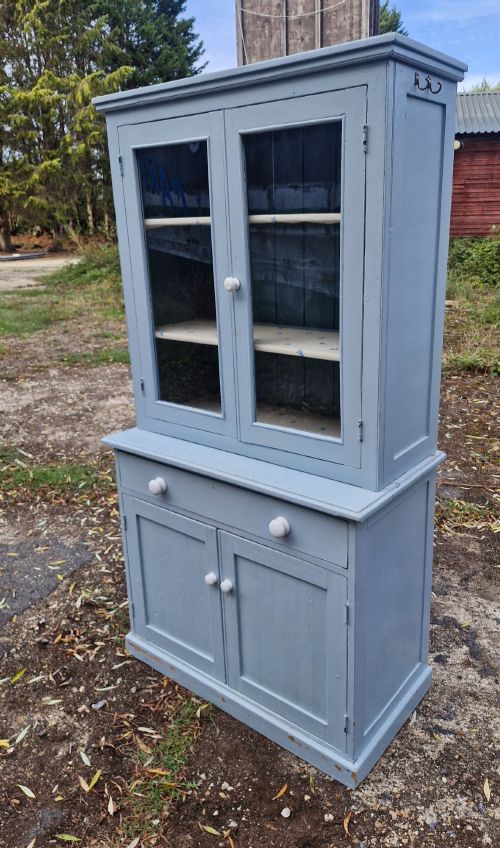
- A decorative painting technique involving a translucent top layer dragged over a base coat to imitate wood grain or create textured patterns. It appears frequently on 19th-century utility cupboards.
- Wellington chest
- A tall, slender Victorian locking chest of drawers secured by a hinged side locking bar that fastens with a key. This design originally protected gentlemen's shirts and documents.
Antique Timber Storage: Frequently Asked Questions
How do I date an oak coffer?
Dating an oak coffer involves examining the construction methods, tool marks, and joinery, as early pieces relied on hand-split boards and simple pegging rather than modern metal fasteners.
Changes in moulding profiles and hinge types across the 17th and 18th centuries also provide clear chronological markers for attribution.
What is a Wellington chest?
A Wellington chest is a tall, narrow set of drawers featuring a locking side pilaster that secures all the drawers simultaneously with a single key.
Originating in the Victorian period, this space-saving form was designed for secure storage in gentlemen's dressing rooms and studies.
How should I care for antique camphor wood?
Antique camphor wood pieces require a stable indoor environment away from direct heat sources and strong sunlight to prevent the timber from drying out and cracking.
Applying a traditional beeswax polish periodically helps maintain the natural moisture and sheen of the aromatic wood without sealing the surface.
What distinguishes Georgian mahogany from Victorian mahogany?
Georgian mahogany furniture typically exhibits a lighter, rich golden-brown patina combined with restrained classical proportions and understated brass hardware.
Victorian pieces often utilise denser, darker mahogany veneers, sometimes incorporating more robust mouldings and machine-assisted joinery as production methods evolved.