
Antique Timber Relief Carving
These antique timber relief carving pieces bring centuries of hand-worked oak, walnut, and exotic hardwoods into domestic spaces as panels, plaques, and architectural fragments.
Antique Timber Relief Carving
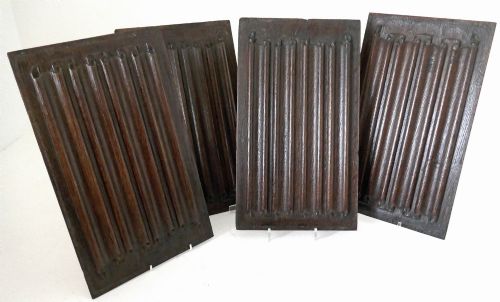
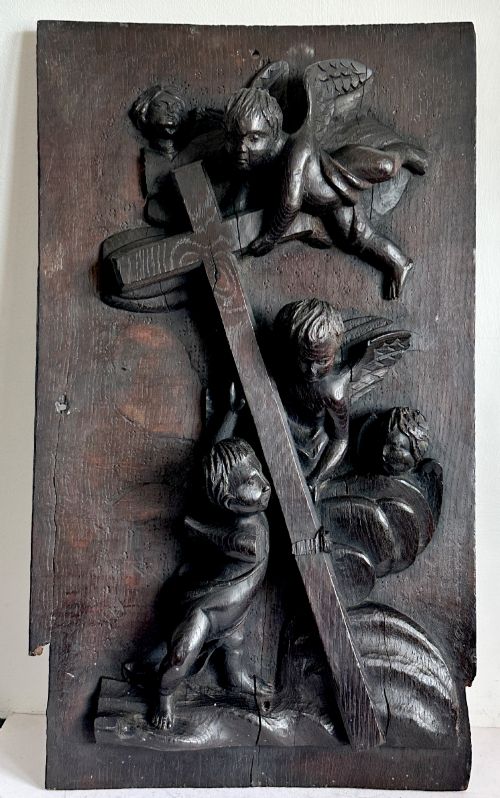
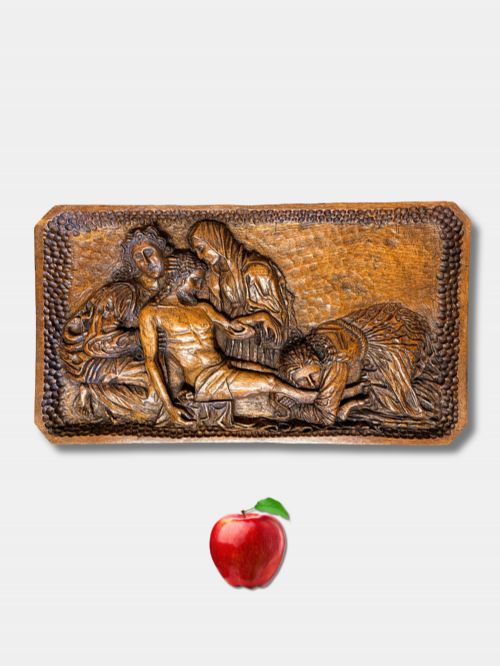
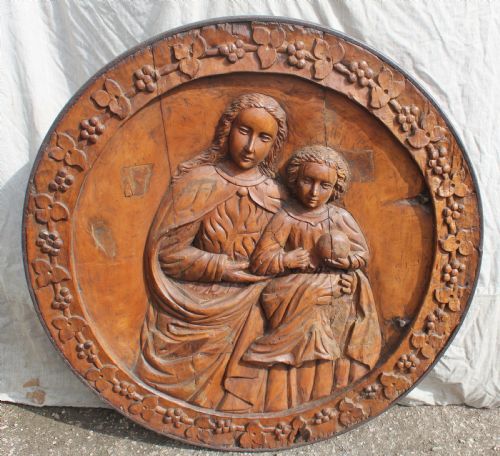
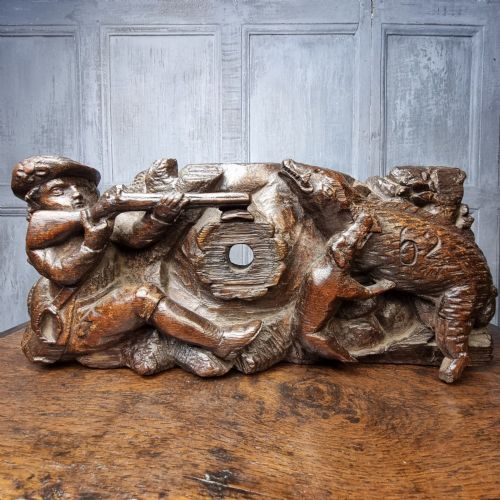
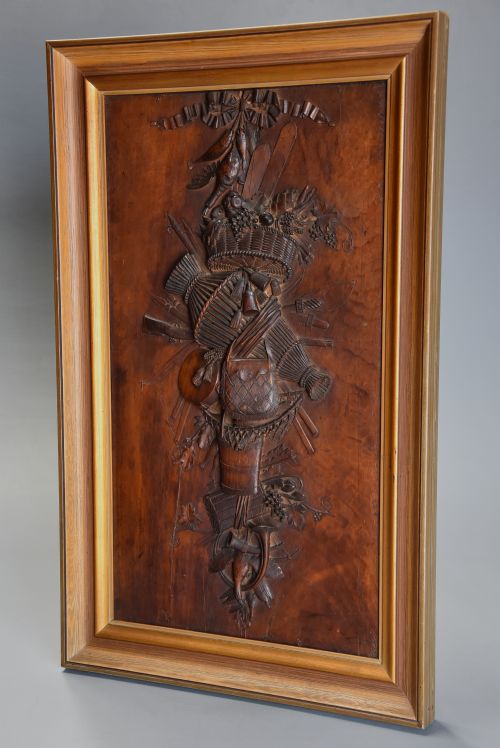
An antique timber relief carving is typically encountered in formats designed for architectural integration, such as wall panels, plaques, and overdoor elements. The selection ranges from sixteenth-century oak linenfold fragments to nineteenth-century Black Forest hunting trophies and Chinese Qing Dynasty plaques.
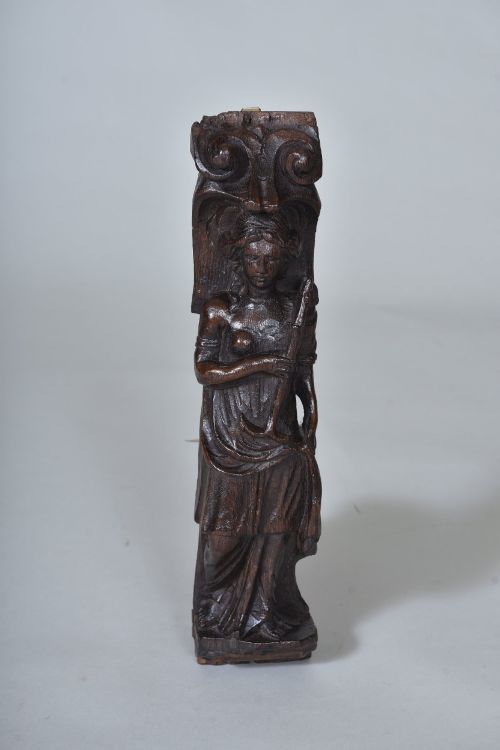
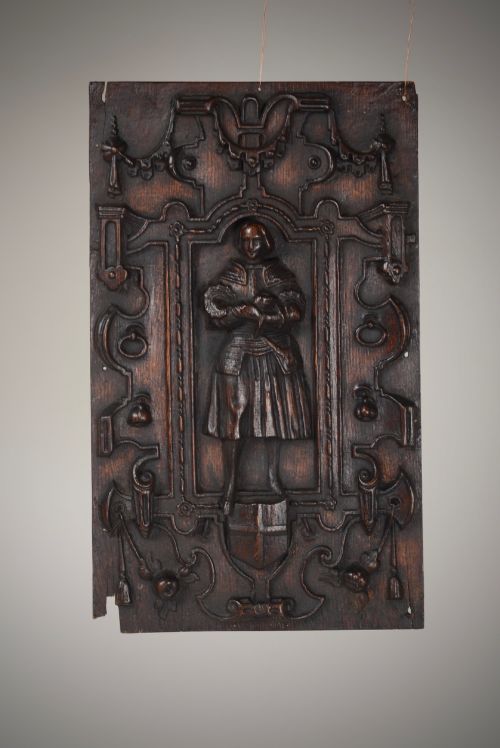
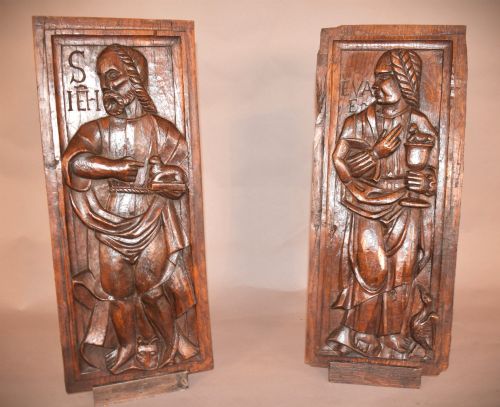
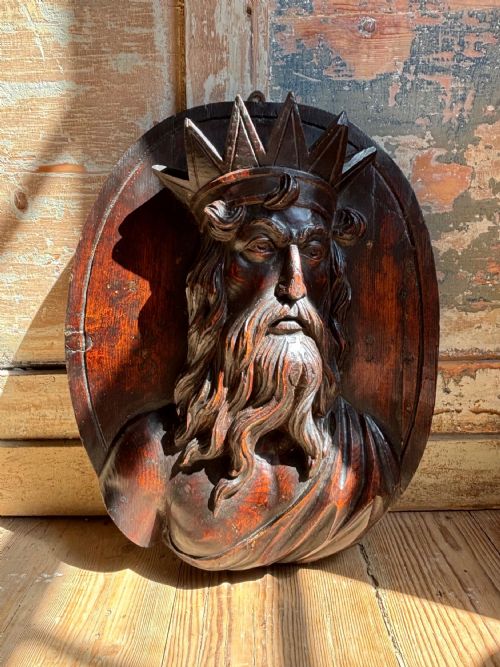
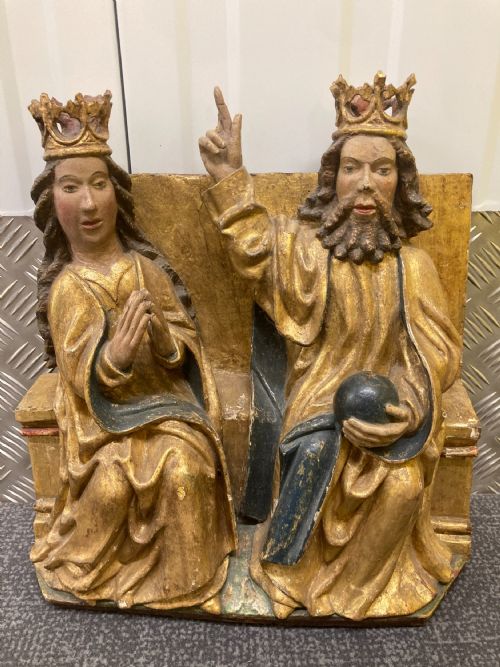
Buyers look for these pieces to anchor a room with historical depth, focusing on forms like architectural salvage, ceiling bosses, and figurative panels depicting biblical or mythological subjects. Oak and walnut dominate the domestic English and European offerings, whilst teak, elm, and camphor wood represent Asian workshops.
How They Were Made
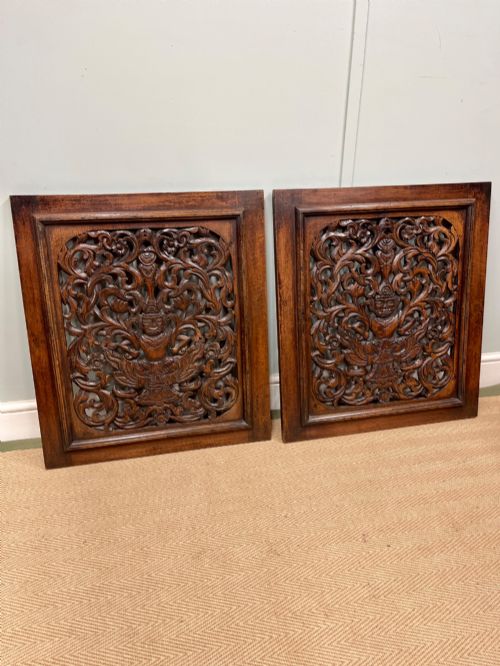
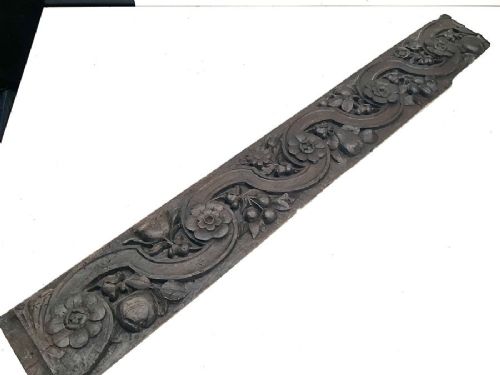
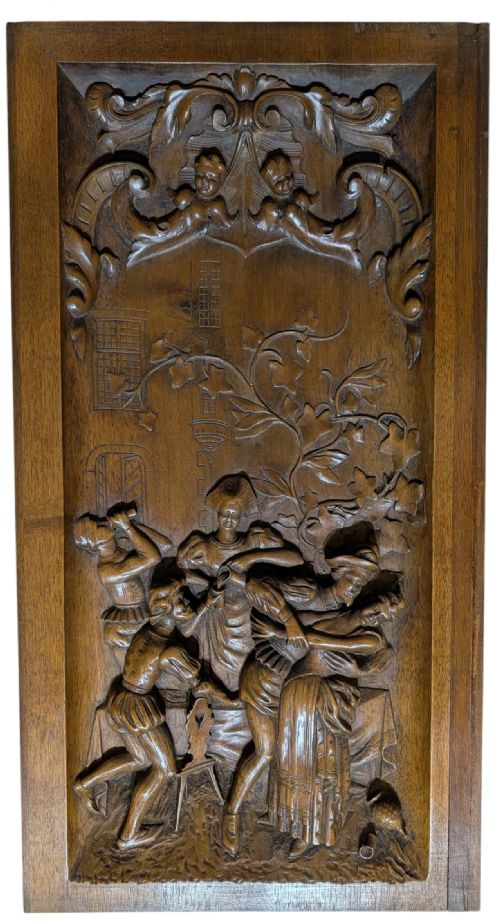
Artisans employed chisels and gouges to work seasoned timber, predominantly oak, walnut, and fruitwood, cutting away the background to leave figures and foliage standing in relief. Pierced work required delicate undercut drilling to create shadow and depth, seen particularly in seventeenth-century acanthus leaf motifs.
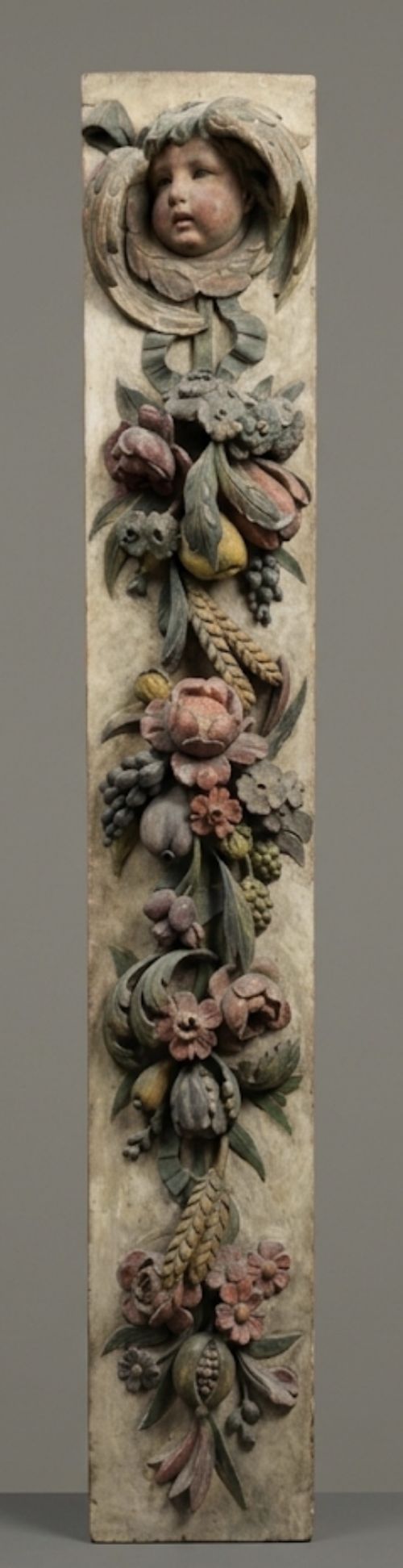
Surface preparation involved finishing with polychrome pigments, giltwood highlights, or simply waxing the bare timber to bring out the grain. Elements like ceiling roses, architectural pediments, and figural groups combined joinery techniques with sculptural carving.
Listings feature timber relief carvings spanning from the sixteenth century through the Victorian era, executed in oak, walnut, fruitwood, teak, and elm.
What Varies in Quality
Quality rests upon the crispness of the chisel work and the depth of the relief, distinguishing master carvers from provincial joiners. Surface preservation also dictates standing, with original polychrome paint or gilding holding more historical interest than stripped and heavily refinished timber.
The sophistication of the composition separates standard decorative panels from exhibition-quality trophy carvings and pieces attributed to known hands. Anatomy, proportion, and the handling of drapery or foliage reveal the maker's training and the period's aesthetic ambition.
Edward Pearce·Grinling Gibbons·Thomas Chippendale
The Antique Timber Relief Carving Glossary
- Relief carving
- A sculpture technique where figures project from a flat background. The depth determines whether it is classed as low relief or high relief.
- Linenfold
- A style of wood carving that mimics folded parchment or linen. It is frequently seen on sixteenth-century oak panels.
- Polychrome
- The practice of decorating architectural elements and wood carvings in multiple colours. Pigments were applied over gesso or directly to the timber.
- Ceiling boss
- A decorative projecting block placed at the intersection of ceiling ribs. These architectural wooden fragments often feature foliate or figural designs.
- Acanthus
- A classical leaf ornament derived from Mediterranean flora. Sculptors carved these stylized motifs extensively on baroque and Renaissance panels.
Antique Timber Relief Carving: Frequently Asked Questions
How were timber relief carvings used?
These carvings served primarily as architectural components within domestic and ecclesiastical interiors. They functioned as wall panels, staircase elements, overdoor decorations, and ceiling bosses.
Later pieces often took the form of standalone wall plaques, decorative furniture fragments, or hunting trophies mounted for display in studies and libraries.
How do I tell sixteenth-century oak from later periods?
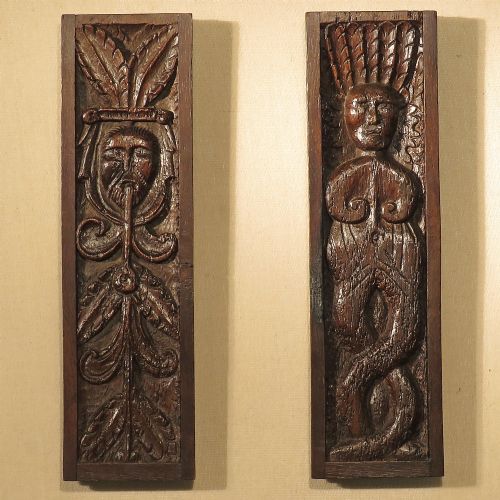
Sixteenth-century pieces typically display heavy oak construction with characteristic linenfold motifs, Tudor styling, or early figural subjects like Green Men. Tool marks left by hand adzes and early chisels differ significantly from the more mechanized production methods of the nineteenth century.
Examining the back of the panel reveals jointing techniques, timber shrinkage, and fastener types that help establish the age of the wood.
What is the difference between European and Chinese panels?
European panels from the sixteenth to nineteenth centuries generally employ oak, walnut, or fruitwood with Gothic, Renaissance, or Baroque motifs. Subjects often include biblical scenes, heraldry, and classical figures.
Chinese panels utilise elm, camphor wood, or mixed hardwoods, featuring distinct Qing Dynasty iconography, pierced landscapes, and ceremonial figures carved with high relief depth.