
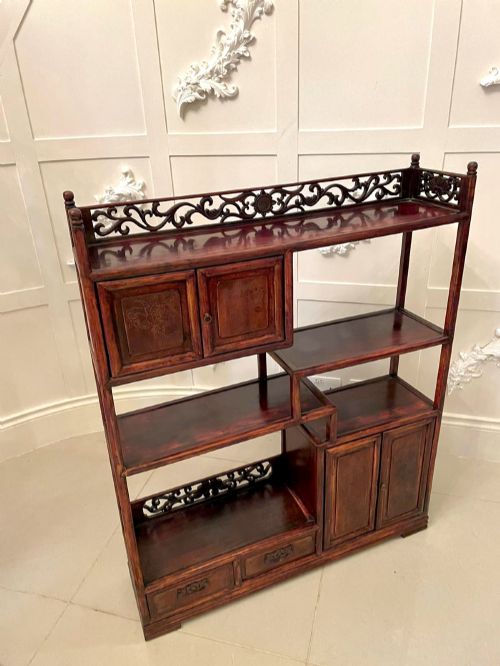
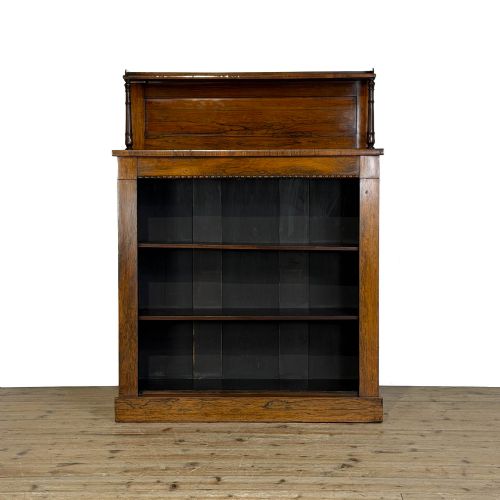
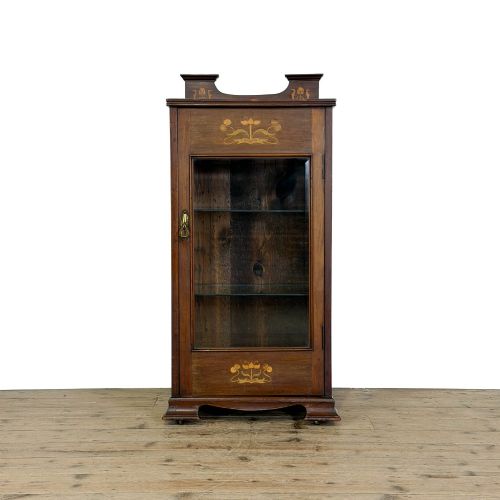
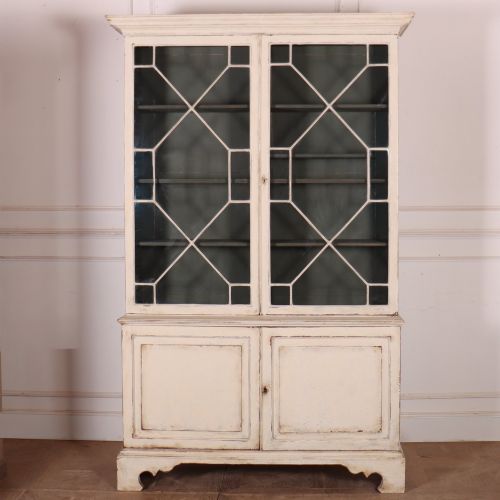

Antique Timber Display Cabinet
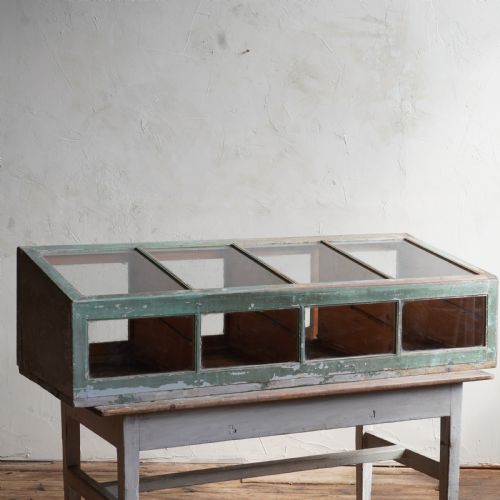
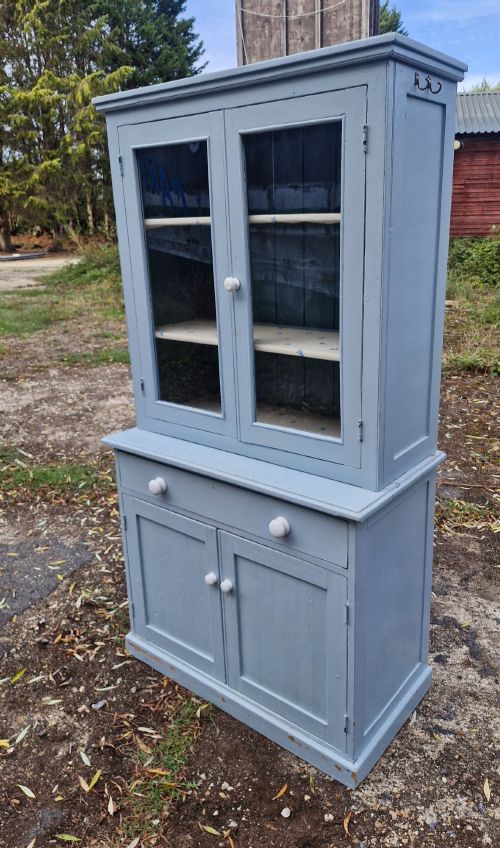
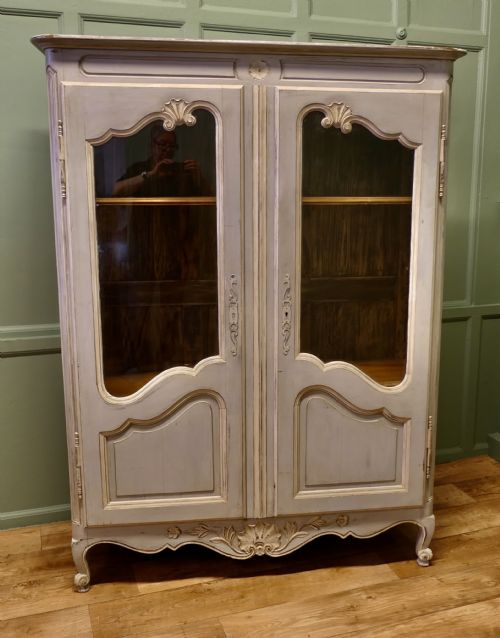
An antique timber display cabinet holds collections behind glass, bringing rich grain and period character to a room.
Antique Timber Display Cabinet
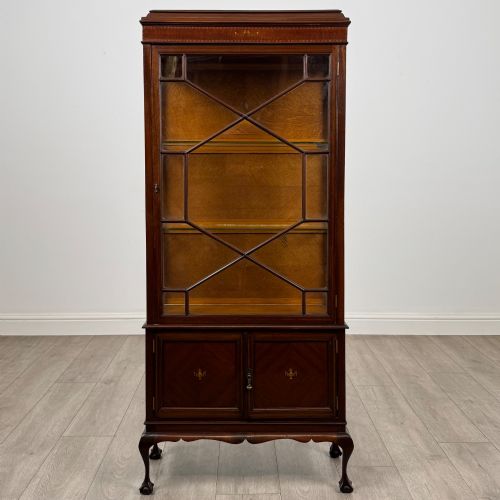
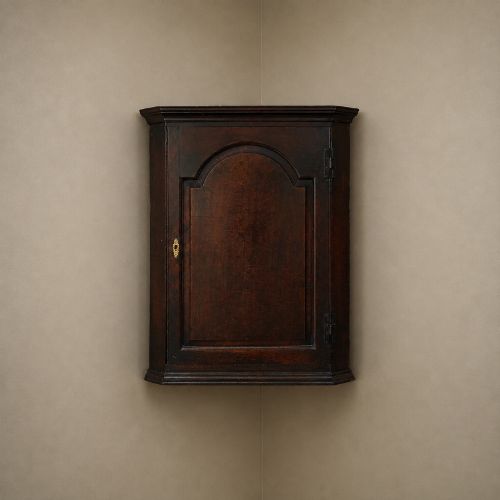
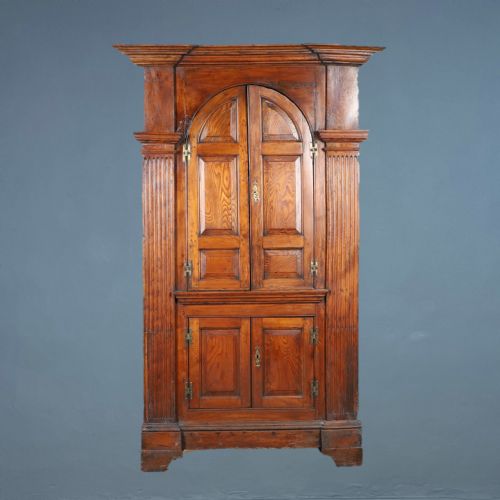
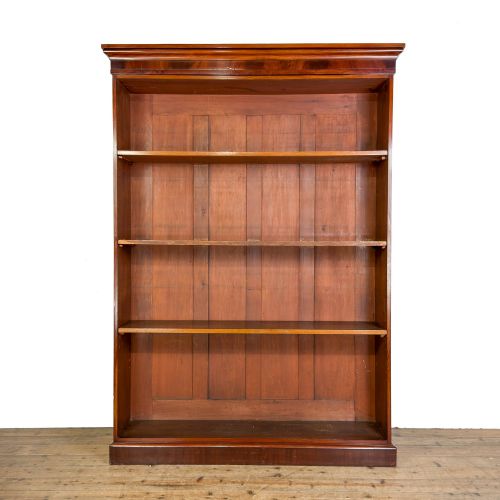
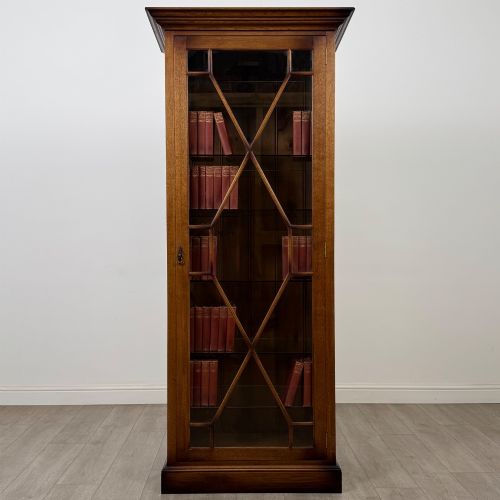
An antique timber display cabinet serves to protect and exhibit treasured possessions, ranging from tall library bookcases to small countertop cases and corner cupboards. When searching for an antique timber display cabinet, buyers encounter diverse forms shaped across the eighteenth, nineteenth, and twentieth centuries. The selection includes Victorian glazed mahogany bookcases, Edwardian inlaid cabinets, and Georgian hanging corner cupboards designed to utilise domestic space.
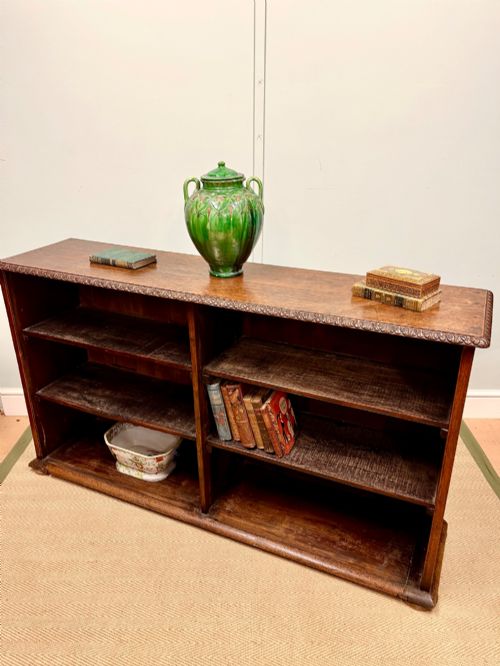
Makers and workshops across different regions applied distinct regional aesthetics, producing English country pieces alongside Chinese hardwood cabinets and Japanese Meiji period shodana storage. Victorian and Edwardian examples appear frequently, often constructed with glazed doors or open shelving for books and objects. Corner units and vitrines adapt the core function of display to various room layouts.
Materials and construction methods
Cabinet makers utilised dense hardwoods such as mahogany, walnut, rosewood, oak, elm, satinwood, and yew, frequently pairing figured veneers with solid frames. Glass panels were integrated into doors and vitrines to shield contents from dust while maintaining visibility, while brass hardware provided structural fastenings and decorative key escutcheons.
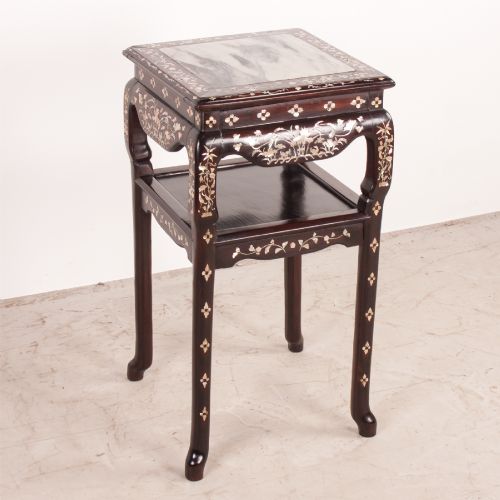
Joinery techniques ranged from traditional dovetailing in carcases to carved ornamentation, hand-painted finishes, and mother of pearl inlay. Workshops also employed specialised treatments like distressed paint or Chinoiserie lacquering to achieve specific regional and period styles.
Listings feature 19th Century, Victorian, Edwardian, Georgian, and 18th Century periods alongside materials like mahogany, walnut, rosewood, oak, and glass.
Judgements of quality
Superior quality rests upon the selection of timber figures, such as burr walnut or figured mahogany, and the precision of the cabinet maker's joinery. Finely executed carving, original brass fittings, and intact glass panes distinguish higher workshops from utilitarian pieces.
The integrity of the original finish, whether polished wood or period painted surfaces, dictates the visual authority of the piece. Proportion and structural balance further separate standard production items from exceptional commissions.
Rowland Ward Ltd·Gillows
The Antique Timber Display Cabinet Glossary
- Vitrine
- A glass-fronted cabinet or display case designed specifically for showing porcelain, curiosities, or fine objects. These pieces often feature glazed sides as well as doors to maximise ambient light.
- Breakfront
- A large cabinet or bookcase whose central section projects forward from the flanking wings. This architectural arrangement creates depth and visual rhythm across long elevations.
- Shodana
- A traditional Japanese display cabinet featuring asymmetrical shelving, sliding doors, and compartments. These pieces showcase intricate woodwork and decorative panel details.
- Chinoiserie
- European decorative style reflecting Chinese artistic influences, typically characterised by lacquered surfaces and painted motifs. Skilled artisans applied these schemes to storage and marriage cabinets.
- Escutcheon
- A flat plate of brass or other metal surrounding a keyhole to protect the surrounding timber from wear. Finer examples display engraved detailing or shaped outlines matching the period style.
Antique Timber Display Cabinet: Frequently Asked Questions
What fits inside an antique timber display cabinet?
These cabinets house books, ceramics, glassware, and small collections behind protective glass doors. Adjustable shelving allows for the accommodation of varied object heights.
Larger breakfronts and standing bookcases suit substantial libraries, while corner cupboards and hanging wall units utilise compact spaces for delicate porcelain.
How do I identify a Victorian display cabinet?
Victorian examples frequently utilise dense timbers like mahogany and burr walnut, often featuring deep carved mouldings and glazed panel doors. Proportions tend to be robust and functional.
Reference to specific Victorian decades helps date the joinery, alongside characteristic hardware such as brass locks and escutcheons.
Where should I place a corner cabinet?
Corner units anchor awkward room junctions, turning dead space into functional storage for glassware and small ornaments. Wall-hanging versions release floor area in smaller rooms.
Matching the timber tone to existing furniture ensures the cabinet integrates smoothly into the domestic layout.
What is the difference between a vitrine and a bookcase?
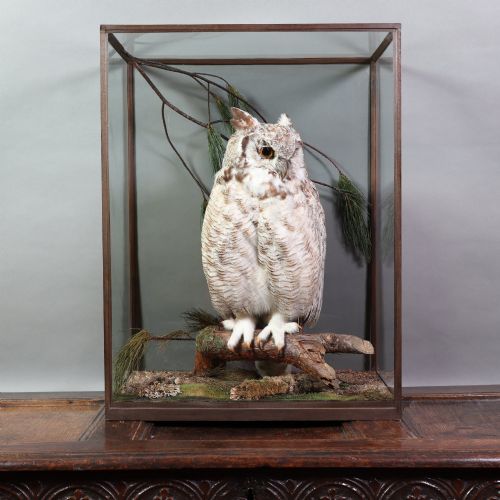
A vitrine incorporates glass panels on the sides as well as the front to illuminate objects from multiple angles. Bookcases focus primarily on front-facing shelf storage for bound volumes.
Both forms utilise timber frames, but vitrines generally highlight decorative curiosities rather than working libraries.