

Antique Tilt Table
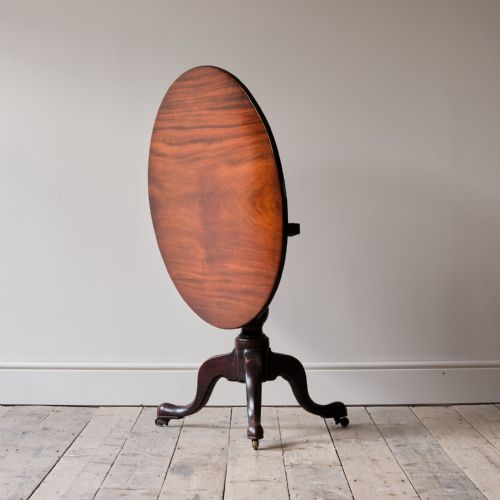
When searching for an antique tilt table, collectors find versatile furniture designed to save space when pivoted vertical against a wall.
Antique Tilt Table
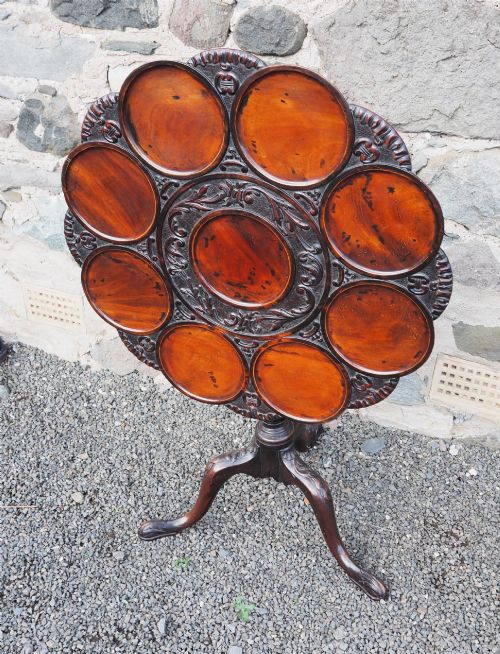
An antique tilt table functions as a dual-purpose piece, serving as a compact side or wine table when tilted upright and a functional dining or breakfast surface when lowered horizontally. The mechanism relies on a catch and block hinge assembly beneath the top, allowing the surface to swivel and lock into place.
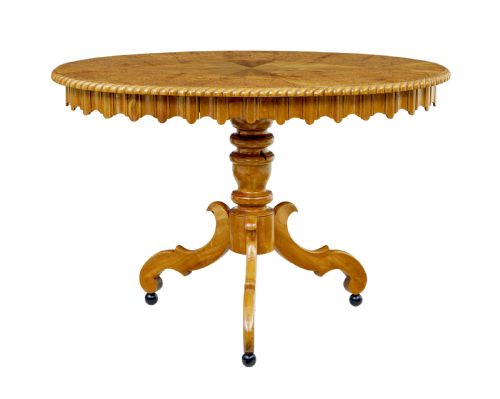
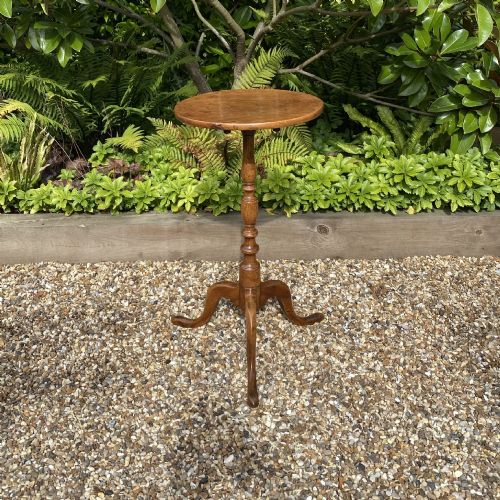
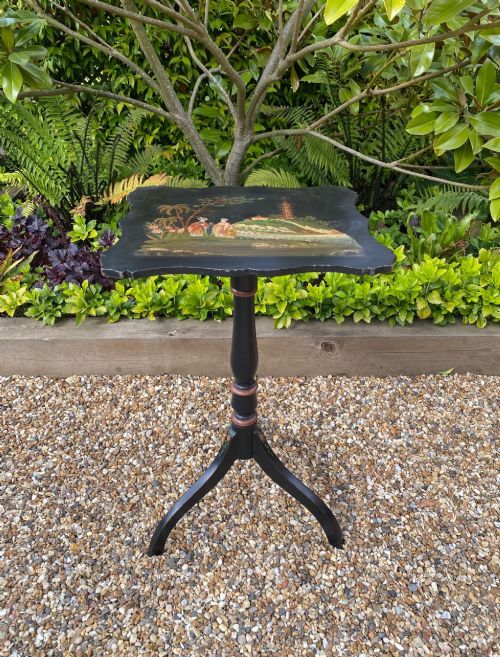
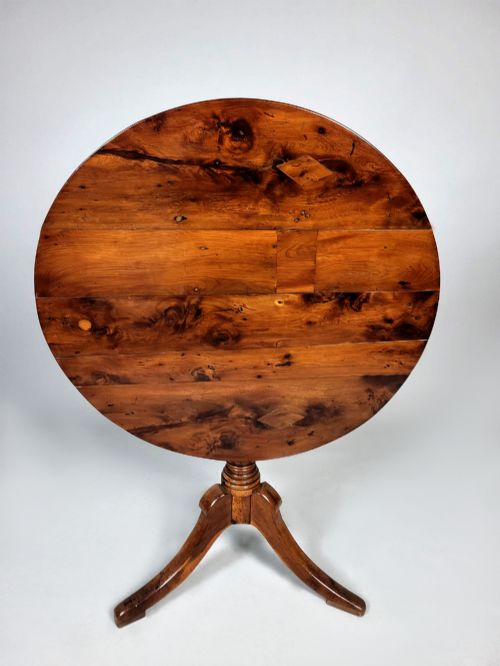
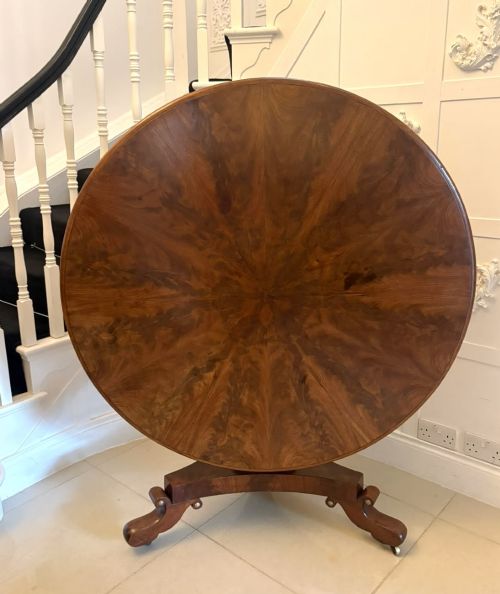
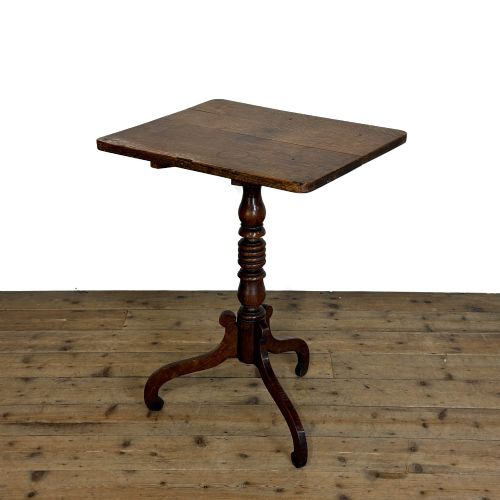
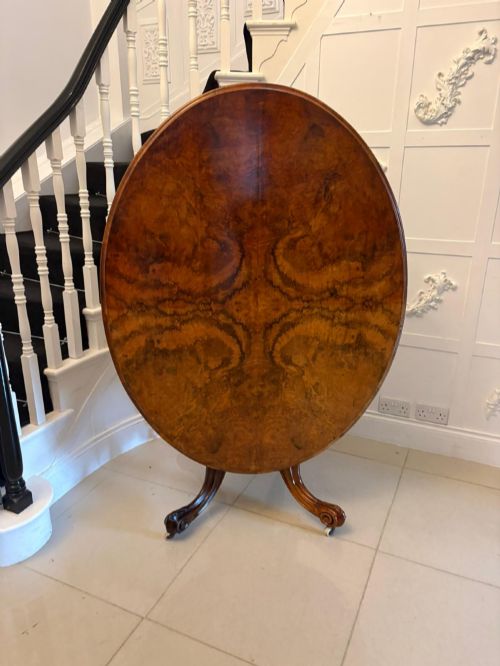
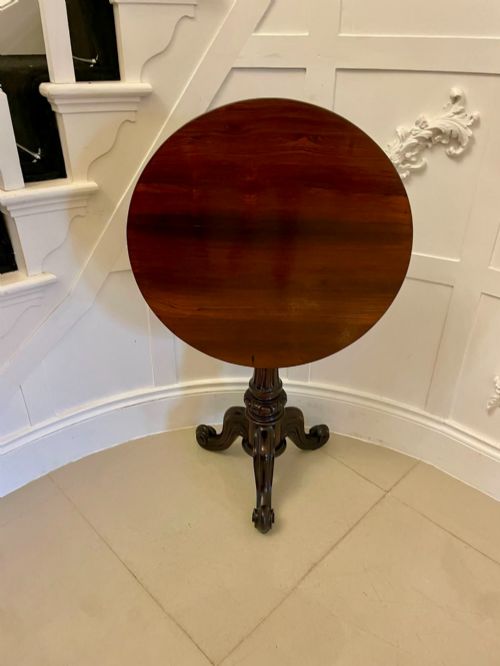
The versions most frequently encountered on this page span the Georgian, Regency, and Victorian eras, taking forms from small occasional tripod tables to large oval loo and dining tables. Common variations include round, square, and shaped tops supported by either a single central pedestal with three legs or a robust pillar and platform base.
Origins range widely from English workshop productions in mahogany and oak to continental examples in burr walnut and birch. Buyers select these items for domestic utility and traditional craftsmanship, appreciating the ingenious folding mechanism that distinguished elite domestic spaces of the eighteenth and nineteenth centuries.
Materials and construction methods
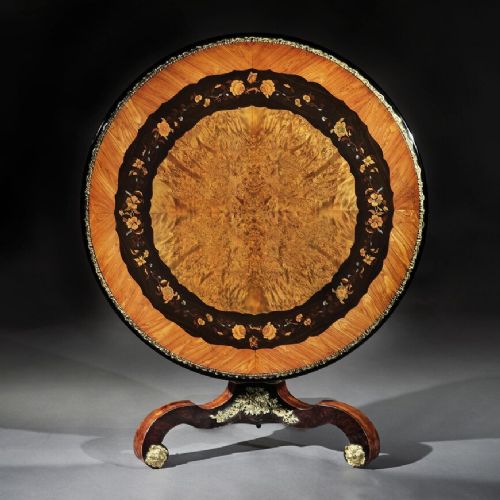
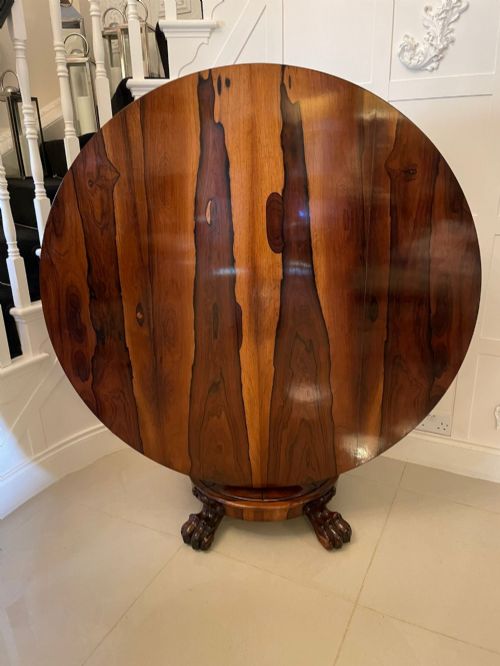
Cabinetmakers relied heavily on dense timbers such as mahogany, oak, and rosewood for structural stability, often selecting figured veneers like burr walnut for decorative impact on table tops. Timber selection dictated the weight of the pivoting mechanism, requiring balanced construction so the top could swivel safely on its birdcage or block pivot.
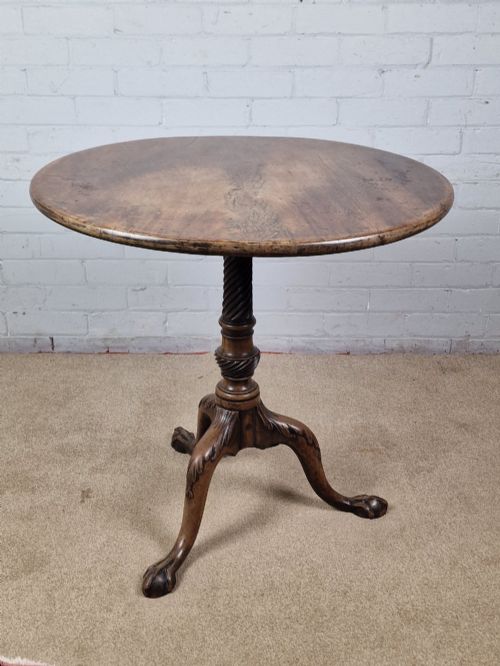
Support structures combined turned pedestals with brass castors, boxwood inlay, and carved tripod legs terminating in pad or lion-paw feet. Joinery techniques utilised traditional dovetails, tenons, and pivot pins designed to withstand the daily friction of tilting and locking the surface.
Listings feature periods spanning the Georgian, Regency, and Victorian eras, constructed from mahogany, oak, rosewood, and burr walnut.
Distinctions in execution and finish
Quality in these pieces is dictated by the crispness of the carving on the pedestal and the choice of timber figure, where highly figured mahogany or burr walnut elevates a piece significantly. The stability of the tilt mechanism and the precision of the brass catch dictate daily functionality.
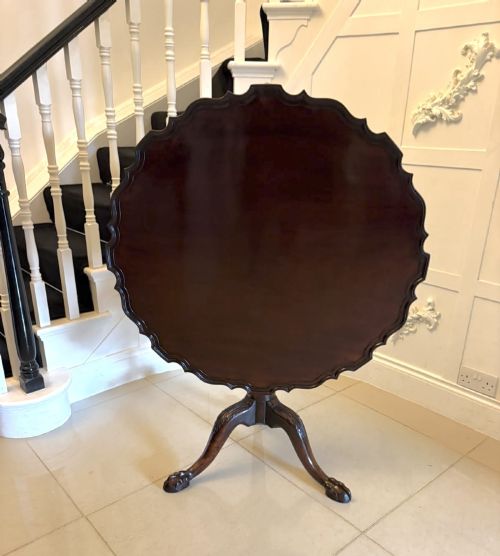
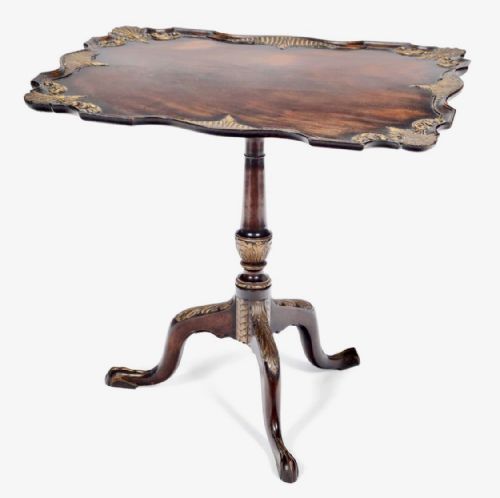
Superior examples feature integrated boxwood inlay, parcel gilding, or finely executed pie-crust edges that reflect advanced cabinetmaking workshops. Lesser examples exhibit plain turned posts and simpler secondary woods, though they maintain the fundamental mechanical utility.
Edward Holmes Baldock·Gillows
The Antique Tilt Table Glossary
- Tilt top
- A table mechanism featuring a hinged block that allows the surface to rotate vertically when not in use. This clever design saved valuable floor space in historical rooms.
- Tripod base
- A three-legged support structure commonly found beneath smaller occasional and wine tables. It ensured stability on uneven historical floorboards.
- Pie crust edge
- A decorative raised border carved into the solid timber perimeter of a circular table top. This intricate detail required exceptional skill from the woodcarver.
- Loo table
- A large Victorian card and conversation table, often oval or circular, equipped with a heavy tilting top. These were centrepieces in nineteenth-century drawing rooms.
- Birdcage
- A revolving lattice framework placed beneath a table top to allow both tilting and rotation. It represents a more complex and desirable mechanical assembly.
Antique Tilt Table: Frequently Asked Questions
What is an antique tilt table?
An antique tilt table is a piece of furniture featuring a hinged mechanism that allows the top to fold into a vertical position. This design originated to save floor space in domestic interiors when the table was not in active use.
Historically, these pieces functioned as wine tables, breakfast tables, or larger centre dining tables. The pivoting top made them adaptable to various rooms in eighteenth and nineteenth-century homes.
How do you operate the tilt mechanism?
Most mechanisms utilise a wooden catch, a brass sliding pin, or a spring-loaded latch housed beneath the table top. Disengaging the lock allows the surface to pivot upward on its central pivot.
When returning the table to a horizontal position, the catch automatically engages to secure the top flat. Users should support the weight of the timber during this transition to protect the pivot block.
Where were tilt tables used in the home?
Smaller tripod versions served as wine or occasional tables placed beside seating areas in drawing rooms. Larger circular and oval examples stood in the centre of dining rooms and libraries.
Because they could be tipped flat against a wall, they cleared floor space for dancing or other activities. This mobility made them essential furnishings for versatile living spaces.