



Antique Tiered Cake Stand
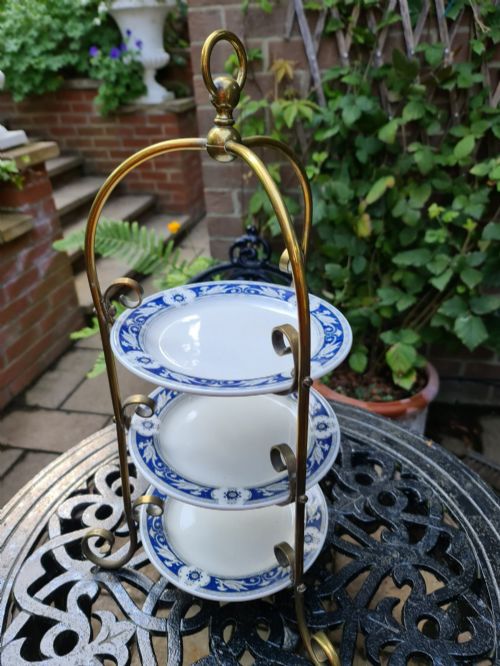
These antique tiered cake stands offer tiered display surfaces for afternoon tea and service, bringing functional elegance to any interior.
Antique Tiered Cake Stand
An antique tiered cake stand provides multiple stacked surfaces designed for serving afternoon tea or displaying desserts in domestic spaces. These pieces span the Georgian, Victorian, and Edwardian periods, alongside examples from the eighteenth and nineteenth centuries.
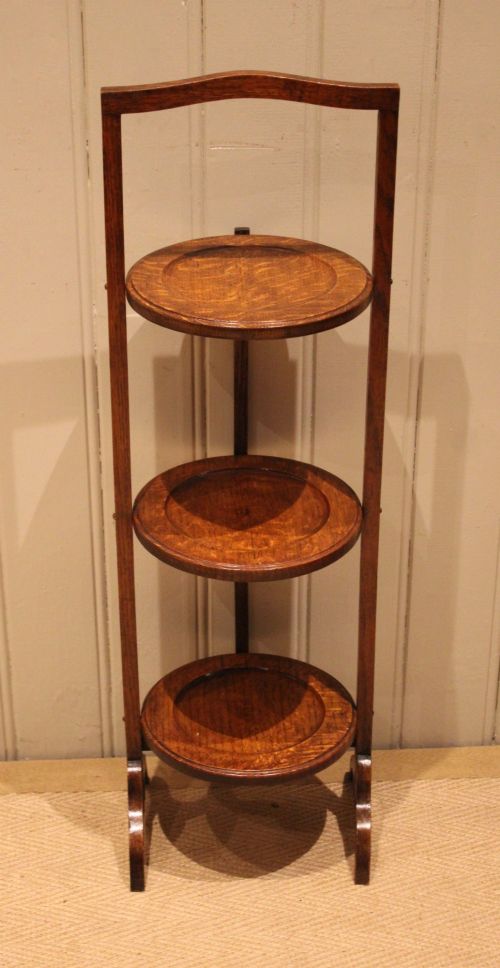
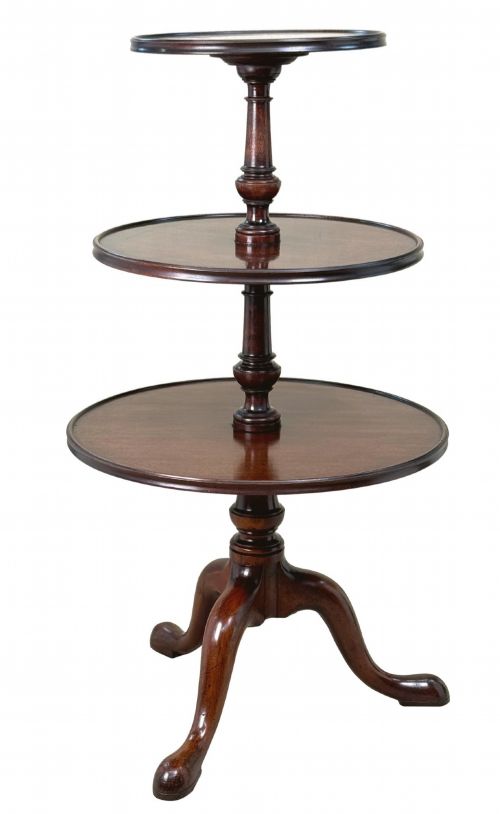
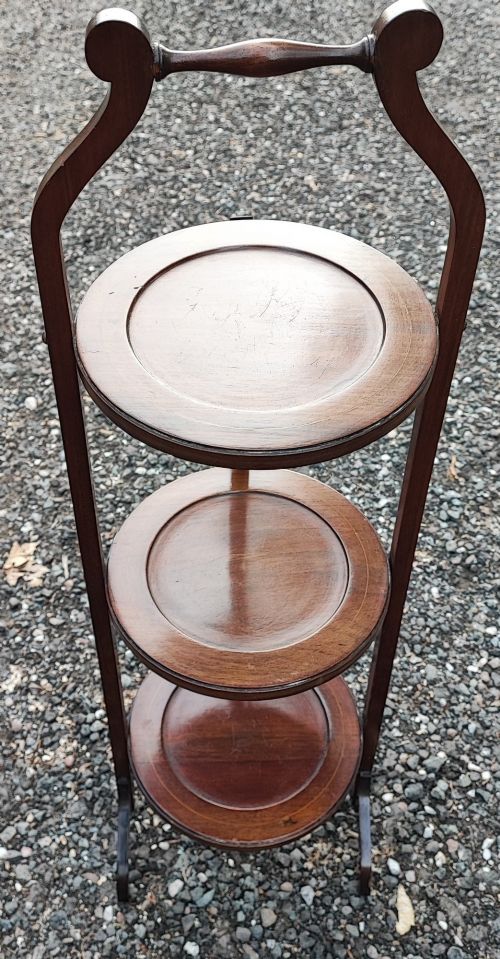
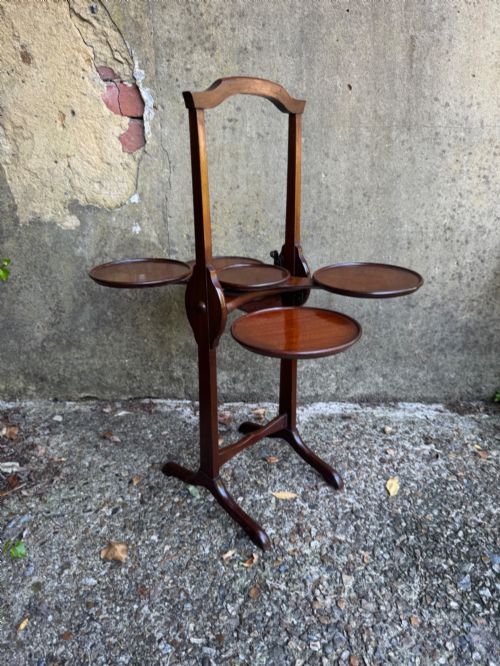
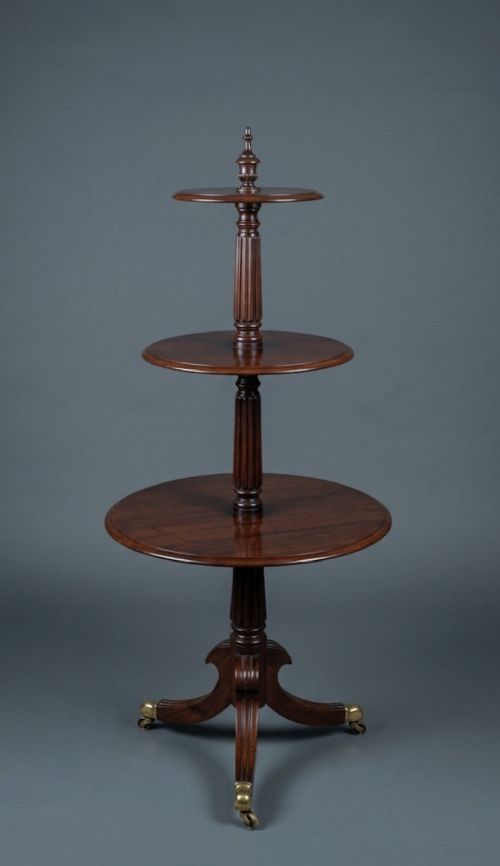
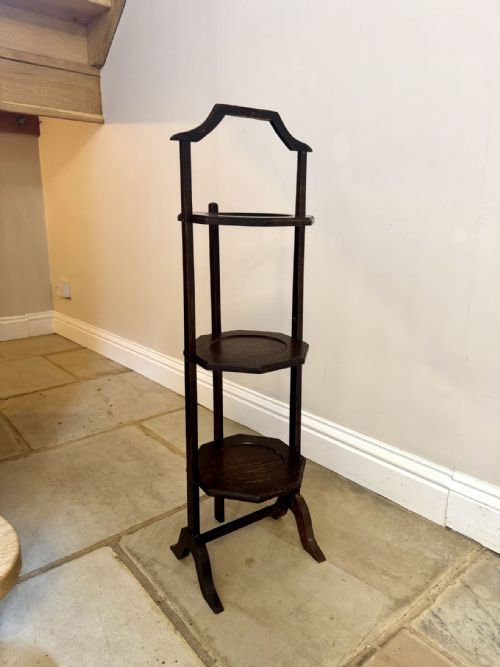
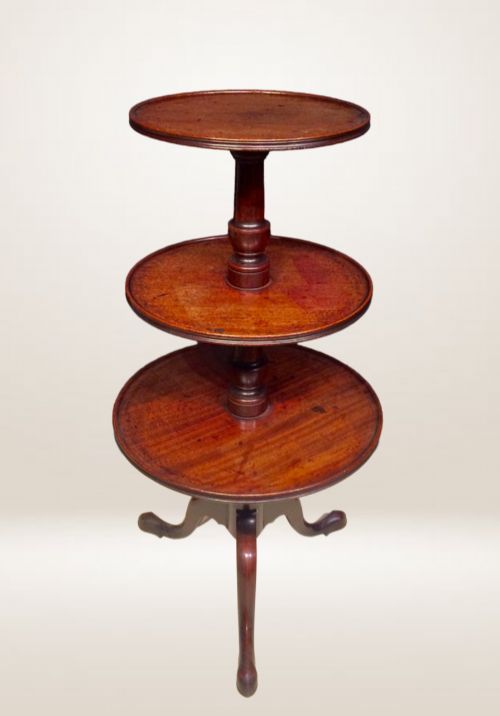
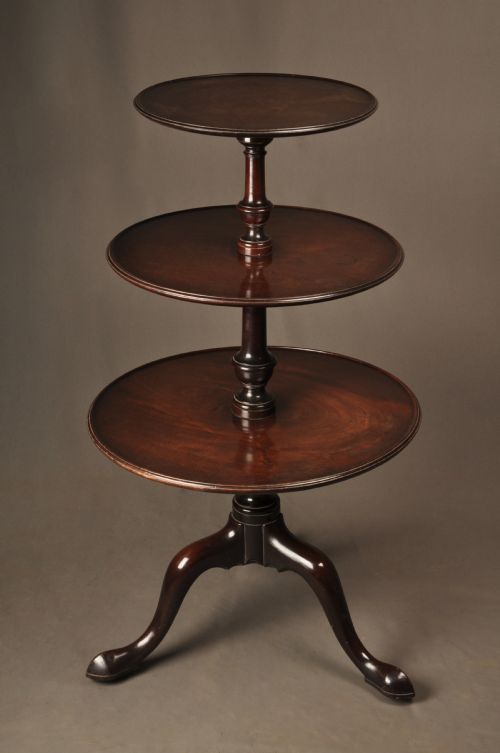
The form appears frequently as a folding stand constructed for easy storage, as well as a more permanent dumb waiter or etagere table. Buyers encounter variations ranging from simple oak or mahogany folding frames to revolving three-tier pedestals.
Originating as practical service furniture for dining rooms and drawing rooms, these tiered items function equally well as occasional tables or accent display surfaces today.
Materials and Construction
Makers utilised dense timbers, predominantly mahogany and oak, supplemented by rosewood, satinwood, and brass hardware. Cabinetmakers shaped solid wood and applied decorative veneers, occasionally incorporating satinwood inlay to enrich the visual depth of the tiers.
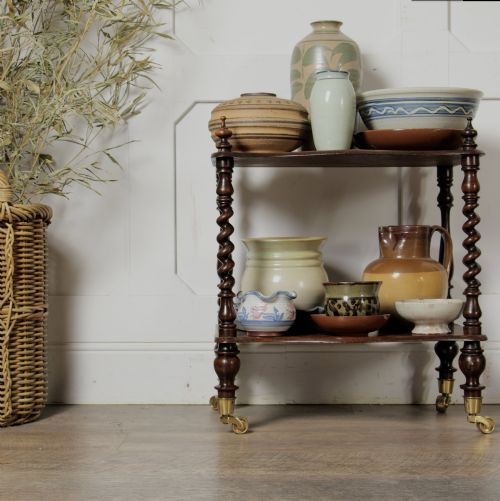
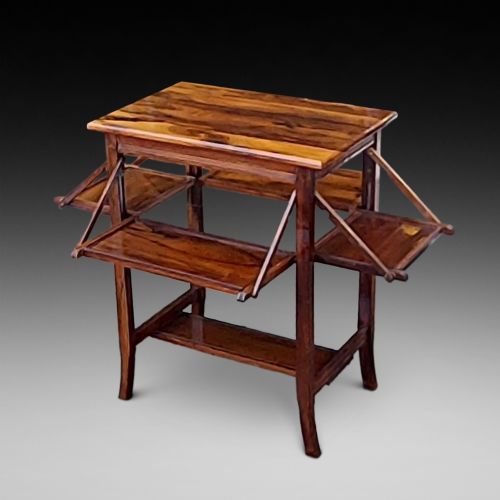
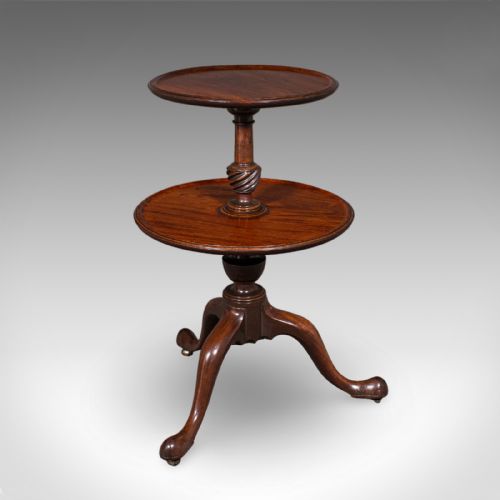
Structural designs involve tripod bases, barley twist uprights, and folding mechanisms that allow the tiers to collapse neatly. Joinery methods reflect the period of manufacture, from eighteenth-century turning to Edwardian folding hinges.
The inventory includes folding cake stands, dumb waiters, etageres, and occasional tables with up to four tiers.
Evaluating the Pieces
Quality rests upon the selection of timber and the precision of the joinery, particularly in the construction of folding mechanisms and revolving tiers. Pieces featuring crisp satinwood inlay or well-turned tripod pedestals demonstrate superior craftsmanship.
The integrity of the structural frame and the stability of the stacked tiers determine the enduring utility of the stand. Examples retaining their original hardware and balanced proportions command greater appreciation among collectors.
The Antique Tiered Cake Stand Glossary
- Dumb waiter
- A tiered serving table designed to hold food or tableware without the need for a servant present. These pieces typically feature multiple circular revolving or stationary trays on a central pedestal.
- Etagere
- A piece of furniture consisting of a set of open shelves for displaying small objects or serving items. The form provides multiple levels for tiered organisation.
- Barley twist
- A type of turned wooden column resembling a twisted rope, commonly found on Victorian and Edwardian supports. This decorative woodworking technique adds texture to vertical framing members.
- Sheraton Revival
- A late nineteenth and early twentieth-century style inspired by the neoclassical designs of Thomas Sheraton. Pieces in this style often feature delicate mahogany construction and symmetrical satinwood inlay.
- Tripod base
- A three-legged support structure commonly utilised on pedestals and occasional tables for stability. This configuration prevents rocking on uneven floor surfaces.
Antique Tiered Cake Stand: Frequently Asked Questions
How were tiered stands used originally?
These pieces served households during afternoon tea, holding cakes, pastries, and small side dishes within reach of guests.
In dining rooms and parlours, they functioned as portable service stations where servants placed courses or utensils.
Do these stands fold flat?
Many Edwardian and later examples incorporate clever folding hinges designed to collapse the tiers for compact storage.
Georgian and Victorian dumb waiters generally feature fixed or revolving tiers mounted on sturdy permanent pedestals.
What woods are most common?
Mahogany appears most frequently across Georgian, Victorian, and Edwardian items, often paired with satinwood inlay.
Oak is also prevalent, particularly in Edwardian folding stands, alongside occasional examples utilising rosewood and brass.
How do I identify an Edwardian stand?
Edwardian pieces often feature lighter frames, satinwood inlay, and practical folding mechanisms suited for domestic tea service.
They generally date around the early twentieth century, showing Sheraton Revival influences and crisp, slender turnings.