
Antique Tiered Bookshelf
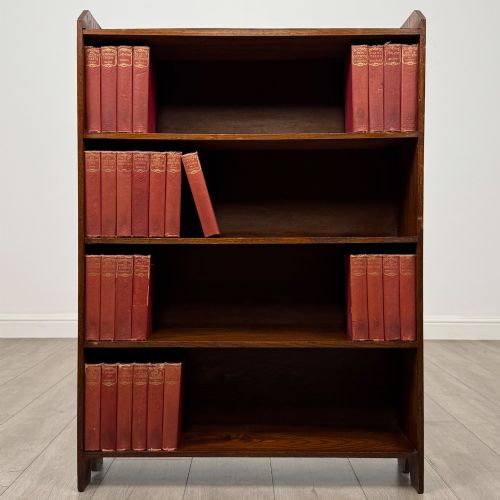
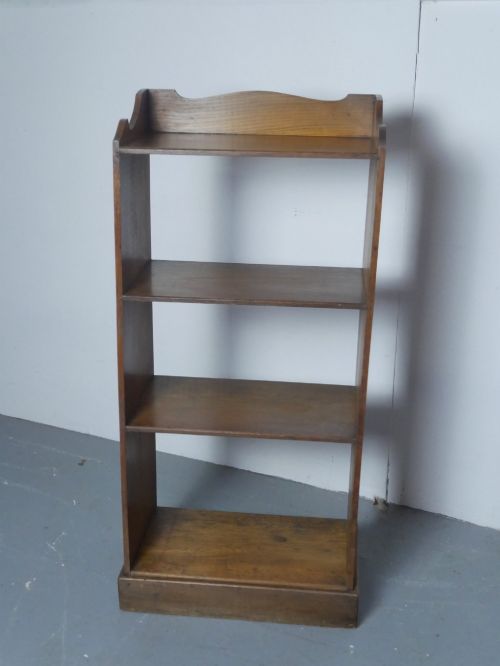
An antique tiered bookshelf brings layered timber and practical display into a room, offering multiple levels to hold volumes close at hand.
Antique Tiered Bookshelf
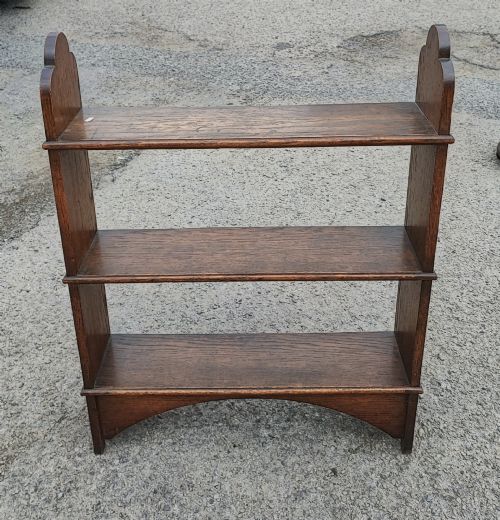
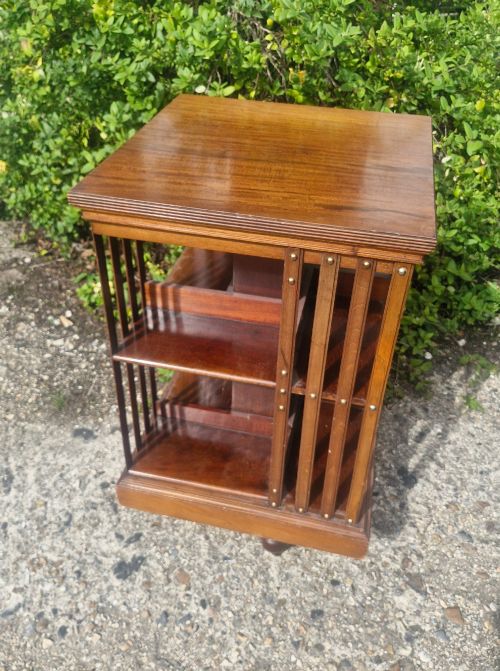
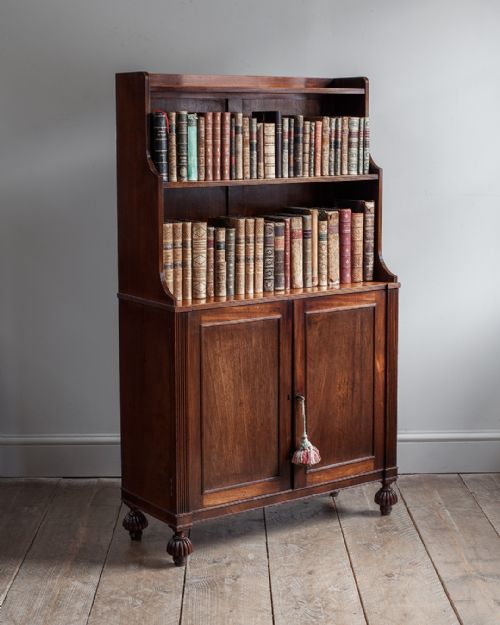
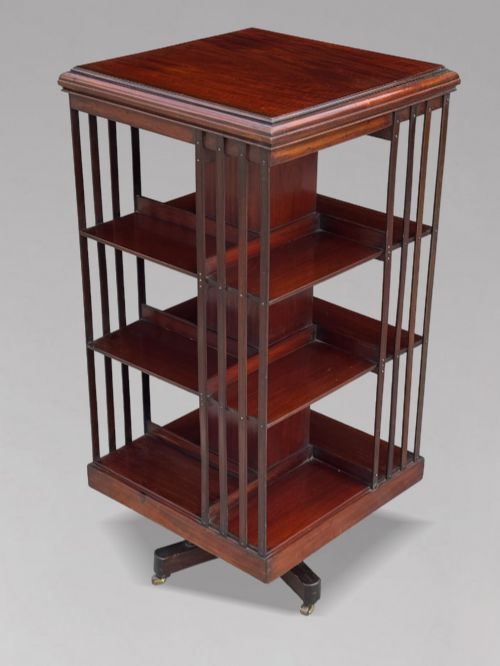
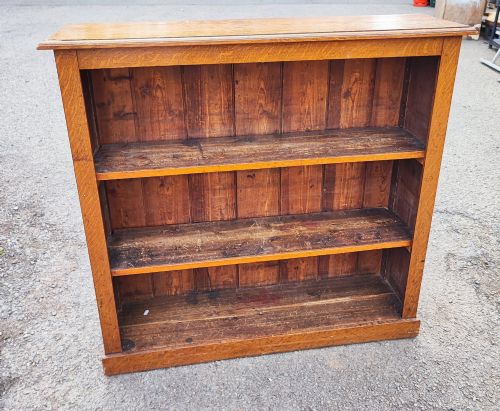
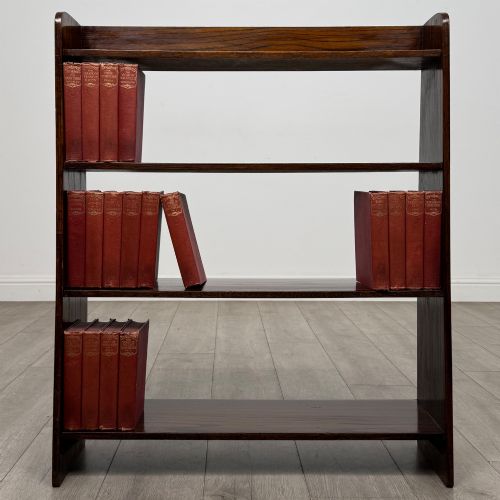
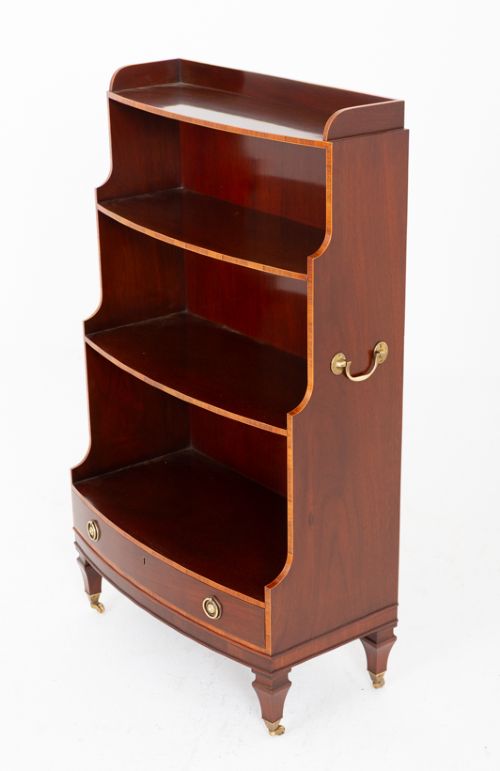
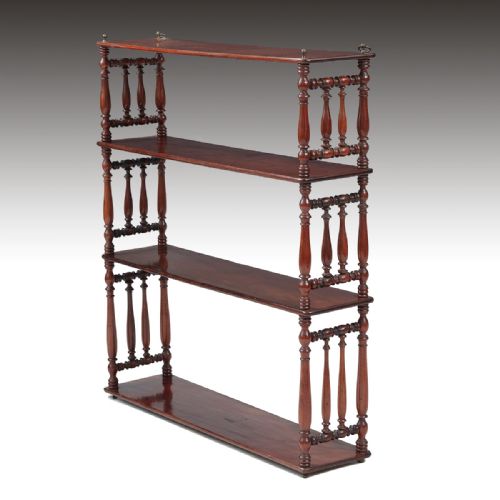
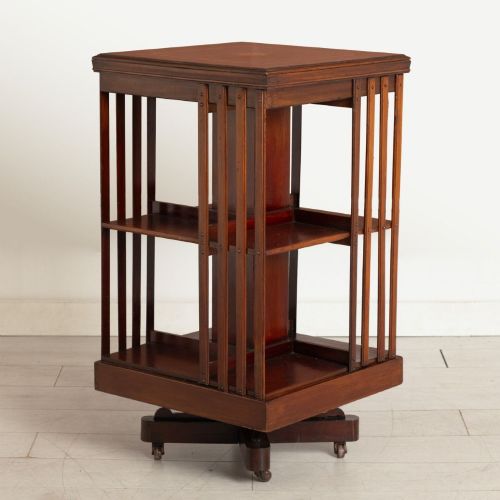
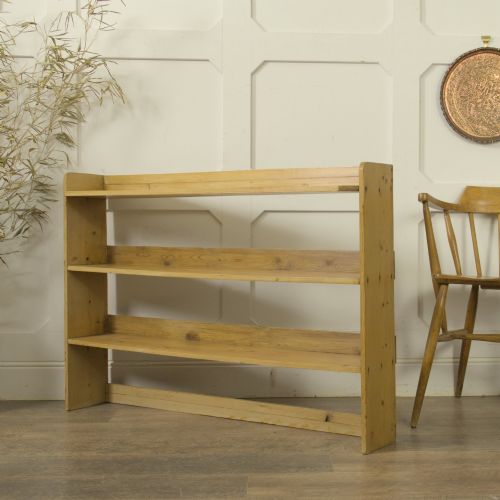
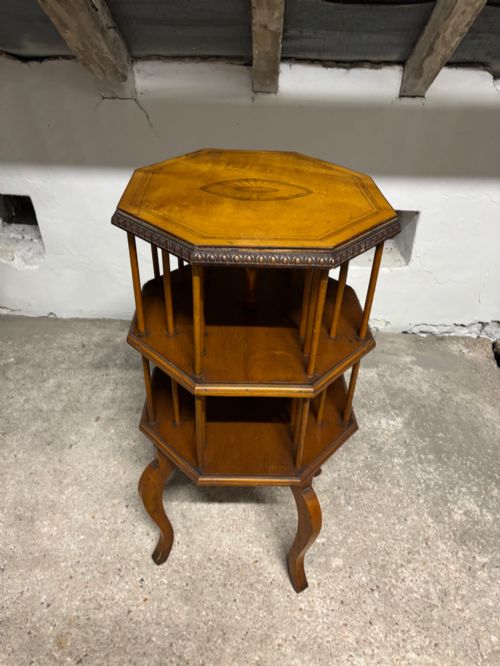
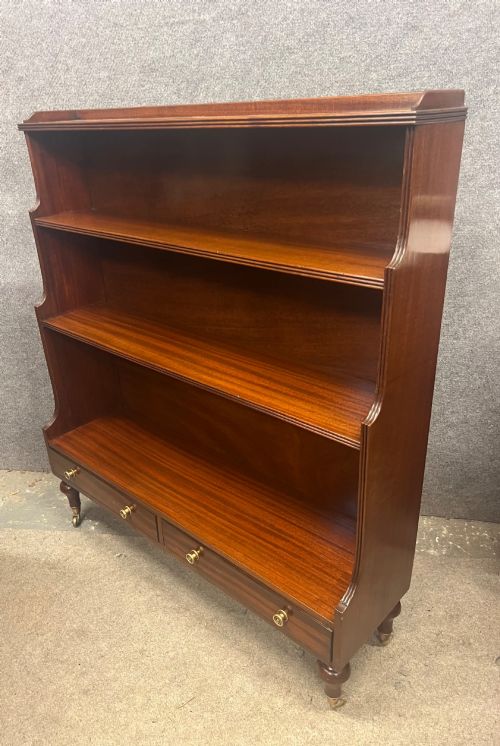
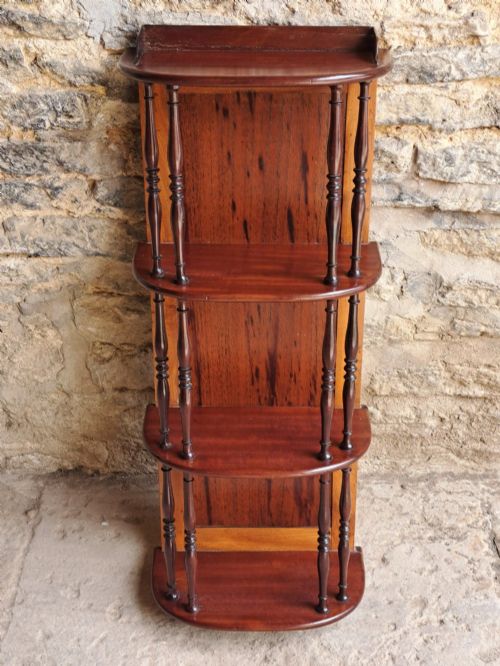
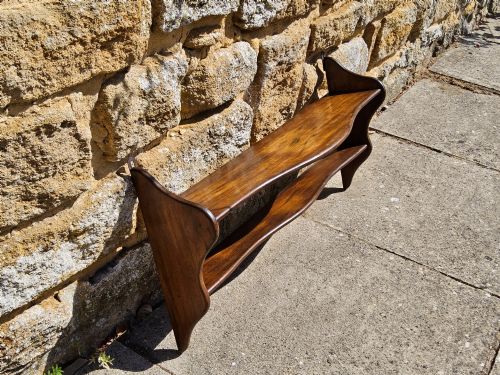
When you search for an antique tiered bookshelf, you encounter diverse multi-level storage forms ranging from revolving bookcases and whatnots to waterfall bookcases and hanging wall shelves. These pieces date across the nineteenth and early twentieth centuries, spanning Victorian, Edwardian, and Regency periods.
The version you meet most frequently on this page is the Edwardian or Victorian mahogany revolving bookcase, alongside stationary open bookcases and tiered wall shelves in oak, walnut, and mahogany. These items served domestic libraries, studies, and drawing rooms for displaying and accessing books.
Makers and workshops produced these multi-tiered units to adapt to growing collections of literature and ornamental volumes within domestic spaces. They provide structured vertical storage that takes up minimal floor space while keeping numerous books visible and reachable.
Materials and Construction
Cabinetmakers utilised hardwoods such as mahogany, oak, walnut, and rosewood, often selecting figured timbers like flame mahogany or incorporating satinwood inlay for decorative contrast. Secondary woods provided structural stability for the tiered platforms and vertical uprights.
Revolving mechanisms relied on internal wooden or cast iron pivots that allowed the tiers to turn smoothly on a stable base, sometimes fitted with brass castors. Joinery methods included precise dovetailing and mortise and tenon joints to support the weight of heavy volumes across multiple shelves.
Distinctions in Execution
The distinction between standard utility pieces and finer examples rests on the selection of timber veneers, the crispness of inlaid banding, and the sophistication of the revolving mechanism. Superior pieces display carefully matched grain patterns and restrained decorative mounts in brass or gilt.
Heavier construction and stable tier alignment separate better examples from utilitarian storage, ensuring the shelves bear weight without sagging. The finesse of the edge mouldings and the smoothness of the turning action demonstrate the maker's competence.
Heals
The Antique Tiered Bookshelf Glossary
- Waterfall bookcase
- A tiered shelving unit where each successive shelf steps back from the one below it, creating a cascading profile.
- Revolving bookcase
- A freestanding tiered bookcase designed to rotate on a central spindle for easy access to books from any angle.
- Whatnot
- A movable piece of furniture with multiple open shelves used for displaying books and ornaments.
- Hanging shelves
- Shelving units designed to be mounted directly onto a wall rather than resting on the floor.
- Satinwood
- A durable, light-coloured tropical timber utilised for contrasting inlay work and decorative banding on cabinet furniture.
Antique Tiered Bookshelf: Frequently Asked Questions
Where did people put revolving bookcases?
Revolving bookcases sat beside armchairs, desks, or in the centre of studies where readers needed immediate access to reference volumes.
Their compact footprint allowed them to fit into tighter corners while holding a surprising quantity of books.
How do waterfall bookcases differ?
Waterfall bookcases feature graduated shelves that recede in depth from bottom to top, following a stair-step silhouette.
This graduation prevented taller books from being obscured by the shelves above them.
Can hanging shelves hold heavy books?
Hanging wall shelves were typically constructed for lighter volumes, pamphlets, and decorative objects rather than heavy folios.
Secure wall fixings and sound timber brackets determined the actual weight capacity of each shelf.
What woods were used most?
Mahogany, oak, and walnut dominate these tiered pieces, selected for their strength and rich grain patterns.
Satinwood and rosewood appeared more frequently in decorative inlays and high-status Victorian and Regency pieces.