

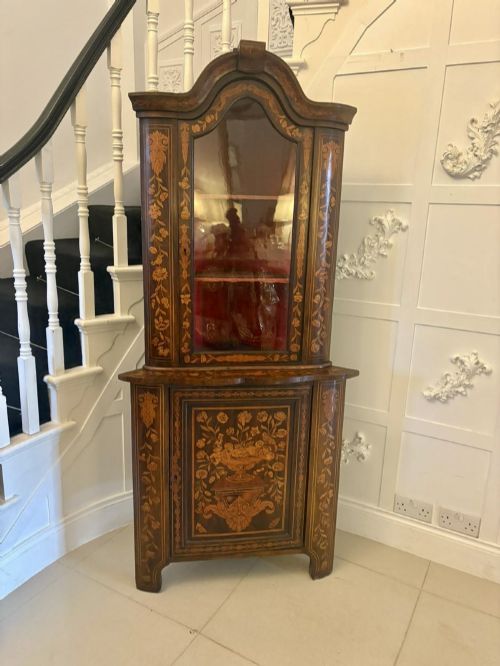
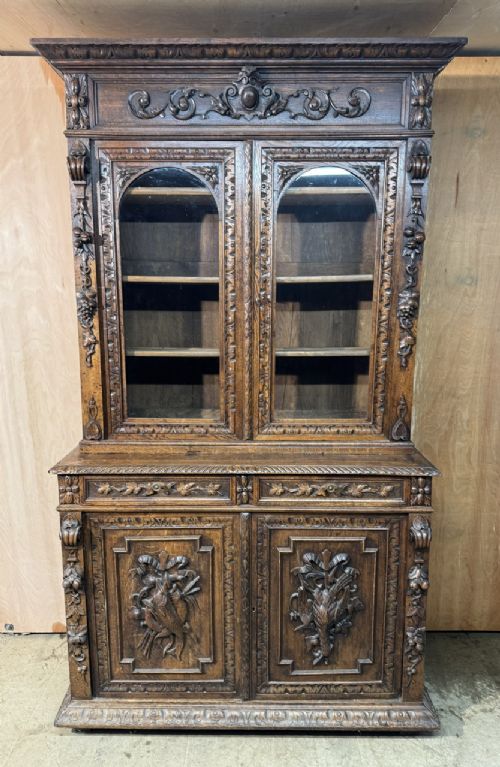
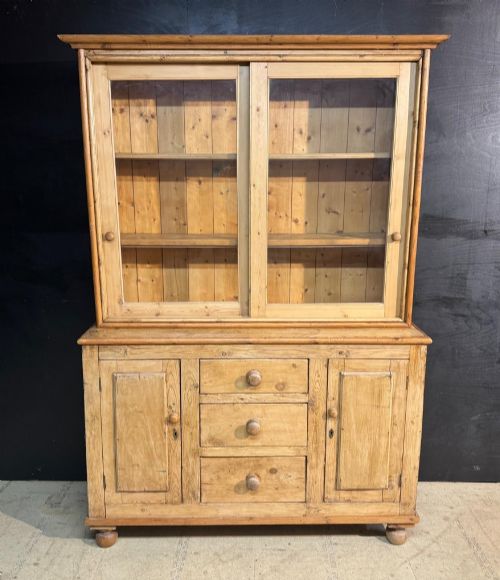
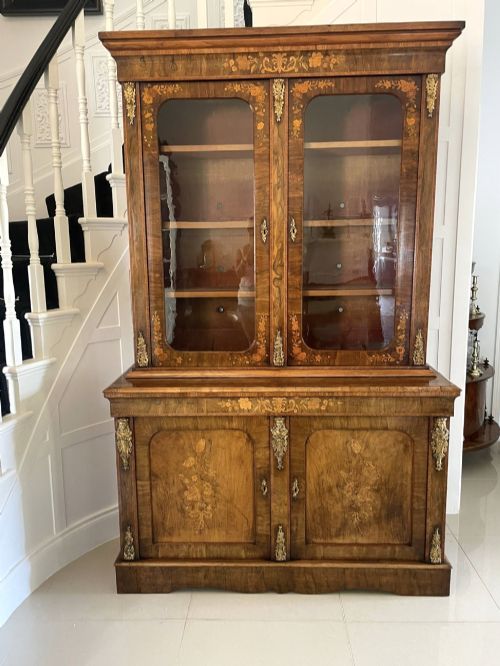
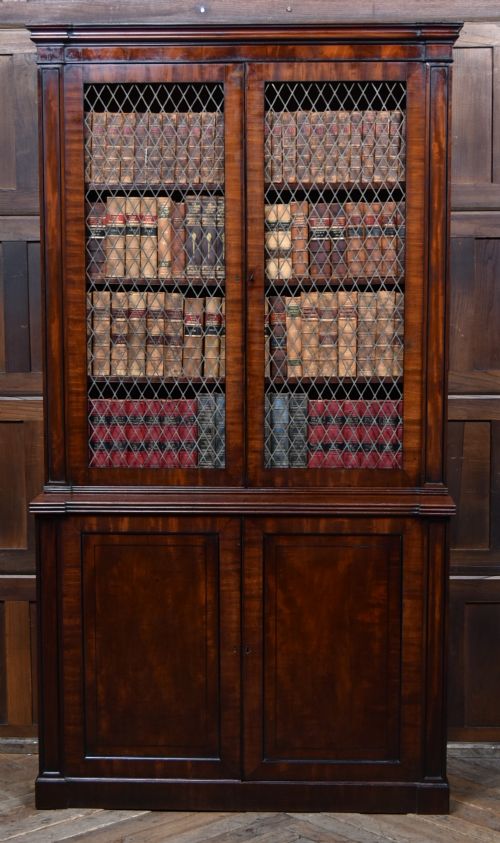
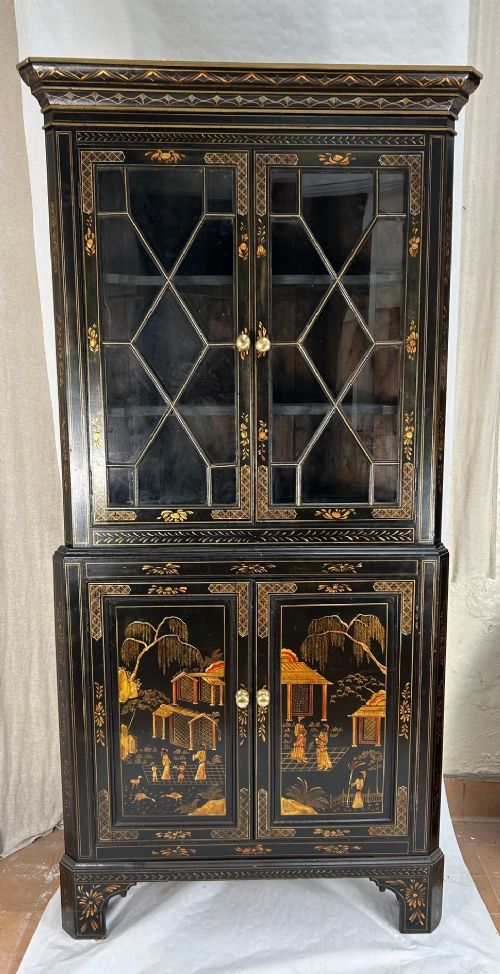
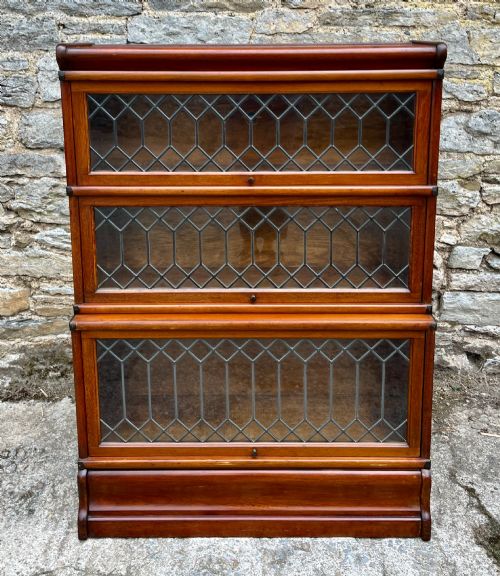
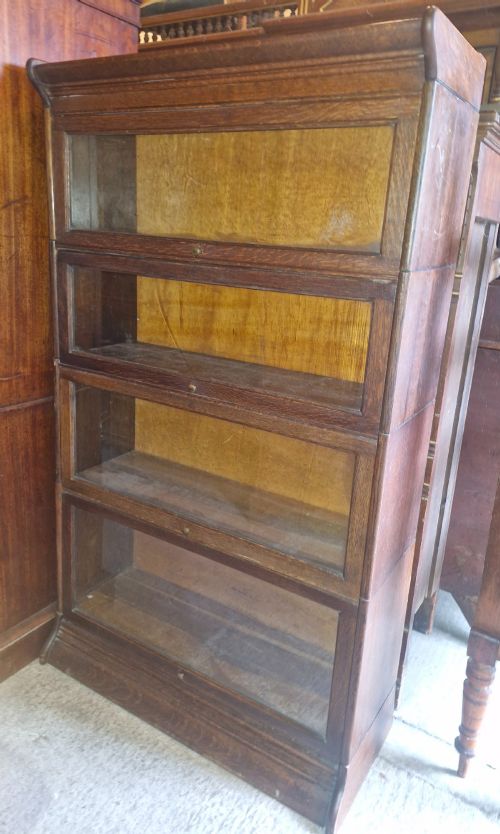
Antique Tier Display Cabinet
An antique tier display cabinet brings structured height to a room, holding collections on open shelves and behind glazed doors.
Antique Tier Display Cabinet
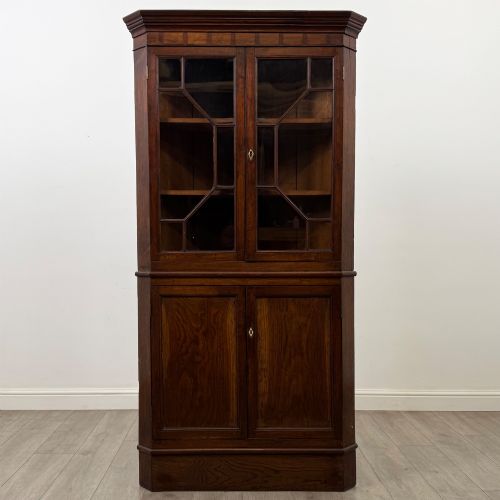
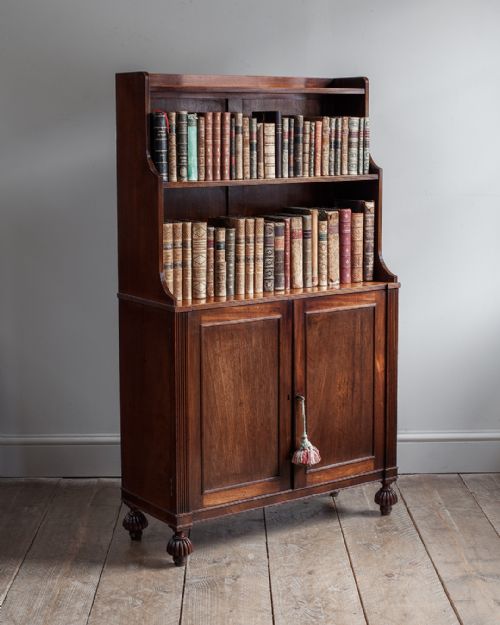
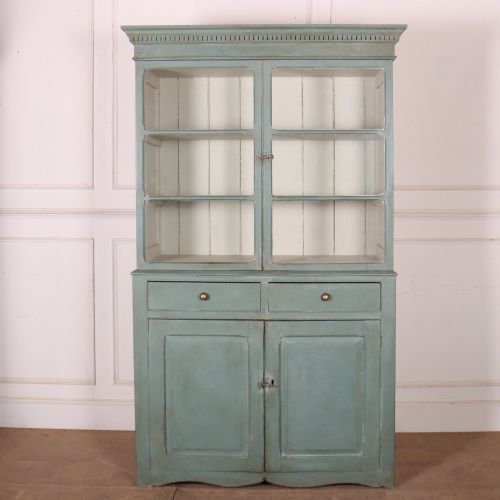
When you search for an antique tier display cabinet, you meet a selection of tall storage forms designed to show and protect objects. These pieces span multiple periods, including the Victorian, Edwardian, and Regency eras, alongside earlier Georgian examples.
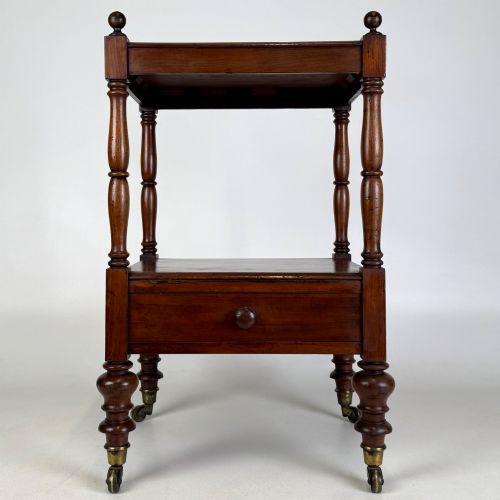
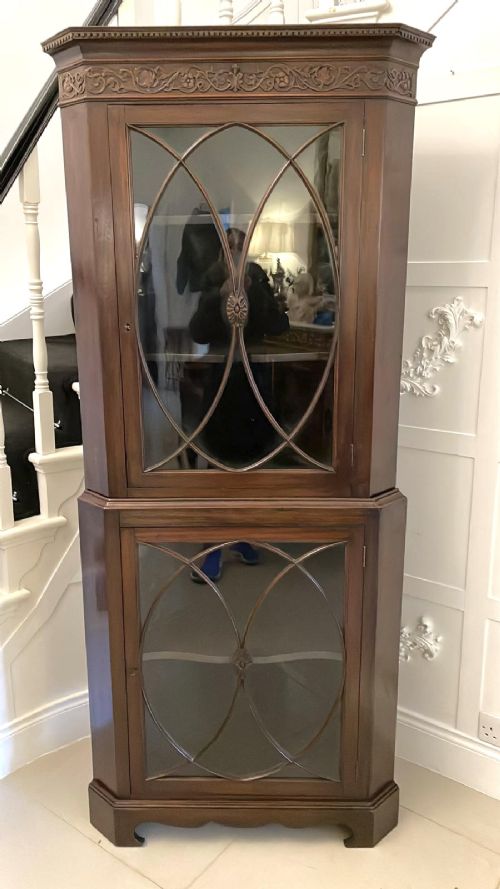
The objects listed range from corner cupboards and glazed bookcases to tiered stands, occasional tables, and sectional stacking units. Mahogany, oak, and walnut dominate the construction, often paired with glass panels for visibility.
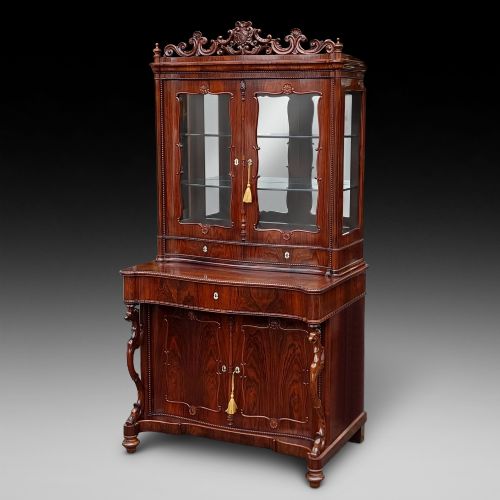
You encounter formal architectural pieces with brass and ormolu mounts alongside simpler country furniture in pine and oak. Smaller items like etageres and corner shelves provide lighter tiers for smaller spaces.
Materials and construction methods
Cabinet makers utilised dense hardwoods such as mahogany, walnut, and oak to build sturdy frames capable of supporting multiple levels. Secondary timbers like pine appear on internal shelves and backs.
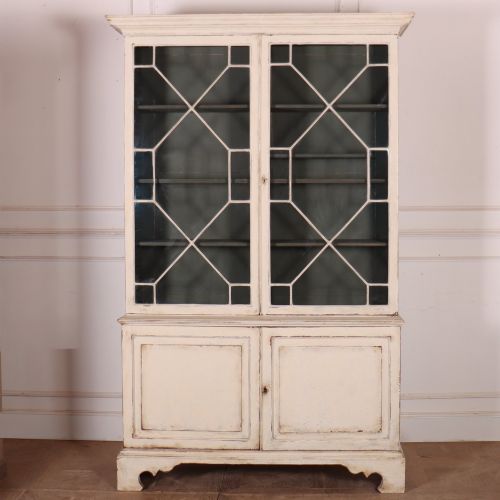
Glazing techniques involve fitted glass panes held by wooden astragals, while decorative touches incorporate marquetry inlay, lacquer work, and cast ormolu mounts. Sectional stacking cases rely on precision joinery to allow modular tiers to stack securely.
Listings feature woods including mahogany, oak, walnut, pine, and rosewood, spanning periods from the 18th century through the Victorian and Edwardian eras.
Distinguishing quality across pieces
Superior examples demonstrate meticulous timber selection, using figured burr walnut, pollard oak, or fine mahogany grain across prominent surfaces. Finer pieces show crisp hand-carved details, precise marquetry, and original glass panes without distortion.
Construction standards differ between mass-produced modular cases and bespoke cabinet work. Robust dovetail joints, well-fitted doors, and solid brass hardware indicate higher workshop standards compared to replacement elements or loose joints.
Globe Wernicke
The Antique Tier Display Cabinet Glossary
- Astragal
- A small moulding profile used to divide glass panes within a cabinet door. These wooden strips create the grid pattern seen on many glazed bookcases.
- Ormolu
- Gilded bronze mounts applied as decorative ornaments to furniture frames. Makers cast and gilt these metal mounts to accent key corners and friezes.
- Marquetry
- Decorative veneer patterns formed by fitting pieces of coloured wood into a background panel. This technique creates floral or geometric motifs on cabinet doors.
- Etagere
- A set of open shelves designed for displaying ornaments and small objects. These tiered stands provide multiple levels for arrangement.
- Sectional bookcase
- A modular storage unit built in separate stackable tiers with glass lift-up doors. Globe Wernicke popularised this sectional system.
Antique Tier Display Cabinet: Frequently Asked Questions
How do I style one in my home?
You can use an antique tier display cabinet to organise and exhibit collections of books, ceramics, or glassware. Tall corner units make effective use of neglected room angles, while smaller etageres and side tables fit beside seating.
Keep the items inside balanced by varying height and texture across the different tiers. Glazed doors protect delicate objects from dust while maintaining clear visibility.
How do I date a cabinet?
Dating a cabinet relies on observing timber choices, construction methods, and prevailing stylistic influences. Georgian pieces often display clean architectural lines in solid mahogany, while Victorian examples introduce heavier proportions and elaborate burr walnut veneers.
Later Edwardian and 1920s pieces include sectional stacking lawyer bookcases and lighter lacquered stands. Hardware, drawer dovetails, and glass characteristics offer further clues to the period of manufacture.
Are these cabinets sturdy?
These cabinets utilise dense hardwoods like oak, mahogany, and walnut, providing robust support for multiple tiers of books or heavy ceramics. Traditional joinery methods ensure structural stability across large freestanding bookcases and corner units.
Modular sectional units distribute weight across individual stacked tiers secured by internal brackets. Wall anchoring is recommended for tall, narrow display cabinets to ensure safety.