

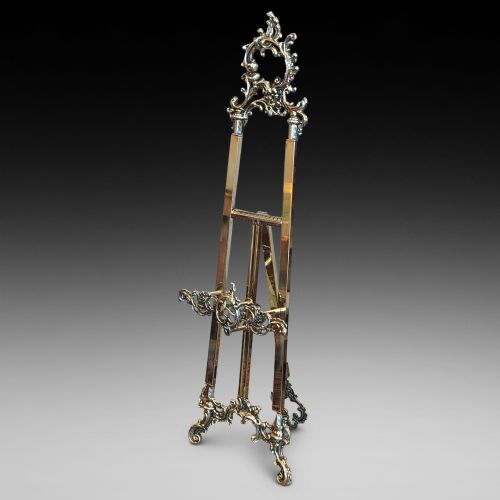
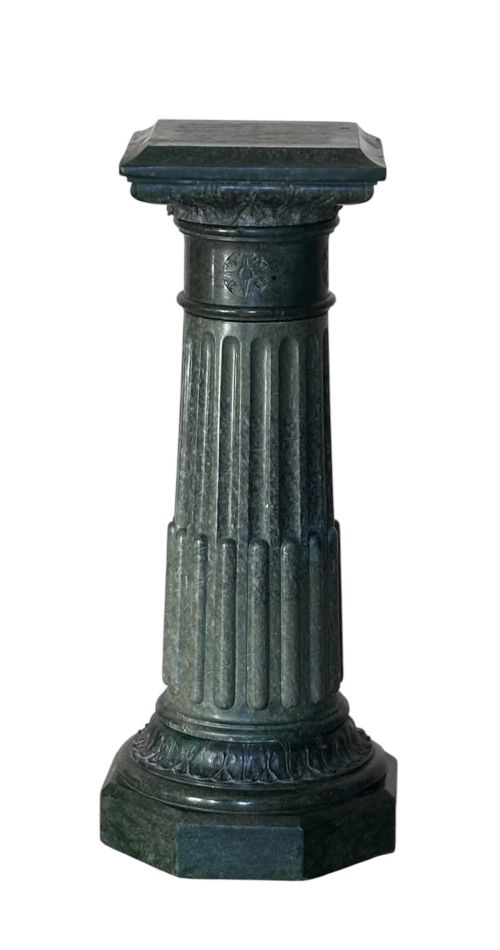
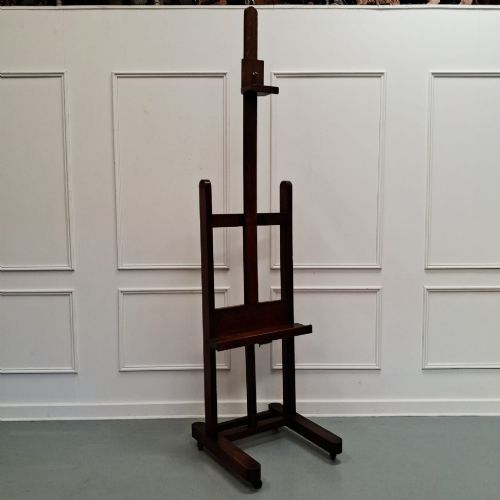

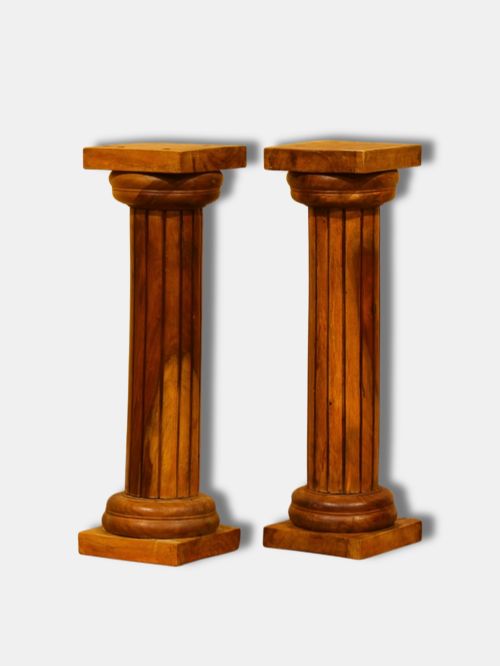



Antique French Display Stand
An antique french display stand lifts a cherished object to eye level, bringing proportion and elegance to a room.
Antique French Display Stand
An antique french display stand encompasses a variety of elevated furniture forms designed to showcase precious items. When searching this phrase, a buyer encounters pieces intended to hold plants, books, art, or decorative objects.
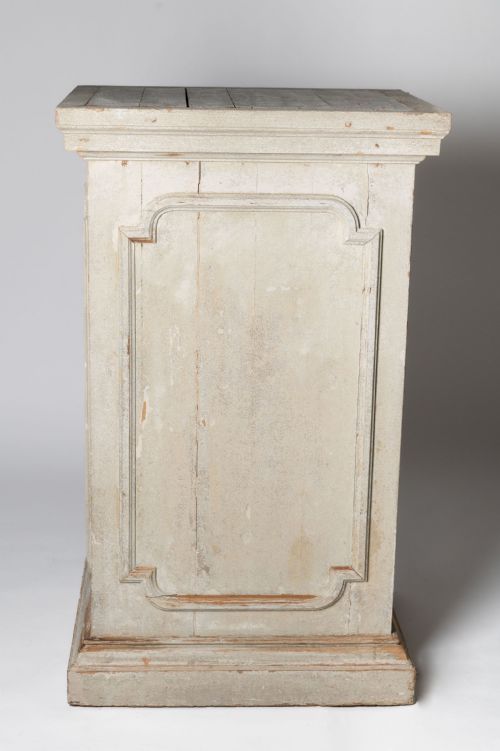
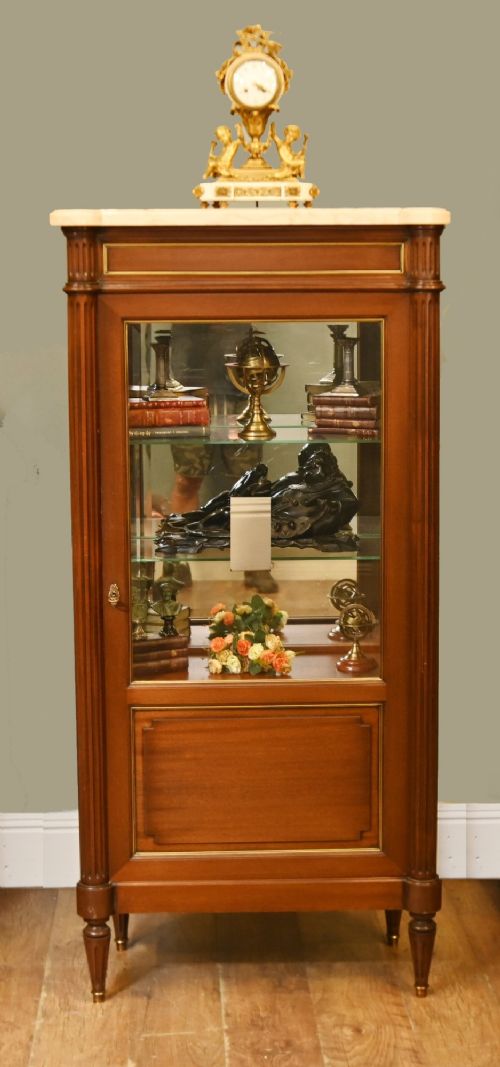
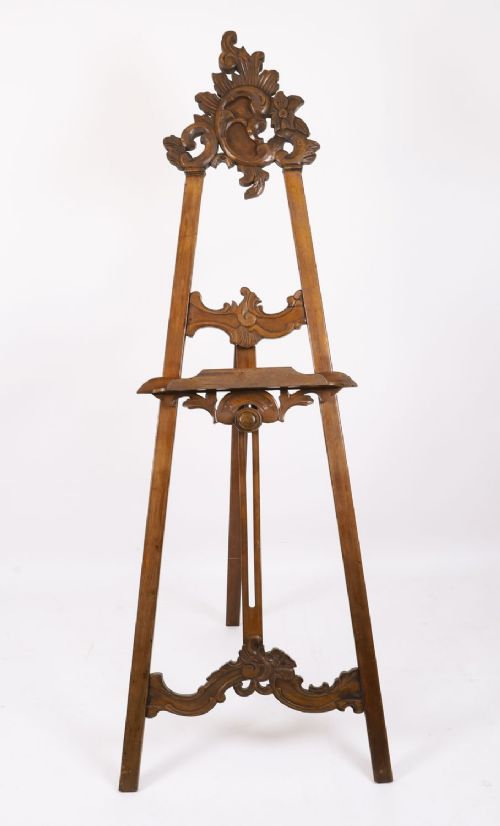
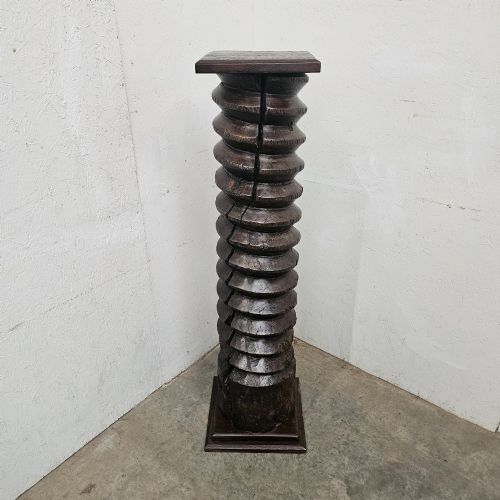
The selections on this page heavily feature tiered étagères, upright pedestals, and decorative columns. These items originate predominantly from the nineteenth and early twentieth centuries, spanning periods from Victorian and Edwardian eras back to French provincial workshops.
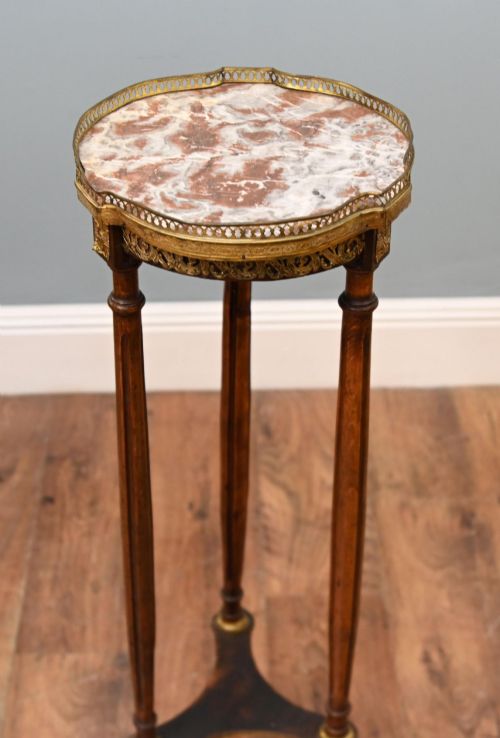
Makers and designers of these stands utilised materials suited to both grand salons and intimate boudoirs. Buyers find timber structures paired with stone tops, glass surfaces, and metal mounts.
How They Were Made
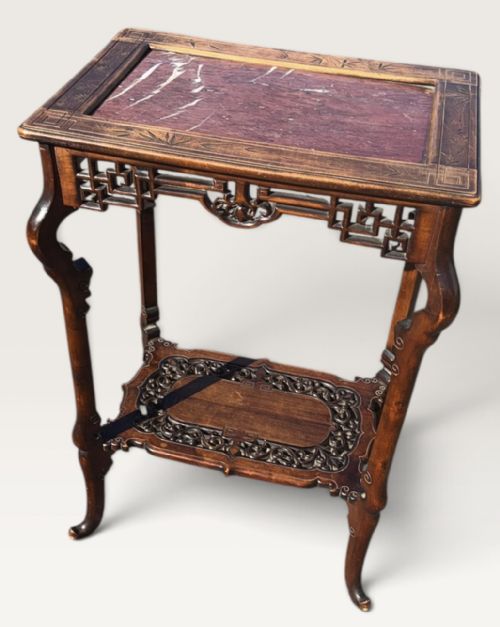
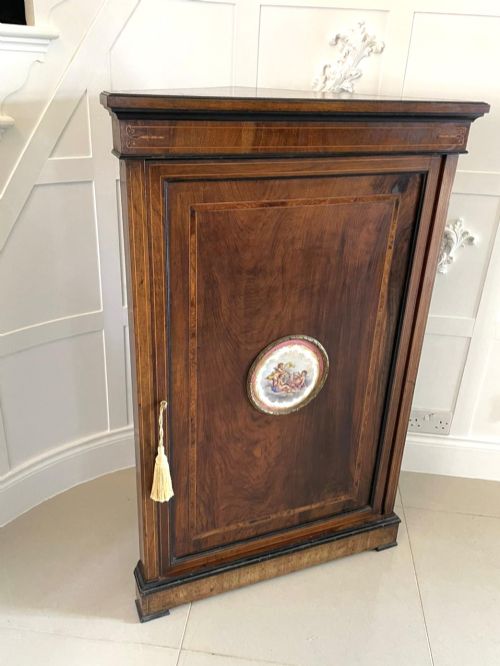
Craftsmen built the core frames of these stands using hardwoods such as walnut, oak, mahogany, and rosewood. Many pieces incorporate intricate marquetry and parquetry inlay, combining contrasting timbers to create geometric patterns.
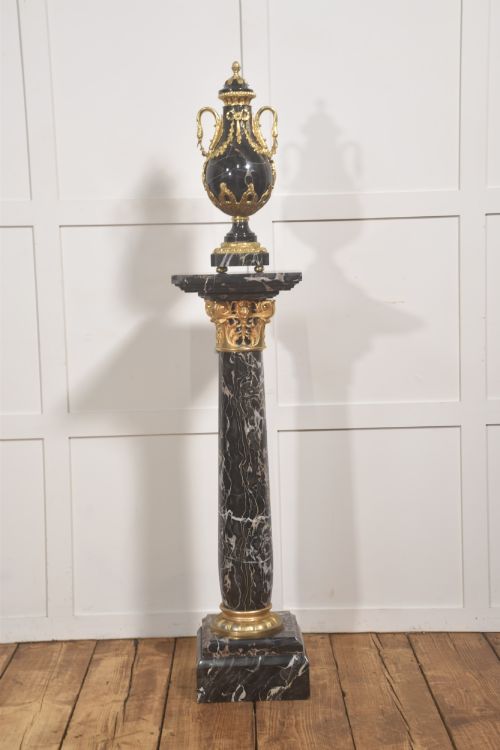
Metal ornamentation played a crucial role in the construction of these decorative items. Foundries cast ormolu, gilt bronze, and brass to form mounts, collars, and gallery rails that accented the timber and stone components.
Natural stone provided stability and a cool surface for top tiers and columns. Workshops selected marble and onyx, often pairing polished slabs with cast metal fittings to achieve the distinct aesthetic.
Antique French Display Stand Retail Price Guide 2026
Typical asking prices for french display stand among the pieces listed under this phrase on Sellingantiques today, from the lower quarter to the upper quarter. They describe what is for sale here now, not the wider market.
Several stands feature secret tiers designed to hide small treasures.
What Varies in Quality
The caliber of an antique french display stand depends largely on the precision of its joinery and the sharpness of its carved details. Superior examples exhibit tightly fitted parquetry and crisply hand-carved ornamentation that remains crisp under close inspection.
The refinement of the cast metal mounts distinguishes exceptional pieces from standard production. Finely chased ormolu with defined chasing and secure attachment points indicates a higher standard of manufacture.
Material selection dictates the upper tier of quality. Stands utilising high-grade variegated marble, dense exotic woods, and meticulous marquetry demonstrate the investment made by the original workshop.
Gabriel Viardot·Edwards & Roberts
The Antique French Display Stand Glossary
- Étagère
- A piece of furniture consisting of open shelves for displaying small objects or ornaments. This form became particularly popular in nineteenth-century French interiors.
- Ormolu
- Gilded bronze applied as an ornament to furniture mounts and clocks. The term derives from the French for milled or ground gold.
- Marquetry
- Inlaid woodwork where pieces of veneer are fitted into a ground to form decorative designs. Artisans used contrasting coloured woods to create floral or geometric patterns.
- Guéridon
- A small round table supported by one or more columns. The form originated in seventeenth-century France and often served as a candle stand or display surface.
- Whatnot
- A set of open shelves for displaying articles, standing on legs. These items gained widespread popularity during the Victorian period.
Antique French Display Stand: Frequently Asked Questions
What is an étagère used for?
An étagère serves to hold and display small decorative objects, porcelain, or books on open tiered shelves. It organises collections vertically while adding architectural interest to a corner or wall.
Historically, these open shelving units sat in parlours and drawing rooms to exhibit a household's prized possessions. Today, they function similarly in modern interiors for plant displays or curated ornaments.
How do I style a pedestal stand?
A pedestal stand works best in a corner, hallway, or empty wall space where a single focal point is needed. Placing a bronze sculpture, a carved urn, or a trailing plant atop the surface draws the eye upward.
Ensure the weight of the displayed object matches the structural capacity of the stand. Keeping the surrounding space uncluttered allows the architectural details of the timber or marble to stand out.
How do I date a marble top stand?
Dating a marble top stand involves examining the timber construction beneath the stone slab and the style of the mounts. Nineteenth-century pieces frequently feature hand-cut screws, specific wood species like rosewood or walnut, and cast brass or ormolu collars.
Stylistic cues such as Rococo Revival curves or Japonisme influences further narrow down the decade of manufacture. Comparing the joinery methods inside the frame provides additional chronological context.
Are these stands suitable for heavy objects?
Most antique display stands and plant stands are engineered to support moderate decorative items, urns, or small sculptures. Solid stone columns and heavy oak pedestals offer substantial weight capacity for denser pieces.
Lighter étagères with delicate turned legs and multiple tiers are better suited for ceramics, glassware, or books rather than heavy bronze figures. Checking the stability of the joints helps determine the appropriate weight load.