
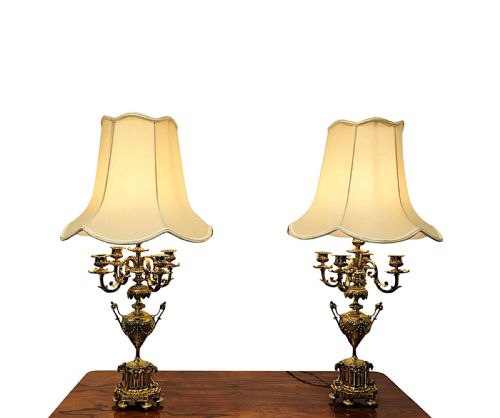
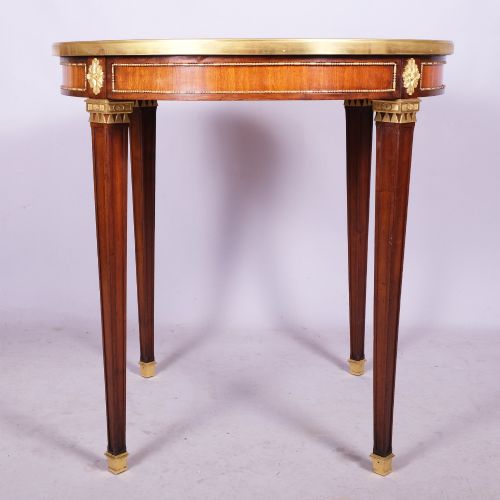
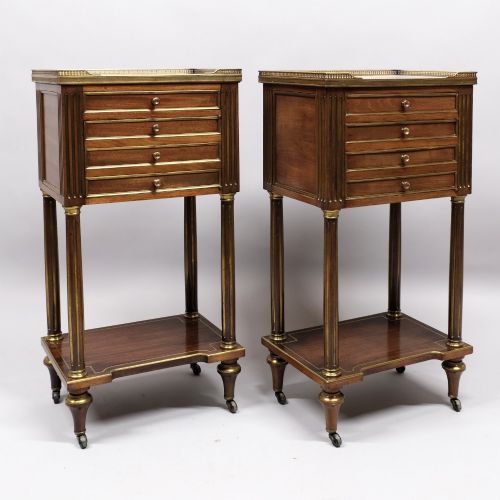
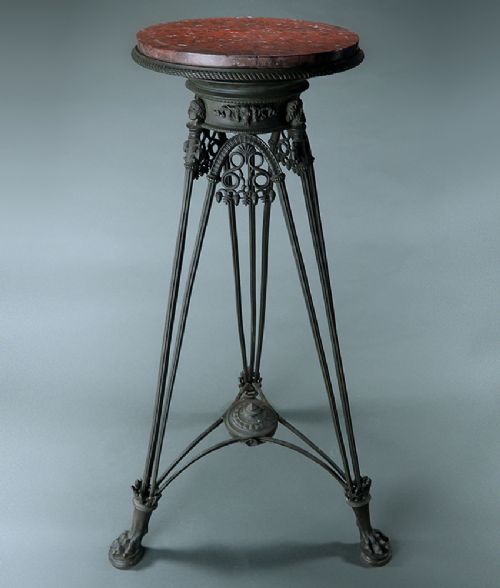
French Neoclassical Side Table
A french neoclassical side table brings architectural order to a room, offering a disciplined silhouette rooted in classical restraint.
What these pieces are
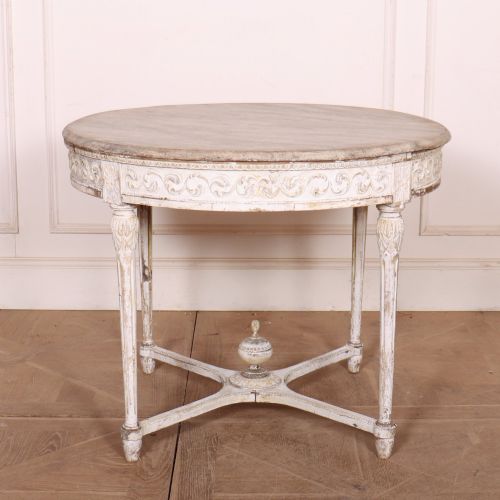
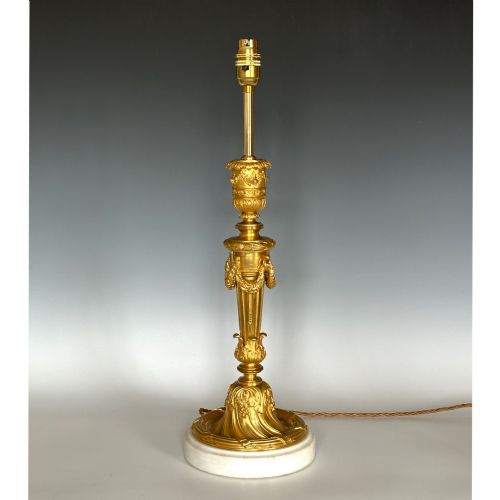
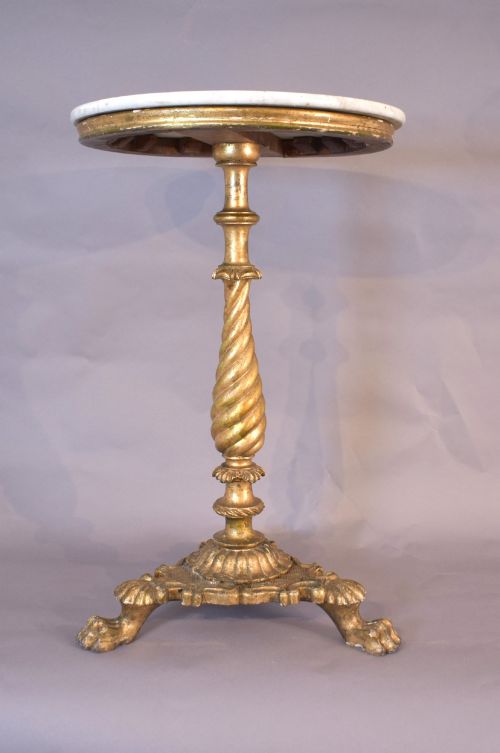
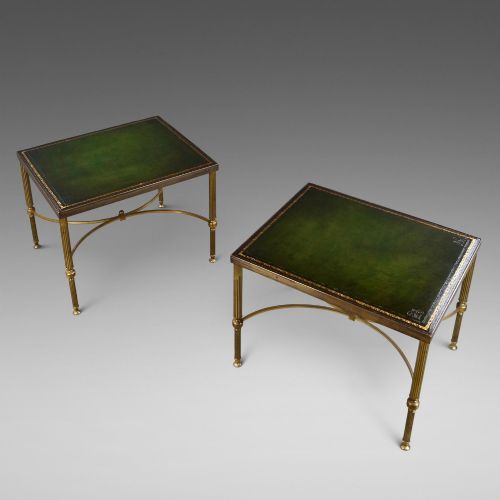
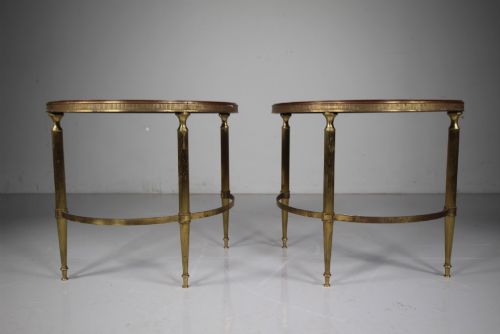
A french neoclassical side table draws upon classical antiquity, displaying formal geometry and clean lines associated with the Louis XVI style and French Empire periods. These occasional surfaces and bouillotte tables serve practical purposes beside seating or in intimate rooms.
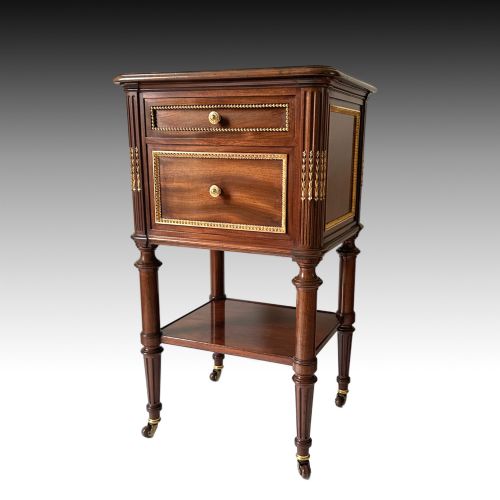
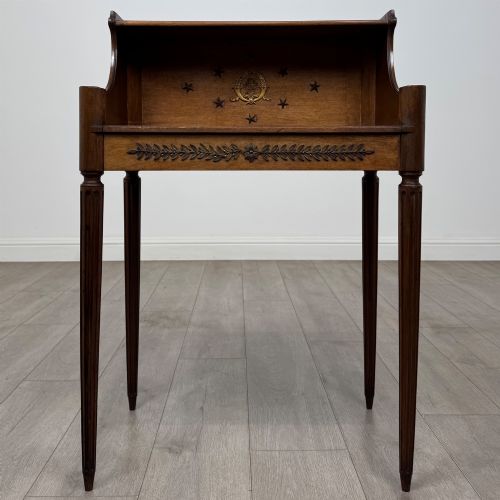
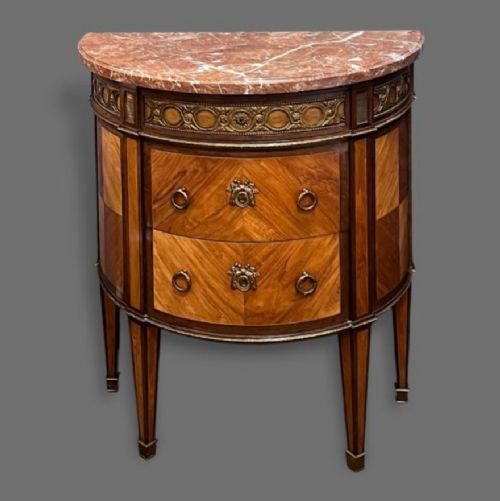
The pieces on this page span the nineteenth century and the year nineteen twenty, encompassing round gueridon forms, lamp tables, and boudoir cabinets. Most examples adhere to French neoclassical and Louis XVI design vocabulary, maintaining a restrained proportions scheme.
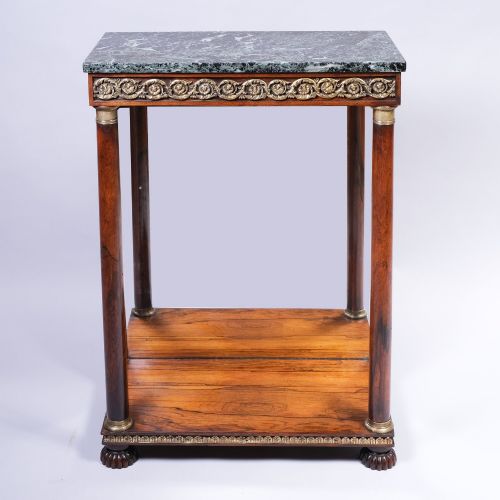
Buyers encounter marble tops paired with timber frames, alongside brass mounts and ebonised finishes. Each variant reflects the enduring appeal of classical French furniture design within domestic interiors.
How they were made
Cabinetmakers utilised timber frameworks of mahogany, walnut, painted wood, and ebonised wood to build the foundational structure of each table. Surface decoration frequently incorporates gilt and giltwood details to highlight structural lines and carved motifs.
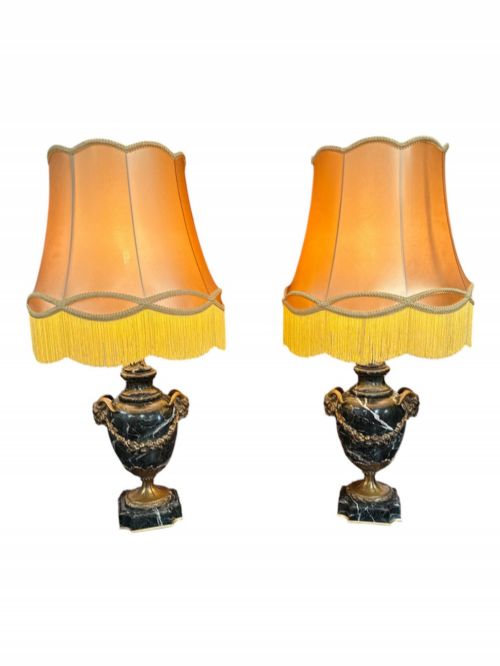
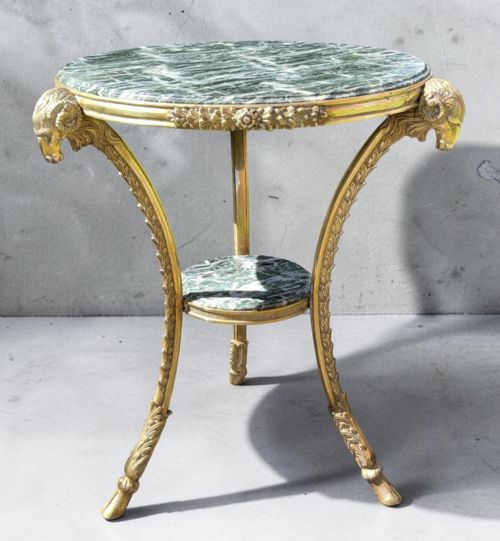
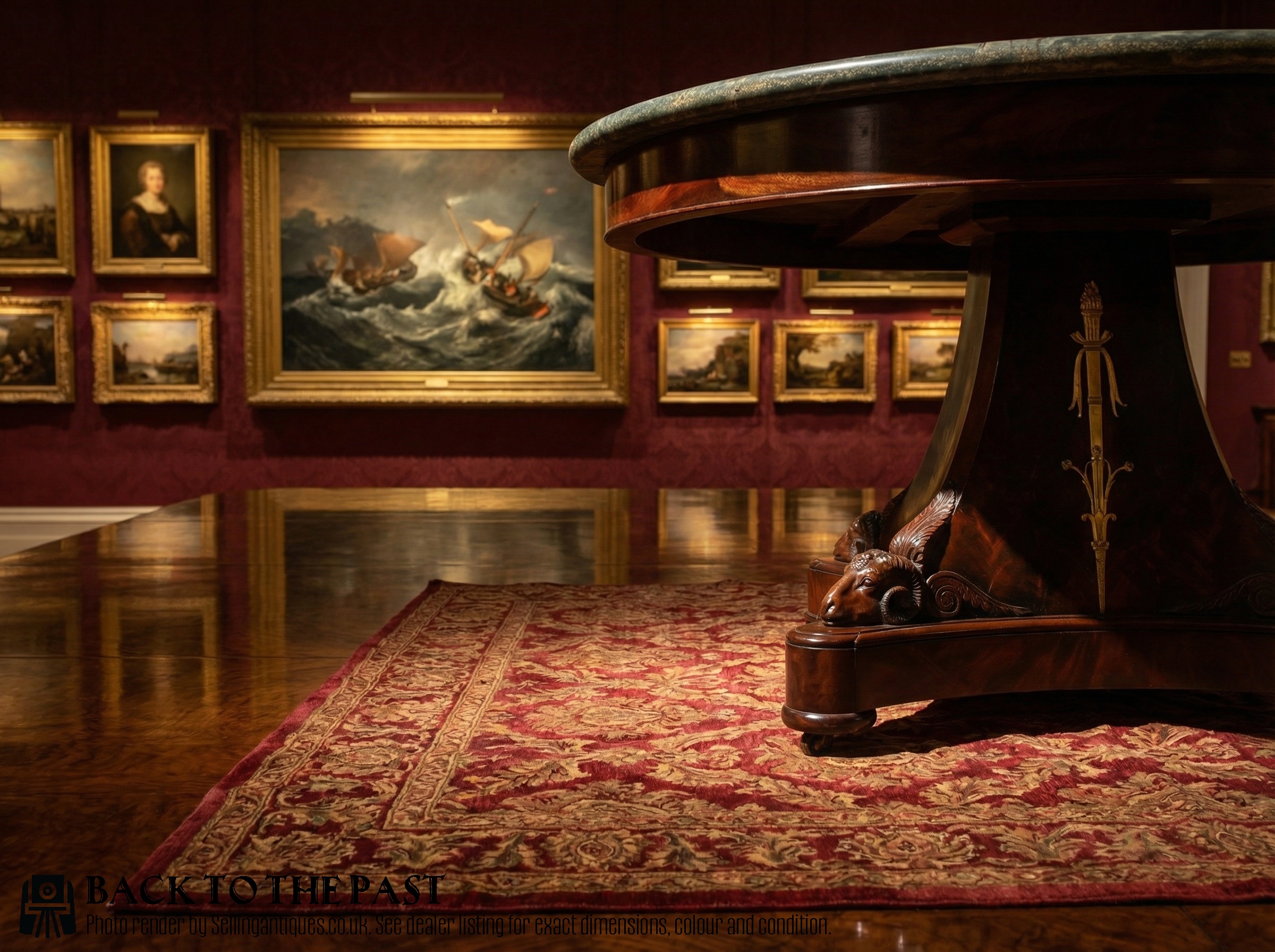
Insets of marble form the upper surfaces of many pieces, providing a cool and durable top suited to daily use. Brass mounts and cast metal elements such as rams heads adorn the frames, secured with traditional joinery and metal fixings appropriate to the period.
Retail Price Guide 2026
Typical UK retail prices for french neoclassical side table, calculated from the Sellingantiques database of over a million retail prices indexed since 2003. This retail price guide relies exclusively on Sellingantiques data; no external sources or auction records are used, so the figures do not describe the wider market.
Represented periods span the nineteenth century, eighteen ninety, and nineteen twenty.
What varies in quality
The distinction between standard and superior pieces rests upon the crispness of the carving and the quality of the brass mounts. Finer examples display meticulous attention to detail in cast elements like rams heads and gilt enrichment.
The selection of materials further defines the tier of a piece, particularly the thickness and figuring of the marble top and the density of the underlying mahogany, walnut, or ebonised wood. Proportion and balance in the legs and apron separate basic utility tables from masterworks of the style.
The French Neoclassical Side Table Glossary
- Gueridon
- A small circular table originating in seventeenth-century France, frequently supported by a central pillar or three legs. These versatile pieces function as side or occasional tables.
- Bouillotte table
- A small round card or occasional table featuring a raised brass gallery around the marble top to prevent items from sliding off. They typically include small drawers or pull-out candle slides.
- Ormolu
- Gilt bronze mounts applied to furniture to accent corners, legs, and aprons. The technique involves applying a gold amalgam to bronze and firing it.
- Ebonised wood
- Timber treated with a stain or finish to imitate ebony. This dark, uniform surface provides a dramatic contrast against brass mounts and marble tops.
Frequently Asked Questions
Where should I place a side table?
These tables fit easily beside armchairs, sofas, or in hallways where a compact surface is useful. Their decorative presence also allows them to stand alone against a wall beneath a mirror or artwork.
Ensure the height matches adjacent furniture for practical use while maintaining clear walking paths around the room.
How do I care for a marble top?
Clean the marble surface regularly with a soft, damp cloth and mild soap. Avoid acidic cleaners or abrasive pads that can etch or dull the polished stone.
Use coasters beneath glasses to prevent liquid rings from forming on vulnerable sections of the surface.
What is a boudoir cabinet?
A boudoir cabinet is a small storage piece designed for private dressing rooms or sitting rooms. It provides enclosed space for personal items while sharing the aesthetic of related side tables.
These pieces often feature refined woodwork and decorative mounts suited to intimate interior spaces.
How do I identify Louis XVI style?
Louis XVI style is characterised by straight lines, symmetry, and classical restraint, moving away from the curved excess of rococo. Look for fluted legs, geometric shapes, and architectural motifs inspired by ancient Rome.
Tables from this design vocabulary prioritise balance and proportion over elaborate ornamentation.