


Antique Tester Bed Frame
An antique tester bed frame brings soaring architectural presence and rich period character to a bedroom.
Antique Tester Bed Frame
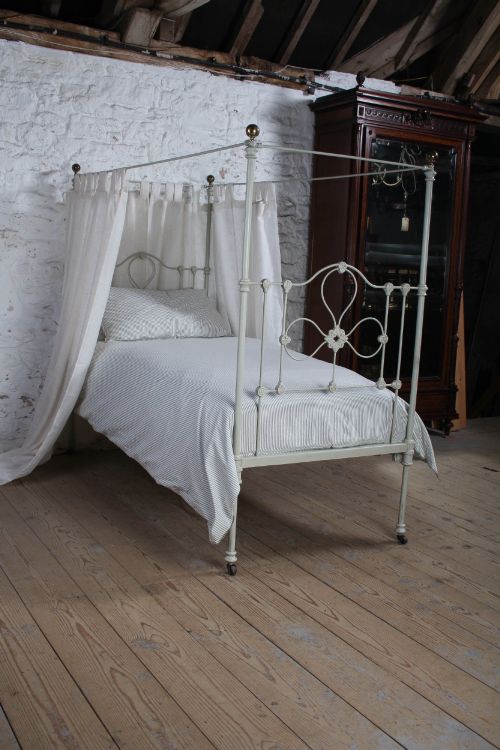
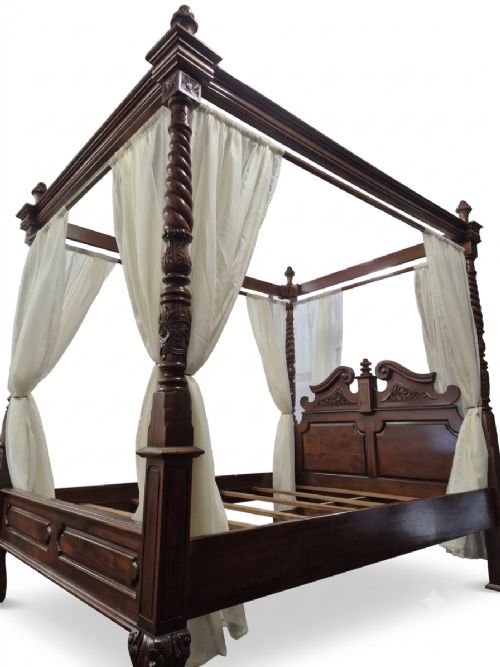
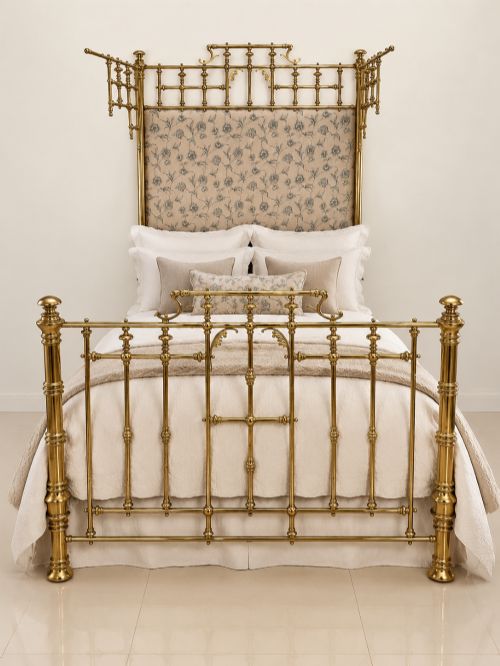
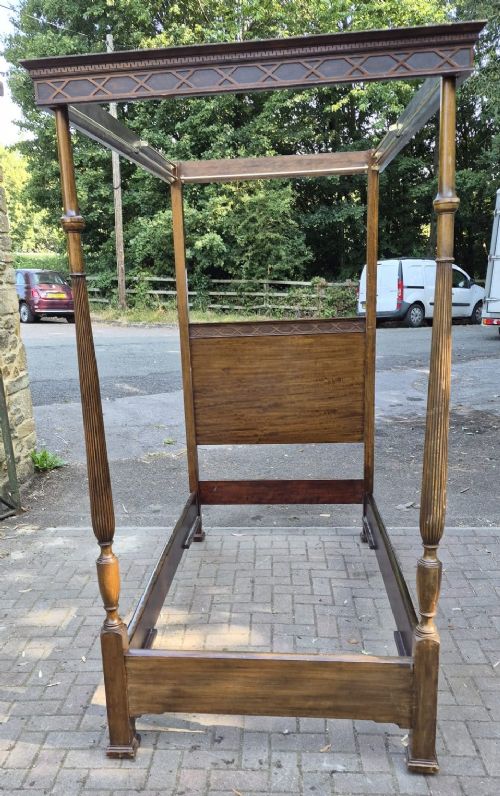
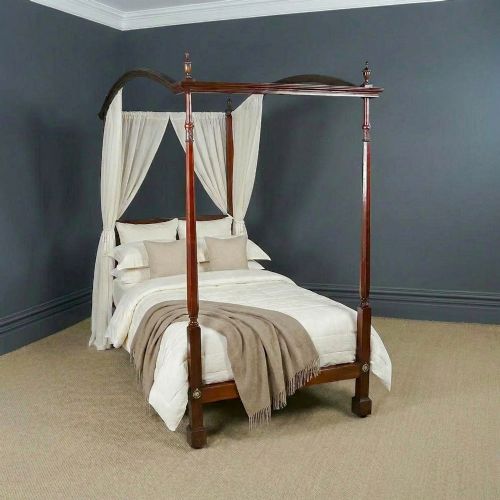
When you search for an antique tester bed frame, you are looking at substantial sleeping furniture defined by an overhead canopy, known as a tester, supported by vertical posts or attached to a wall. These grand structures range from early timber frames to later metal designs, offering a commanding focal point for a bedroom. You will encounter both full tester beds, which feature a complete overhead canopy roof, and half tester beds, where the canopy projects out over the head of the bedstead.
The selections available span multiple centuries and stylistic revivals, with Victorian brass and iron half tester beds appearing frequently alongside solid oak and mahogany four poster frames. Examples date from the seventeenth century through to the Edwardian era, incorporating regional variations such as Anglo-Indian colonial hardwoods and Italian bed crowns. Buyers choose these pieces to anchor a room with genuine historical weight and traditional craftsmanship.
Wooden iterations often display hand-carved details and rich grain patterns across headboards and posts, while metal versions utilise cast iron and polished brass for a lighter visual footprint. Proportions vary from single widths up to grand king and super king sizes, accommodating modern mattresses within historic frameworks. Each piece reflects the domestic priorities and aesthetic tastes of its original period of manufacture.
Materials and construction methods
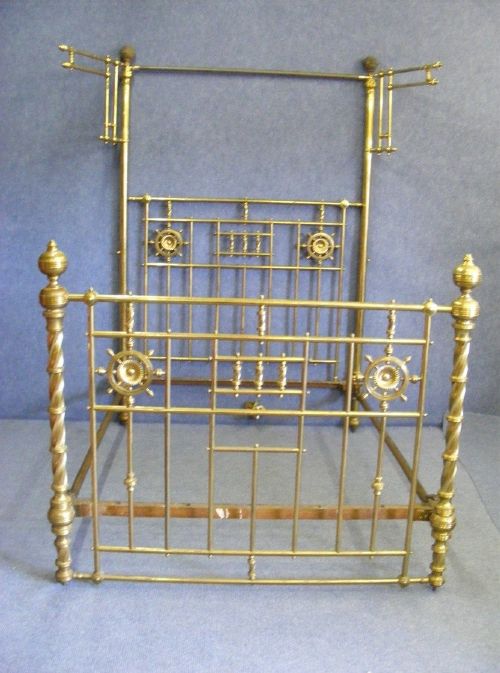
Makers constructed these frames using sturdy timbers such as oak, mahogany, and various exotic hardwoods, often employing hand-carving techniques to shape the posts and headboards. Joinery relied on traditional methods suited to heavy structural loads, ensuring the upright posts securely supported the overhead tester canopy. In later nineteenth-century examples, metalworking techniques came to the fore as brass, cast iron, and wrought iron were combined to form durable, ornate bedsteads.
Metal components involved foundry casting for decorative mounts and brackets, paired with tubular brass or iron framework that offered both strength and intricate detailing. Textile elements and bed crowns were integrated into the design to drape fabrics from the tester, softening the rigid lines of the timber or metal structure. Wood finishes were typically polished to highlight the natural qualities of the mahogany or oak.
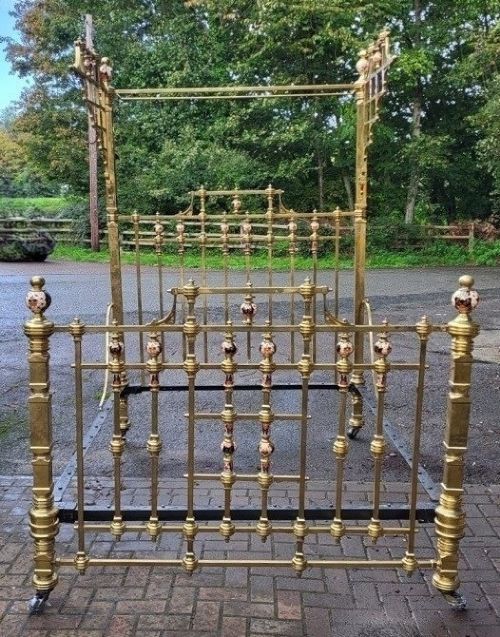
One cheerful Victorian frame pairs heavy mahogany with delicate porcelain mounts, proving that nineteenth-century makers loved a decorative flourish.
Distinctions in quality
The standard of a frame depends significantly on the depth and crispness of its hand-carving or the purity and weight of its brass and iron components. Superior examples display harmonious proportions between the height of the posts and the scale of the tester canopy, whereas lesser pieces may feel heavy or awkwardly scaled.
Material selection dictates the upper tier of the range, where exhibition-quality timbers or heavy-gauge brass denote workshop ambition and patronage. Maker attribution also elevates a piece, as demonstrated by documented works from prominent nineteenth-century firms.
Heals of London·Howard and Sons·RW Winfield
The Antique Tester Bed Frame Glossary
- Tester
- The flat canopy or ceiling positioned above a bed, supported by the corner posts or suspended from a wall. It historically served to catch drafts and support decorative drapery.
- Half Tester
- A canopy bed where the overhead tester projects only over the head section of the bedstead, leaving the foot end open. This form became particularly popular during the Victorian period.
- Bedstead
- The complete structural framework of a bed, including the headboard, footboard, and side rails, designed to hold a mattress and base. It distinguishes the physical frame from the bedding itself.
- Bed Crown
- A decorative architectural ornament mounted to the wall above a bed to support hanging bed curtains. It creates the visual effect of a tester without requiring full vertical posts.
Antique Tester Bed Frame: Frequently Asked Questions
Will an antique tester bed fit a modern mattress?
Many antique frames were built to historical dimensions that differ slightly from standard contemporary mattress sizes. Buyers often check internal rail measurements to confirm compatibility before purchase.
Some bedsteads accommodate modern standard sizes or require minor adjustments to the internal slats. Consulting the specific dimensions listed for each frame ensures an appropriate fit.
How do I identify the period of an oak tester bed?
Seventeenth-century oak frames typically display deep hand-carved panels, pegged joinery, and simpler structural proportions. Later revivals, such as those from the Victorian era, often incorporate more elaborate ornamentation and machine-assisted turning alongside older styles.
Examining the construction methods inside the joints and the tooling marks on the timber helps clarify the manufacturing date. Stylistic revival periods frequently reference earlier Elizabethan or Georgian aesthetics while using nineteenth-century hardware.
Are brass and iron tester beds sturdy?
Victorian metal bedsteads were engineered to provide robust structural support using heavy cast iron frames and solid brass components. Their metal construction handles regular daily use reliably.
Modern assembly relies on securing the original iron joints and side rails firmly to maintain rigidity. These frames offer exceptional structural stability when correctly aligned.