





Antique Terracotta Lions
These antique terracotta lions are substantial garden guardians and sculptural ornaments that bring classical presence to gates, walls, and grounds.
Antique Terracotta Lions
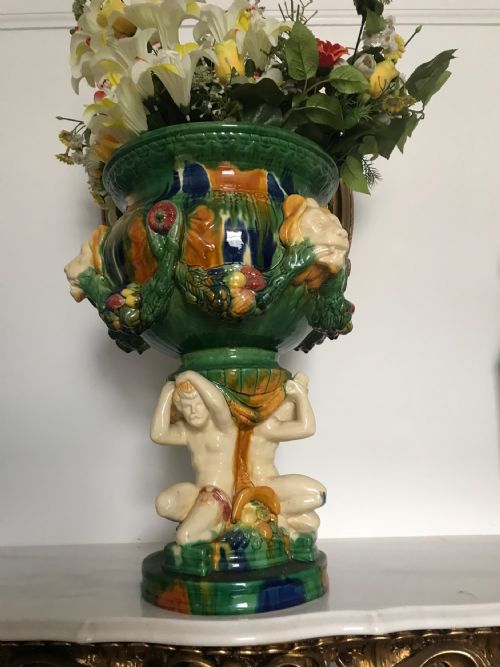
When buyers search for antique terracotta lions, they encounter large pairs intended for gates, walls, or garden display, alongside smaller decorative examples such as ceramic bookends and planters. These pieces range from Victorian English and Scottish productions to Italian Renaissance revival works and Chinese temple guard dog sculptures.
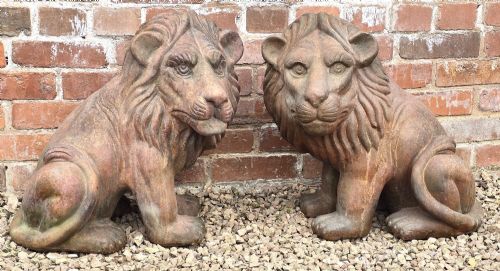
The most common versions on this page are large pairs of nineteenth-century terracotta lions, often shown in impressive scale as recumbent figures or gate guardians. Makers include regional potteries such as Hurlford Kilmarnock, alongside sculptural works like the Una and the Lion piece by Octave Galliard-Sansonetti.
What varies in quality
Quality in these sculptures rests upon the crispness of the modelling in the clay, particularly in the rendering of the mane, facial expression, and muscle structure. Pieces sculpted by named artists or produced by distinguished potteries demonstrate superior anatomical definition and sculptural presence.
Scale and proportion separate standard garden ornaments from impressive architectural commissions designed for prominent gate piers. The integrity of the fired body and the subtlety of the surface finish distinguish regional utilitarian wares from high-style revival works.
Several stone and ceramic lions guard this page with permanent expressions of dignified watchfulness.
Hurlford Kilmarnock·Octave Galliard-Sansonetti
The Antique Terracotta Lions Glossary
- Terracotta
- Fired unglazed clay of a brownish-red colour, widely used for garden statuary and architectural ornaments. It weathers outdoors to develop a characteristic aged surface.
- Recumbent
- Lying down or resting with the head raised, a common posture for large stone and terracotta guardian lions placed beside gates. This pose provides stability for monumental garden sculptures.
- Salt-glazed pottery
- Earthenware or stoneware fired with common salt thrown into the kiln, producing a glossy, slightly pitted finish resembling orange peel. This treatment creates a durable, weather-resistant surface on utilitarian garden figures.
Antique Terracotta Lions: Frequently Asked Questions
Where should I place garden lions?
These large terracotta lions suit prominent outdoor locations such as garden gate piers, porch entrances, and terrace walls where their formal scale can be fully appreciated.
Positioning them on stone bases helps protect the terracotta from prolonged ground moisture during wet winter months.
How do I care for terracotta?
Outdoor terracotta requires gentle cleaning with a soft brush and water to remove moss and dirt without damaging the fired surface layer.
Moving vulnerable garden figures indoors during freezing winter conditions prevents frost damage and preserves the structural integrity of the clay.
Are these figures frost proof?
While nineteenth-century garden terracotta was fired for outdoor durability, porous earthenwares remain susceptible to severe frost expansion when saturated with water.
Ensuring adequate drainage beneath each sculpture and protecting pieces during hard freezes extends the lifespan of the material.
How do I date antique terracotta?
Dating relies on stylistic markers such as Victorian revival details, manufacturer marks from regional potteries, and the natural weathering patterns visible across the clay surface.
Comparing the modelling technique with documented sculptural works from the nineteenth century helps confirm the period of production.