
Architectural Sculptures
Architectural antique sculptures transform gardens and rooms through centuries of carved stone, weathered wood, and cast iron.
Architectural Sculptures
Architectural antique sculptures encompass structural fragments, wall reliefs, corbels, and garden ornaments spanning from medieval times through the twentieth century. These pieces originate from buildings, churches, and grand estates, bearing the weight of past functions.
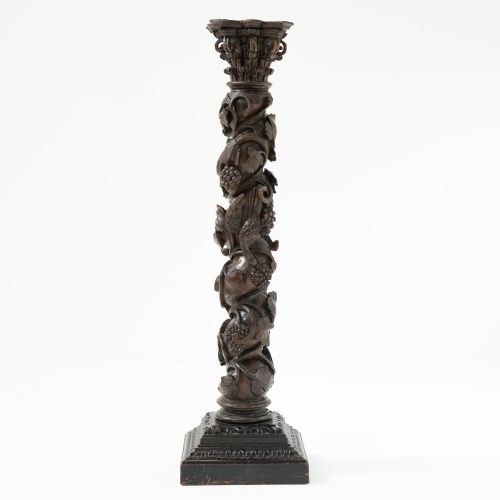
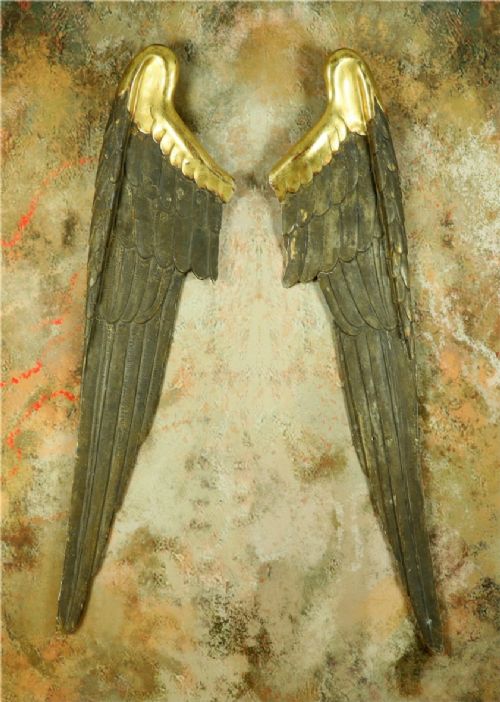
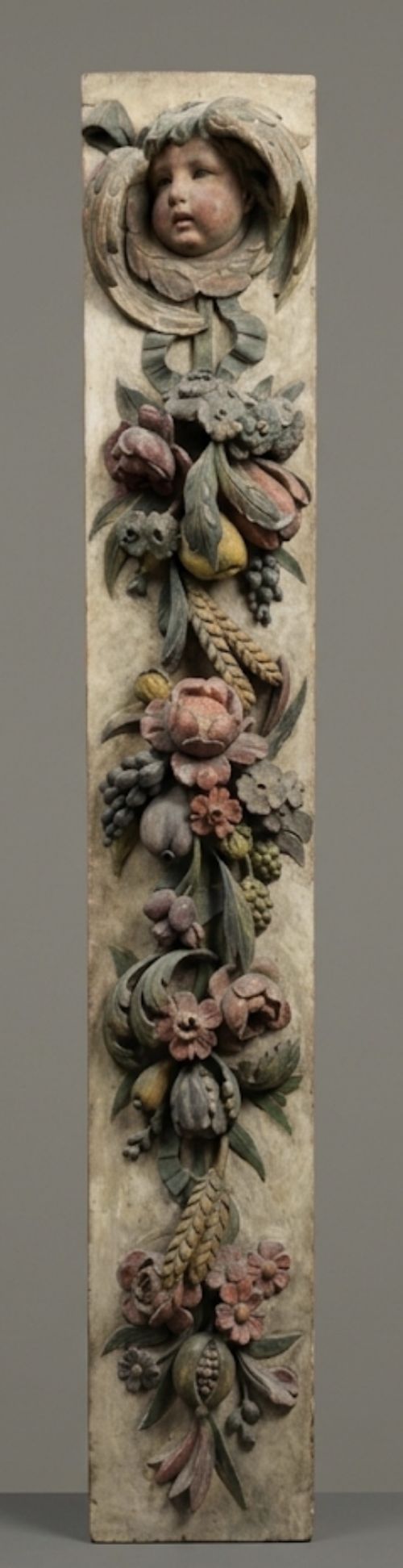
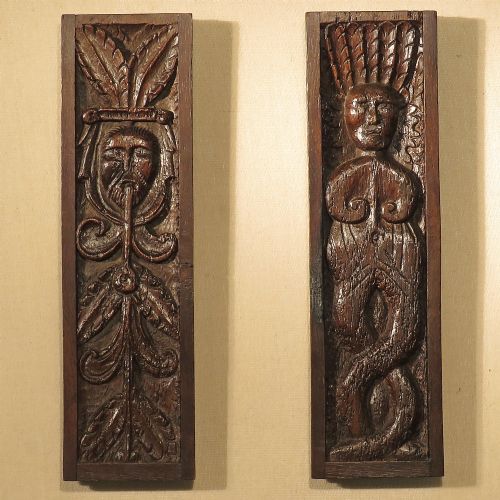
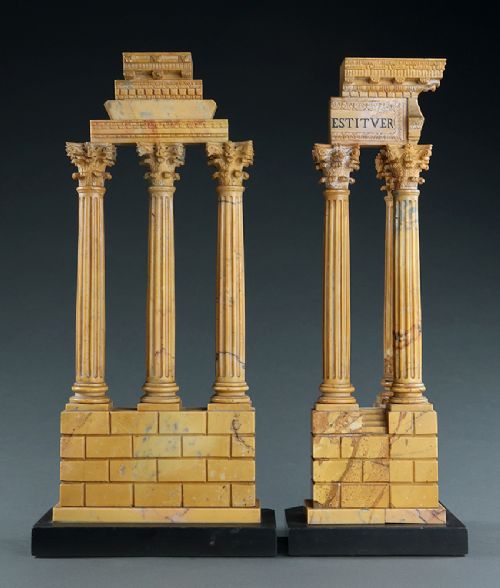
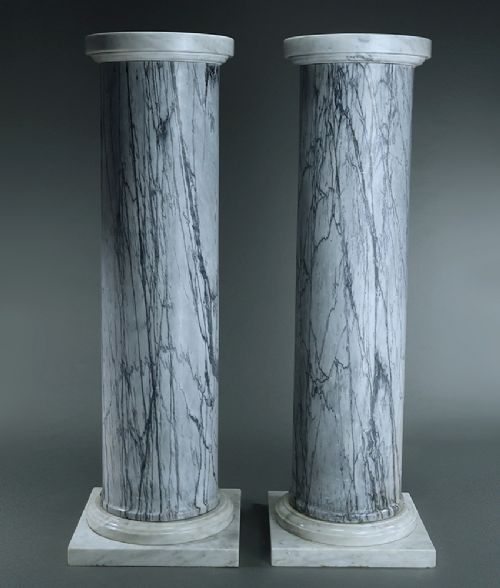
Buyers encounter carved oak panels, limestone corbels, marble columns, and cast iron weather vanes in this selection. Forms range from classical pedestals and temple pediments to rustic millstones and hand-painted wooden angel wings.
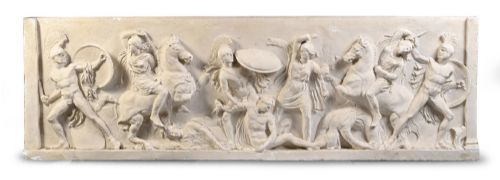
The objects bridge the gap between building salvage and fine art sculpture. They offer tangible connections to medieval, baroque, neoclassical, and folk art traditions.
Materials and methods
Carvers shaped oak, walnut, and pine using hand chisels and gouges, sometimes finishing surfaces with gesso, gold leaf, or polychrome paint. Stonemasons worked limestone, Siena marble, Carrara marble, and composite stone using traditional mallet and chisel techniques.
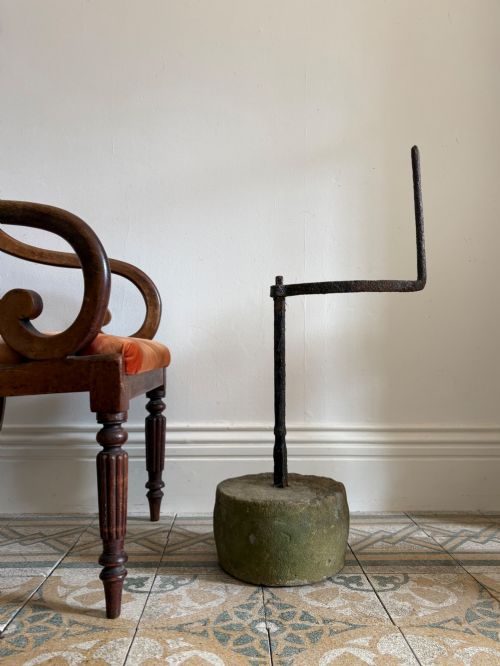
Metalworkers forged iron into anchors, tethering rings, and hitching posts, while others shaped copper into dynamic weather vanes. These durable materials weathering outdoors develop distinct patinas over decades and centuries of exposure.
A cast iron horse head waiting patiently as a hitching post brings a touch of nineteenth-century stableyard charm directly into a modern hallway.
Judgement of quality
The integrity of the material dictates long-term character, with hard limestones and dense oaks holding sharper architectural profiles than softer substitute mediums. Proportion and balance separate workshop pieces intended for grand facades from utilitarian yard salvage.
The Architectural Sculptures Glossary
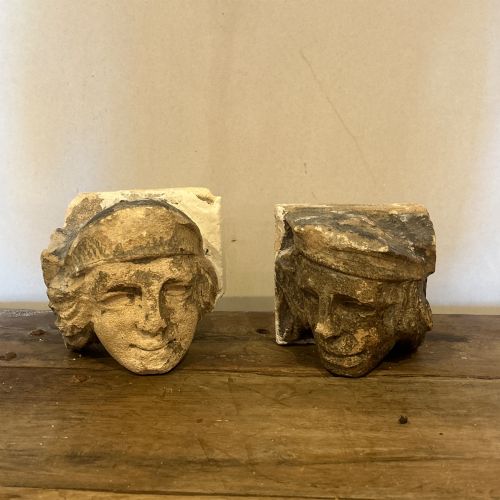
- Corbel
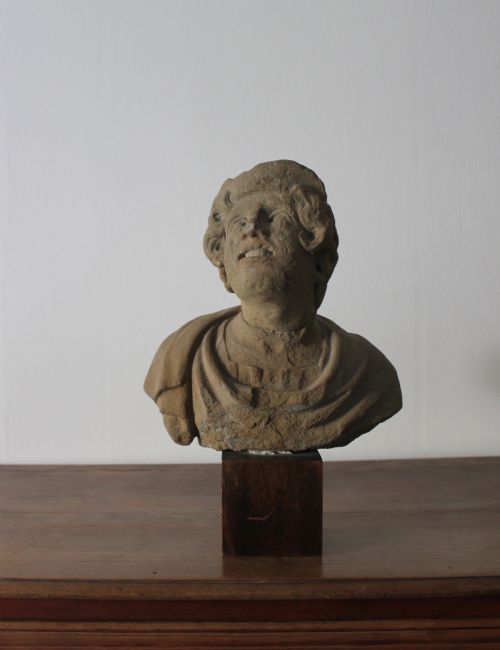
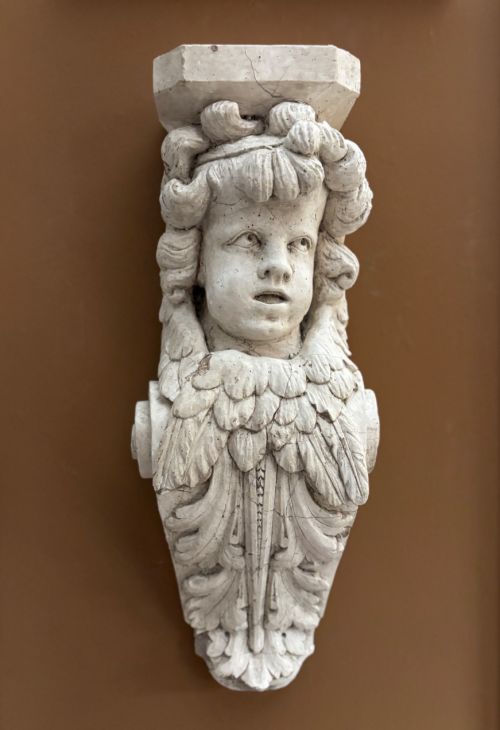
- A structural stone or wooden bracket projecting from a wall to support a weight above. Medieval examples often feature carved human busts or mythical creatures.
- Pediment
- A triangular or segmental architectural element placed above a portico, door, or window. Antique examples frequently display carved wooden scrollwork or floral motifs.
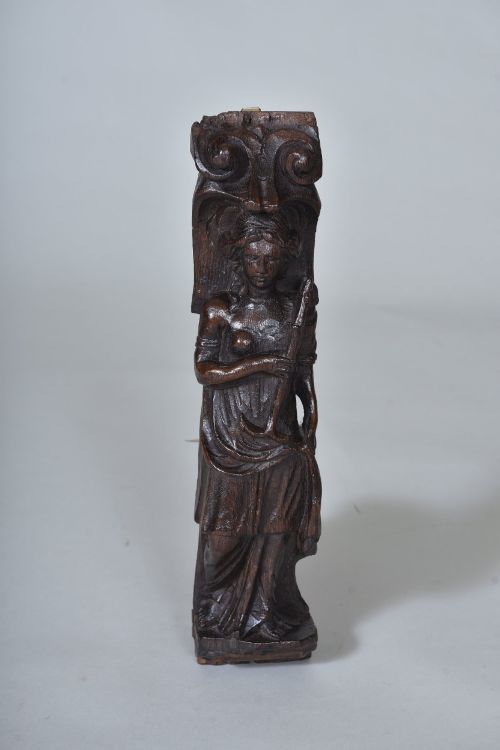
- Caryatid
- A sculpted female figure serving as an architectural support taking the place of a column or a pillar. They appear carved in oak or rendered in marble.
- Finial
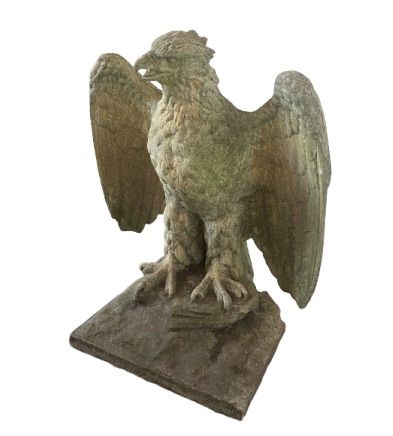
- A distinct decorative ornament that fixes to the top of a roof, gable, or architectural post. Common forms include carved lions, stone eagles, and copper cockerels.
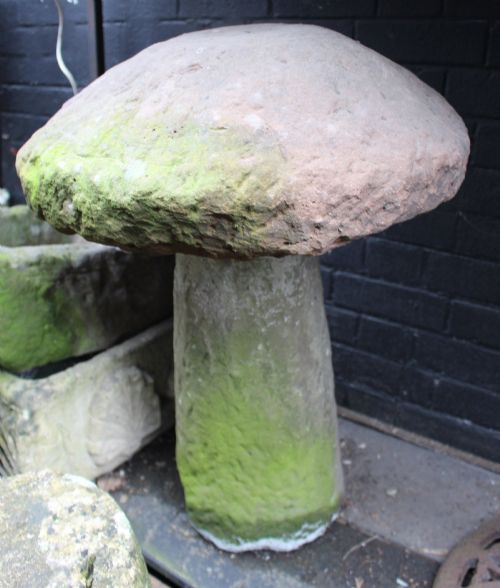
- Staddlestone
- A mushroom-shaped stone support originally used to elevate granaries off the damp ground. These architectural salvage pieces now serve as garden ornaments.
Architectural Sculptures: Frequently Asked Questions
How do I hang a heavy wall relief?
Heavy architectural stone and wood reliefs require professional wall anchors fixed directly into masonry or timber studs. Weight distribution must be calculated carefully before mounting.
Consult a structural specialist for pieces weighing over several kilograms to ensure safe display inside a home.
Can these sculptures stay outdoors?
Stone, cast iron, and bronze sculptures withstand outdoor weathering well, developing rich patinas over time. Porous materials like limestone benefit from sheltered placement during freezing winter conditions.
Wooden carvings, painted panels, and gesso pieces require indoor environments to prevent moisture damage and paint flaking.
How do I date an architectural carving?
Dating relies upon tool marks, wood species, style, and the wear patterns inherent to the material. Eighteenth-century pieces often show hand- pit-saw marks on the reverse, while medieval items display coarse adze work.
Stylistic shifts from baroque asymmetry to neoclassical symmetry provide reliable chronological markers.