


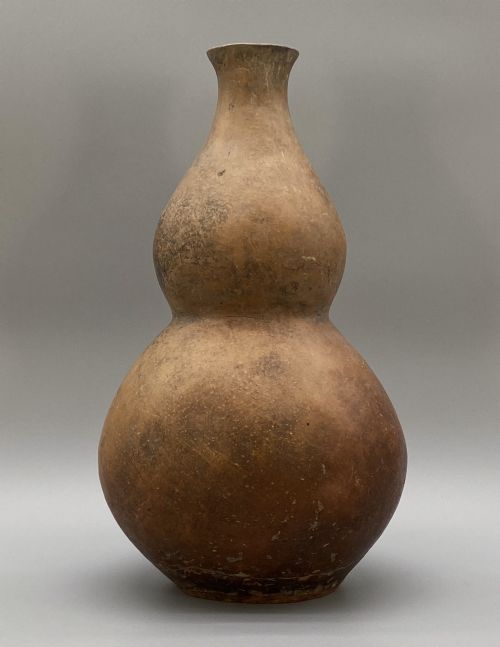

Antique Terracotta Jar
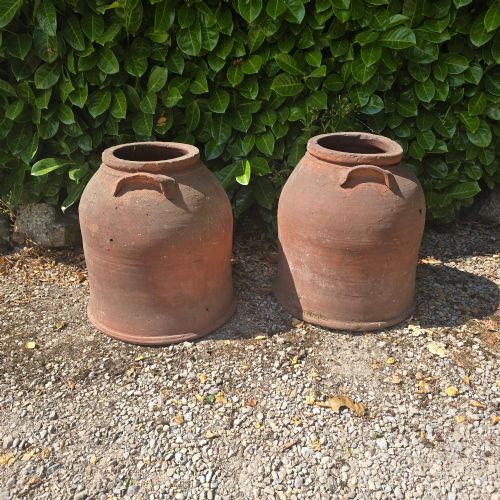
These heavy earthenware vessels carry centuries of utility, from Mediterranean olive groves to English gardens.
Antique Terracotta Jar
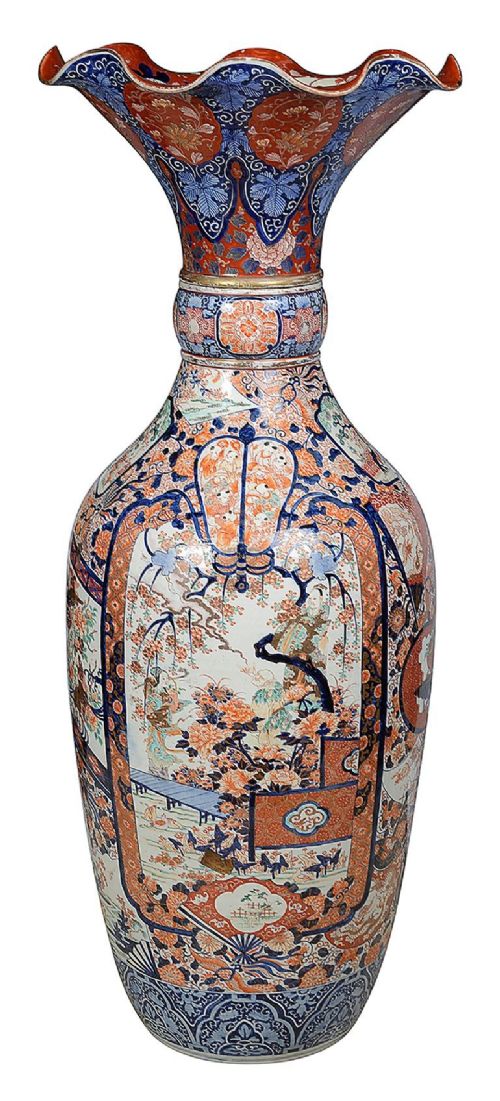
An antique terracotta jar is a practical earthenware vessel made for storing liquids, oils, or wine, or for use as a garden planter. When you search for this phrase, you will find utilitarian storage pots and grand garden urns spanning several centuries.
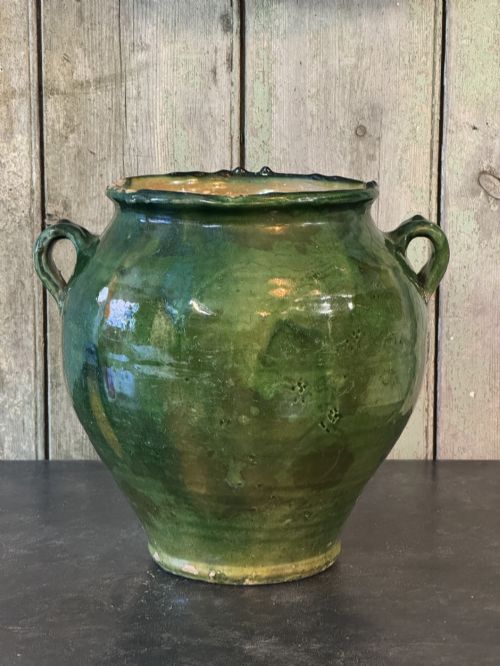
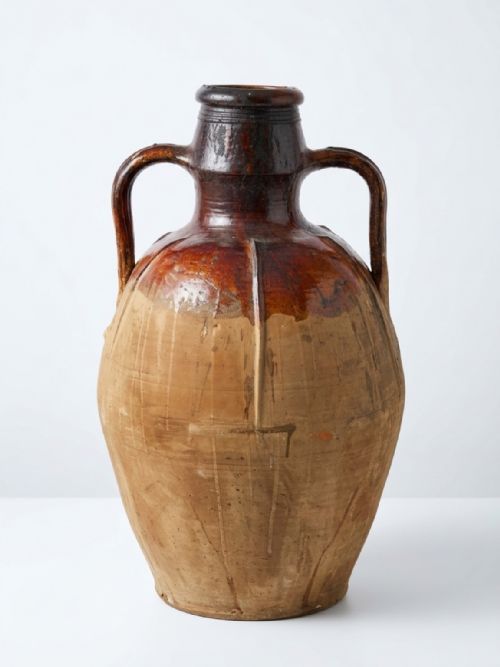
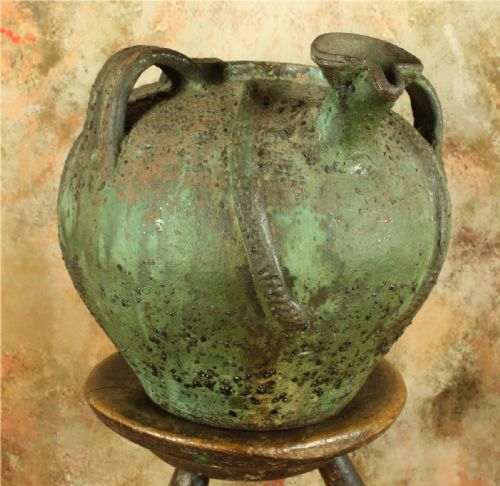
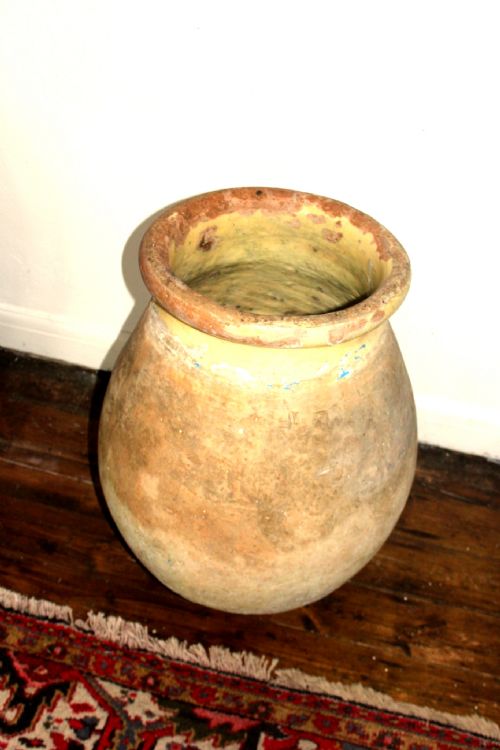
The most common examples you will meet here are French confit pots, Italian olive jars, and large Mediterranean storage vessels. These pieces range from simple, unglazed rustic earthenware to fully glazed provincial pots.
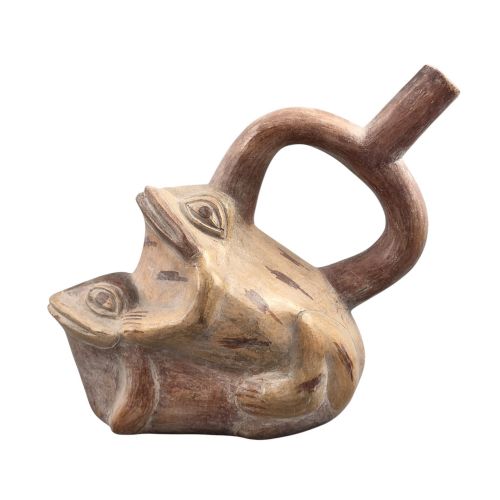
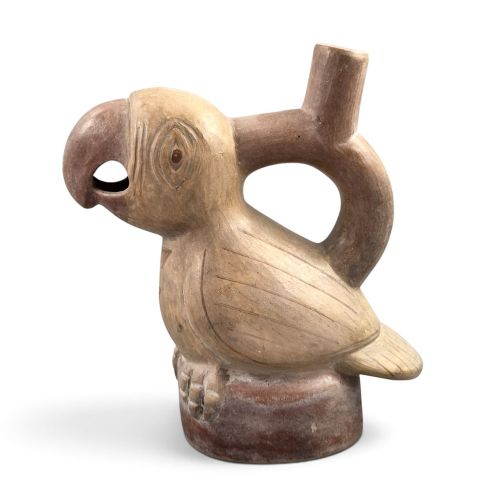
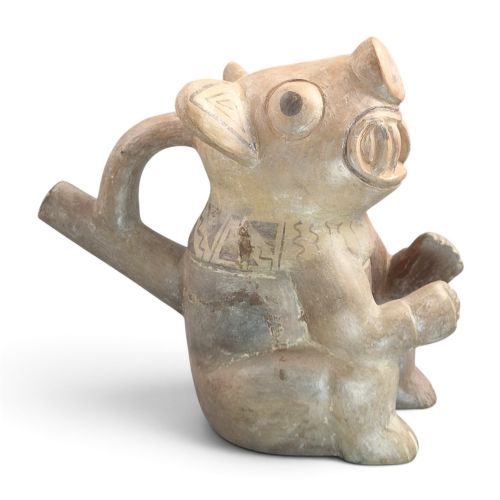
Earlier works include ancient pre-Columbian and Chinese Neolithic vessels, while later examples bring Victorian garden planters and twentieth-century rustic Mediterranean planters into domestic settings.
Materials and construction methods
Makers utilised natural clay and earthenware, shaping vessels by hand or on the wheel before firing them in kilns. Many pieces rely on the porous nature of unglazed terracotta, while others received lead or tin glazes to ensure liquid retention.
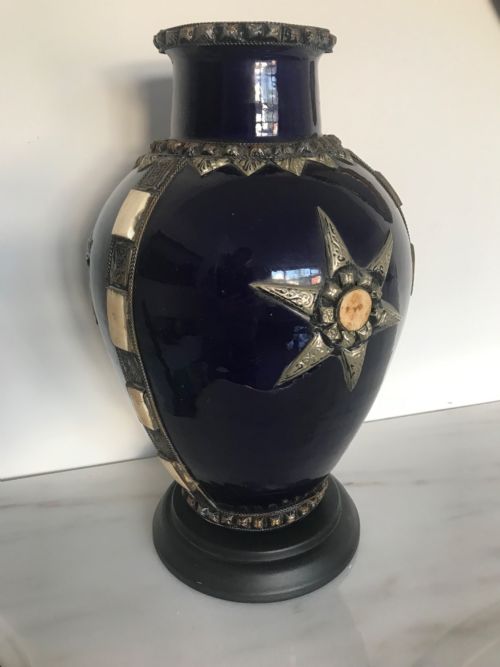
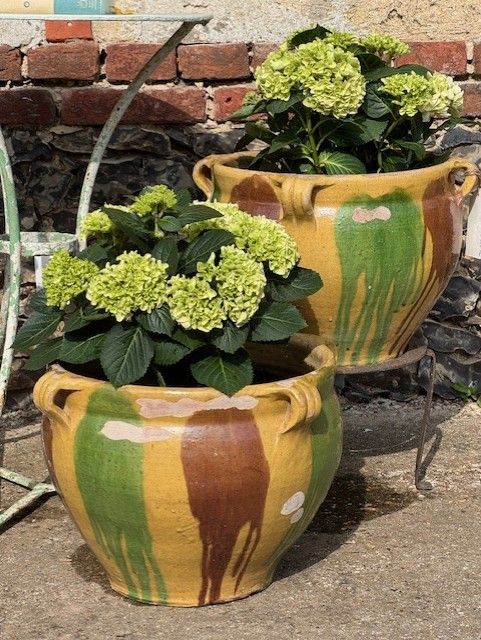
Surface treatments vary from simple dripped glazes to green lead glazes and aged patinas gained through decades of outdoor exposure. Some specialised vessels incorporated silver mounts or gold leaf, elevating utilitarian storage into decorative items.
Listings feature earthenware and terracotta forms ranging from pre-historic vessels to nineteenth-century Victorian garden planters.
Defining quality in earthenware vessels
Quality rests in the balance of form, the integrity of the clay body, and the character of the surface wear. A better jar displays strong potting proportions, whether it is a robust olive jar or a finely thrown confit pot.
The distinction between ordinary utility and superior quality lies in the depth of the glaze, the natural weathering of the terracotta surface, and the presence of makers' marks or historical repair work that speaks to longevity.
The Antique Terracotta Jar Glossary
- Terracotta
- A porous, brownish-red earthenware clay that is fired at relatively low temperatures. It is commonly used for garden planters, amphorae, and storage vessels.
- Confit pot
- A traditional French earthenware jar featuring one or two handles, typically glazed green or yellow on the upper half. These were originally designed for preserving duck or pork confit.
- Amphora
- An ancient two-handled storage jar with a narrow neck, used primarily for transporting and storing oil or wine across the Mediterranean.
- Maiolica
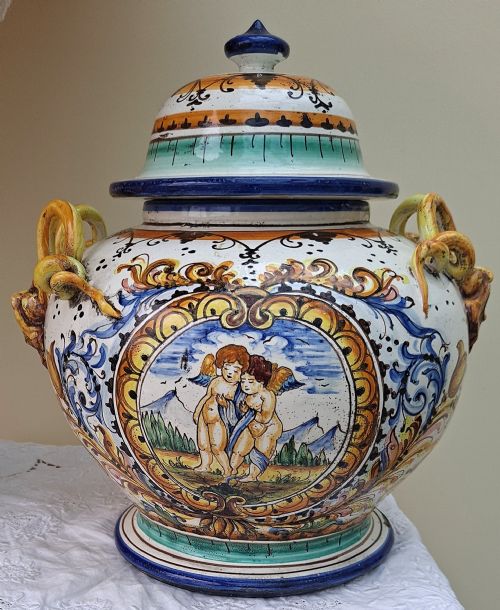
- Tin-glazed Italian earthenware decorated with opaque colourful glazes. It offers a smooth surface often painted with elaborate scenes or patterns.
- Patina
- The surface sheen and textural ageing developed on a ceramic or metal object over decades of handling, use, and exposure to the elements.
Antique Terracotta Jar: Frequently Asked Questions
How were these jars originally used?
These vessels served essential domestic and agricultural roles, functioning as containers for olive oil, wine, grain, and preserved meats. Their heavy earthen walls kept contents cool and protected from pests.
Larger specimens stood in courtyards or cellars for bulk storage, while smaller glazed pots were kept inside kitchens for daily provisions and cooking oils.
Can antique terracotta jars stay outside?
Many sturdy garden planters and large oil jars were built to withstand outdoor conditions, enduring patio and garden settings for generations. Their thick terracotta walls manage typical seasonal weather changes.
However, porous earthenware can crack if water freezes inside unglazed bodies during hard frosts, so vulnerable pieces benefit from being moved under cover in winter.
How do I clean an antique terracotta jar?
Gentle dusting with a dry or slightly damp cloth is usually enough to maintain unglazed surfaces without disturbing the historic patina. Harsh chemical cleaners and wire brushes will damage the soft earthenware.
If washing is necessary for interior cleanliness, use warm water and mild soap, ensuring the vessel dries completely before placing it on delicate surfaces.
How do I identify the age of a jar?
Dating relies on examining the potting technique, tool marks, glaze consistency, and the degree of natural wear across the clay body. Hand-thrown irregularities and older glaze chemistries provide key clues.
Comparing the form and provenance against known regional styles, such as French provincial confit pots or nineteenth-century Italian olive jars, helps narrow down the period of production.