

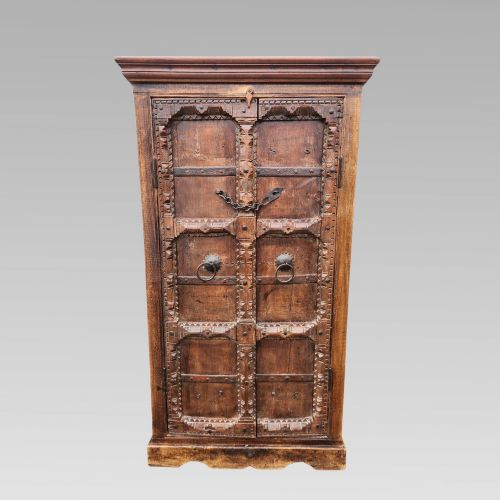
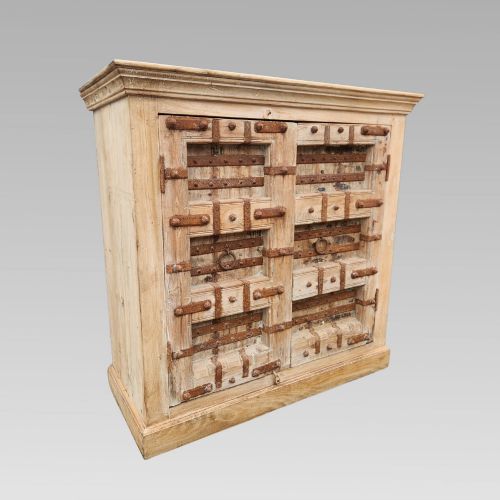
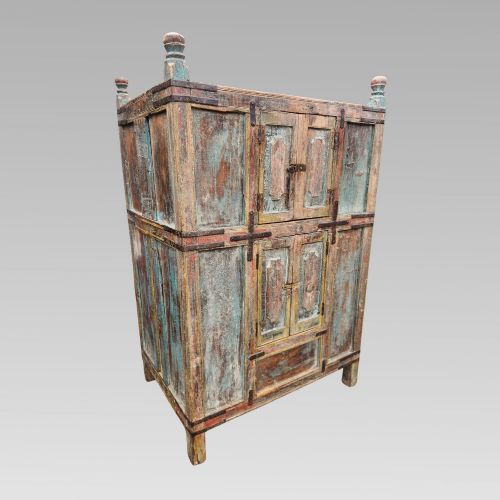
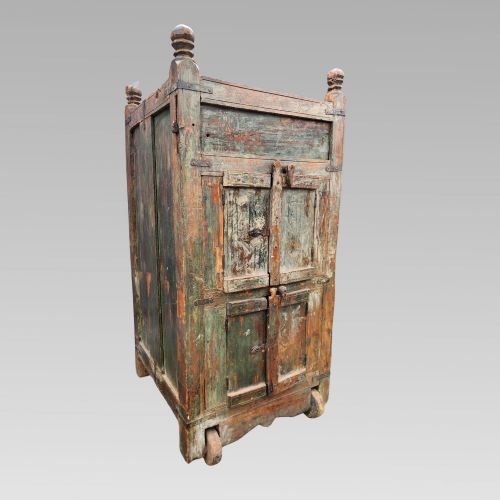
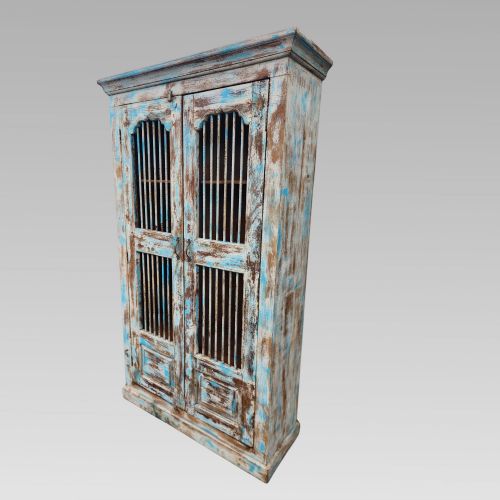
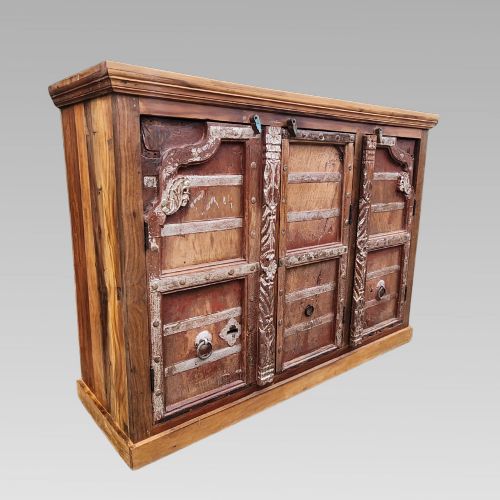
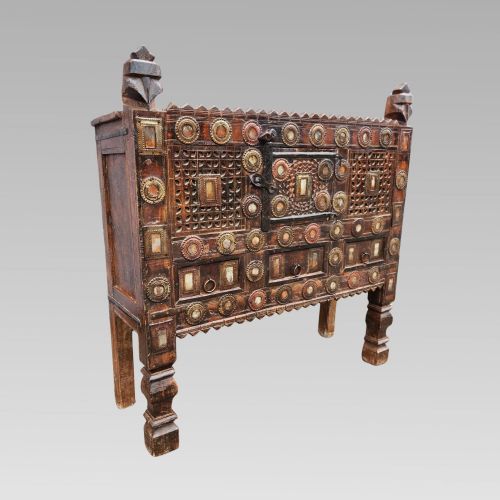
Antique Teak Cabinet
An antique teak cabinet brings dense timber and intricate carving straight from colonial workshops into your home.
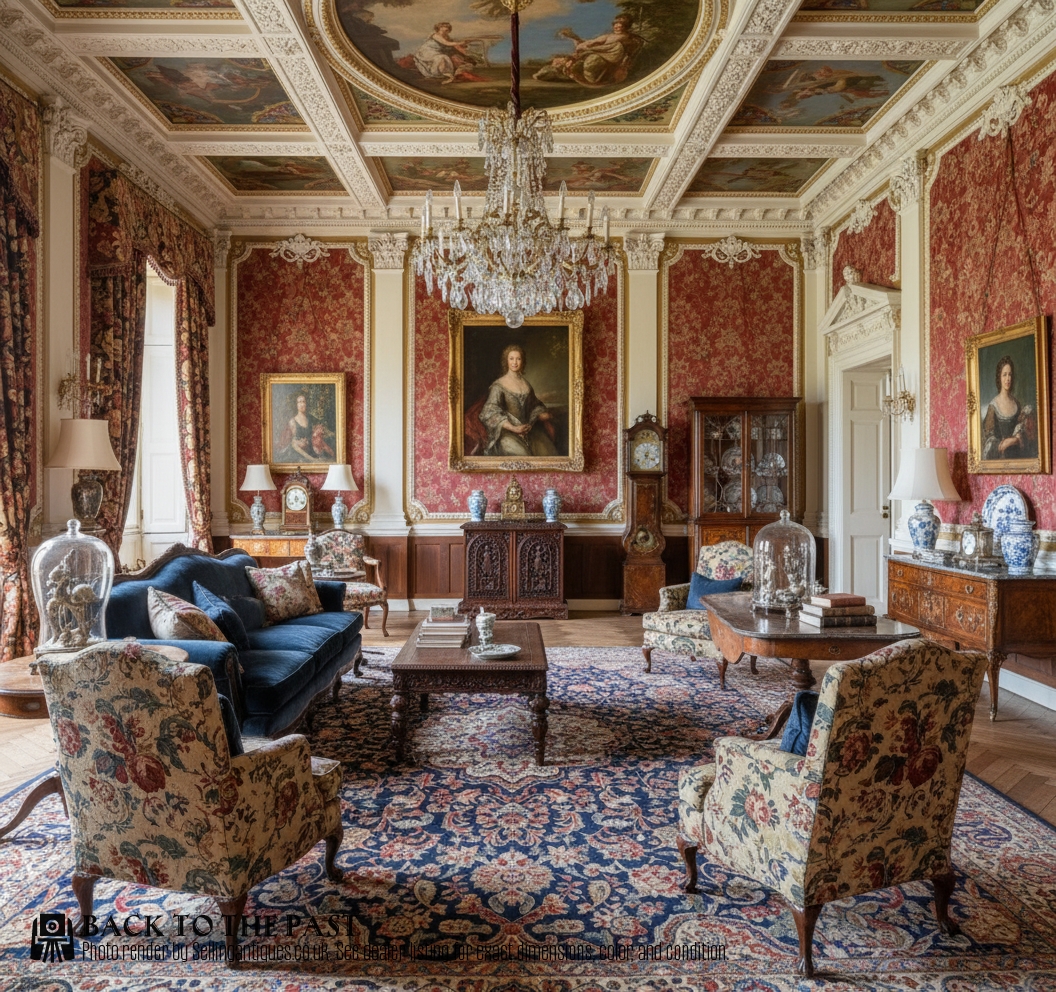
Antique Teak Cabinet
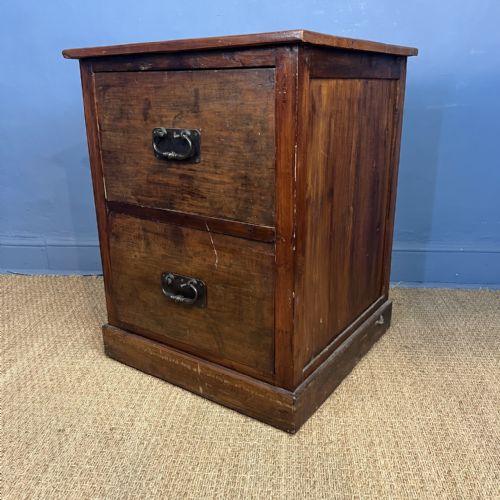
An antique teak cabinet encompasses an array of storage forms, from monumental bookcases and sideboards down to small filing units and cellarettes. When you search for an antique teak cabinet, you encounter pieces that predominantly originate from the nineteenth century, alongside examples from the early decades of the nineteen hundreds.
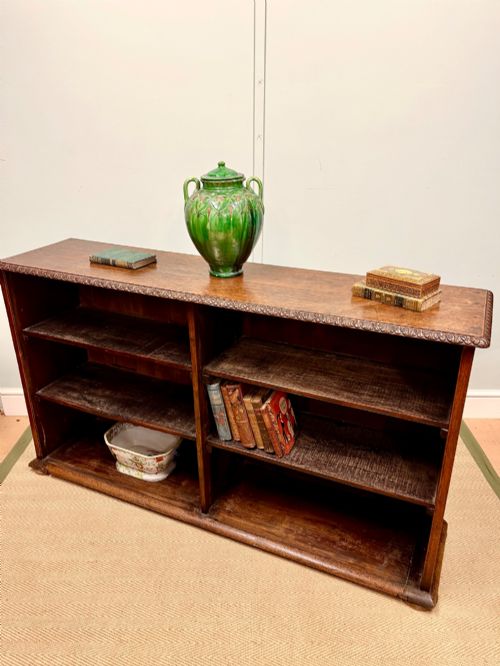
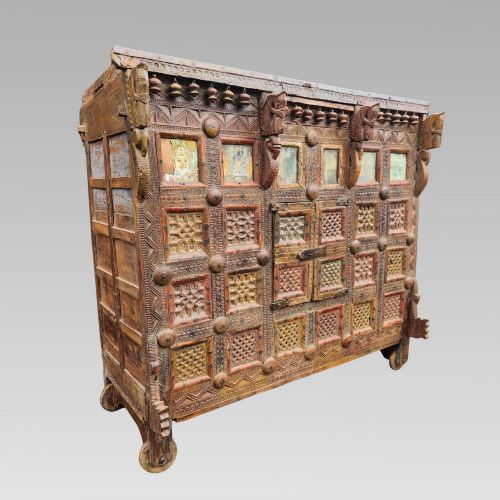
The aesthetic leans heavily towards Anglo-Indian, Traditional Indian, and colonial interpretations, alongside Victorian military campaign designs and Edwardian iterations. You are most likely to meet large storage cupboards, dowry chests known as damchiyas, and carved display units fashioned from solid teak.
The forms serve varied domestic functions, functioning as desks, storage cupboards, and specialised drinks cabinets. Their origins trace through regional Indian provincial workshops, British colonial commissions, and Burmese centres of cabinet-making.
Materials and Construction
These pieces rely on solid teak as the primary structural and decorative timber, frequently complemented by secondary hardwoods, cedar linings, and occasional chestnut. Artisans selected this dense timber for its durability and resistance to humidity.
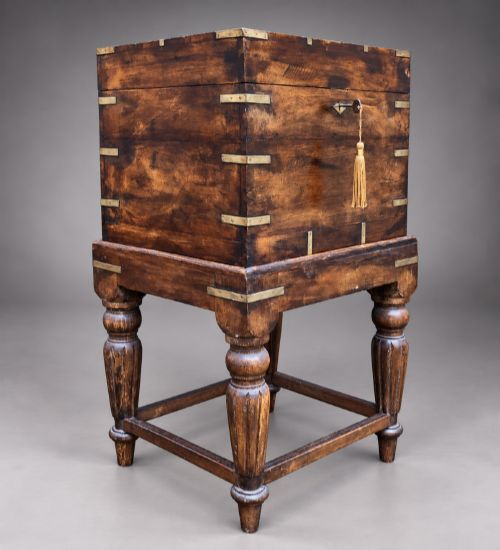
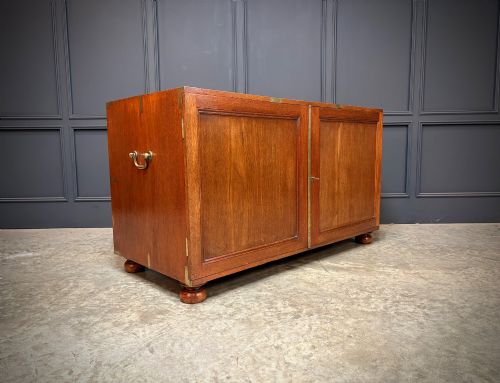
Construction techniques combine traditional joinery with robust metalwork, utilising iron and brass for hinges, locks, straps, and decorative mounts. Certain storage units feature painted finishes, glass panels, or contrasting marble surfaces.
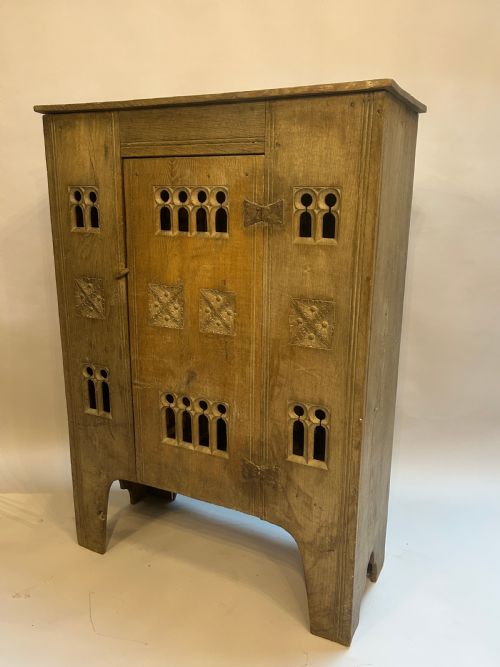
Carving is a defining structural and decorative method, seen in deeply carved panels, architectural mouldings, and folk art motifs. Metal binding appears on utilitarian items designed for travel or secure storage.
Some nineteenth-century gin cabinets were specifically fitted out to survive bumpy veranda life in Ceylon.
Judging Quality and Execution
Quality rests upon the depth, crispness, and continuity of the hand carving across the teak surface. Superior examples display intricate, well-defined motifs that integrate seamlessly into the architectural form of the cupboard or chest.
The selection of the timber itself marks the grade of the piece, with tightly grained, uniform teak commanding greater appreciation than mixed reclaimed woods. The integration of original brass or iron hardware further separates standard utility pieces from exceptional statement items.
Structural integrity depends on the original joinery remaining firm and drawer linings retaining their clean fit. Finer items exhibit careful proportioning and refined internal arrangements, whether configured for filing, documents, or wine storage.
The Antique Teak Cabinet Glossary
- Teak
- A dense, durable tropical hardwood prized for its oily resistance to moisture and its rich grain. It forms the primary body of these cabinets.
- Damchiya
- A traditional Indian dowry chest, often adapted into a storage cabinet with carved front panels and internal compartments.
- Cellarette
- A specialised cabinet or chest designed for holding wine bottles and decanters, frequently raised on a stand.
- Campaign
- Furniture designed to dismantle or fold easily for military travel, typically fitted with recessed brass handles and corner brackets.
- Almirah
- A free-standing cupboard or wardrobe used for domestic storage, common in Anglo-Indian and colonial interiors.
Antique Teak Cabinet: Frequently Asked Questions
What is an antique teak cabinet used for?
These pieces provide substantial storage for books, tableware, and documents while acting as focal decorative furniture in a room. Their varied internal configurations accommodate diverse organizational needs.
Larger cupboards and almirahs serve as wardrobes or linen stores, whereas smaller chests and filing cabinets suit living spaces or studies.
Where were these cabinets made?
The pieces originate primarily from the Indian subcontinent, encompassing Anglo-Indian colonial workshops and regional provincial centres. Burmese workshops also contributed significantly to the tradition.
British military and administrative presence during the nineteenth century heavily influenced the fusion of local carving skills with European furniture forms.
How do I care for teak furniture?
Teak requires minimal maintenance due to its natural oils, benefiting mainly from occasional dusting with a dry cloth. Avoid placing the timber near direct heat sources or strong sunlight.
Applying specialised wax or oil is rarely necessary if the surface retains its natural condition, though a soft cloth helps preserve the finish.
How do I date an antique teak cabinet?
Dating relies on examining construction methods, hardware types, and stylistic indicators such as colonial carving motifs. Nineteenth-century examples often display hand-cut joints and heavy brass or iron mounts.
Later pieces from the early nineteen hundreds may show shifts toward simpler sliding doors or standardised Edwardian hardware.