




Indian Teak Sideboard
An indian teak sideboard brings substantial timber and deep regional carving into a room, offering robust storage with an unmistakable historical presence.
Indian Teak Sideboard
When buyers search for an indian teak sideboard, they encounter heavy hardwood storage units originating from nineteenth and early twentieth century traditions. These pieces reflect diverse regional origins, spanning Anglo-Indian, provincial, and colonial workshops.
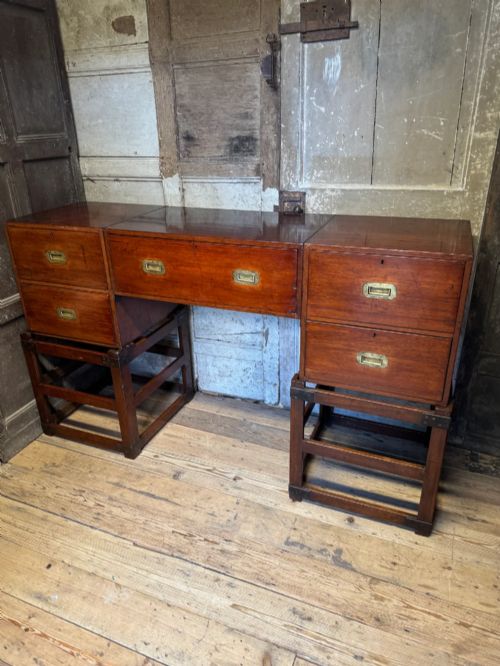
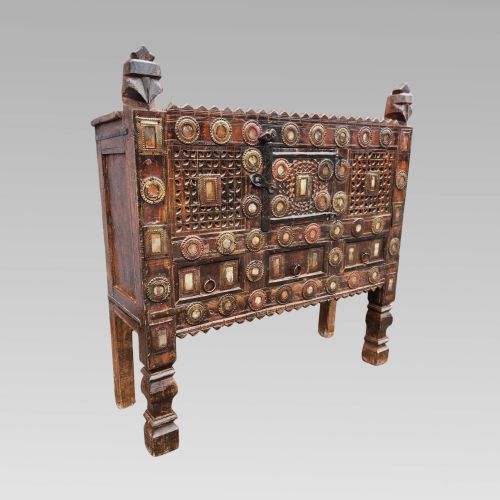
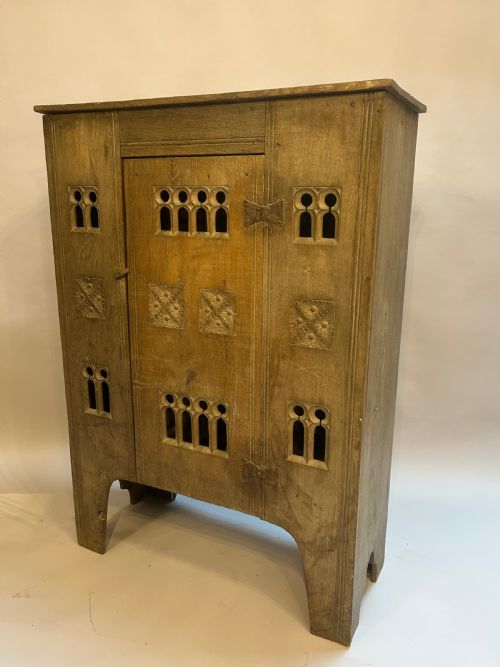
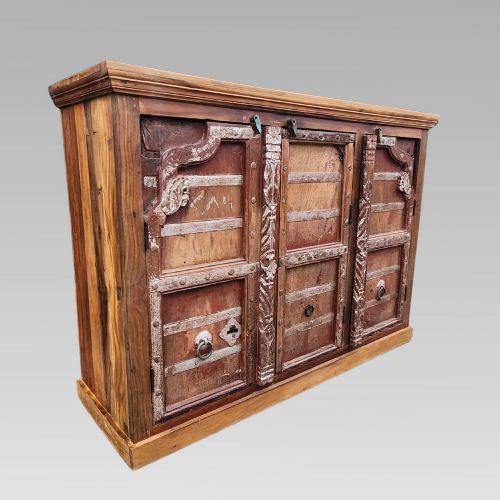
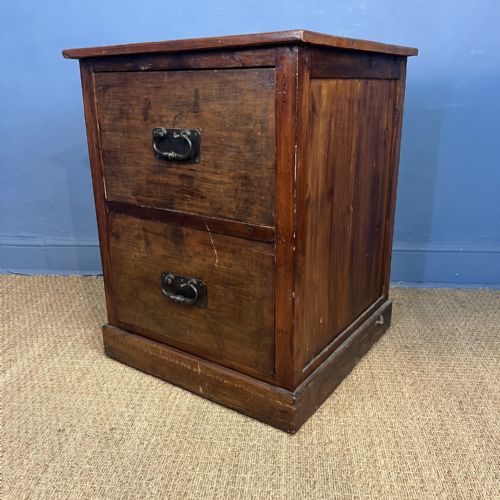
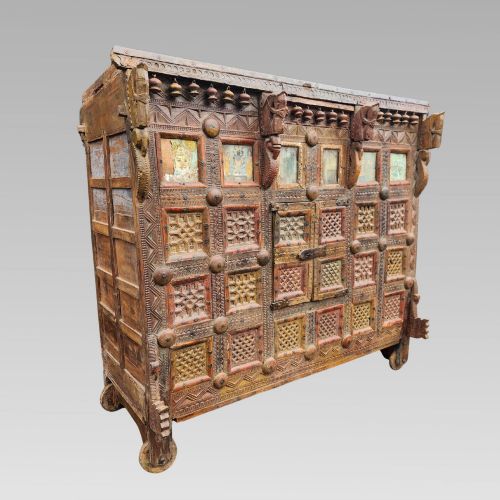
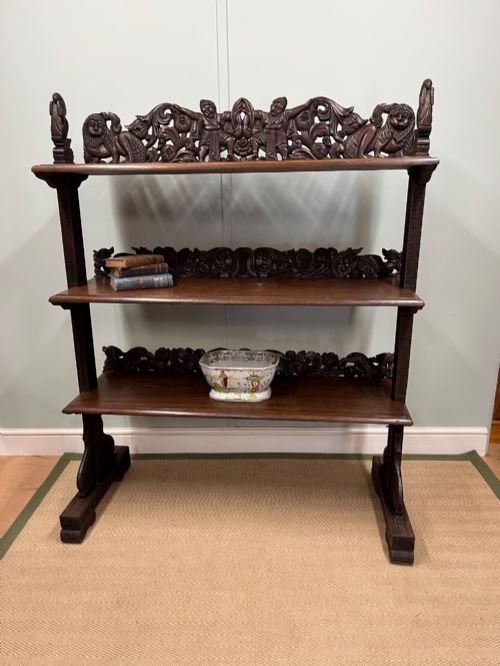
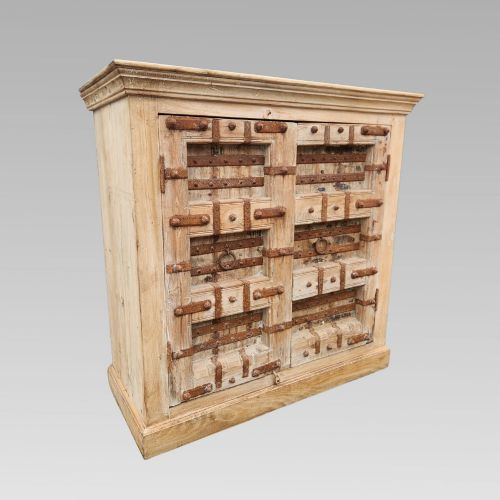
The inventory on this page ranges from large carved damchiya dowry chests and storage cupboards to three tier buffets and filing cabinets. Sideboards appear alongside related cabinets, offering deep proportions and functional surfaces built from dense timbers.
How they were made
Construction relies heavily on dense teak and mixed hardwoods, frequently augmented with iron hardware, brass elements, and occasional glass or marble inserts. Artisans shaped these resistant timbers using traditional joinery and hand-carving techniques.
Indian Teak Sideboard Retail Price Guide 2026
Typical asking prices for indian teak sideboard among the pieces listed under this phrase on Sellingantiques today, from the lower quarter to the upper quarter. They describe what is for sale here now, not the wider market.
Some storage cupboards incorporate secret compartments originally designed to keep dowry valuables safe from curious relatives.
What varies in quality
Quality rests upon the depth and precision of the hand-carving alongside the structural integrity of the teak frame. Pieces displaying crisp, deeply articulated relief work show a higher degree of artisan skill than simpler utilitarian forms.
The integration of original iron and brass fittings influences the character of each piece. Surviving period surfaces and uncompromised structural joins distinguish the finest examples from heavily altered or later utility items.
The Indian Teak Sideboard Glossary
- Damchiya
- A traditional Indian dowry chest characterised by low proportions, heavy carving, and secure storage compartments. These cabinets often feature hinged lids or panelled doors.
- Anglo-Indian
- A stylistic term describing furniture made in India under British colonial rule, combining European furniture forms with local carving traditions. Such pieces utilise native timbers like teak and rosewood.
- Campaign table
- A portable folding table designed for military officers on the move during the nineteenth century. These items typically feature collapsible bases and robust brass mounts.
- Buffet
- A sideboard or low cabinet used for serving food or storing dining room items. In nineteenth-century variants, these often incorporate multiple tiers for display.
Indian Teak Sideboard: Frequently Asked Questions
What is an indian teak sideboard?
An indian teak sideboard is a heavy storage cabinet built from dense Southeast Asian timber, often featuring intricate regional carving. These items serve as functional sideboards, cupboards, or buffets.
They derive from nineteenth and early twentieth century periods, reflecting colonial and traditional provincial craftsmanship.
How do I date an antique cabinet?
Dating relies on examining the timber grain, tool marks, joinery methods, and hardware construction. Nineteenth-century examples show hand-cut joints and forged iron or brass elements.
Later pieces from the early twentieth century often display simpler construction methods or utilise reclaimed structural elements.
Where were these pieces made?
These items originated across South and Southeast Asia, including workshops influenced by British colonial trade. Styles encompass Anglo-Indian, Burmese colonial, and traditional Indian provincial designs.
Local artisans utilised regionally available hardwoods, primarily teak and rosewood, to construct durable furniture for domestic and official use.
How do I clean teak furniture?
Teak is a dense, oily timber that requires minimal moisture for maintenance. Dusting with a dry cloth preserves the natural surface sheen without damaging the wood.
Avoid harsh chemical polishes and keep the timber away from direct heat sources to prevent splitting or warping over time.