




Brown Teak Cupboard
A brown teak cupboard brings sturdy colonial craftsmanship and rich timber grain directly into your home.
Brown Teak Cupboard
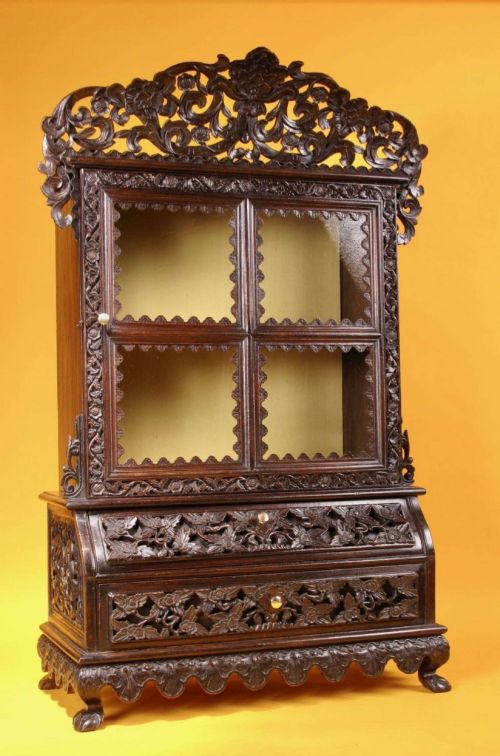
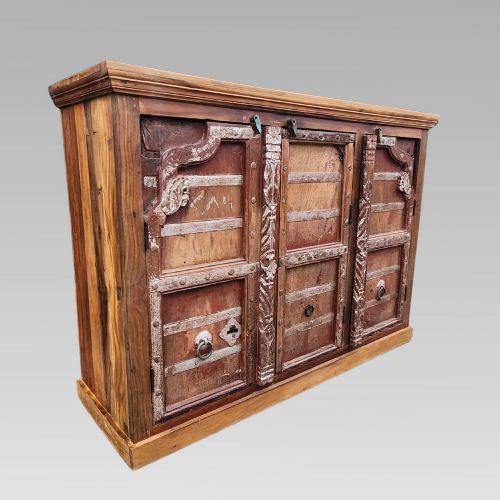
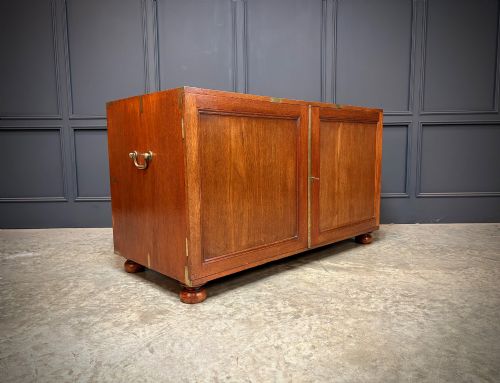
A brown teak cupboard is a utilitarian storage piece built from durable tropical hardwood, often drawing on Anglo-Indian, Victorian military, or colonial traditions. These cabinets serve as practical sideboards, corner units, and storage cupboards designed for heavy domestic use.
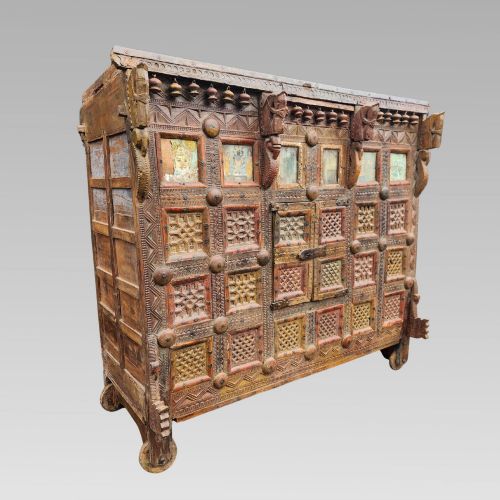
The versions most commonly met on this page span the nineteenth century up to the nineteen-thirties, reflecting regional styles such as traditional Indian damchiya chests and campaign furniture. They combine robust timber construction with practical shelving, drawers, and doors.
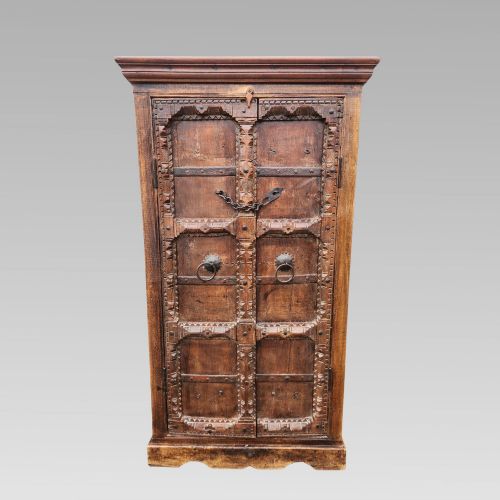
Buyers seek out a brown teak cupboard for its deep, warm wood tones and solid construction that withstands everyday demands. Each piece carries historical utility, whether configured as a tall wardrobe, a low sideboard, or a compact corner unit.
How they were made
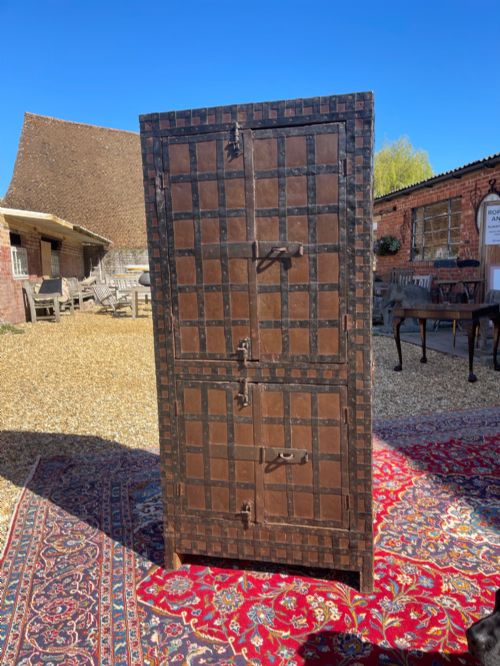
Makers constructed these cabinets using dense teak and various hardwoods, frequently joined with iron and brass hardware for structural strength. Metal strapwork and banding appear on utilitarian campaign and provincial storage pieces to reinforce the timber.
Carved details on doors and panels display traditional woodworking techniques passed down through generations of artisans in regional workshops. Sliding doors, inset drawers, and glazed panels also figure in the construction of larger storage units.
Brown Teak Cupboard Retail Price Guide 2026
Typical asking prices for brown teak cupboard among the pieces listed under this phrase on Sellingantiques today, from the lower quarter to the upper quarter. They describe what is for sale here now, not the wider market.
Styles include Anglo-Indian, Victorian military campaign, and traditional Indian provincial cabinet forms.
What varies in quality
The standard of a brown teak cupboard rests on the depth of the timber grain, the crispness of any hand-carved ornamentation, and the integrity of the original joints. Superior examples exhibit tightly fitted panels and substantial brass or iron mountings that complement the heavy wood.
Plain utilitarian cupboards rely on simple lines and robust construction, whereas decorative pieces showcase intricate carving and specialised storage configurations like multiple drawers or sliding doors. The proportion and balance of the cabinet define its visual weight in a room.
The Brown Teak Cupboard Glossary
- Campaign
- Furniture designed to dismantle or fold easily for travel, typically fitted with flush brass handles and corner brackets. These pieces were built for portability without sacrificing structural stability.
- Damchiya
- A traditional Indian dowry chest often featuring heavily carved panels and robust teak construction. They serve as low storage cabinets or decorative focal points.
- Anglo-Indian
- A style describing objects made in India during the British colonial period, blending European furniture forms with local craftsmanship and materials. Teak is the predominant wood utilised in these pieces.
- Hardwood
- Dense, durable timber from broad-leaved trees, with teak being the primary material seen in these listings. It resists warping and heavy wear.
- Sideboard
- A long storage cabinet traditionally used for dining room service, featuring cupboards and drawers. These pieces provide substantial surface area and internal volume.
Brown Teak Cupboard: Frequently Asked Questions
What is a brown teak cupboard?
A brown teak cupboard is a solid timber storage unit originating from nineteenth and early twentieth-century colonial or provincial workshops.
These cabinets range from campaign sideboards to carved Indian damchiya chests, offering durable storage with distinct regional character.
How were brown teak cupboards used?
These cabinets served primarily for household storage, holding provisions, textiles, or documents in domestic and colonial settings.
Many examples functioned as sideboards in dining areas, specialised gin cabinets in verandas, or heavy storage chests in bedrooms.
How do I live with a brown teak cupboard?
Integrating these pieces into modern spaces involves placing them in hallways, living rooms, or dining areas where their sturdy timber provides grounded utility.
Keep them away from direct heat sources to protect the dense teak and maintain the rich colour of the wood.
How do I tell periods apart?
Nineteenth-century pieces often display hand-carved ornamentation or military campaign brass banding, reflecting British colonial presence.
Later pieces from around nineteen-hundred to nineteen-thirty tend towards simpler sliding doors, reclaimed timber surfaces, and more streamlined storage configurations.