





Antique Tall Stool
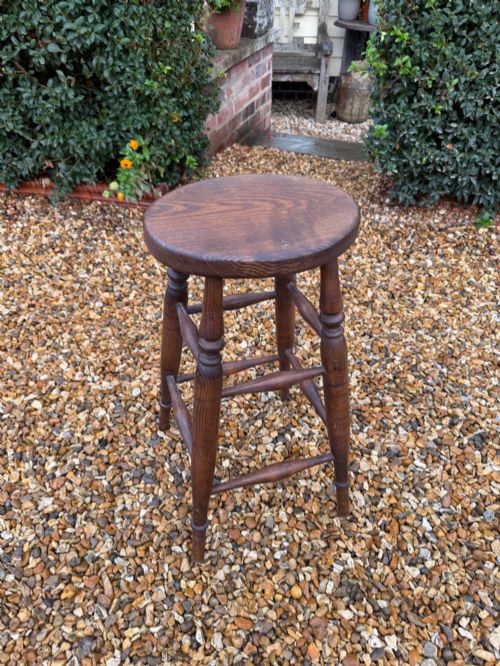
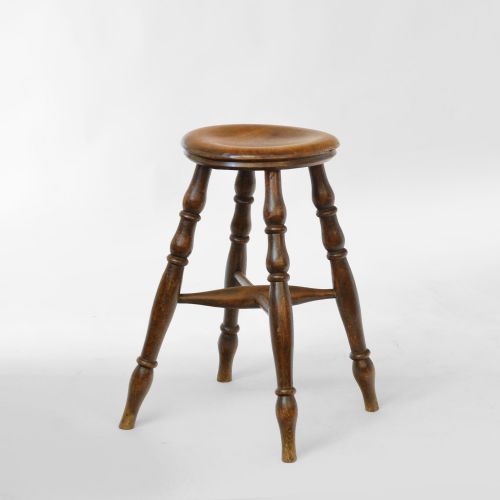
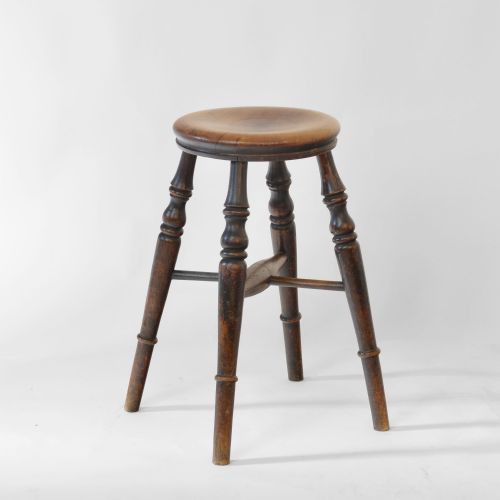
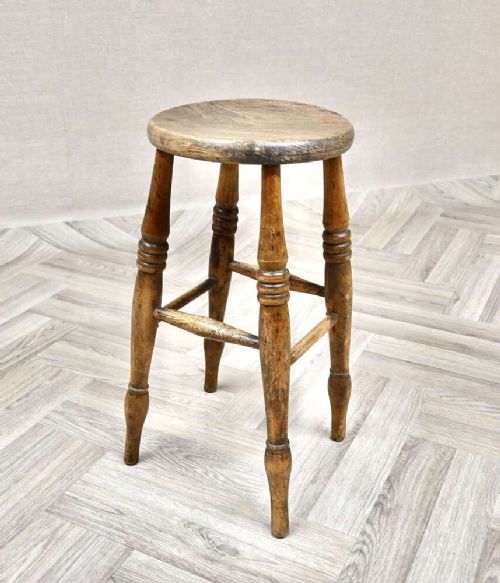
An antique tall stool brings utilitarian height and honest timber grain to a modern room, standing ready at a breakfast bar or workspace.
Antique Tall Stool
An antique tall stool serves a specific functional height, tracing its origins to workspaces, public houses and trade counters where workers stood or perched above standard desk level. When you search for an antique tall stool, you encounter forms built for sustained commercial and domestic utility rather than idle display.
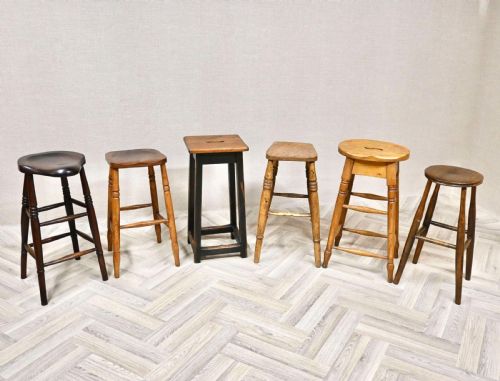
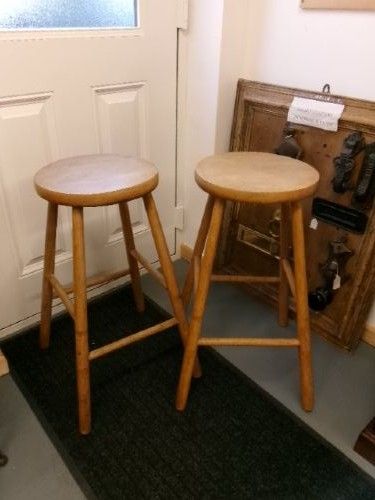
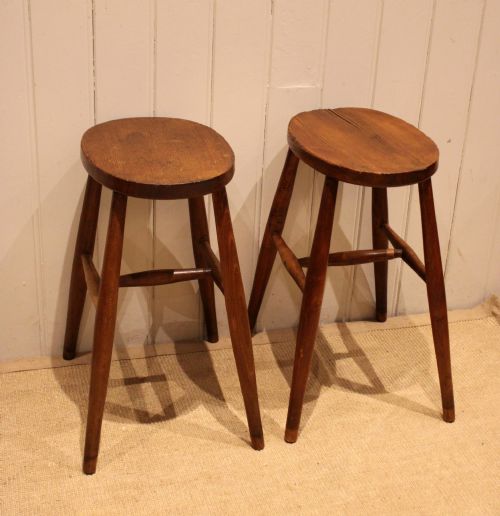
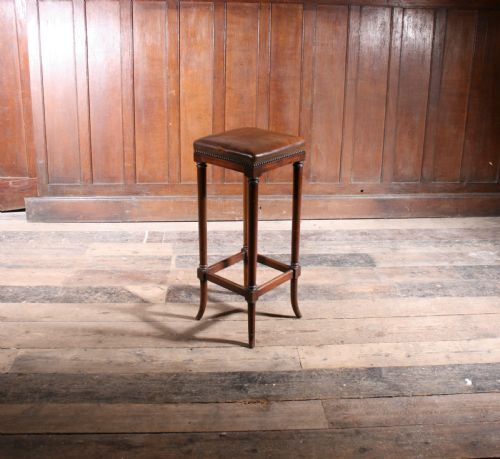
The most common examples on this page are clerk's stools and pub or tavern seating from the nineteenth century, alongside later twentieth-century workshop and laboratory variants. These pieces span simple rustic kitchen seats, heavy elm-topped tavern pieces and turned beech designs intended for ledger work.
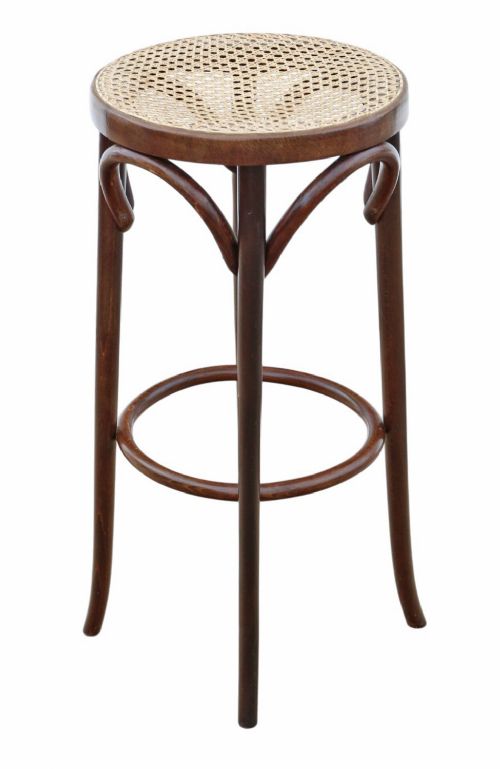
Makers shaped these tall seats across the Victorian and Edwardian periods, stretching into the nineteen-forties with occasional industrial interpretations in bentwood or metal-framed combinations. Regional English country workshops produced many of the timber versions, employing sturdy three or four-legged braced structures.
Materials and Technique
Makers relied heavily on domestic hardwoods, selecting durable elm for solid slab tops alongside beech, oak and sycamore for turned legs and stretchers. Pine and birch also appear in utility contexts, while occasional pieces utilise mahogany or fruitwood.
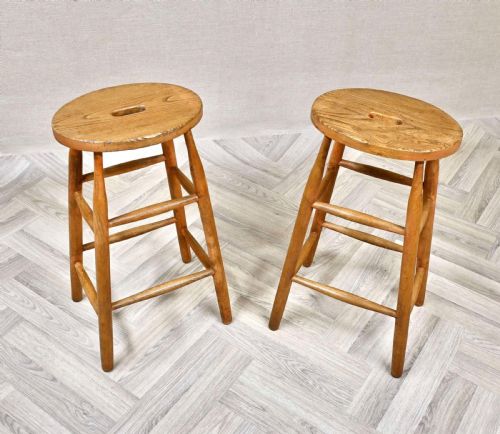
Construction typically involved pegged mortise and tenon joints or strong turned spindle work, with splayed legs providing essential stability at height. Seats were often carved or dished from a single plank to offer comfort during long hours at a standing desk or bar.
Antique Tall Stool Retail Price Guide 2026
Typical asking prices for tall stool among the pieces listed under this phrase on Sellingantiques today, from the lower quarter to the upper quarter. They describe what is for sale here now, not the wider market.
The inventory records vernacular forms including pub tavern seating, clerk's stools, library ladders and machinist laboratory chairs.
Evaluating Construction and Timber
Quality rests on the integrity of the timber selection and the rigidity of the leg bracing, since height places continuous stress on joints. A superior example uses thick, figured elm or dense oak with tight, well-fitted turnings that withstand decades of use without wobble.
The degree of honest wear distinguishes utilitarian pieces, where patinated surfaces and original painted finishes or polished wood grain reflect active working histories. Heavy commercial handling often produced deeper patination and more characterful surface textures than domestic variants.
The Antique Tall Stool Glossary
- Clerk's Stool
- A tall seat designed for high desks in offices and counting houses. These typically feature turned wooden legs and foot stretchers.
- Joint Stool
- An early form of wooden stool constructed with pegged mortise and tenon joints rather than turned components. They provide exceptional structural rigidity.
- Bentwood
- Wood softened by steam and bent into curved shapes, commonly utilised in twentieth-century high seating. This technique creates lightweight yet robust frames.
- Stretcher
- A horizontal wooden brace connecting the legs of a stool near the base. It adds structural stability and serves as a footrest.
- Dished Seat
- A wooden seat top scooped or hollowed out into a shallow basin shape. This carving improves comfort during prolonged sitting.
Antique Tall Stool: Frequently Asked Questions
How were antique tall stools originally used?
These tall seats served workers in offices, shops, banks and public houses who required elevation to reach high ledgers or counters.
They allowed clerks, tavern keepers and craftsmen to alternate between sitting and standing during long working hours.
Are antique tall stools comfortable for daily use?
Many feature dished wooden seats carved to fit the body, offering surprising support despite the lack of upholstery.
Foot stretchers positioned at lower levels also allow users to rest their legs comfortably while perched at height.
How do I style a tall stool at home?
These pieces fit naturally beside kitchen islands, breakfast bars or raised work counters where timber texture warms modern interiors.
Their narrow profile also suits placement in hallways or corners as an occasional perch or plant stand.
How can I tell the period of a tall stool?
Nineteenth-century examples frequently show hand-turned beech legs and thick elm tops with simple pegged construction.
Twentieth-century pieces often incorporate bentwood techniques, metal bracing or industrial laboratory components from the nineteen-tens and twenties.