

Antique Tall Candlesticks
When searching for antique tall candlesticks, buyers discover commanding lighting pieces spanning centuries of domestic and ecclesiastical craft.
Antique Tall Candlesticks
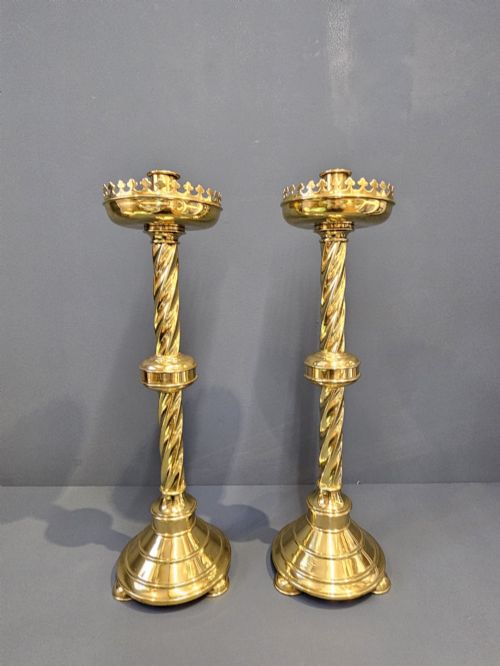
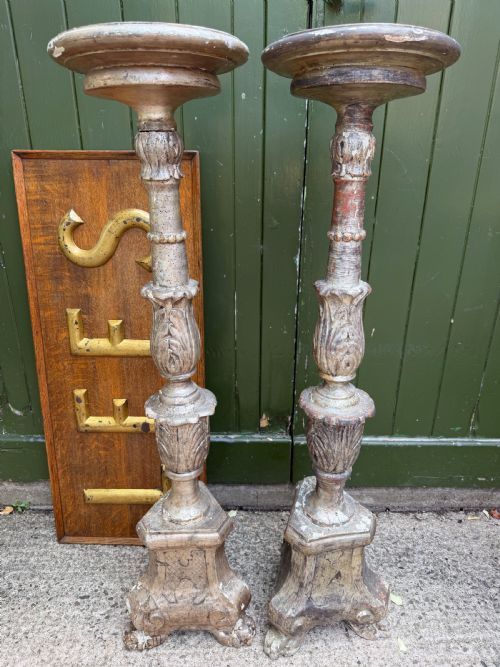
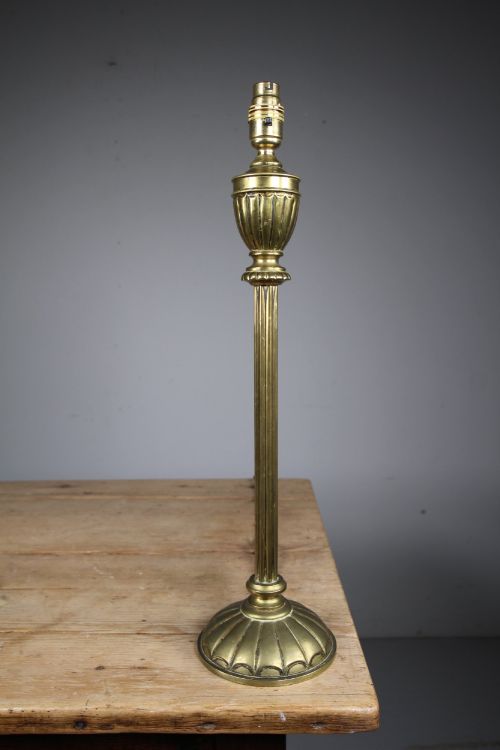
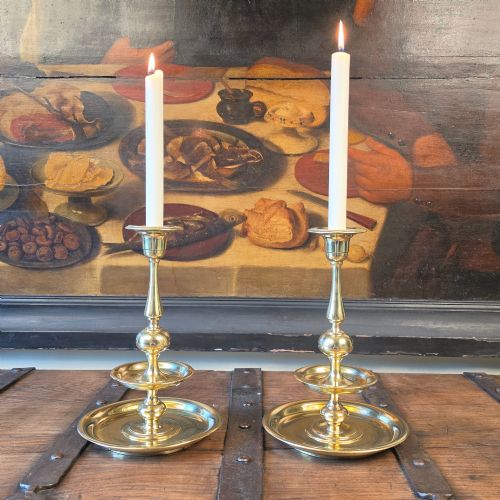
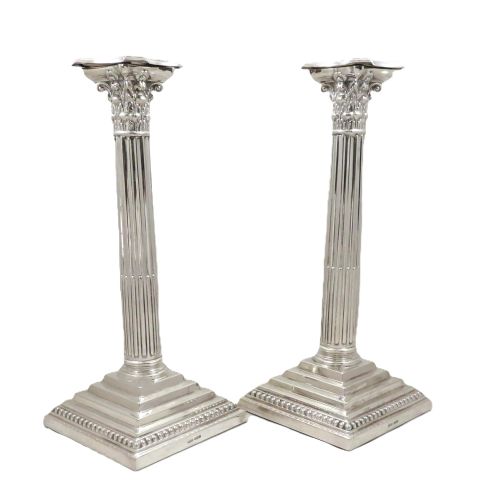
These items encompass elevated domestic holders, floor candelabra, and monumental altar pieces designed to elevate a light source above furniture level. Buyers hunting for antique tall candlesticks will encounter heavy brass columns, carved wooden torcheres, and architectural wrought iron structures. The selection draws heavily from Victorian church furnishings, Georgian domestic dining pieces, and continental ecclesiastical workshops.
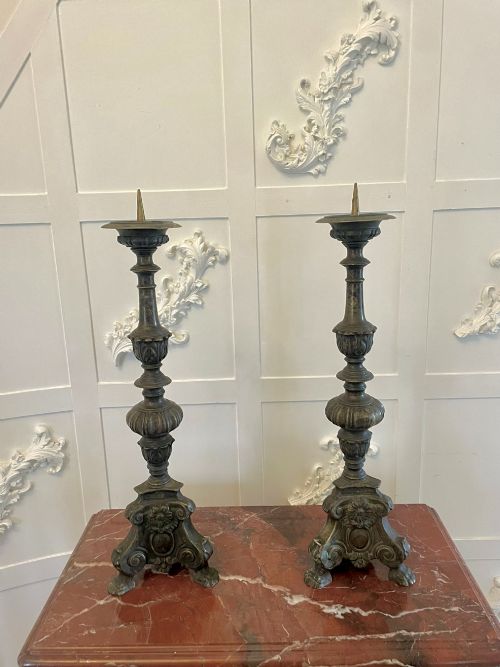
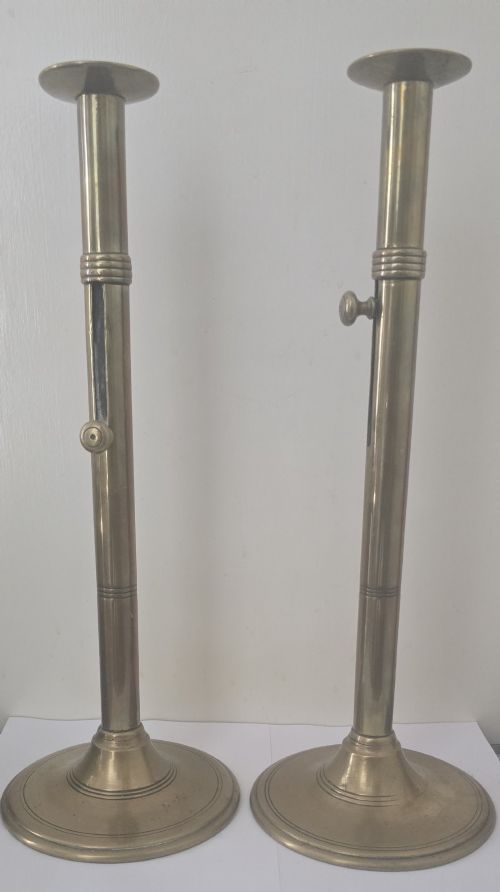
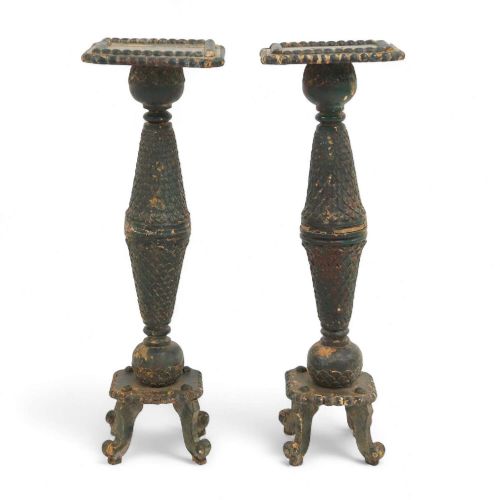
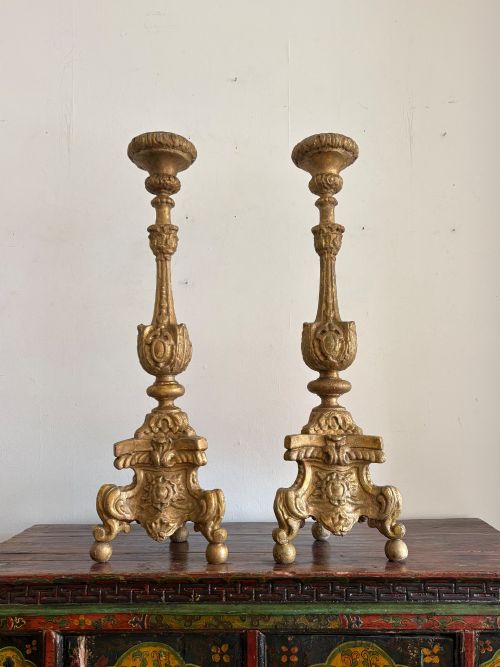
Forms range from slender barley twist timber stems to massive pricket candlesticks featuring spikes designed to secure large wax candles. Many surviving examples originate from 18th-century Italy and Spain, frequently taking the form of giltwood or silvered wooden altar pieces. English brass variants dominate the domestic sphere, often featuring side ejectors or heavy cast columns intended for heavy daily usage.
Materials and construction
Metalwork relies heavily on brass and bronze, shaped through casting, seaming, and turning on lathes to create rigid structural columns. Wrought iron pieces utilise manual forging techniques, twisting and joining structural bars to bear the weight of multi-candle floor candelabra.
Wooden examples depend on seasoned timber such as oak, mahogany, sycamore, and pine, which is then carved, ebonised, or finished with gesso and silver leaf. Continental church items frequently employ softwoods coated in layered gesso before receiving hand-applied gilt or decorative green paint.
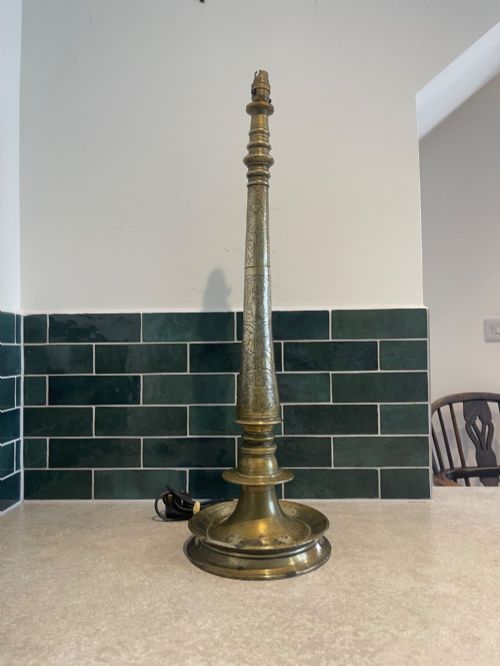
Object forms documented across the inventory include standard candlesticks, table lamps, torcheres, floor candelabra, and ecclesiastical altar pieces.
Distinctions in quality
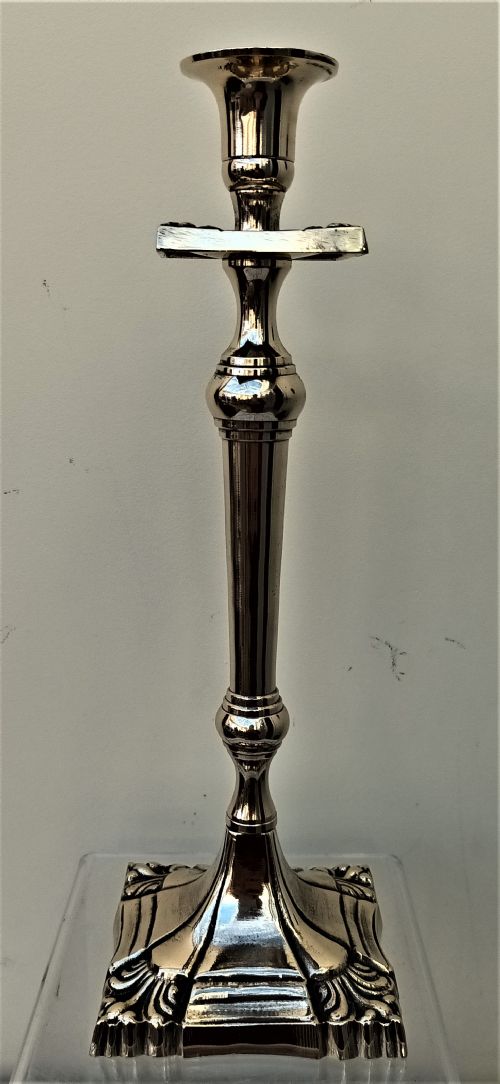
Quality rests upon the crispness of the casting in metalwork and the depth of hand-carving in wooden torcheres and altar sticks. Heavy cast brass components and original surface patination distinguish superior domestic items from lighter, mass-produced later variants.
The integrity of the original finish, whether aged giltwood, lacquered Chinoiserie, or untouched green paint, dictates the desirability of antique lighting. Items retaining matching components, original prickets, or authentic ecclesiastical provenance command greater interest from discerning collectors.
The Antique Tall Candlesticks Glossary
- Pricket
- A sharp metal spike atop a candlestick designed to impale and hold a wax candle securely in place. These are frequently found on 18th-century church and altar sticks.
- Torchere
- A tall ornamental stand or candlestick originally designed to carry a torch or heavy candle. Continental examples often feature elaborate carved and giltwood surfaces.
- Barley Twist
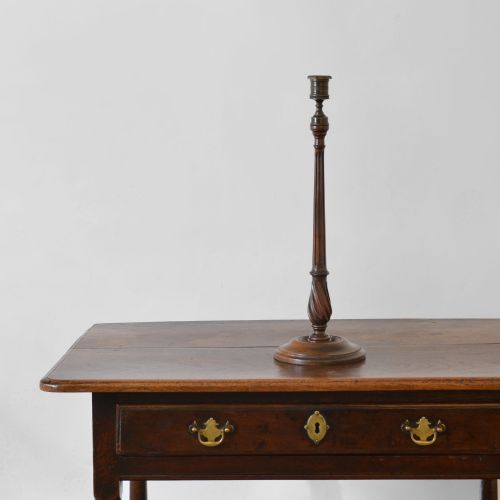
- A spiral turned woodworking technique creating a rope-like twisted column. This decorative form appears frequently on oak and timber candlesticks from the Georgian and later periods.
- Side Ejector
- A mechanical lever fitted to the socket of a candlestick to push out the remaining candle stump. This practical addition is characteristic of specific 19th-century domestic brass designs.
- Giltwood
- Timber that has been coated with a thin layer of gold leaf or gold paint. This technique was widely utilised on Italian and Spanish baroque altar candlesticks.
Antique Tall Candlesticks: Frequently Asked Questions
What is a pricket candlestick?
A pricket candlestick uses an upright metal spike instead of a traditional socket to hold the candle. This style is commonly seen on ecclesiastical and altar pieces from the eighteenth and nineteenth centuries.
Such designs were favoured in churches where large wax tapers required a secure mounting method. They often appear today in brass, iron, and carved wood configurations.
How were tall candlesticks used historically?
Tall candlesticks served both practical lighting and ceremonial functions in domestic homes, grand halls, and places of worship. Their elevated height allowed light to project further across large rooms or illuminate specific altar spaces.
Heavier floor candelabra and torcheres were positioned in corners or entryways to provide architectural illumination. Domestic brass and wooden versions typically stood on tables, sideboards, or directly upon the floor.
Are antique candlesticks difficult to convert to lamps?
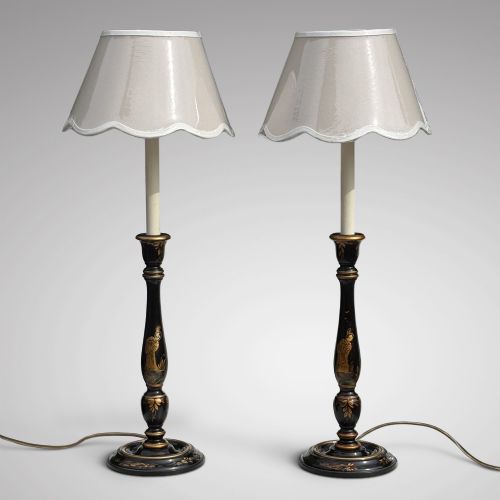
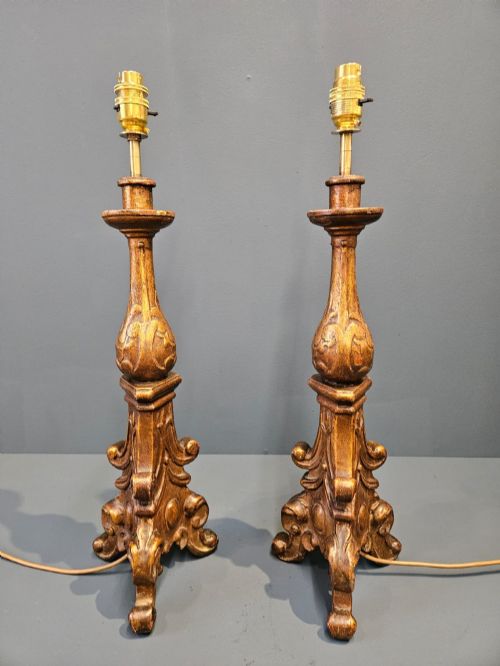
Many tall candlesticks and torcheres transition into table lamps through professional rewiring that preserves the original body without destructive modification. Edwardian and later examples frequently appear already adapted for electric lighting.
Buyers should inspect whether wiring runs internally or externally to maintain the visual balance of the piece. Reversible conversion methods ensure the antique integrity remains intact.
How do I distinguish eighteenth-century pieces from Victorian ones?
Eighteenth-century items often exhibit hand-turned construction, irregular casting marks, and heavier patination associated with early Georgian or continental baroque workshops. Timber variants from this era frequently utilise native hardwoods with simpler, deeper carving.
Victorian pieces tend toward heavier industrial casting methods, elaborate Gothic Revival ornamentation, and standardised components. Makers of the nineteenth century frequently incorporated historical revival styles drawing from medieval and classical influences.