
Antique Tableware
Antique tableware brings dining tables alive with centuries of sterling silver, porcelain, earthenware, and glass designed for serving.
Antique Tableware
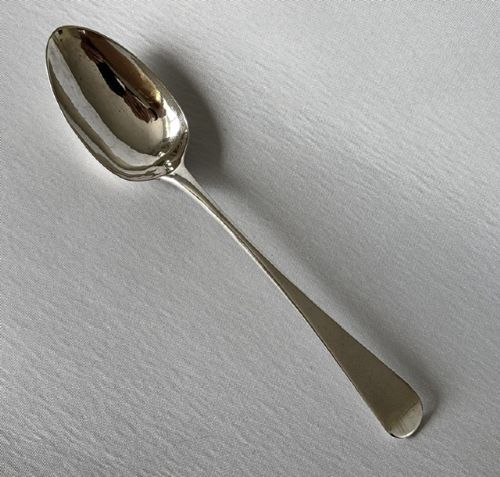
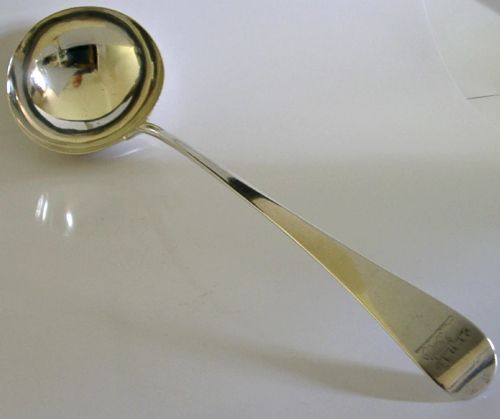
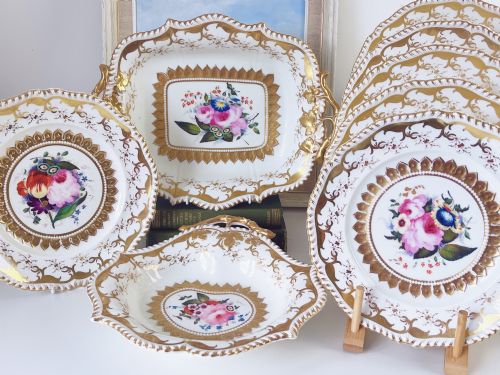
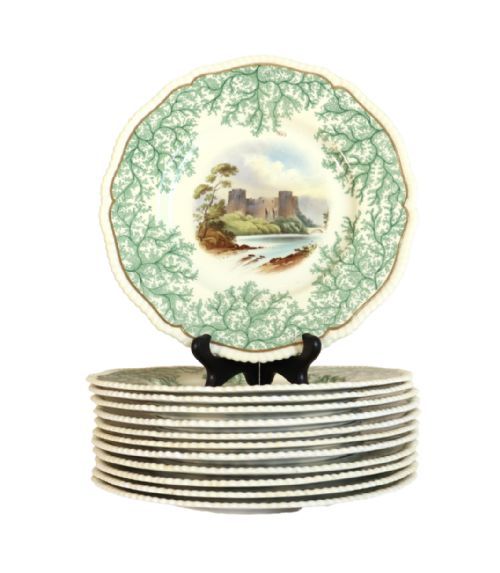
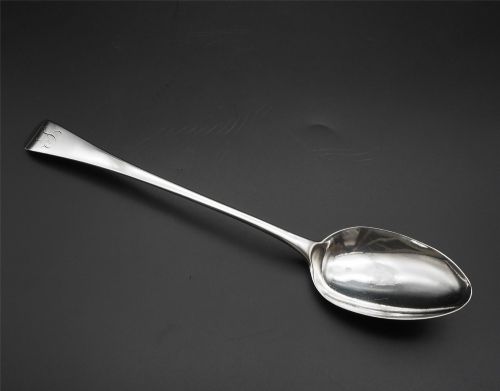
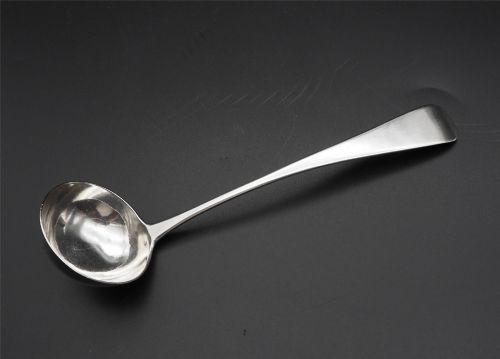
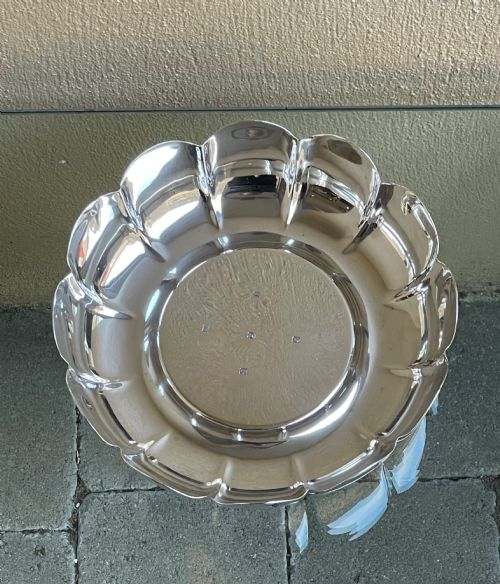
Antique tableware covers the various vessels and implements used for serving and eating food, spanning centuries of domestic life. The selections range from serving spoons, basting spoons, and ladles to complete dessert services, dinner plates, bowls, and dishes.
Buyers encounter items originating from the eighteenth, nineteenth, and twentieth centuries, incorporating periods such as Georgian, Victorian, Edwardian, and Art Deco. These pieces demonstrate how dining customs evolved through different eras of social entertaining.
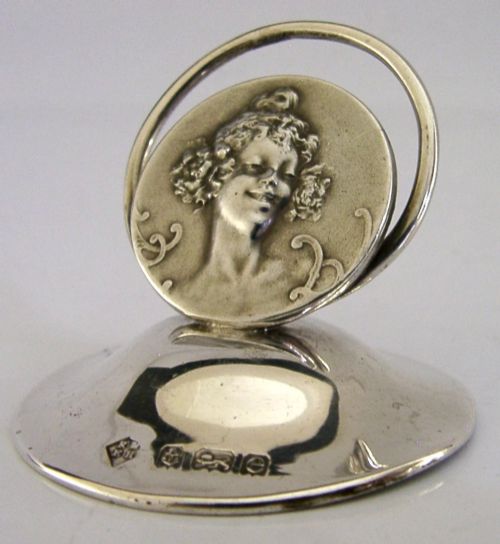
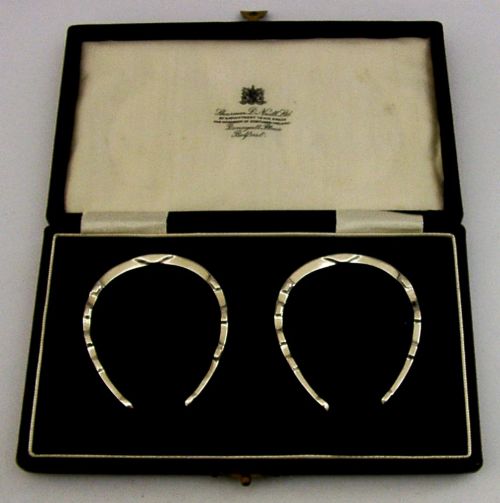
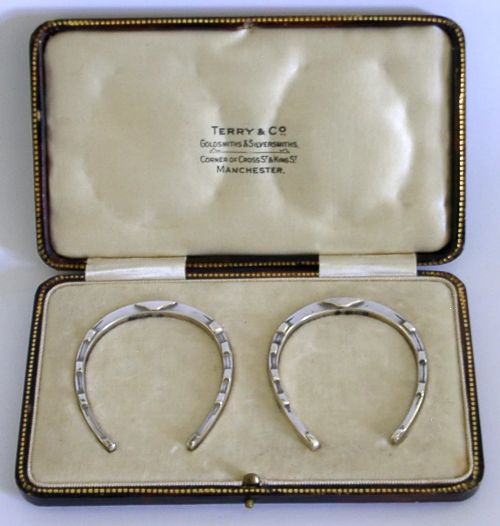
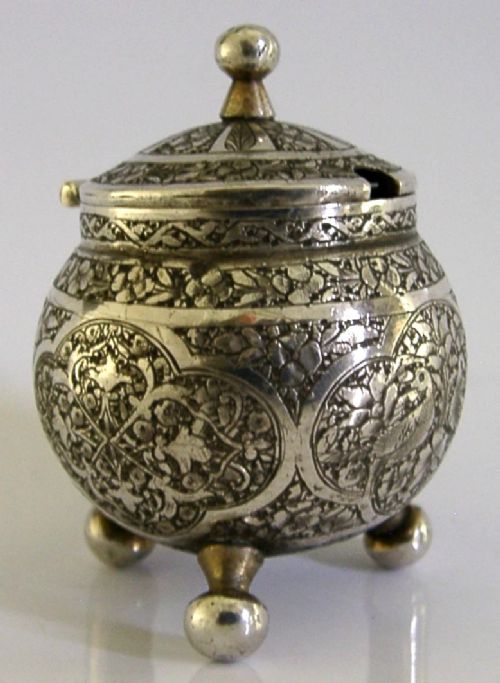
Forms include specialised items such as salt cellars, napkin rings, cream jugs, mustard pots, cruet sets, and teapots. Each object fulfilled a precise function at the table, whether for condiments, beverages, or individual place settings.
Materials and construction
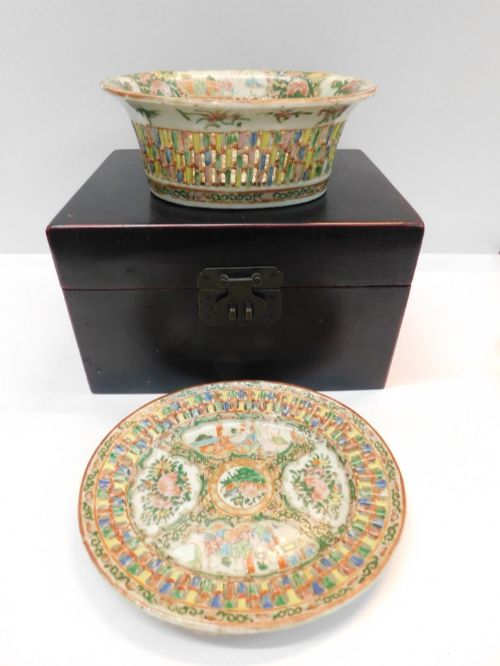
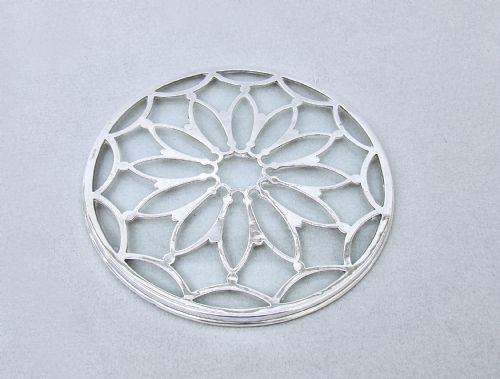
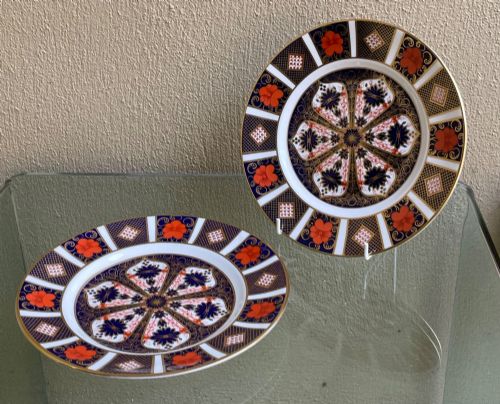
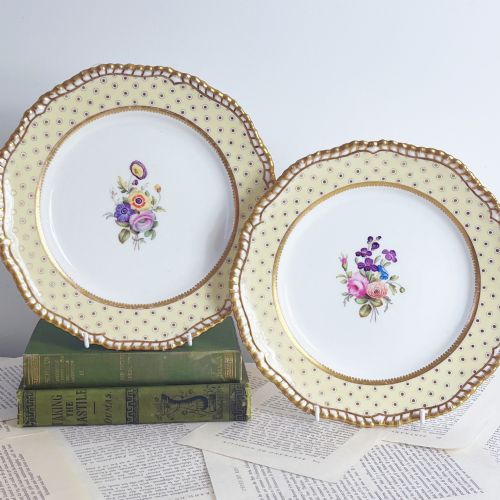
Sterling silver forms a large portion of the metal items, shaped through hammering, casting, and mounting with glass liners. Makers also utilised earthenware, porcelain, bone china, and glass, applying hand-painted floral motifs and transfer-printed scenes to ceramic surfaces.
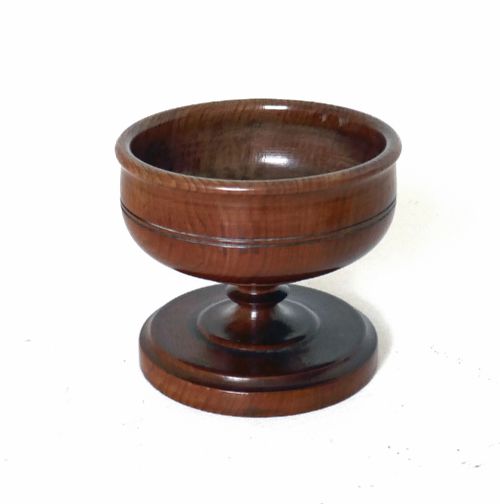
Wood appears in forms such as turned treen yew wood salts, while decorative elements incorporate enamel, velvet, and gold leaf. Craftspeople combined these materials to create durable objects suited for daily dining as well as formal presentation.
Form variations include napkin rings, dessert services, mustard pots, and salt cellars with original glass liners.
Distinctions in quality
Quality rests upon the crispness of detail in silver casting, the weight of the metal, and the precision of hallmarks. Hand-painted ceramic pieces show skill through delicate brushwork in floral or avian subjects rather than mechanical uniformity.
The survival of matched sets, original cases, and fitted components such as blue glass liners influences the integrity of an object. Maker attributions and provenance records further separate standard utilitarian items from exceptional studio pieces.
Hester Bateman·Grainger Lee And Co·Harrods Ltd·Royal Crown Derby·Wedgwood·Albert Edward Jones·Georg Jensen·Alfred Marston·Levi And Salaman
The Antique Tableware Glossary
- Cruet set
- A matched collection of bottles, jars, or castors for holding condiments such as vinegar, oil, pepper, and mustard, often fitted into a dedicated silver or metal frame.
- Salt cellar
- A small open bowl or container used to hold salt at the dining table before the invention of the modern spring-loaded salt shaker.
- Treen
- Small handmade wooden objects produced by turning on a lathe or carving, valued for their tactile surface and warm grain.
- Comport
- A raised dish or bowl placed in the centre of a table for serving fruit, sweets, or small cakes during dessert courses.
- Hallmark
- An official stamp applied to precious metals by an assay office to indicate purity, the maker, and the year of production.
Antique Tableware: Frequently Asked Questions
What counts as antique tableware?
Antique tableware includes items made for serving and consuming food that date back a century or more. The category covers everything from silver ladles and napkin rings to ceramic dessert plates and glass cruets.
These pieces reflect the manufacturing techniques and dining habits of eras ranging from the Georgian period to the mid-twentieth century. They bridge decorative art and practical dining accessories.
How were salt cellars used?
Salt cellars held loose table salt before individual shakers became common in the twentieth century. Dinners used a small spoon or fingers to take salt from the open vessel.
Many examples feature blue glass liners to protect the silver metal from the corrosive nature of salt. They sat beside each place setting or at intervals along the dining table.
How do I care for silver tableware?
Sterling silver requires gentle washing in warm water with a mild soap followed by thorough drying with a soft cloth. Avoid abrasive cleaners that can wear away delicate hallmarks and fine surface decoration.
Regular, careful use often helps prevent heavy tarnish build-up by keeping the metal polished through handling. Store silver in dry environments away from direct sunlight and rubber materials.
How do I identify ceramic periods?
Ceramic periods are identified by inspecting base marks, factory stamps, glaze types, and decorative styles. Earthenware, bone china, and porcelain each exhibit distinct body weights and translucency levels.
Hand-painted motifs and colour palettes often align with specific design movements like Regency or Art Deco. Reference marks help narrow down production years when maker stamps are present.