

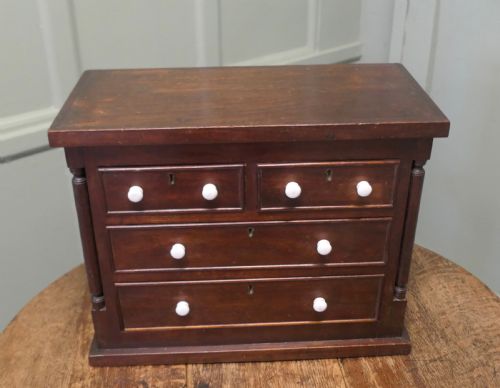


Antique Tabletop Furniture
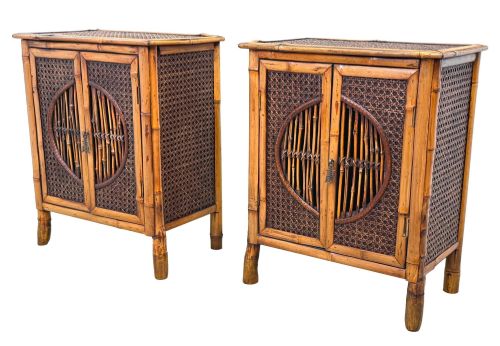
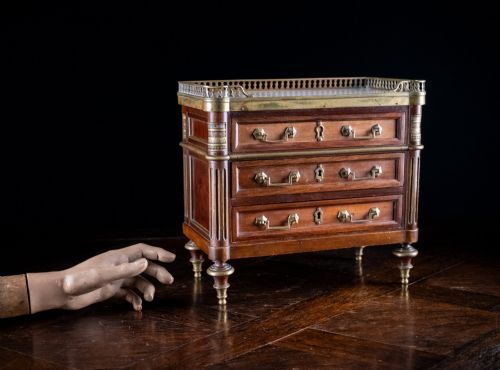
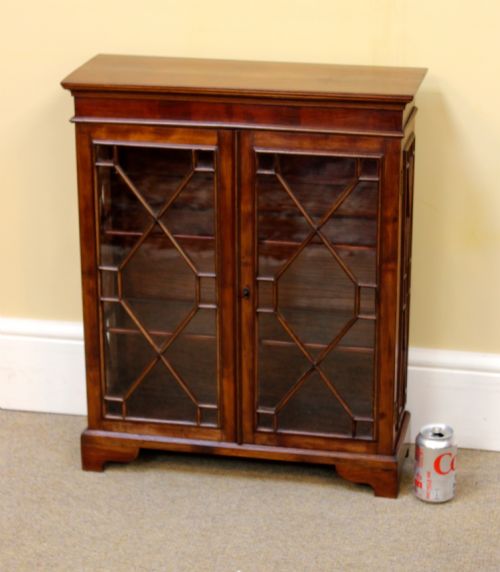
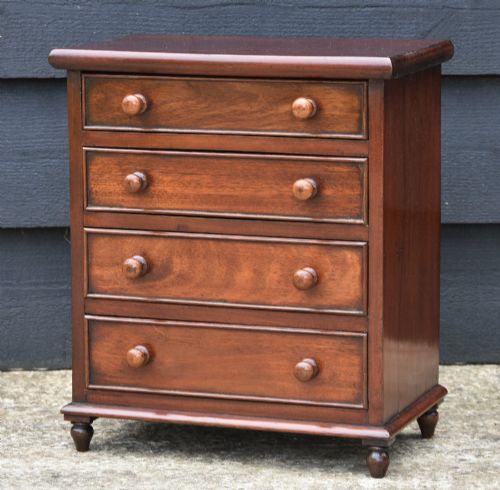
These pieces of antique tabletop furniture are small-scale chests, cabinets, and display pieces designed for use on larger surfaces.
Antique Tabletop Furniture
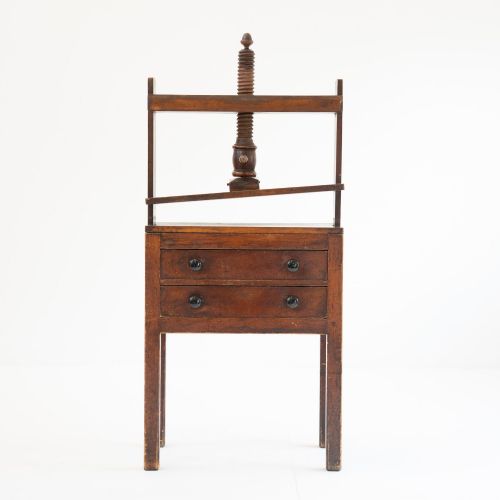
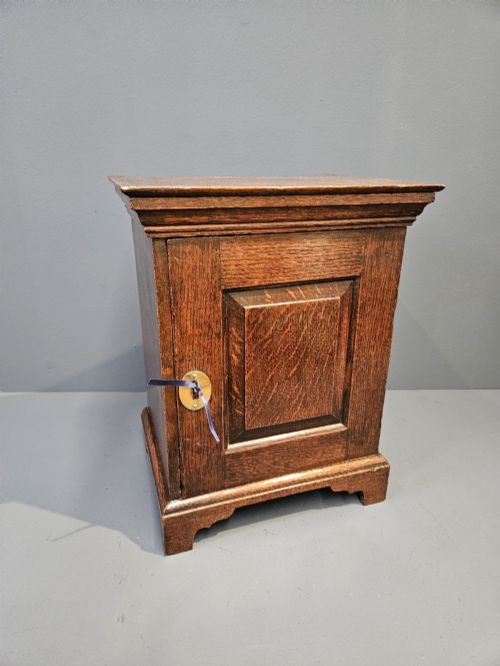
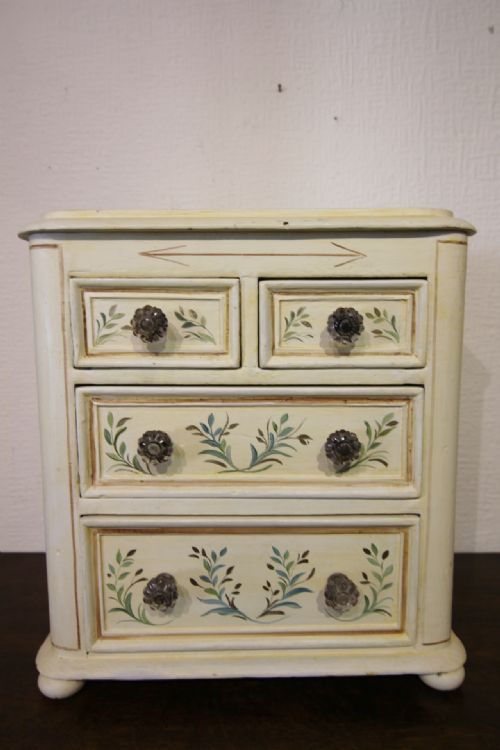
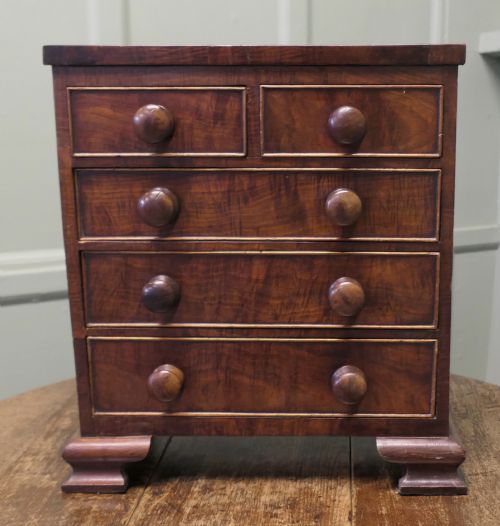
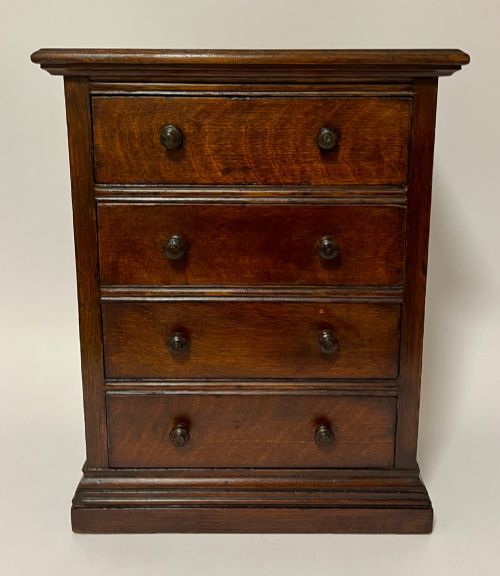
When you search for antique tabletop furniture, you find a collection of diminutive utilitarian and decorative objects made to sit on desks, tables, and sideboards. These items range from small chests of drawers and apprentice pieces to portable bookcases, reading stands, and spice cupboards.
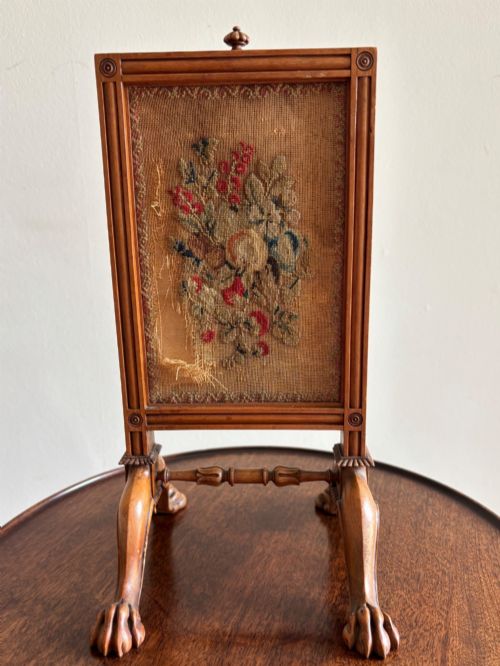
The selections span multiple periods, with Victorian and Georgian pieces appearing most frequently alongside 19th-century examples. Forms vary from miniature linen presses and collectors' chests to firescreens and campaign mirrors.
Origins stretch across English workshops, regional country houses, and international makers including Anglo-Indian and Chinese export pieces. Most examples serve as scaled-down versions of full-sized furniture types tailored for desktop organisation or display.
How they were made
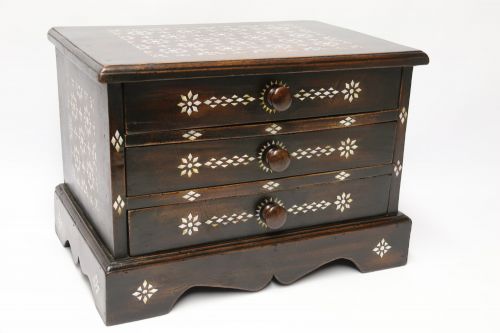
Makers utilised solid timbers and veneers like mahogany, oak, pine, and walnut, often applying inlay, brass hardware, or painted decoration to enhance the surface. Construction relies on traditional cabinet-making joints adapted for miniature proportions.
Surface finishes range from polished mahogany and burr yew to lacquer and simple painted surfaces. Portable items integrate brass campaign handles and folding mechanisms built for travel.
Form variations range from miniature linen presses and spice cupboards to portable reading stands and watchmaker cabinets.
What varies in quality
Quality rests in the precision of the scaling and the choice of timber, with burr maple, satinwood, and amboyna representing the upper tier. Finer examples display meticulous dovetailing, well-figured veneers, and retained original brasses.
Simpler pine or painted pieces from country workshops prioritiserobust utility over decorative cabinet work. The depth of the patina and the retention of internal fitments like secret drawers separate standard utility items from masterwork pieces.
Johnston’s of London·A. F. Lloyd, Bideford
The Antique Tabletop Furniture Glossary
- Apprentice piece
- A small-scale item made by a trainee cabinet maker to demonstrate skill to a guild. These pieces often mirror full-size furniture forms with exceptional attention to detail.
- Coffor Bach
- A Welsh miniature coffer or chest used historically for storing valuables or linens. These diminutive oak boxes frequently feature panelled construction and small drawers.
- Campaign furniture
- Portable pieces designed for travel by military officers or officials. They typically incorporate brass mounts, recessed handles, and knock-down structures.
- Serpentine chest
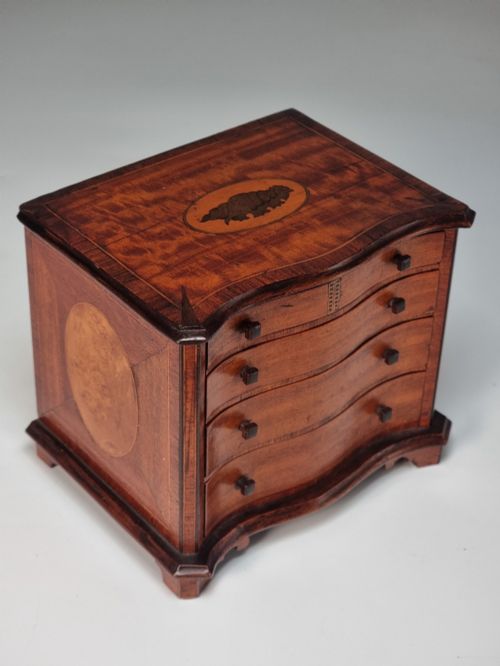
- A chest of drawers featuring a convex central section flanked by concave curves. This undulating front requires advanced woodworking skill to execute properly.
- Patina
- The surface sheen and colour developed by wood over decades of handling and waxing. A rich patina indicates age and regular maintenance.
Antique Tabletop Furniture: Frequently Asked Questions
What is antique tabletop furniture?
These are scaled-down chests, cabinets, desks, and mirrors built to sit on larger furniture surfaces. They served as desktop storage, travelling companions, or master carpenter demonstrations.
Craftsmen used the same timber species found in full-sized furniture, including mahogany, oak, walnut, and exotic veneers.
Were apprentice pieces actually made by learners?
Many small chests and cabinets carry the tradition of being apprentice pieces created to prove competence in joinery. Some display exceptional miniature dovetails and secret compartments.
Others functioned purely as luxury miniature chests for jewellery or documents rather than training exercises.
How do I care for antique wood pieces?
Keep wooden pieces away from direct sunlight and heat sources to prevent the timber and veneer from splitting. Apply traditional beeswax occasionally to nourish the surface and maintain the natural patina.
Avoid excessive moisture and use soft cloths for dusting delicate brass fittings and painted decorations.
How do I tell Georgian from Victorian pieces?
Georgian items often employ solid oak, walnut, or early mahogany with restrained lines and regional craftsmanship like the Welsh coffor bach. Victorian examples frequently show heavier mahogany construction, elaborate brass handles, or exotic veneers like amboyna.
Construction details, secondary woods like pine, and specific hardware styles help date each piece.